Embarking on the journey of sewing, understanding the nuances of your sewing machine’s presser foot is paramount. This essential component plays a crucial role in guiding fabric and ensuring neat stitches, making its proper operation a foundational skill for any seamster or seamstress. Mastering how to raise and lower the presser foot efficiently can significantly enhance your sewing experience, preventing common frustrations and paving the way for more precise and beautiful creations.
This comprehensive guide will walk you through the intricacies of the presser foot, from its fundamental function to the precise steps involved in its manipulation. We will explore how to identify its controls, the correct procedures for raising and lowering it, and the critical moments when each action is necessary. Furthermore, we will delve into troubleshooting common issues and even touch upon specialized presser feet, ensuring you have a complete understanding of this vital sewing machine part.
Understanding the Presser Foot’s Function
The presser foot is a fundamental component of any sewing machine, playing a crucial role in guiding fabric and ensuring consistent stitches. Its primary purpose is to hold the fabric securely in place against the feed dogs, preventing it from shifting or bunching up as the needle moves up and down. This steady engagement is vital for achieving neat, uniform seams.The presser foot works in tandem with the feed dogs, which are small, serrated metal teeth located beneath the presser foot.
As the feed dogs move forward, they grip the fabric and advance it a precise distance with each stitch. The presser foot’s downward pressure keeps the fabric firmly against these feed dogs, allowing them to effectively move the material through the machine. Without this constant contact, the feed dogs would be unable to grip the fabric, leading to skipped stitches and uneven feeding.The tension applied by the presser foot is also a critical factor, especially when working with different types of fabrics.
This tension can usually be adjusted on the sewing machine to accommodate varying fabric thicknesses and textures. For instance, lighter, more delicate fabrics may require less tension to prevent distortion or damage, while heavier materials might need increased tension to ensure they are held firmly enough for proper feeding.An improperly positioned presser foot can lead to a variety of sewing issues.
If it is not lowered completely, the fabric will not be held securely, resulting in uneven stitches, skipped stitches, or the fabric not feeding at all. Conversely, if the presser foot is lowered too forcefully on a very delicate fabric, it can cause stretching or puckering. Ensuring the presser foot is correctly engaged for the specific fabric being sewn is therefore paramount for successful sewing outcomes.
Identifying the Presser Foot Lever
The presser foot lever is a crucial component of your sewing machine, responsible for lifting and lowering the presser foot. Understanding its location and how it operates is fundamental to successful sewing. This section will guide you through identifying this essential part and recognizing its different states.Locating and manipulating the presser foot lever correctly ensures that your fabric is held securely against the feed dogs during sewing, allowing for smooth and even stitches.
It also enables you to easily insert and remove fabric from under the needle.
Typical Location and Appearance
The presser foot lever is typically found on the right-hand side of the sewing machine, positioned just above the presser foot itself. It is usually a small, often metal, arm or button that extends outwards from the machine’s body. Its design can vary, but it generally has a distinct shape that makes it easy to grasp and move.On many machines, the lever is shaped like a small handle or a flattened protrusion.
Some levers are more integrated into the machine’s casing, appearing as a raised section that can be pushed or pulled. The key characteristic is its direct connection to the mechanism that raises and lowers the presser foot.
Visual Confirmation of Uppermost Position
Confirming that the presser foot is in its uppermost position is a simple visual check. When the lever is fully raised, the presser foot will be lifted significantly away from the needle plate, creating ample space for fabric.Here are some visual cues to look for:
- The presser foot will appear visibly higher than when it is lowered for sewing.
- There will be a clear gap between the bottom of the presser foot and the feed dogs on the needle plate.
- The lever itself will be in its highest possible position, often resting against a stop or the machine’s body.
Audible and Tactile Feedback
When the presser foot lever is fully engaged for raising, you will often experience distinct audible and tactile feedback. This feedback is designed to confirm that the lever has reached its intended position.Upon lifting the lever to its highest point, you may hear a satisfying click or a gentle thud as it locks into place. Tactilely, you will feel a firm resistance when the lever is fully raised, indicating it is securely in its uppermost position and will not accidentally lower.
Common Variations in Lever Design
Sewing machine manufacturers employ a variety of designs for the presser foot lever to suit different machine models and user preferences. While the function remains the same, the appearance and operation can differ.Some common variations include:
- Upright Levers: These are classic designs where the lever extends vertically and is pushed upwards.
- Horizontal Levers: Some machines feature levers that move horizontally, often pushed forward or pulled back.
- Push-Button Levers: Certain modern machines may have a button-like lever that requires a firm push to engage.
- Integrated Levers: In some sleeker designs, the lever might be a less prominent, integrated part of the machine’s frame, requiring a specific motion to activate.
For instance, older Singer models often feature a prominent, upright metal lever, while many contemporary Brother or Janome machines might have a more streamlined, integrated lever that blends with the machine’s casing. Understanding these variations will help you quickly identify and operate the lever on any sewing machine you encounter.
Procedures for Raising the Presser Foot
Now that we understand the function of the presser foot and how to locate its lever, let’s delve into the practical steps of raising it. This action is fundamental for positioning and removing fabric from your sewing machine, ensuring a smooth and efficient sewing experience.The act of raising the presser foot is a simple yet crucial maneuver. It involves a direct interaction with the presser foot lever, allowing you to create the necessary space for fabric manipulation.
Physical Action for Lifting the Presser Foot
Raising the presser foot is accomplished by gently manipulating the presser foot lever. This lever is typically located at the back or side of the presser foot assembly.
- Locate the presser foot lever.
- Grasp the lever firmly with your finger, usually your index finger.
- Apply upward pressure to the lever. This will cause the presser foot to lift away from the needle plate.
- Observe the presser foot rising. You will notice a distinct gap appearing between the presser foot and the needle plate, indicating it is successfully lifted.
Force and Pressure for Smooth Operation
The amount of force required to operate the presser foot lever is generally minimal. Modern sewing machines are designed for ease of use, and excessive force is unnecessary and could potentially damage the mechanism.
A gentle, consistent upward push is all that is needed to smoothly raise the presser foot.
Applying too much pressure can lead to a jerky movement, which might affect the alignment of the presser foot or even cause it to dislodge. The goal is a controlled and fluid motion.
Operating the Lever with One Hand While Positioning Fabric
A common sewing technique involves using one hand to operate the presser foot lever while the other hand is occupied with guiding and positioning the fabric. This is particularly useful when starting a seam or making minor adjustments.Many sewing machines are designed with a lever that can be comfortably reached and operated by the index finger of the hand that is also near the fabric.
- Position your fabric under the presser foot.
- With your index finger, reach for the presser foot lever.
- Gently lift the lever upwards with your fingertip.
- As the presser foot rises, use your other hand to carefully maneuver the fabric into its precise starting position.
- Once the fabric is correctly placed, lower the presser foot by pressing the lever downwards.
This technique requires a bit of practice to develop dexterity, but it significantly enhances efficiency by allowing for simultaneous actions.
Comparison of Manual Versus Automatic Presser Foot Lifters
Sewing machines offer different mechanisms for raising and lowering the presser foot, broadly categorized as manual and automatic.
| Feature | Manual Presser Foot Lifter | Automatic Presser Foot Lifter |
|---|---|---|
| Operation | Requires direct physical manipulation of a lever by hand. | Operated by a foot pedal or a knee lift mechanism, freeing up both hands. |
| Ease of Use | Simple and direct, but may require momentarily taking one hand off the fabric. | Offers superior convenience and precision, especially for intricate work, as hands remain on the fabric. |
| Speed | Slightly slower due to the need for hand movement. | Faster and more immediate, allowing for quicker fabric placement. |
| Commonality | Found on most basic and older sewing machines. | Increasingly common on mid-range to high-end sewing machines. |
While manual lifters are perfectly functional and have served sewists for decades, automatic presser foot lifters offer a noticeable advantage in terms of speed, convenience, and the ability to maintain full control of the fabric with both hands.
When to Raise the Presser Foot
Understanding precisely when to raise the presser foot is fundamental to successful sewing machine operation. This simple action prevents damage to your machine and fabric, ensuring a smooth and efficient sewing experience. Mastering these moments will significantly improve your confidence and skill.Raising the presser foot is a critical step in several key sewing processes. It’s not merely about starting or stopping; it’s about safeguarding your equipment and achieving precise results.
By consistently adhering to these guidelines, you’ll avoid common pitfalls and enhance the longevity of your sewing machine.
Essential Scenarios for Raising the Presser Foot
There are specific instances where raising the presser foot is absolutely necessary before you even think about starting the sewing machine. These moments are crucial for the proper functioning of the machine and the integrity of your project.
- Before Starting to Sew: Always ensure the presser foot is in the raised position when you are preparing to place fabric under the needle. This allows for unobstructed insertion and alignment of your material.
- When Threading the Machine: Lifting the presser foot when threading the upper thread is vital. This opens the tension discs, allowing the thread to pass through them correctly and evenly. If the presser foot is down, the thread will be held too tightly, leading to uneven tension and potential thread breakage.
- When Changing Needles: Similar to threading, raising the presser foot provides the necessary clearance and stability to safely remove and insert a new needle into the needle clamp.
- To Remove or Insert Fabric: Before you can slide fabric under the needle or pull your finished work out, the presser foot must be lifted. This action disengages the foot from the fabric, allowing it to move freely.
Importance of Presser Foot Position During Threading and Needle Changes
The presser foot’s position directly impacts the tension and the safe handling of the needle.When threading the sewing machine, the presser foot should always be in the raised position. This is because the upper thread passes through a set of tension discs. When the presser foot is down, these discs are closed, creating tension on the thread. For successful threading, the discs need to be open so the thread can slide smoothly between them.
If you thread the machine with the presser foot down, the thread will not engage the tension mechanism correctly, resulting in stitches that are too loose, too tight, or uneven. This can also lead to skipped stitches or thread breakage.Similarly, when changing the needle, raising the presser foot offers two main benefits. Firstly, it provides a stable platform for the needle clamp, preventing the machine from shifting unexpectedly.
Secondly, it ensures that the needle bar is at its highest point, offering ample space to access the needle clamp screw and safely remove or insert the needle without obstruction. Attempting to change a needle with the presser foot down can be awkward and increase the risk of dropping the needle into the machine or injuring yourself.
Necessity of Raising the Presser Foot for Fabric Manipulation
The presser foot is designed to hold fabric securely in place while the needle stitches through it. Therefore, to introduce or remove fabric, this holding mechanism must be disengaged.To insert fabric, you must lift the presser foot to create enough space to slide the edge of your material underneath the needle and against the feed dogs. The feed dogs, which are responsible for moving the fabric forward, can only grip and advance the material when the presser foot is down, pressing the fabric onto them.
Without lifting the foot, you would be unable to position the fabric correctly, and attempting to force it could damage the fabric or the presser foot.When you have finished sewing a seam or a project, you need to remove the fabric. Again, this requires lifting the presser foot to release the fabric. Once lifted, you can gently pull the fabric away from the machine.
If the presser foot remains down, the fabric will be held fast, and pulling it could result in torn fabric, a bent needle, or even damage to the feed dogs.
Safety Implications of Incorrect Presser Foot Usage
Failing to raise the presser foot when required can lead to several safety hazards and potential damage to your sewing machine.
Ignoring the presser foot’s position can result in bent needles, damaged fabric, and potential injury.
When you attempt to sew without fabric, or when you try to pull fabric out from under a presser foot that is still down, the needle will repeatedly strike the presser foot or the metal plate. This forceful impact will almost certainly bend or break the needle. A bent needle, if not immediately replaced, can cause skipped stitches, damage the fabric by creating larger holes, and even damage the machine’s throat plate or internal mechanisms.Furthermore, trying to force fabric under a presser foot that is already down can snag and tear delicate materials, ruining your project.
In more severe cases, if the needle breaks and fragments, these small pieces can fly off, posing a risk of eye injury. Always ensuring the presser foot is lifted when manipulating fabric or performing machine maintenance is a simple yet effective safety precaution that protects both you and your sewing machine.
Identifying the Presser Foot Lowering Mechanism
Now that we’ve explored how to raise the presser foot and understand its function, let’s delve into the mechanism that brings it down. This is a crucial step in preparing your sewing machine for stitching, ensuring your fabric is held securely in place.The presser foot lowering mechanism is designed for precise control, allowing you to gently guide the foot onto your fabric.
This controlled descent is vital for preventing damage to your fabric or needle, and for achieving accurate stitches from the very beginning of your sewing project.
The Presser Foot Lowering Lever
The primary component responsible for lowering the presser foot is typically a lever located on the side or back of the sewing machine, often positioned near where the presser foot bar emerges. This lever is directly connected to the presser foot mechanism and acts as the control point for its descent.When you push this lever downwards, it disengages a locking mechanism that holds the presser foot up.
Gravity then takes over, allowing the presser foot to move downwards along the presser foot bar. The resistance you feel as you lower it is often due to a spring mechanism that provides controlled tension, ensuring a smooth and even movement.
Gentle Descent onto Fabric
To gently lower the presser foot onto the fabric, hold the presser foot lowering lever firmly but without excessive force. Move the lever downwards slowly and deliberately. Observe the presser foot as it descends. It should move smoothly, making contact with the fabric without any sudden drops or jolts.
A slow and controlled descent is key to preventing needle breakage and fabric distortion.
Tactile and Auditory Cues of Contact
As the presser foot makes contact with the fabric, you will typically feel a slight resistance and hear a soft, subtle click or thud. This sound indicates that the presser foot is now resting evenly on the material. The feeling should be one of gentle pressure, not a forceful clamping.
Fabric Stability Through Presser Foot Weight
Once lowered, the presser foot’s weight plays a significant role in stabilizing the fabric. The presser foot is designed to apply consistent, downward pressure across the width of the fabric directly beneath it. This pressure, combined with the feed dogs on the sewing machine, ensures that the fabric is held taut and moves smoothly through the machine as you sew.This stability is essential for:
- Preventing fabric slippage, which can lead to uneven stitches and skipped stitches.
- Ensuring that both layers of fabric are fed evenly, maintaining consistent seam allowances.
- Providing a steady platform for the needle to penetrate the fabric without puckering or bunching.
The inherent weight of the presser foot, though seemingly small, is calibrated to provide just the right amount of pressure for most common sewing tasks.
Procedures for Lowering the Presser Foot
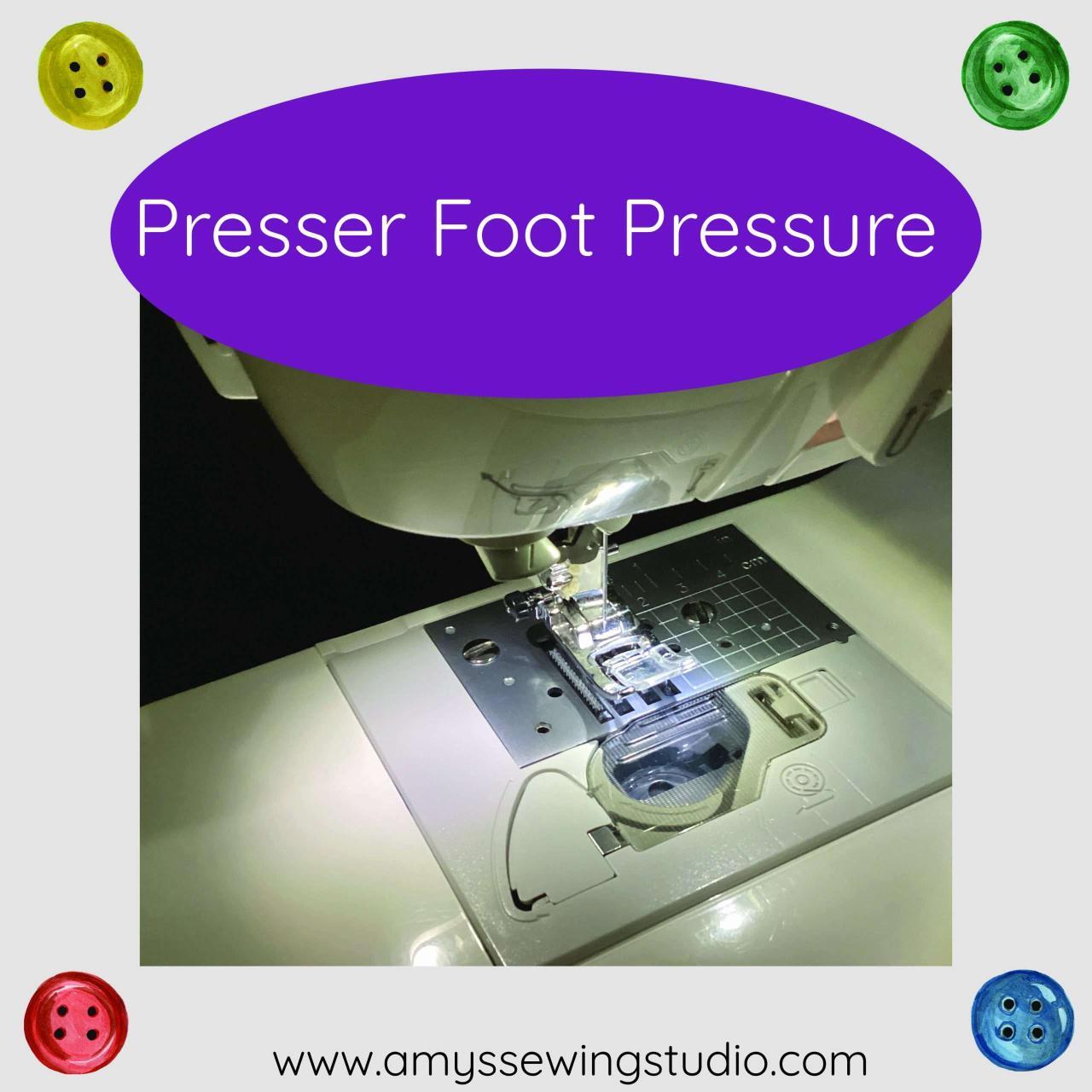
Now that you understand how to identify and operate the presser foot lever, let’s delve into the precise techniques for lowering the presser foot. This seemingly simple action is crucial for achieving consistent stitch quality and preventing damage to your fabric and sewing machine. Mastering this step ensures a smooth and successful sewing experience.The act of lowering the presser foot is a deliberate and controlled motion.
It involves using the presser foot lever to gently bring the foot down onto the fabric. The goal is to achieve an even distribution of pressure across the entire width of the foot, which is essential for feeding the fabric smoothly under the needle.
Guiding the Presser Foot Lever
To lower the presser foot, locate the presser foot lever, typically found on the right side of the needle bar. Gently guide this lever downwards with your finger. As you move the lever, you will feel and see the presser foot descend towards the feed dogs and the fabric. It is important to use a controlled movement rather than a sudden drop.
This allows you to feel the resistance as the foot makes contact with the fabric, giving you an opportunity to adjust if necessary.
Ensuring Even Pressure Distribution
Achieving even pressure is key to preventing skipped stitches, puckering, and uneven seams. The presser foot is designed to apply a consistent downward force. When lowering the foot, ensure it rests flat on the fabric. If you are sewing on multiple layers of fabric or a particularly thick material, you might notice the presser foot tilting slightly. While some minor tilting is normal, significant unevenness can indicate an issue with the fabric thickness or the presser foot alignment.
The presser foot’s primary role is to hold the fabric securely against the feed dogs, allowing for consistent fabric advancement.
Avoiding Fabric Snagging or Damage
To prevent snagging or damaging your fabric, always ensure the needle is in its highest position before lowering the presser foot. Lowering the presser foot with the needle down can cause the needle to snag the fabric, creating a small hole or a pull in the threads. Additionally, be mindful of any loose threads or embellishments on your fabric that could get caught under the presser foot as it descends.
It’s a good practice to clear the area around the presser foot of any obstructions before lowering it.
Impact of Rapid or Forceful Lowering
Lowering the presser foot too quickly or forcefully can have several negative consequences. A sudden drop can jolt the fabric, potentially shifting its position and leading to inaccurate stitching. It can also cause unnecessary stress on the presser foot mechanism and the needle, increasing the risk of bending or breaking the needle. Furthermore, a forceful lowering can create uneven pressure points on the fabric, contributing to puckering and a less professional finish to your seams.
A gentle and controlled descent is always recommended for optimal results.
When to Lower the Presser Foot
Lowering the presser foot is a critical step that signals the machine’s readiness to begin sewing. This action is not merely a mechanical one; it plays a vital role in ensuring consistent stitch quality and guiding your fabric accurately. Understanding the precise moment to lower the presser foot is essential for achieving professional-looking results.The presser foot acts as a stabilizer, holding the fabric firmly against the feed dogs.
This secure grip is paramount for the feed dogs to effectively move the fabric under the needle, allowing for even and consistent stitches. Without the presser foot being properly lowered, the fabric would be free to move erratically, leading to skipped stitches, uneven tension, and a generally poor sewing outcome.
Securing the Fabric for Stitching
The act of lowering the presser foot directly precedes the needle’s descent into the fabric. This timing ensures that the fabric is held in place at the exact starting point of your seam. The pressure exerted by the presser foot prevents any slippage or bunching of the material as the first stitches are formed, establishing a stable foundation for the entire sewing process.
Guiding Fabric Through the Machine
Once lowered, the presser foot exerts a consistent downward pressure on the fabric, working in conjunction with the feed dogs. The feed dogs grip the fabric from below, while the presser foot holds it from above. This coordinated action guides the fabric smoothly and evenly through the sewing machine, ensuring that the stitching line remains straight and consistent with your intended seam allowance.
The presser foot’s design often includes a groove or channel that helps to keep the fabric aligned as it moves.
Ensuring Proper Stitch Formation
For the sewing machine to create a proper stitch, the needle must pass through both layers of fabric (or a single layer) and interlock with the bobbin thread. This requires the fabric to be held taut and stable directly beneath the needle. The presser foot, when fully lowered, provides this necessary stability. If the presser foot is not completely down, the needle may not penetrate the fabric correctly, or the loop of thread may not form properly with the bobbin thread, resulting in skipped stitches or a weak, unraveling seam.
The consistent tension applied by the presser foot is fundamental to the balanced formation of each stitch.
Troubleshooting Common Presser Foot Issues
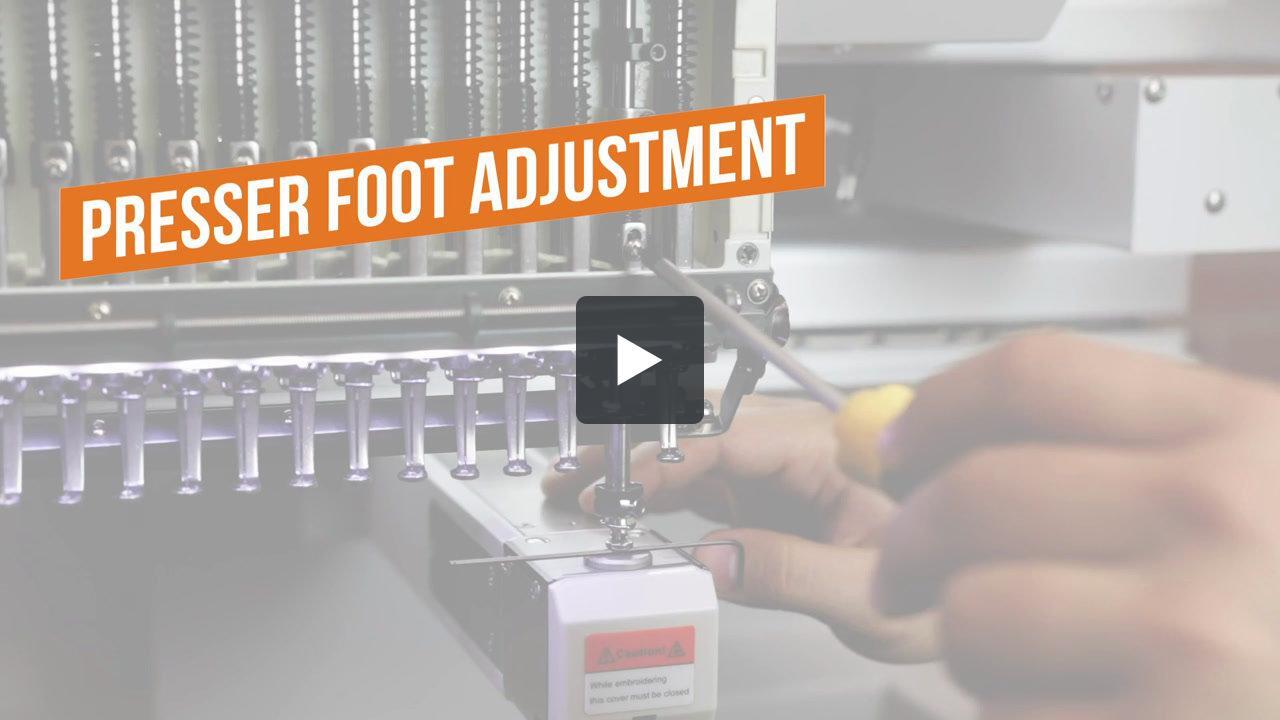
While operating your sewing machine, you might encounter a few challenges related to the presser foot. Understanding these common issues and their solutions will help you maintain a smooth and efficient sewing experience. This section will guide you through identifying and resolving problems such as a stuck presser foot, improper engagement, and uneven pressure application.A well-functioning presser foot is crucial for guiding fabric correctly and ensuring consistent stitches.
When it doesn’t behave as expected, it can lead to frustration and affect the quality of your sewing. Let’s explore the most frequent problems and their remedies.
Presser Foot Stuck or Difficult to Move
A presser foot that is difficult to raise or lower can stem from several causes, often related to debris, lubrication, or mechanical obstructions. Identifying the root cause is the first step toward resolving the issue.Potential causes for a stuck presser foot include:
- Lint and fabric scraps accumulating around the presser foot mechanism, hindering its movement.
- Insufficient or dried-out lubrication in the presser foot assembly, causing friction.
- Bent or damaged presser foot components, such as the needle clamp or the presser bar itself.
- A foreign object lodged within the presser foot mechanism.
- The presser foot lever being misaligned or dislodged from its intended position.
Presser Foot Does Not Engage Properly
When the presser foot doesn’t seem to be holding the fabric down firmly, or it lifts unexpectedly, it can cause skipped stitches or fabric bunching. This indicates a problem with how the presser foot is interacting with the feed dogs and the fabric.Solutions for a presser foot that does not seem to engage properly include:
- Ensuring the presser foot lever is fully lowered. Sometimes, it may appear down but not be completely engaged.
- Checking that the presser foot is correctly attached to the needle clamp. If it’s loose or crooked, it won’t apply even pressure.
- Verifying that the presser foot is the correct type for your sewing machine and the intended sewing task.
- Inspecting the presser foot spring for any signs of damage or weakness. A weakened spring may not provide adequate downward pressure.
- Confirming that the presser foot is aligned directly over the feed dogs. Misalignment can prevent proper fabric feeding.
Presser Foot Applies Uneven Pressure
Uneven pressure from the presser foot can lead to puckering, stretching of certain fabrics, or inconsistent stitch lengths. This issue often arises when the presser foot isn’t sitting parallel to the needle plate or when internal mechanisms are misaligned.Here is a list of troubleshooting steps for a presser foot that applies uneven pressure:
- Inspect the Presser Foot: Carefully examine the bottom of the presser foot for any debris, nicks, or wear that could cause uneven contact with the fabric. Clean it thoroughly.
- Check Presser Foot Alignment: Ensure the presser foot is seated squarely on the needle plate. If it appears tilted, this could be due to a bent needle clamp or issues with the presser bar.
- Verify Presser Bar Level: The presser bar should be parallel to the needle plate. If it appears angled, it may require professional adjustment.
- Examine the Feed Dogs: While not directly part of the presser foot, misaligned or damaged feed dogs can sometimes contribute to the perception of uneven pressure. Ensure they are clean and raised when sewing.
- Test with Different Fabrics: Try sewing with different types of fabric. Some fabrics are more prone to showing the effects of uneven pressure.
- Consult Your Machine Manual: Refer to your sewing machine’s manual for specific instructions on presser foot adjustment or maintenance.
- Seek Professional Service: If these steps do not resolve the issue, it is advisable to take your sewing machine to a qualified technician. There may be internal mechanical problems that require expert attention.
Presser Foot Adjustments and Special Feet
Understanding how to adjust your presser foot and utilize specialized feet can significantly enhance your sewing experience, allowing for greater control and precision across a wider range of fabrics and techniques. This section delves into the practical aspects of presser foot customization and the diverse world of presser foot attachments.
Presser Foot Pressure Adjustment
The pressure exerted by the presser foot on the fabric is crucial for consistent stitch formation and smooth fabric feeding. Adjusting this pressure is essential when working with different fabric weights and types. Most sewing machines have a mechanism to control this pressure, often a dial or a screw located near the needle bar or on the presser foot shank.The purpose of adjusting presser foot pressure is to ensure the fabric is guided evenly under the needle without being stretched or crushed.
For lighter, more delicate fabrics like silk or chiffon, a lower pressure setting is recommended. This prevents the fabric from being distorted or the stitches from puckering. Conversely, heavier fabrics such as denim or canvas require higher pressure to ensure they are held firmly in place, preventing slippage and allowing for a steady feed.
To adjust the presser foot pressure:
- Locate the pressure adjustment dial or screw on your sewing machine. Consult your machine’s manual if you are unsure of its location.
- For lighter fabrics, turn the dial counter-clockwise or adjust the screw to decrease pressure.
- For heavier fabrics, turn the dial clockwise or adjust the screw to increase pressure.
- Always test your adjustment on a scrap piece of the same fabric you intend to sew.
- Observe the fabric feed and stitch quality. If the fabric is bunching or stretching, further adjustments may be needed.
Types of Specialized Presser Feet
Beyond the standard presser foot, a vast array of specialized feet are available to tackle specific sewing tasks and enhance creativity. Each specialized foot is designed with a unique shape and function to simplify complex operations and achieve professional-looking results.These specialized feet can dramatically expand the capabilities of your sewing machine, making tasks that might otherwise be difficult or impossible much more manageable.
They are invaluable tools for both beginner and advanced sewers looking to explore different sewing techniques.Here are some common types of specialized presser feet and their functions:
- Zipper Foot: This foot has a narrow base that can be positioned to the left or right of the needle, allowing you to sew very close to the edge of a zipper. It’s essential for inserting zippers smoothly and neatly.
- Buttonhole Foot: Often a U-shaped or C-shaped foot, it holds the fabric steady while the sewing machine automatically creates a buttonhole of a pre-determined length. Some models are designed for specific buttonhole styles.
- Overcasting Foot (or Rolled Hem Foot): This foot has a small guide that helps to neatly fold and stitch the edge of fabric, creating a clean, finished hem. It’s particularly useful for lightweight fabrics and preventing fraying.
- Blind Hem Foot: Designed to create nearly invisible hems on garments. It guides the fabric so that the needle stitches only catch a small portion of the fabric’s folded edge, making the stitches inconspicuous on the right side.
- Gathering Foot: This foot simultaneously stitches and gathers fabric. It allows you to easily create ruffles or gather fabric onto a flat piece in one step, saving significant time.
- Appliqué Foot: Features a wide groove on the underside to guide decorative stitches, such as satin stitch or blanket stitch, smoothly over appliqué shapes without snagging.
- Pintuck Foot: This foot has raised ridges on the underside that create evenly spaced, parallel tucks in the fabric as you sew. It’s used for decorative effects on lightweight to medium-weight fabrics.
- Walking Foot: Discussed in more detail below, this foot has an integrated set of feed dogs that work in conjunction with the machine’s lower feed dogs to provide a more even feed of multiple fabric layers.
Attaching and Detaching Presser Feet
The process of changing presser feet is generally straightforward and designed for quick interchangeability. Familiarizing yourself with this process will allow you to seamlessly switch between feet as your sewing project demands.Most modern sewing machines utilize a quick-release or snap-on system for attaching and detaching presser feet. This system eliminates the need for screwdrivers, making the process efficient and user-friendly.
Always ensure the machine is unplugged or turned off before attempting to change a presser foot to prevent accidental needle movement.To attach and detach presser feet:
- Detach: Lower the presser foot lifter to bring the presser foot down. Locate the presser foot shank, which is the part that attaches to the presser foot bar. There is typically a small screw or a release lever at the back of the shank. For screw-based systems, loosen the screw to detach the foot. For snap-on systems, press the release lever or button, and the foot will detach.
- Attach: Position the new presser foot so that its shank aligns with the presser foot bar. For snap-on feet, bring the shank over the bar and press down until it clicks into place. For screw-based systems, place the foot and tighten the screw securely.
- Test: Raise and lower the presser foot lifter to ensure the new foot is securely attached and moves freely.
Standard Presser Foot Versus Walking Foot Functionality
The standard presser foot is the workhorse of most sewing machines, designed to hold fabric flat against the feed dogs for basic sewing. However, when dealing with multiple layers of fabric, slippery materials, or bulky projects, a walking foot offers superior performance.The key difference lies in how they feed the fabric. The standard presser foot relies solely on the machine’s lower feed dogs to move the fabric.
A walking foot, on the other hand, has its own set of “walking” feed dogs on its underside that work in unison with the machine’s lower feed dogs.
| Feature | Standard Presser Foot | Walking Foot |
|---|---|---|
| Fabric Feeding | Relies on lower feed dogs only. Can lead to shifting or stretching with multiple layers. | Uses upper and lower feed dogs for synchronized feeding, ensuring even movement of all fabric layers. |
| Best For | Single layers of fabric, general sewing. | Quilting, sewing multiple layers of fabric, slippery materials (like satin or vinyl), and bulky fabrics (like denim or fleece). |
| Result | Can sometimes result in puckering or uneven seams with challenging fabrics. | Provides exceptionally smooth and even seams, preventing shifting and ensuring a professional finish. |
Using a walking foot is particularly beneficial for quilting, where keeping the layers of the quilt top, batting, and backing aligned is critical. It also excels when sewing long seams on garments made from difficult-to-handle fabrics, ensuring a consistent and professional outcome.
Visualizing Presser Foot Operation
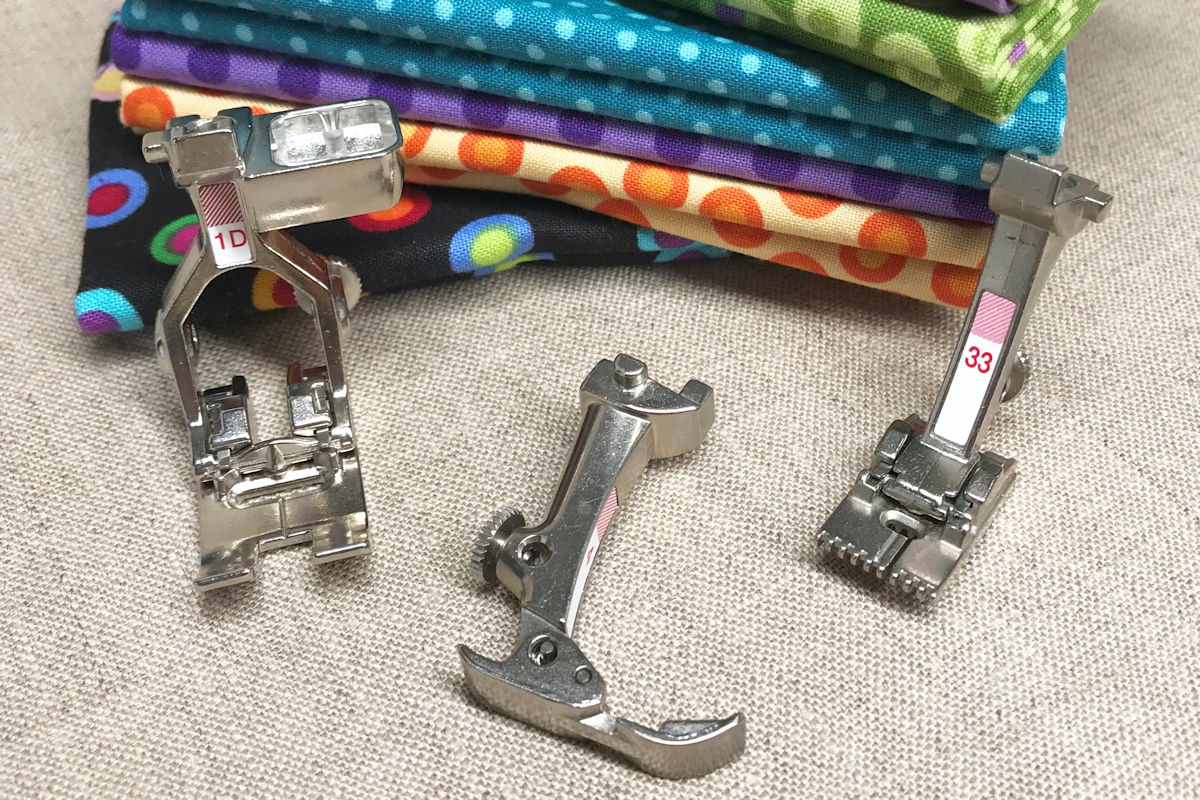
Understanding how the presser foot moves and functions is key to achieving consistent and professional sewing results. Observing its operation allows for a deeper appreciation of its role in guiding fabric and ensuring smooth stitching. This section will guide you through visualizing this crucial sewing machine component in action.The presser foot lever, when lifted, disengages the presser foot, allowing you to easily insert or remove fabric.
As the lever is lowered, the presser foot descends, applying gentle but firm pressure onto the fabric, holding it securely against the feed dogs. This controlled tension is essential for the feed dogs to grip and advance the fabric evenly under the needle, preventing slippage and puckering.
Presser Foot Fabric Holding Mechanism
The presser foot acts as a crucial stabilizer during the sewing process. Its primary function is to maintain consistent contact with the fabric, ensuring it remains flat and is fed smoothly through the machine. This steady hold prevents the fabric from shifting or bunching up, which is particularly important when working with delicate, slippery, or thick materials. The even pressure applied by the presser foot, in conjunction with the feed dogs, guarantees that each stitch is placed accurately and uniformly.
Visual Cues for Correct Presser Foot Positioning
Ensuring the presser foot is correctly positioned is vital for successful sewing. Several visual cues indicate proper placement. Firstly, the presser foot should be resting evenly on the fabric, not tilted or catching on any part of the machine. The fabric should lie flat and unobstructed beneath the foot. When the needle is lowered, it should pass through the fabric without encountering the presser foot itself.
A slight, consistent tension should be felt when gently tugging the fabric backward while the presser foot is down.
Observing Presser Foot Raising and Lowering
To visualize the operation, imagine a demonstration.
- Begin with the presser foot in its lowered position, holding the fabric.
- Grasp the presser foot lever, typically located at the back or side of the sewing machine arm.
- Slowly lift the lever upwards. You will see the presser foot rise smoothly, creating space between its sole and the needle plate. This is the “raised” position.
- Gently slide your fabric out from under the raised presser foot.
- To lower the foot, carefully guide the fabric back into position under the presser foot.
- Once the fabric is in place, grasp the presser foot lever again and lower it deliberately. The presser foot will descend, applying its gentle pressure onto the fabric, ready for sewing.
Ending Remarks
In conclusion, the seemingly simple act of raising and lowering the presser foot is a cornerstone of successful sewing. By internalizing the techniques and understanding the ‘why’ behind each step, you gain a greater command over your sewing machine and, consequently, your fabric. This knowledge empowers you to tackle a wider range of projects with confidence, ensuring that each stitch is placed with intention and precision, leading to the creation of garments and projects you can be truly proud of.