Embarking on the creative journey of appliqué allows you to transform plain fabrics into vibrant works of art. This technique, a beloved staple in the crafting world, offers a unique way to add dimension, texture, and visual interest to a wide array of projects. From simple embellishments to intricate storytelling through fabric, understanding the nuances of appliqué can unlock a new level of creative expression.
This comprehensive guide will walk you through the essential steps, from grasping the foundational principles and selecting the perfect materials to mastering various stitching techniques and refining your finished pieces. We will explore the diverse methods available, ensuring you have the knowledge to tackle any appliqué endeavor with confidence and flair.
Understanding the Basics of Appliqué
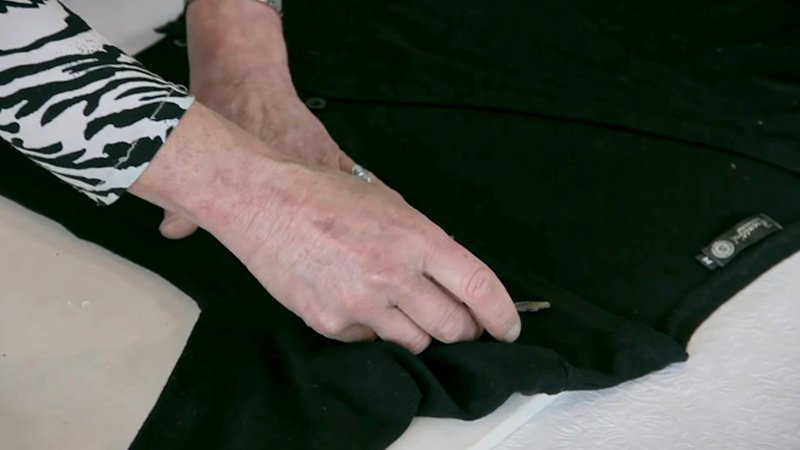
Appliqué is a decorative sewing technique that involves attaching smaller pieces of fabric to a larger background fabric to create a design or pattern. This method allows for the introduction of color, texture, and dimension, transforming a simple piece of cloth into a work of art. It is a versatile technique used in various textile arts, from quilting and garment embellishment to home décor.
The beauty of appliqué lies in its ability to combine different fabrics, colors, and shapes to tell a story or express a visual concept.The fundamental concept of appliqué is the layering of fabric. A design is cut from one fabric and then secured to another, typically with stitching. This can be done by hand or machine, and the method of securing the appliqué piece significantly influences the final aesthetic and durability of the project.
The careful selection of fabrics and precise execution of stitching are key to achieving a professional and appealing result.
Types of Appliqué Techniques
There are several established methods for applying fabric pieces, each offering a distinct look and requiring specific preparation. Understanding these techniques will help you choose the best approach for your project based on your desired outcome and skill level.
Raw-Edge Appliqué
This is often considered the simplest and quickest appliqué technique. In raw-edge appliqué, the edges of the appliqué fabric are left unfinished. The fabric pieces are cut to the desired shape and then stitched directly onto the background fabric. As the project is used or washed, the raw edges may fray slightly, creating a soft, textured, and often rustic appearance.
This technique is popular for its speed and the charmingly imperfect look it can achieve, making it ideal for casual projects or when a vintage feel is desired.
Turned-Edge Appliqué
Turned-edge appliqué results in a cleaner, more defined edge compared to raw-edge appliqué. In this method, the raw edges of the appliqué fabric are turned under by a small amount (typically 1/8 to 1/4 inch) before being attached to the background fabric. This creates a neat, finished edge that is then secured with stitching, either by hand (using a blind stitch or whipstitch) or by machine (using a satin stitch or straight stitch close to the folded edge).
This technique is favored for its polished look and is commonly used in more formal quilts and garments.
Fused Appliqué
Fused appliqué utilizes a fusible web or adhesive backing to temporarily or permanently attach the appliqué pieces to the background fabric. The fusible material is ironed onto the wrong side of the appliqué fabric, and then the paper backing is removed. The appliqué piece is then positioned on the background fabric and ironed in place. Once adhered, the edges are typically secured with decorative stitching, such as a satin stitch or a zigzag stitch, to prevent fraying and add a finished look.
Fused appliqué is an excellent option for beginners as it eliminates the need for precise pinning and holding, and it can be very effective for intricate shapes.
Essential Tools and Materials for Appliqué
Successfully executing an appliqué project relies on having the right tools and materials. Having these items readily available will ensure a smoother and more enjoyable crafting experience, leading to better results.A well-equipped toolkit is crucial for both hand and machine appliqué. The quality of your tools can directly impact the precision and ease with which you can work, especially when dealing with small pieces and intricate designs.
Tools:
- Fabric Scissors: Sharp, high-quality scissors are essential for precise cutting of both appliqué shapes and background fabric. A small, sharp pair is particularly useful for detailed cuts.
- Rotary Cutter and Mat: For straight lines and larger shapes, a rotary cutter and self-healing mat provide speed and accuracy.
- Thread: All-purpose polyester or cotton thread is suitable for most appliqué projects. Matching thread to the appliqué fabric or the background fabric is a common choice, while contrasting thread can be used for decorative effect.
- Needles: For hand appliqué, sharp, fine hand-sewing needles are recommended. For machine appliqué, a universal machine needle or a specialized appliqué needle (which often has a larger eye) is appropriate.
- Pins: Fine, sharp pins are needed to hold appliqué pieces in place. Specialty appliqué pins, which are very thin and have small heads, are also available.
- Iron and Ironing Board: Essential for pressing seams, fusing appliqué pieces, and achieving crisp edges.
- Marking Tools: Fabric pencils, chalk, or water-soluble markers are used to trace designs onto the appliqué fabric or transfer patterns.
- Seam Ripper: A necessary tool for correcting any mistakes.
- Thimble: For hand appliqué, a thimble can protect your finger and help push the needle through the fabric.
Materials:
- Appliqué Fabric: This is the fabric that will form the design elements.
- Background Fabric: The larger piece of fabric onto which the appliqué designs are attached.
- Fusible Web (optional): Used in fused appliqué to adhere fabric pieces. Brands like Heat ‘n Bond or Wonder Under are popular.
- Stabilizer (optional): A lightweight stabilizer can be used under the background fabric to prevent stretching or puckering, especially with machine embroidery or dense stitching.
Fabric Selection for Appliqué Projects
The choice of fabric is a critical element in the success and aesthetic appeal of any appliqué project. Different fabric types behave differently during the application process and contribute uniquely to the final texture, drape, and visual impact of the design.The interaction between the appliqué fabric and the background fabric is paramount. Consider how the fabrics will look and feel together, as well as their suitability for the intended use of the finished item.
- Cotton: Quilting cottons are a popular choice for appliqué due to their stability, ease of handling, and wide availability in countless colors and prints. They press well and hold stitches cleanly, making them suitable for all types of appliqué.
- Linen: Linen offers a slightly more textured and rustic feel. It can be beautiful for appliqué but may require more careful handling as it can fray more easily than cotton.
- Silk: Silk fabrics, such as dupioni or charmeuse, can add a luxurious sheen and drape to appliqué projects. However, they are more slippery and delicate, requiring more precise stitching and handling.
- Wool: Felted wool is a fantastic choice for appliqué, especially for children’s items or projects where a soft, dimensional look is desired. It does not fray and is easy to cut and stitch.
- Denim: Sturdy denim can be used for a more robust and casual appliqué effect, often seen in bags or jackets.
When selecting fabrics, it is also important to consider their weight and weave. Lighter weight fabrics are generally easier to work with for smaller appliqué pieces, while heavier fabrics might be better suited for larger designs or when durability is a key concern. Ensure that the chosen fabrics are pre-washed to prevent shrinkage and color bleeding after the project is completed.
Preparing Your Fabric and Design
Before you can bring your beautiful appliqué design to life, careful preparation of both your fabric and the design itself is essential. This foundational step ensures a smooth and successful appliqué process, leading to professional-looking results. We will cover the crucial stages of transferring your design, preparing the appliqué pieces, and ensuring clean edges, all beginning with proper fabric preparation.
Fabric Pre-Washing and Preparation
Pre-washing your fabrics is a critical step that prevents shrinkage and color bleeding after your project is completed. It mimics the conditions your finished piece might encounter during washing and wear. This ensures that your appliqué remains stable and maintains its intended shape and appearance over time.
- Gather your materials: You will need your main fabric (background), your appliqué fabrics, and a mild detergent.
- Wash and dry: Wash all fabrics intended for your project in the same manner you plan to wash the finished item. Use a gentle cycle and a mild detergent. Avoid fabric softeners, as they can affect the fabric’s ability to absorb adhesives or stitches.
- Iron: Once completely dry, press all fabrics thoroughly with a hot iron. This removes wrinkles and ensures a smooth surface for design transfer and cutting.
Design Transfer Methods
Accurately transferring your chosen design onto the background fabric is key to precise appliqué placement. Several methods can be employed, each suited to different fabric types and design complexities.
- Tracing: For lighter fabrics, a light box or a sunny window can be used to trace the design directly onto the fabric using a fabric marker or pencil. This is ideal for intricate designs.
- Template Method: Print or draw your design onto paper or a stabilizer. Cut out the appliqué shapes from the paper/stabilizer and trace around them onto the wrong side of your appliqué fabric.
- Fusible Web Transfer: Trace your design onto the paper side of fusible web. Cut out the shapes roughly, leaving a small border. Fuse these shapes to the wrong side of your appliqué fabric. Then, precisely cut along the traced lines.
- Freehand Drawing: For simpler shapes or if you have a steady hand, you can draw directly onto the fabric using a fabric marker or tailor’s chalk.
Appliqué Piece Preparation: Cutting and Stabilizing
Once your design is transferred and you’ve chosen your appliqué fabrics, the next step is to prepare these pieces for application. This involves precise cutting and, often, stabilizing to prevent fraying and create crisp edges.
Cutting Techniques
The method of cutting depends on the appliqué style you are aiming for. For classic appliqué, precise cutting is paramount. For fusible appliqué, a slightly different approach is taken.
- Traditional Appliqué: Cut out your appliqué shapes exactly along your traced lines. Ensure clean, smooth cuts for a neat finish.
- Fusible Appliqué: After fusing the fusible web to the appliqué fabric, cut precisely along the design lines. The fusible web acts as a stabilizer, creating a clean edge.
Stabilizing Appliqué Pieces
Stabilizing your appliqué pieces is crucial for preventing stretching and fraying, especially with delicate fabrics or intricate shapes. This step ensures that your appliqué maintains its integrity during the sewing process and beyond.
- Fusible Interfacing/Web: As mentioned, fusible web is a popular choice. It fuses to the back of the appliqué fabric, providing stability and a clean edge. Different weights of fusible web are available, offering varying degrees of stiffness.
- Stitch-and-Tear Stabilizers: These tear-away stabilizers can be fused or temporarily basted to the back of the appliqué fabric. After the appliqué is sewn, the excess stabilizer is carefully torn away. This is excellent for preventing stretching of thin or stretchy fabrics.
- Tear-Away Stabilizers: Similar to stitch-and-tear, these are used behind the appliqué and background fabric during stitching, then torn away. They are particularly useful for machine appliqué to provide support to the background fabric as well.
Creating Clean Edges for Different Appliqué Styles
The appearance of your appliqué’s edges significantly impacts the overall aesthetic of your project. Different techniques are employed to achieve specific looks, from perfectly smooth lines to more textured finishes.
- Raw Edge Appliqué: In this style, the edges of the appliqué fabric are intentionally left raw and exposed. This creates a more casual, modern, or rustic look. The fabric edges may fray slightly over time, adding to the charm.
- Turned-Under Edge Appliqué: This is characteristic of traditional needle-turn appliqué. The raw edge of the appliqué fabric is carefully turned under and pressed before being stitched down. This results in a very neat and precise edge, often with a slightly raised profile. This method requires patience and precision.
- Satin Stitch or Machine Blanket Stitch Edges: When using machine appliqué, the raw or slightly turned edge is often encased by a dense decorative stitch, such as a satin stitch or a blanket stitch. This provides a very clean, finished look and secures the edges effectively. The stitch width and density can be adjusted to achieve different visual effects.
- Using Fusible Web for Clean Edges: As previously discussed, the use of fusible web allows for the creation of very clean edges. The fabric is cut precisely along the design line after fusing the web, and the web itself acts as a sealant, preventing fraying.
Executing the Appliqué Stitching
With your design prepared and fabric ready, the next crucial step is to securely attach the appliqué pieces to your base fabric. This is achieved through various stitching techniques, each offering distinct aesthetic and functional qualities. The choice of stitch will significantly influence the final look and durability of your appliqué.This section will guide you through the most common and effective stitching methods, highlighting their differences and providing practical tips for achieving professional-looking results, even on challenging design elements.
Stitching Methods for Securing Appliqué
Several stitching methods are commonly employed to affix appliqué pieces. Each method provides a different visual outcome and level of durability. Understanding these differences will help you select the most appropriate stitch for your specific project.
- Straight Stitch: This is the simplest and most common stitch. It involves a single line of stitches that follows the edge of the appliqué piece. It’s quick to execute and provides a clean, minimalist look. It is best suited for appliqué pieces with relatively straight edges or for a more contemporary aesthetic.
- Satin Stitch (or Machine Blanket Stitch): This stitch creates a dense, solid line of stitches that completely covers the raw edge of the appliqué. It results in a smooth, satin-like finish and is excellent for both decorative purposes and for preventing fraying. Satin stitch is ideal for curved edges and small, intricate details where a clean, finished edge is desired.
- Zigzag Stitch: A zigzag stitch offers a balance between the simplicity of a straight stitch and the edge-covering capability of a satin stitch. It can be adjusted in width and length to achieve different looks, from a narrow, decorative edge to a wider, more secure binding. A narrow zigzag is often used on appliqué to provide a secure edge that also adds a subtle decorative element, suitable for a variety of fabric types and design complexities.
Comparing Stitching Methods
The choice between straight stitch, satin stitch, and zigzag stitch for appliqué depends on the desired aesthetic, the type of fabric used, and the intended use of the finished item. Each stitch offers unique advantages and considerations.
| Stitch Type | Visual Appearance | Functionality | Best For |
|---|---|---|---|
| Straight Stitch | A single line of stitches following the edge. Clean, minimalist. | Secures the edge, but raw edges may fray over time if not treated. | Straight edges, modern designs, quick appliqué. |
| Satin Stitch | Dense, solid stitches covering the raw edge. Smooth, luxurious finish. | Excellent for edge finishing, prevents fraying, very durable. | Curved edges, intricate details, decorative borders, small pieces. |
| Zigzag Stitch | Interlocking stitches along the edge. Can be adjusted for width and density. | Secures the edge well, prevents fraying, adds a decorative touch. | A good all-around stitch for various edge types, stable fabrics, and designs requiring some decorative flair. |
Achieving Even and Consistent Stitch Tension
Consistent stitch tension is paramount for a professional and durable appliqué. Too loose, and the stitches may pull or snag; too tight, and they can pucker the fabric or break. Several factors contribute to achieving this balance.It is important to ensure your sewing machine is properly threaded and that the bobbin tension is correctly set. Experimenting on scrap fabric before working on your actual project is highly recommended.
- Machine Settings: Adjust your machine’s tension dial. Start with the recommended setting for your thread and fabric type, and then make small adjustments as needed.
- Thread Choice: Use good quality thread that is appropriate for your fabric. Heavier threads might require different tension settings than finer threads.
- Needle Selection: Ensure you are using the correct needle size and type for your fabric. A dull or incorrect needle can lead to skipped stitches or fabric damage, affecting tension.
- Fabric Stabilization: For very lightweight or stretchy fabrics, consider using a temporary stabilizer. This can help prevent puckering and maintain even tension.
- Test Stitches: Always perform a test stitch on a scrap piece of the same fabric layers you will be sewing. Examine the stitches on both the top and bottom of the fabric to ensure they are balanced.
Handling Curves and Intricate Design Elements
Stitching around curves and navigating intricate details requires patience and a slightly different approach than stitching straight lines. The goal is to maintain a consistent stitch line and avoid distorting the fabric or the appliqué piece.For smooth curves, it is often beneficial to slow down your sewing speed significantly. Small, controlled movements are key.
- Curves:
- For machine stitching, lift the presser foot and pivot the fabric frequently. Small, incremental turns of the fabric as you stitch will allow the needle to follow the curve smoothly.
- For hand stitching, use a running stitch or a small blanket stitch. Guide the fabric gently with your free hand, allowing the needle to follow the curve naturally.
- When using a zigzag stitch on curves, a narrower stitch width and shorter stitch length can help the machine navigate the turn more easily.
- Intricate Design Elements:
- For sharp corners or very small details, consider stopping with the needle down in the fabric at the corner. Lift the presser foot, pivot the fabric to the next stitching direction, and then continue stitching.
- For extremely fine details or points, a single straight stitch might be sufficient to secure the tip.
- When using satin stitch on points or sharp angles, stitch towards the point and then change direction to stitch away from it, creating a neat, defined corner.
“Patience and precision are the stitcher’s greatest allies when working with complex appliqué shapes.”
Advanced Appliqué Techniques and Tips
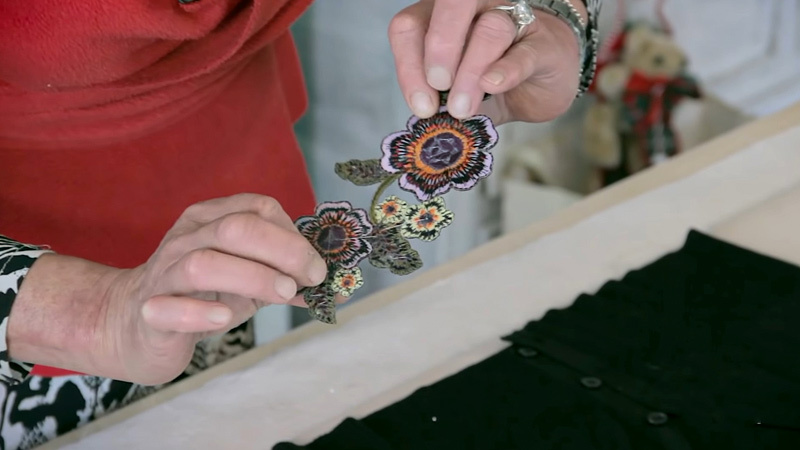
Now that you have a solid understanding of the basics and have prepared your fabric and design, it’s time to elevate your appliqué skills. This section will explore creative methods to add depth and visual interest to your projects, tackle more intricate designs through layering, and provide solutions for common appliqué hurdles. We’ll also guide you through a sample project workflow to solidify your learning.
Adding Texture and Dimension
To make your appliqué designs truly stand out, consider incorporating elements that create tactile and visual depth. These techniques move beyond flat fabric application, inviting a more engaging and artistic approach to your creations.
- Puff or Lofted Appliqué: This technique involves placing a layer of batting or a soft filling material between the background fabric and the appliqué piece. This creates a raised, three-dimensional effect, similar to quilting. For instance, imagine a fluffy cloud appliqué where a small piece of polyester batting is sandwiched before stitching, giving it a soft, cloud-like appearance.
- Threadwork and Embroidery: Once your appliqué pieces are secured, you can enhance them with decorative stitching. This can include outlining the appliqué shapes with a contrasting thread for definition, adding internal stitching to create patterns within the appliqué piece (like veins on a leaf), or using free-motion embroidery to add intricate details and textures. Consider using variegated threads for a subtle color shift within your stitching.
- Layered Textures: Combine different fabric textures within your appliqué. For example, a smooth silk appliqué piece could be layered over a rougher burlap background, or a fuzzy chenille appliqué could be placed atop a crisp cotton. This contrast in texture adds a rich, tactile dimension to the overall design.
- Dimensional Embellishments: Small beads, sequins, or even tiny fabric flowers can be carefully hand-stitched onto or around your appliqué pieces to add sparkle, shine, or further detail. For a whimsical fairy design, a few tiny seed beads could represent dew drops on a petal.
Layering Multiple Appliqué Pieces for Complex Designs
Creating complex appliqué designs often involves building them up in layers, much like a painter builds up a canvas. This method allows for intricate details, shading, and a sense of depth.
The key to successful layering is to work from the background elements forward. This ensures that each subsequent layer is visible and that the overall design is cohesive. Careful placement and secure stitching are paramount to prevent shifting and ensure a professional finish.
- Start with the Base Layer: Identify the elements that will be furthest back in your design. These are typically larger shapes or background elements. Position and appliqué these first onto your main fabric.
- Build Upwards: Gradually add subsequent layers, working towards the front of the design. Each new piece should be smaller or overlap the previous layer in a logical way to create depth and perspective. For a landscape scene, you might appliqué a distant mountain range first, then a middle ground of trees, and finally foreground elements like flowers or animals.
- Consider Overlap and Seam Allowances: When layering, ensure that the edges of your appliqué pieces are either tucked under the next layer or are neatly finished to prevent fraying. Think about how the edges will meet and interact.
- Secure Each Layer: After positioning each new appliqué piece, secure it with a stitch before adding the next layer. This prevents the underlying pieces from shifting during the process.
- Detailing and Finishing: Once all major layers are in place, use threadwork and embellishments to add fine details and unify the design.
Troubleshooting Common Appliqué Challenges
Even with careful preparation, appliqué can sometimes present challenges. Understanding common issues and their solutions will help you maintain a smooth and enjoyable crafting process.
It’s important to address these issues promptly to avoid them becoming more difficult to rectify later in the project. Often, a small adjustment in technique or a slight modification to your approach can resolve these common problems.
Puckering
Puckering occurs when the fabric bunches up, creating an uneven surface. This can happen due to tension issues, the type of stitch used, or inadequate stabilization.
- Check Thread Tension: Ensure your sewing machine’s top and bobbin thread tension are balanced. Incorrect tension is a primary cause of puckering.
- Use the Correct Needle and Thread: A sharp, fine needle and good quality thread appropriate for your fabric will help prevent snagging and tearing, which can lead to puckering.
- Stabilize the Fabric: For lighter or stretchier fabrics, consider using a temporary stabilizer on the back of your background fabric. This can be a wash-away stabilizer or a lightweight tear-away stabilizer.
- Sew Slowly and Evenly: Avoid rushing. Stitch at a consistent speed, guiding the fabric gently rather than pushing or pulling it.
- Pressing: After stitching, a gentle press with a steam iron can often help relax the fabric and reduce minor puckering.
Fraying
Fraying occurs when the edges of your appliqué fabric unravel. This can be frustrating, especially with loosely woven fabrics.
- Pre-treat Edges: Before cutting out your appliqué shapes, you can lightly fuse a lightweight fusible interfacing to the wrong side of the appliqué fabric. This helps to stabilize the edges and reduce fraying.
- Use a Tightly Woven Fabric: Whenever possible, choose appliqué fabrics that are less prone to fraying. Cotton, linen blends, and some synthetic blends tend to hold their edges better than loosely woven wool or linen.
- Edge Finishing Techniques: If fraying is still a concern, consider using an appliqué stitch that encloses the raw edge, such as a satin stitch or a blanket stitch. Alternatively, you can use pinking shears to cut your appliqué shapes, which creates a zig-zag edge that resists fraying.
- Seam Sealant: For very small or delicate appliqué pieces where fraying is a significant issue, a small amount of clear fabric seam sealant applied sparingly to the raw edge can prevent further unraveling.
Sample Project Workflow for a Beginner Appliqué Enthusiast
To help you put these techniques into practice, here is a simplified workflow for a beginner-friendly project, such as creating a simple floral motif on a tote bag.
This workflow breaks down the process into manageable steps, allowing you to build confidence and experience with each stage of appliqué.
- Project Selection: Choose a simple design. For a beginner, a single flower with a few leaves is ideal. Select a plain tote bag as your background fabric.
- Fabric and Design Preparation:
- Design: Draw or print a simple flower and leaf design.
- Fabric: Choose cotton fabrics in complementary colors for the flower petals, center, and leaves.
- Transfer: Trace your design onto the fusible web. Cut out the appliqué shapes, leaving a small border of paper around the tracing.
- Fuse: Following the fusible web manufacturer’s instructions, iron the fusible web (paper side up) onto the wrong side of your chosen fabric. Once cooled, peel off the paper backing.
- Placement and Initial Stitching:
- Positioning: Arrange the flower petals, center, and leaves onto the tote bag, visualizing the final design.
- Securing: Lightly press the pieces in place with your iron to temporarily hold them.
- Stitching: Using a straight stitch or a narrow zigzag stitch, appliqué the edges of each piece to the tote bag. Start with the background elements (leaves) and work towards the foreground (petals and center).
- Adding Simple Texture (Optional):
- Thread Detail: With a contrasting thread, you could add a few straight stitches from the center of the flower outwards to suggest stamens, or a few curved stitches on the leaves to suggest veins.
- Finishing Touches:
- Pressing: Give the entire design a final press with your iron.
- Washing: If using a washable fusible web, follow the product instructions for washing.
Finishing and Caring for Appliqué Projects
Once your beautiful appliqué design is stitched in place, the final steps involve ensuring a neat finish and proper care to keep your creation looking its best for years to come. This section will guide you through the techniques for achieving professional-looking edges, maintaining your appliqué through washing, pressing it correctly, and exploring ways to integrate your newfound skills into various sewing projects.
Neatly Finishing Appliqué Edges
The way you finish the edges of your appliqué pieces significantly impacts the overall aesthetic and durability of your project. Several methods can be employed, each offering a slightly different look and feel.
- Turned-Under Edges: This classic technique involves pressing the raw edge of the appliqué fabric under by approximately 1/4 inch before stitching it down. This creates a clean, finished edge that won’t fray. It’s particularly effective for simpler shapes and when a very neat, almost “fused” look is desired.
- Raw Edges with Fray Check: For a more modern, rustic, or bohemian look, you can leave the edges raw. To prevent excessive fraying, apply a liquid fray-stopping product like Fray Check along the raw edge after stitching. This creates a subtle seal that minimizes unraveling while maintaining a softer, more textured appearance.
- Serged Edges: If you have a serger, you can use it to create a decorative or plain stitch along the raw edge of the appliqué piece before attaching it. A narrow, rolled hem stitch on a serger can provide a very delicate and finished edge.
- Bias Tape or Piped Edges: For a more structured and decorative finish, consider encasing the appliqué edges with bias tape. This can be applied either to the front or the back of the appliqué, offering a bold contrast or a subtle framing effect. Piping can also be incorporated for a raised, dimensional border.
Washing and Maintaining Appliqué Items
Proper care is essential to preserve the vibrancy of your appliqué fabrics and the integrity of your stitches. Following these best practices will ensure your creations remain beautiful.
- Gentle Washing: For most appliqué items, hand washing in cool or lukewarm water with a mild detergent is the safest option. Avoid harsh scrubbing or wringing, which can distort the stitches and fabric. If machine washing is necessary, use a delicate cycle with cold water and place the item in a mesh laundry bag to protect it.
- Colorfastness Check: Before washing, especially if you’ve used a variety of fabrics, it’s wise to test for colorfastness. Dampen a small, inconspicuous area of each fabric with water and press it with a white cloth. If color transfers to the cloth, the fabric may bleed, and you should wash the item separately or with similar colors.
- Drying Methods: Air drying is highly recommended for appliqué projects. Lay the item flat on a clean towel or a drying rack, reshaping it gently as needed. Avoid direct sunlight, which can fade colors over time. Tumble drying on a low heat setting with dryer balls can be used for some items, but always err on the side of caution.
- Stain Removal: Address stains promptly. For most fabric stains, a gentle spot treatment with a stain remover designed for delicate fabrics can be effective. Always test the stain remover on an inconspicuous area first.
Pressing and Ironing Appliqué Work
Ironing appliqué requires a careful approach to avoid damaging the stitches, fabric, or any fusible interfacing used. The goal is to achieve a smooth finish without flattening the appliqué’s texture or melting synthetic threads.
- Use a Pressing Cloth: Always place a clean pressing cloth (such as a piece of cotton muslin or a specialized pressing mat) between your iron and the appliqué. This protects the stitches and fabric from direct heat and prevents any accidental melting of fusible materials.
- Iron from the Back: Whenever possible, iron your appliqué from the wrong side of the fabric. This helps to push the stitches and fabric flat rather than pressing them down. For intricate designs, you may need to carefully iron around raised areas from the front, using the pressing cloth.
- Appropriate Heat Settings: Use the lowest effective heat setting for your iron. Start with a lower temperature and gradually increase it if needed, testing on a scrap piece of fabric first. Synthetic threads and delicate fabrics can melt or scorch easily.
- Avoid Steam (Sometimes): While steam can be helpful for pressing some fabrics, it can sometimes cause certain appliqué materials or threads to pucker or shrink unevenly. Test the effect of steam on a scrap before using it on your project.
- Press, Don’t Slide: Instead of sliding the iron back and forth, use a “pressing” motion – lift and place the iron down. This minimizes the risk of stretching or distorting the appliqué design.
Incorporating Appliqué into Various Craft and Sewing Projects
Appliqué is a versatile technique that can add personality, texture, and visual interest to a wide array of sewing and craft projects. Its adaptability makes it a valuable skill for any creative individual.
- Quilting: Appliqué is a cornerstone of traditional and modern quilting. It’s used to create intricate pictorial designs, floral motifs, and geometric patterns within quilt blocks or as entire quilt tops.
- Home Decor: Enhance cushions, curtains, tablecloths, and wall hangings with appliqué designs. A simple motif can transform a plain item into a personalized statement piece.
- Apparel: Personalize clothing items like t-shirts, jackets, dresses, and bags with appliqué. This is a fantastic way to mend or embellish garments, giving them a unique flair.
- Children’s Items: Appliqué is perfect for decorating baby blankets, bibs, and children’s clothing, adding fun and colorful imagery.
- Craft Projects: Beyond traditional sewing, appliqué can be used on fabric art, bookmarks, journal covers, and even mixed-media art.
Outcome Summary
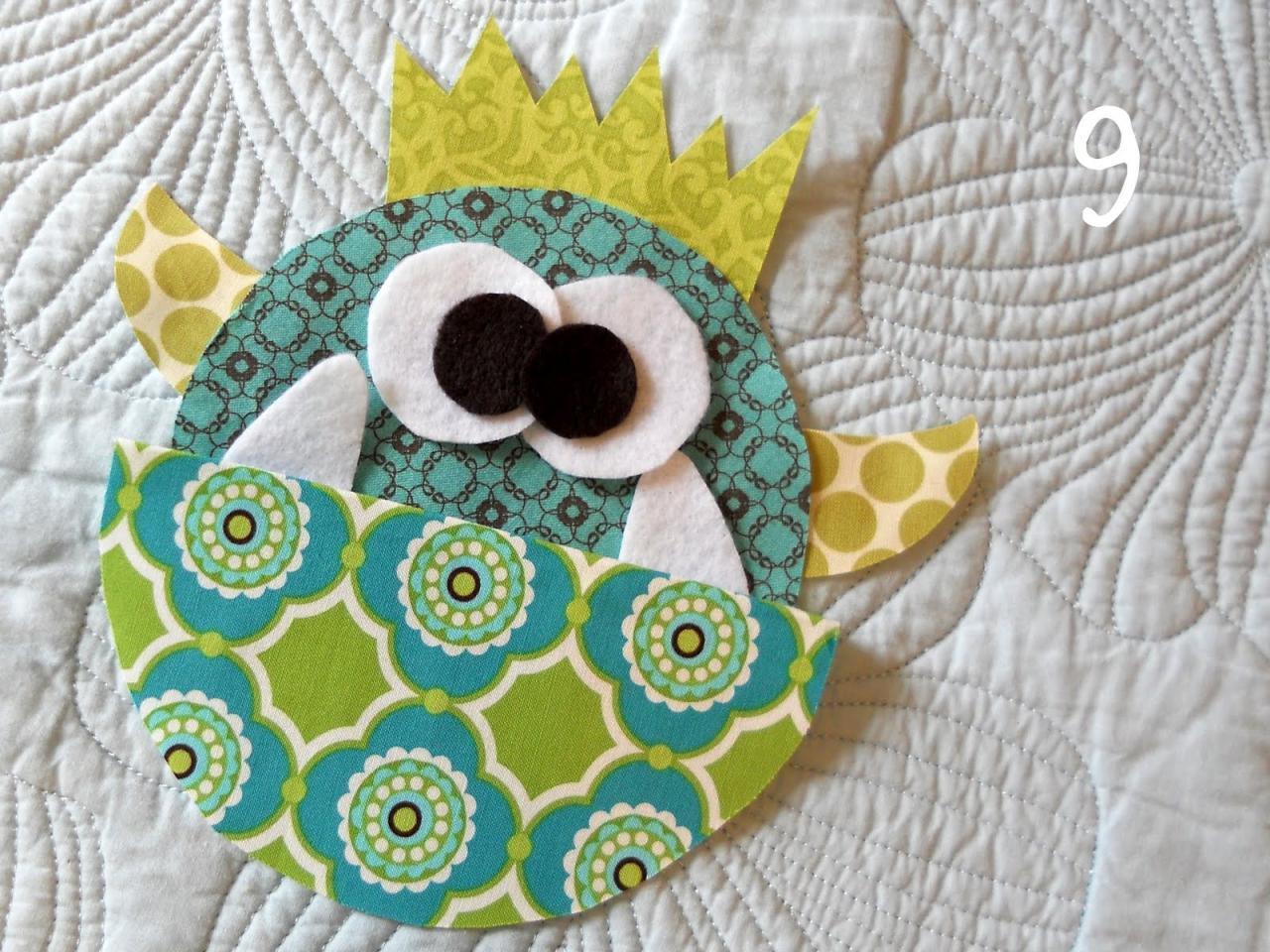
As we conclude our exploration of How to Appliqué a Design onto Fabric, it is clear that this versatile technique offers a rewarding pathway for crafters of all levels. By mastering the basics, preparing your materials with care, executing stitches with precision, and exploring advanced tips, you are well-equipped to create stunning appliqué designs. Remember to finish your projects beautifully and care for them properly to ensure their longevity and continued enjoyment.