Kicking off with How to Sew Curves Smoothly and Accurately, this opening paragraph is designed to captivate and engage the readers, setting the tone for a journey into mastering a fundamental sewing skill. Understanding the intricacies of fabric behavior and the common pitfalls is the first step towards achieving professional-looking results.
This comprehensive guide delves into the challenges of sewing curves, exploring the physics behind fabric distortion and identifying frequent beginner mistakes. We will equip you with the knowledge of essential tools, proper fabric preparation, and precise techniques to gently guide your fabric through the sewing machine, ensuring each curve is executed with finesse.
Understanding the Challenges of Sewing Curves
Sewing smooth and accurate curves is a fundamental skill in garment construction and various craft projects, yet it often presents a significant hurdle for sewers of all levels. Unlike straight seams, curves require a delicate balance of fabric manipulation, machine control, and precise cutting to achieve a professional finish. The inherent nature of curved lines means that fabric can easily stretch, bunch, or pucker, leading to uneven edges and distorted shapes.
Mastering this technique unlocks the ability to create a wide array of designs, from elegant collars and sleeves to perfectly fitted waistbands and bias-bound edges.The difficulties encountered when sewing curved seams stem from the interplay of fabric properties, the mechanics of the sewing machine, and the way we guide the fabric. When fabric is fed through a sewing machine, the feed dogs pull the bottom layer, while the presser foot applies downward pressure.
Around a curve, this differential movement can cause the inner edge of the curve to bunch up or the outer edge to stretch, especially if the fabric is bias-cut or made of a slippery material. Understanding these forces is key to overcoming common sewing frustrations and achieving the desired aesthetic.
Fabric Distortion Around a Curve
The physics and mechanics of fabric distortion around a curve are primarily driven by tension and the angle at which the fabric is fed through the machine. As the needle penetrates the fabric and the feed dogs move, they create a directional pull. On a straight line, this pull is uniform. However, on a curve, the fabric on the inner side of the turn is compressed, while the fabric on the outer side is stretched.
This differential stretching and compressing can lead to uneven stitches, puckering, and a wavy seam line if not managed properly. The bias grain of fabric, which runs diagonally to the warp and weft threads, is particularly susceptible to stretching and distortion because the threads are at an angle to the forces applied by the machine.
Common Beginner Mistakes When Sewing Curves
Beginners often make several predictable mistakes when first attempting to sew curves. These errors typically arise from a lack of understanding of how to control the fabric and the machine simultaneously.The most frequent issues include:
- Forcing the fabric: Trying to steer the fabric with hands rather than letting the machine feed dogs do the work. This can cause stretching and distortion.
- Incorrect seam allowance: Not maintaining a consistent seam allowance throughout the curve, leading to an uneven and wobbly line.
- Not pivoting or clipping: Failing to stop and pivot at sharp points or to clip the seam allowance on inward curves, which prevents the fabric from lying flat.
- Sewing too fast: Rushing the process, which reduces control and the ability to make micro-adjustments.
- Over-manipulating the fabric: Constantly pulling or pushing the fabric, which disrupts the feeding action of the machine.
Types of Curves Presenting Sewing Challenges
Certain types of curves inherently pose greater sewing challenges than others due to their shape and the required fabric manipulation. The severity of the challenge often depends on the radius of the curve and whether it is an inward or outward curve.The curves that typically demand the most attention and skill are:
- Sharp inward curves: These are particularly difficult because the fabric on the inner edge must compress significantly, and it’s easy for it to bunch up. Think of the tight corners of a sweetheart neckline or the small eyelets of a buttonhole.
- Small, tight outward curves: While less prone to bunching than inward curves, very small outward curves can still stretch out of shape if not handled carefully, leading to a distorted edge. Examples include the tip of a petal shape or the edge of a small circular appliqué.
- Bias-cut curves: Fabric cut on the bias is inherently less stable and stretches more easily. Sewing curves on bias-cut fabric, such as in bias tape bindings or circular skirts, requires extra gentleness and precision to prevent unwanted stretching and a wavy finish.
- Complex compound curves: These are curves that are not flat, such as the top of a sleeve cap or the side seams of a fitted bodice. They require careful easing and manipulation to conform to a three-dimensional shape without puckering or distortion.
Essential Tools and Preparations for Smooth Curves
Sewing smooth and accurate curves is significantly enhanced by having the right tools and meticulously preparing your materials. This section will guide you through the essential equipment and preparatory steps that lay the foundation for successful curved seam construction. By paying attention to these details, you can transform potentially challenging curves into beautifully executed design elements.
Essential Tools for Sewing Curves
A well-equipped sewing station is crucial for tackling curved seams with confidence. The following tools are specifically beneficial for achieving accuracy and ease when navigating fabric around bends.
- Rotary Cutter and Mat: A sharp rotary cutter and a self-healing cutting mat allow for precise cutting of curved pattern pieces, ensuring clean edges that align perfectly.
- Sharp Fabric Scissors: For trimming seam allowances or clipping curves, a high-quality pair of sharp fabric scissors is indispensable.
- Small, Sharp Scissors or Snips: These are vital for making small, precise clips into the seam allowance of outward curves or for trimming excess fabric in tight inward curves.
- Iron and Ironing Board: Proper pressing is paramount for setting seams and shaping curves. A good iron and a stable ironing board are non-negotiable.
- Seam Ripper: While we aim for perfection, a seam ripper is a necessary tool for correcting any errors, and having a sharp one makes this task less daunting.
- Marking Tools: Tailor’s chalk, fabric pens, or a disappearing ink pen are essential for clearly marking sewing lines and seam allowances on fabric.
- Walking Foot (Optional but Recommended): For thicker fabrics or when dealing with multiple layers, a walking foot can help feed the fabric evenly, preventing stretching and puckering on curves.
- Roller Foot (Optional): Similar to a walking foot, a roller foot can assist in guiding fabric smoothly under the needle, particularly useful for slippery or delicate materials.
- Curved Rulers or French Curves: These tools are invaluable for drawing or checking smooth, consistent curves on patterns or directly onto fabric.
Fabric and Pattern Piece Preparation
The way your fabric and pattern pieces are prepared before you even reach the sewing machine significantly impacts the outcome of your curved seams. Attention to detail at this stage prevents many common problems.
Pre-washing and Pre-shrinking Fabric
It is always advisable to pre-wash and pre-shrink your fabric according to its care instructions before cutting. This step prevents the finished garment from shrinking unevenly after construction, which can distort curved seams. Fabric shrinkage can lead to puckering and misalignment, especially on delicate or complex curves.
Accurate Pattern Cutting
Precisely cutting your pattern pieces is the first line of defense against sewing inaccuracies. Ensure your pattern pieces are laid out correctly, paying close attention to grainlines, and cut them with a sharp rotary cutter or scissors. For curved edges, it is beneficial to cut with a single smooth motion rather than a series of small cuts, if using a rotary cutter.
Importance of Fabric Grain
Understanding and respecting the fabric grain is fundamental to sewing successful curves. The grainline indicates the direction of the lengthwise or crosswise threads in the fabric, and it influences how the fabric drapes, stretches, and behaves.
The grainline of a fabric provides stability. Cutting and sewing curves against the grain can lead to stretching, distortion, and an uneven, wavy appearance.
When cutting pattern pieces, always align the pattern’s grainline indicator with the fabric’s grain. For curved seams, this means ensuring the fabric’s lengthwise or crosswise threads run perpendicular to the curve’s direction where appropriate, or following the pattern’s specific grainline instructions for bias-cut curves which intentionally utilize the fabric’s stretch. Deviating from the grainline on stable fabrics will make the curve difficult to control and likely result in a poor finish.
Marking Sewing Lines on Curved Sections
Clear and accurate markings are essential for guiding your sewing needle along the intended path of a curved seam. The method of marking will depend on your fabric type and the visibility of the seam line.
- Transferring Pattern Markings: If your pattern has pre-marked seam lines or notches, transfer these accurately to your fabric using your chosen marking tool. Notches are particularly important for aligning curved pieces correctly.
- Using a Ruler for Seam Allowance: If the seam allowance is not marked on the pattern, use a ruler and your marking tool to draw a parallel line at the specified seam allowance distance from the cutting edge. For curves, it’s helpful to use a flexible ruler or a curved ruler to maintain an even distance.
- Marking on the Wrong Side of the Fabric: Whenever possible, mark your sewing lines on the wrong side of the fabric to avoid visible marks on the finished garment.
- Temporary Marking Tools: For delicate fabrics, consider using temporary marking tools like tailor’s tacks or a water-soluble pen that can be easily removed after sewing.
- Chalk or Tailor’s Crayons: These are excellent for most woven fabrics and provide a visible line that can be brushed away. Ensure the chalk is finely ground for a precise line.
- Disappearing Ink Pens: These pens offer a fine line and disappear over time or with heat, making them suitable for many fabric types, but always test on a scrap first.
Techniques for Guiding Fabric Through the Sewing Machine
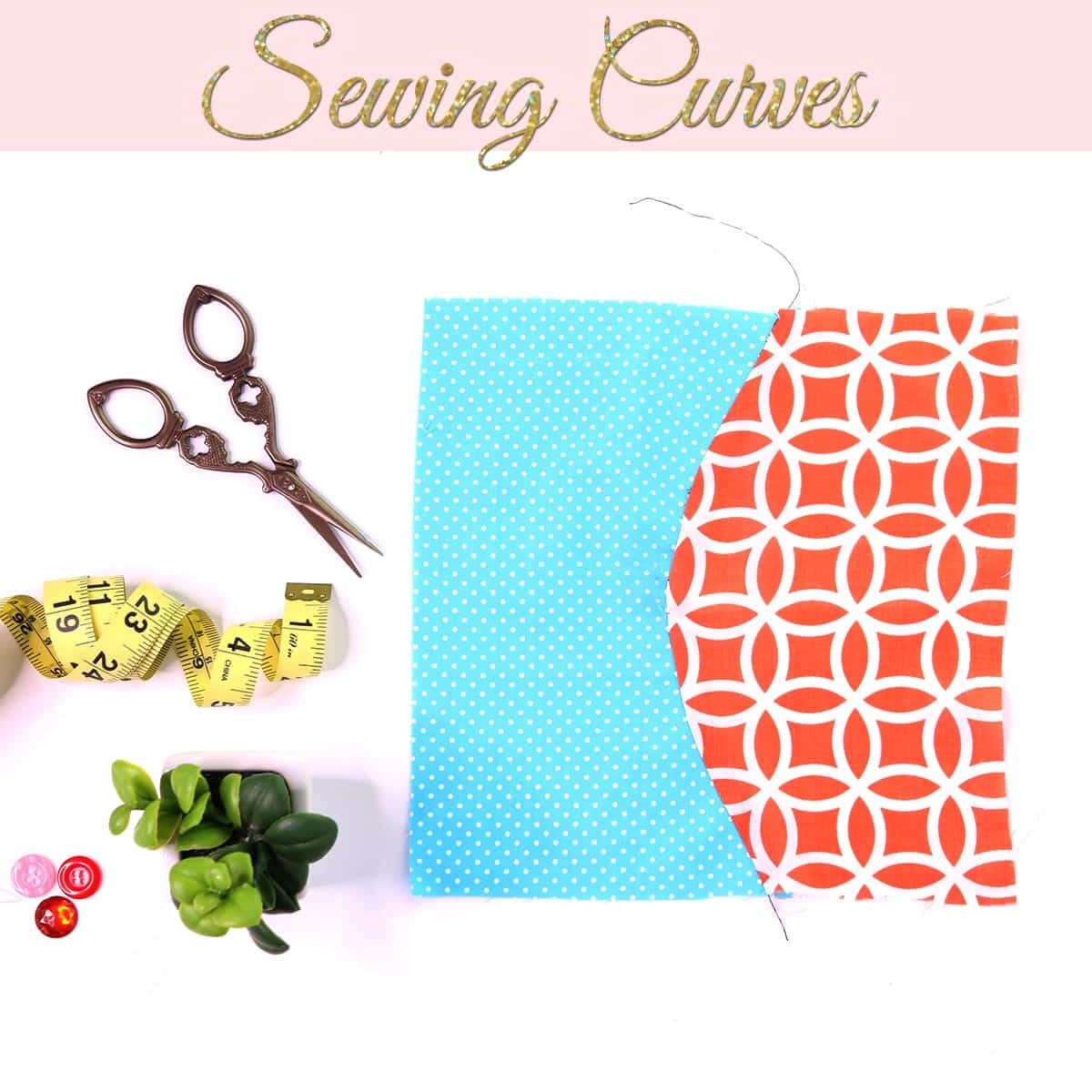
Successfully navigating curves requires a delicate touch and a mindful approach to fabric manipulation. The goal is to allow the machine to do the stitching while you gently guide the fabric, preventing any unwanted stretching or puckering that can detract from the beauty and accuracy of your finished seam. This section will explore the key techniques to achieve this.
Controlling Fabric Movement with the Presser Foot
The presser foot plays a crucial role in maintaining consistent fabric feed and preventing it from shifting. Understanding its interaction with the fabric is fundamental to sewing smooth curves.The presser foot, when lowered, applies gentle, consistent pressure to the fabric layers. This pressure, in conjunction with the feed dogs beneath the needle, helps to move the fabric smoothly through the machine.
For curves, it’s important to ensure the presser foot is lowered correctly before stitching begins and remains down throughout the process. Avoid lifting the presser foot mid-stitch, as this can cause the fabric to jump and create uneven stitches.
Easing Fabric to Fit Curved Seam Allowances
When sewing a convex curve (one that curves outward) into a straight edge, or a concave curve (one that curves inward) into a straight edge, you’ll often find that the curved edge is slightly longer than the straight edge. This requires a technique called “easing” to make the longer curve fit within the shorter allowance without gathering or puckering.To ease fabric, you will gently guide the fabric so that the longer edge is distributed evenly along the shorter edge.
This is achieved by subtly manipulating the fabric layers as they enter the presser foot. For instance, when sewing a convex curve to a straight edge, you might very slightly “push” the curved edge forward to take up the slack, ensuring it lies flat against the straight edge. Conversely, for a concave curve, you might gently “pull” the fabric to ensure it doesn’t bunch up.
This is a subtle adjustment, not a forceful manipulation. Practice on scrap fabric is highly recommended to develop this feel.
Adjusting Stitch Length and Tension for Optimal Results
The stitch length and tension settings on your sewing machine can significantly impact the appearance and integrity of curved seams. Fine-tuning these parameters can make a noticeable difference in the smoothness and durability of your stitching.For sewing curves, a slightly shorter stitch length is often beneficial. This provides more control and creates a stronger seam that is less likely to distort.
A common recommendation is to reduce the stitch length from a standard 2.5mm to approximately 1.5mm to 2.0mm.Tension is also critical. If the tension is too tight, it can cause the fabric to pucker, especially on curves. If it’s too loose, the stitches may look messy or be prone to breaking. It is advisable to test your stitch tension on a scrap piece of fabric that matches your project.
A shorter stitch length offers greater control and seam integrity when navigating curves.
When adjusting tension, aim for balanced stitches where the top and bobbin threads meet neatly between the fabric layers. If the upper thread is showing on the underside of the fabric, the top tension is too tight or the bobbin tension is too loose. If the bobbin thread is showing on the top side, the top tension is too loose or the bobbin tension is too tight.
For curved seams, a slight adjustment to the top tension might be necessary to compensate for the fabric’s movement.
Advanced Sewing Machine Adjustments and Accessories
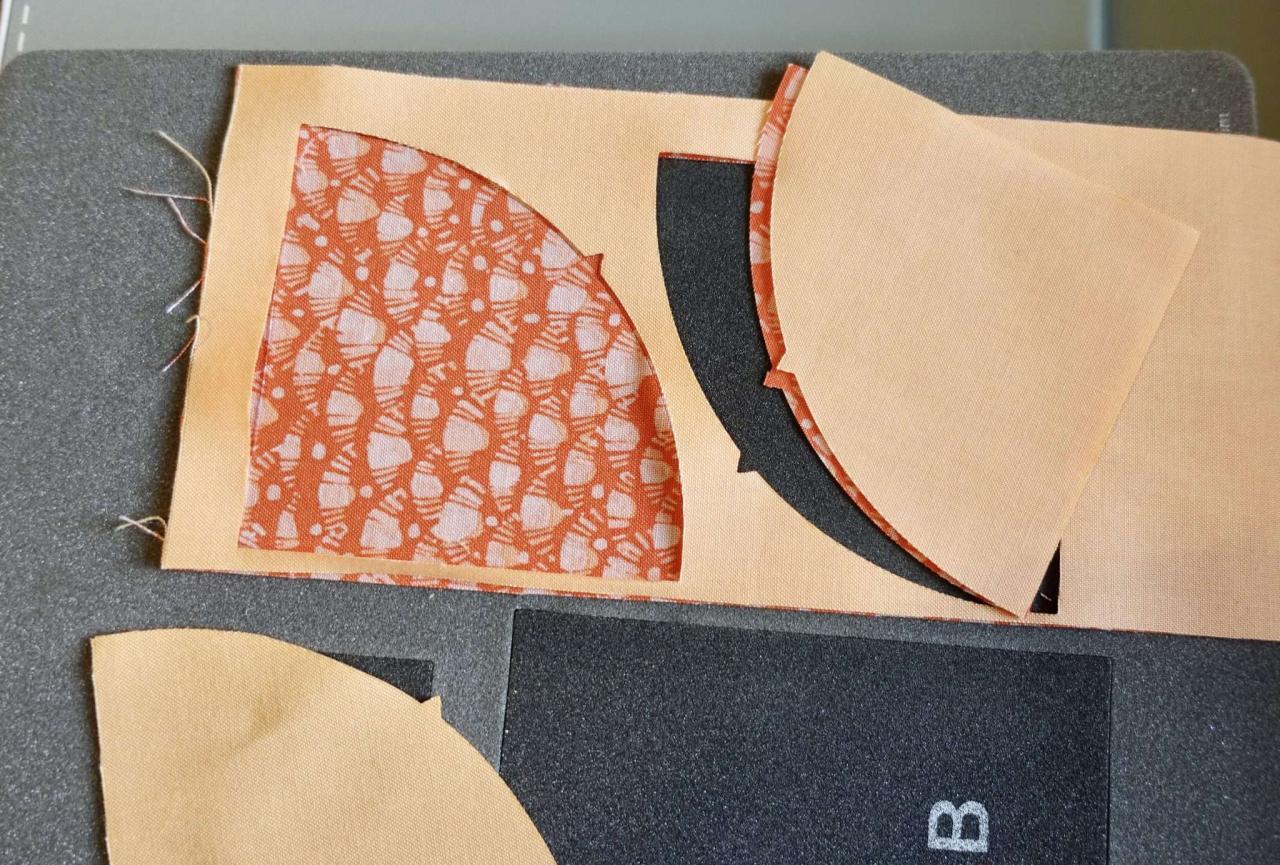
Beyond mastering basic techniques, understanding and utilizing advanced sewing machine adjustments and accessories can significantly elevate the smoothness and accuracy of your curved seams. These tools and settings are designed to provide greater control and support, transforming potentially challenging curves into beautifully executed lines. By fine-tuning your machine and employing the right attachments, you can achieve professional-level results.
Specialized Sewing Machine Feet for Curves
Certain sewing machine feet are specifically engineered to aid in sewing curves, offering unique benefits that simplify the process. These feet provide stability, even feeding, and precise guidance, making it easier to navigate even the tightest turns.
- Roller Foot: This foot features small rollers that glide over the fabric, reducing friction and preventing it from sticking. It is particularly useful for thick or slippery fabrics that tend to bunch up or drag when sewing curves. The smooth movement allows for consistent speed and control, resulting in a cleaner stitch.
- Edge-Stitching Foot (or Topstitching Foot): While often used for decorative topstitching, this foot also excels at sewing curves accurately. It has a small guide on the side that can be positioned to run along the edge of the fabric or a seam line. For curves, this guide helps maintain a consistent distance from the edge, ensuring a uniform seam allowance and a smooth, even curve.
- Blind Hem Foot: Similar in function to the edge-stitching foot, the blind hem foot also features a guide. This guide can be utilized to keep the fabric edge at a consistent distance from the needle, which is invaluable for creating consistent curved seams.
Walking Foot or Even-Feed Foot for Layered Curves
When working with multiple layers of fabric, especially on curved seams, managing the feed of the fabric can become a significant challenge. A walking foot, also known as an even-feed foot, is an indispensable accessory in such situations.
A walking foot works by engaging the top layers of fabric with the feed dogs of the sewing machine, ensuring that all layers feed through at the same rate. This synchronization is crucial for preventing puckering, shifting, and uneven stitches, particularly on the outside of curves where the fabric is stretched more. By providing an even feed, the walking foot allows you to maintain control and achieve smooth, consistent results, even when sewing through several layers of material.
Machine Speed Adjustments for Enhanced Control
The speed at which your sewing machine operates directly impacts your ability to control the fabric and stitch accurately, especially on curves. Finding the right speed is a matter of practice and understanding your machine’s capabilities.
Most modern sewing machines have a speed control slider or a foot pedal that allows for variable speed. For sewing curves, it is generally recommended to slow down the machine speed. A slower speed provides more time to guide the fabric, make small adjustments, and ensure the needle is penetrating the fabric at the correct point. Experimenting with your machine’s speed control will help you find a comfortable pace that allows for precision without sacrificing efficiency.
Some machines also offer a needle-down position, which can be incredibly helpful; stopping with the needle down in the fabric allows you to pivot around curves without the fabric shifting.
Effective Use of a Seam Ripper for Imperfect Curves
Even with the best intentions and tools, occasional imperfections in curved seams are inevitable. A seam ripper is not just a tool for undoing mistakes; it’s an essential part of the learning process and for achieving a polished finish.
When a curved seam doesn’t turn out as desired, a seam ripper can be used to carefully and precisely remove the stitches. The sharp, pointed end of the seam ripper is designed to slide under the stitches and cut them cleanly. When correcting a curved seam, it’s important to work slowly and methodically. Instead of ripping out a long section, focus on removing just a few stitches at a time to identify the exact point of error.
This allows for more accurate re-stitching and minimizes potential damage to the fabric. Furthermore, a seam ripper can be used to carefully trim excess seam allowance on the inside of a sharp curve, which helps the seam lie flat when turned. Gently snipping small notches or clips into the seam allowance on the outside of a curve can also help it lay smoothly, but this should be done with extreme care not to cut through the stitching.
Finishing Techniques for Beautiful Curved Seams
Once you’ve successfully navigated the intricacies of sewing your curves, the next crucial step is to ensure these beautiful lines are not only structurally sound but also aesthetically pleasing. Proper finishing of curved seam allowances is paramount to preventing fraying, reducing bulk, and ultimately achieving a professional, polished look in your garments. This section delves into the essential techniques that transform a good curved seam into a great one.Proper finishing techniques for curved seams contribute significantly to the longevity and drape of a garment.
Unfinished edges can unravel over time, weakening the seam and creating an untidy appearance. Furthermore, excess fabric in the seam allowance, especially on curves, can lead to unsightly bumps and a lack of fluidity. By employing the right methods, you can ensure your curved seams lie flat, move gracefully with the fabric, and stand up to wear and tear.
Seam Allowance Treatments for Preventing Fraying and Reducing Bulk
The raw edges of your curved seam allowances are susceptible to fraying, which can compromise the integrity of your seam. Additionally, bulky seam allowances can distort the intended shape of the curve, especially on lighter-weight fabrics or when multiple seams intersect. Various treatments effectively address these issues, each with its own advantages depending on the fabric and desired outcome.Before applying any finishing technique, it’s important to trim the seam allowance to a consistent width, typically between 1/4 inch and 1/2 inch, depending on the pattern instructions and fabric weight.
This initial trimming helps to reduce bulk before further finishing.
Clipping and Notching
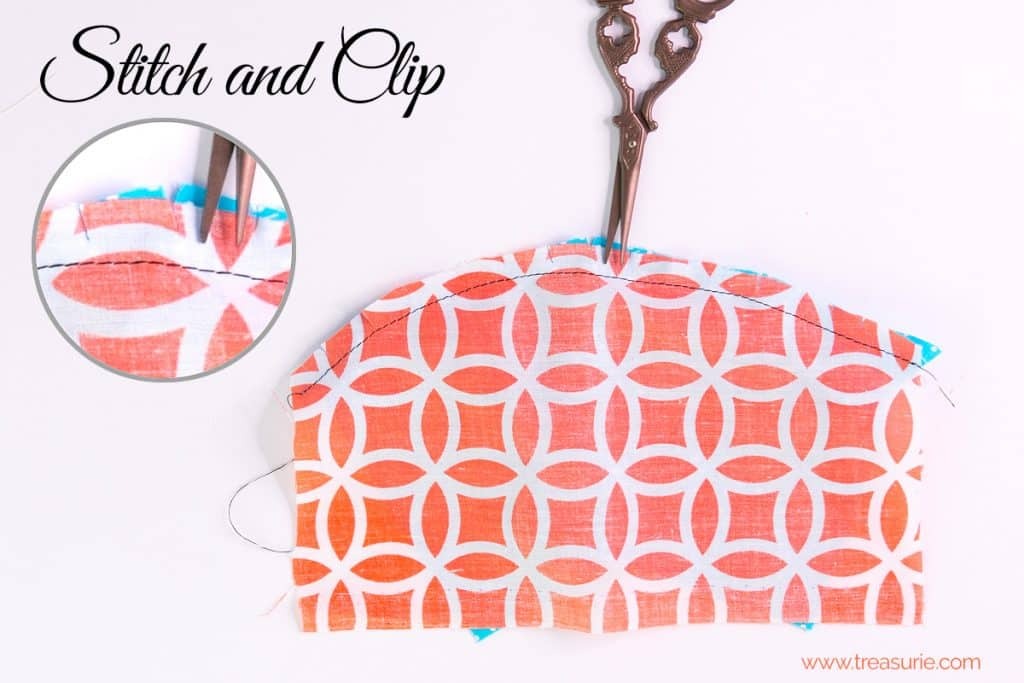
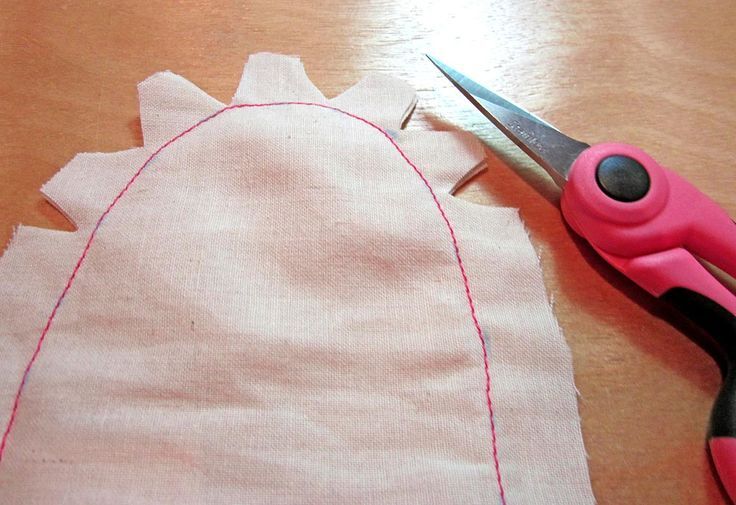
Clipping and notching are fundamental techniques used to allow curved seam allowances to lie flat when pressed. These methods involve making small cuts into the seam allowance, strategically placed to release tension and enable the fabric to conform to the curve.
- Clipping: This involves making small, straight cuts perpendicular to the seam line, extending from the raw edge of the seam allowance towards, but not reaching, the stitching line. Clipping is most effective on outward (convex) curves, such as the outer edge of a sleeve cap or a neckline. The cuts allow the fabric to spread open slightly, preventing puckering.
- Notching: Notching involves cutting small V-shaped or triangular sections out of the seam allowance. This technique is used on inward (concave) curves, such as the inside of an armhole or a U-shaped neckline. Removing these small wedges allows the fabric to compress and lie flat without bunching.
The depth and spacing of clips and notches depend on the sharpness of the curve and the fabric type. For gentle curves, fewer and shallower clips/notches are needed. For tighter curves, more frequent and slightly deeper cuts are required. Always exercise caution to avoid cutting into the stitching.
Pinking
Pinking is a method that uses pinking shears to create a zigzag edge on the seam allowance. This zigzag pattern helps to prevent fraying by enclosing the raw threads within the serrations.
- Pinking is a simple and effective way to finish seam allowances on fabrics that tend to fray easily, such as cottons, linens, and some rayons.
- It is particularly useful for garments where a fully enclosed seam finish might add too much bulk, such as certain types of interfacing or lightweight linings.
- While pinking helps to reduce fraying, it does not eliminate it entirely, and it does not reduce bulk in the same way that clipping or notching does.
- For very fine or delicate fabrics, pinking may be too aggressive and could potentially damage the fabric. In such cases, other methods might be more suitable.
Serging (Overlocking)
Using a serger or overlocker machine is an efficient and professional method for finishing curved seam allowances. A serger stitches, trims, and encloses the raw edge in a single step, creating a clean and durable finish.
- Serging is an excellent choice for most woven and knit fabrics, providing a neat edge that prevents fraying.
- For curves, it’s important to guide the fabric smoothly through the serger, maintaining consistent tension.
- When serging curves, particularly concave ones, you may still need to clip or notch the seam allowance
-before* serging to allow the seam to lie flat. For convex curves, serging alone is often sufficient. - The stitch width and density on the serger can be adjusted to suit different fabric weights. A wider, more densely stitched edge offers greater durability.
French Seams
A French seam encloses the raw edges of the fabric within the seam itself, creating a very clean and professional finish, especially on delicate or sheer fabrics where raw edges would be visible. This technique is ideal for curved seams on lightweight materials like silk, chiffon, or voile.
- The process involves sewing the seam with the wrong sides of the fabric together first, then trimming the seam allowance, turning the fabric so the right sides are together, and sewing again to enclose the first seam.
- For curves, this technique requires careful handling to ensure the seam lies flat. It is best suited for gentle curves where the fabric can be easily manipulated.
- While it adds a layer of neatness, French seams can add a small amount of bulk, making them less ideal for very thick fabrics or very tight curves.
Comparing Seam Finishing Techniques for Different Fabrics and Styles
The choice of seam finishing technique should always consider the fabric type, the garment’s construction, and the desired aesthetic. A technique that works beautifully on a crisp cotton might be entirely unsuitable for a slippery silk charmeuse or a stretchy knit.
| Fabric Type | Garment Style | Recommended Finishing Techniques | Considerations |
|---|---|---|---|
| Lightweight Woven (e.g., Cotton Voile, Silk Chiffon) | Blouses, Dresses, Lingerie | French Seams, Rolled Hem (for edges), Pinking (for internal seams) | Prioritize delicate finishes that do not add bulk and prevent visible fraying. |
| Medium-Weight Woven (e.g., Cotton Poplin, Linen) | Skirts, Trousers, Shirts | Serging, Pinking, Clipping/Notching with a simple zigzag stitch | Balance durability with a clean appearance. Serging is efficient and effective. |
| Heavy-Weight Woven (e.g., Denim, Canvas) | Jackets, Bags, Upholstery | Serging, Pinked and then Topstitched, Bound Seams | Focus on durability and reducing bulk where possible. Seam allowances may be left wider. |
| Knit Fabrics (e.g., Jersey, Interlock) | T-shirts, Activewear, Loungewear | Serging (ideal), Zigzag Stitch (with stretch capabilities) | Ensure the stitch has enough stretch to accommodate the fabric’s elasticity. Serging is generally the most professional and durable option. |
Pressing Curved Seams for a Professional Appearance
Pressing is as critical as the sewing itself when it comes to achieving beautifully finished curved seams. Proper pressing ensures that the seam allowances lie flat against the fabric, creating a smooth silhouette and preventing any unsightly bumps or distortions.
- Initial Pressing: After sewing the seam, press it flat in the direction of the seam allowance. This sets the stitches and helps to relax the fabric.
- Pressing After Clipping/Notching: For clipped or notched seams, press the seam allowances open. This is where the clips and notches work their magic, allowing the fabric to spread. Gently press each side of the seam allowance away from the stitching line, using the tip of the iron to coax the fabric flat.
- Pressing for French Seams: For French seams, press the seam allowance flat in the direction it will be enclosed, then press again after the second stitching to ensure the entire seam is flat.
- Using a Pressing Ham or Sleeve Roll: For truly three-dimensional curves, such as the top of a sleeve cap or the curve of a bust dart, a pressing ham or sleeve roll is invaluable. These curved pressing tools allow you to press the seam over a rounded surface, mimicking the shape of the garment and preventing the flattening of the curve.
- Avoid Iron Marks: Always use a pressing cloth, especially on delicate fabrics, to prevent scorching or leaving shiny marks from the iron.
- Press from the Inside and Outside: For optimal results, press the seam from the wrong side of the garment, then gently press from the right side, using a pressing cloth.
The goal of pressing curved seams is to achieve a smooth, flat surface that looks as if it’s an extension of the garment’s fabric, not an added layer.
Step-by-Step Procedure for Binding a Curved Edge
Binding a curved edge is a sophisticated finishing technique that encases the raw edge with a strip of fabric, creating a clean, durable, and often decorative finish. This is particularly useful for necklines, armholes, and the edges of bags or unlined jackets.
Materials Needed:
- Bias tape (commercial or self-made)
- Fabric scissors
- Pins
- Sewing machine
- Iron and ironing board
Procedure:
- Prepare the Binding: If using self-made bias tape, cut strips on the bias at a width of approximately 1.5 to 2 inches (depending on how wide you want your finished binding to be, usually doubled). For a 1/4 inch finished binding, you’ll need strips that are 1 inch wide. Join bias strips if necessary to create a continuous length. Press the bias tape in half lengthwise, wrong sides together, creating a crease along the center.
- Prepare the Curved Edge: Ensure the curved edge of your garment is trimmed to an even width, typically 1/4 to 1/2 inch. If it’s a concave curve, you may want to clip it lightly before attaching the binding.
- Attach the Binding (First Side): Open one of the folded edges of the bias tape. Align this raw edge with the raw edge of the curved garment edge, right sides together. Pin securely, easing the bias tape around the curve. For a concave curve, you may need to gently stretch the bias tape slightly. For a convex curve, you might need to make small clips in the garment’s edge to allow it to lie flat against the bias tape.
Stitch along the creased line of the bias tape, approximately 1/4 inch from the raw edge of the garment.
- Press the Binding: Press the seam allowance of the binding away from the garment fabric. This will create a clean fold line.
- Fold and Secure the Binding: Fold the bias tape over the raw edge of the seam allowance, encasing it completely. The folded edge of the bias tape should extend slightly beyond the stitching line on the right side of the garment. Pin the folded binding in place, ensuring it lies flat and smooth around the curve.
- Stitch the Binding: From the right side of the garment, stitch in the “ditch” of the seam where the binding meets the garment. This stitch should catch the folded edge of the binding on the wrong side. Alternatively, you can topstitch along the edge of the binding, about 1/8 inch from the folded edge, which will also secure the back layer. For a more invisible finish, you can hand-stitch the binding in place using a blind stitch.
- Final Pressing: Give the bound edge a final press to ensure it lies flat and smooth.
Binding a curved edge requires patience and practice, but the result is a beautifully finished and durable edge that significantly elevates the garment’s overall appearance.
Practice Projects and Skill Development
Embarking on a journey to master curved seams is best achieved through deliberate practice. By engaging with targeted projects, you can systematically build your confidence and refine your technique. This section offers a structured approach to skill development, ensuring that each sewing session contributes to your overall proficiency.The key to improvement lies not just in sewing, but in thoughtfully analyzing your work.
This self-assessment allows you to pinpoint specific areas that require more attention, transforming potential frustrations into opportunities for growth. Consistent practice, coupled with mindful reflection, is the cornerstone of developing consistently smooth and accurate curved seams.
Designing Practice Projects for Curve Types
To effectively hone your skills, it is beneficial to engage in practice projects that isolate and address different types of curves. This targeted approach allows you to understand the unique challenges and best practices for each shape.A series of small, manageable projects can be designed to progressively introduce and reinforce the handling of various curves:
- Concave Curves: These are inward-curving seams, often found in necklines, armholes, or the inside of a collar. Practice projects could include sewing the curved edge of a simple placemat, the bottom edge of a half-circle skirt, or the curved opening of a pocket.
- Convex Curves: These are outward-curving seams, commonly seen in sleeves, the outer edge of a collar, or the hem of a flared garment. Practice projects could involve sewing the curved hem of a simple gathered skirt, the curved edge of a tote bag handle, or the rounded top of a teapot cozy.
- S-Curves: These are more complex, involving a change in direction within the curve. Practice projects could include sewing the curved edges of a bias-taped neckline that has both inward and outward sections, or the curved seams on a decorative pillow with a scalloped edge.
- Combined Curves: Projects that incorporate both concave and convex curves in close proximity will further challenge your ability to transition smoothly between different sewing directions. An example would be a garment sleeve cap that transitions from a concave armhole to a convex sleeve edge.
Analyzing Practice Sewing Results
After completing a practice sewing session, a thorough analysis of your results is crucial for identifying areas needing improvement. This systematic review helps you understand what worked well and what requires adjustment in your technique.A structured approach to analyzing your curved seams can be as follows:
- Visual Inspection: Examine the sewn seam from both the right and wrong sides of the fabric. Look for puckering, rippling, unevenness, or skipped stitches.
- Edge Smoothness: Assess how smoothly the fabric fed through the machine along the curve. Are there any points where the fabric seemed to bunch up or drag?
- Accuracy of Stitching: Check if your stitching line followed the intended seam allowance consistently. Are there areas where the seam allowance widened or narrowed unexpectedly?
- Pressing Results: After pressing the seam, observe how it lies. Does it lay flat and smooth, or are there bumps and distortions? This indicates how well the fabric was managed during sewing.
- Corner/Point Perfection: For projects with sharp transitions or points within a curve, evaluate the crispness and accuracy of these areas.
Maintaining Consistency Over Longer Curved Seams
Sewing long, flowing curves requires a different approach than short, intricate ones. The primary goal is to maintain consistent fabric tension and feeding to prevent distortions.To ensure consistency and accuracy over longer curved seams:
- Pacing: Do not rush. Maintain a steady, even speed throughout the entire length of the curve.
- Continuous Guidance: Keep your hands actively guiding the fabric, but avoid pulling or pushing. Your hands should act as gentle stabilizers, allowing the feed dogs to do the work.
- Gradual Adjustments: Make small, incremental adjustments to the fabric’s position as you sew. This prevents sudden shifts that can lead to unevenness.
- Seam Allowance Monitoring: Regularly glance at your seam allowance guide (whether marked on the machine, a guide foot, or drawn on the fabric) to ensure it remains constant.
- Machine Settings: For very long curves, consider slightly reducing your stitch length. A slightly shorter stitch can sometimes offer more control and a smoother finish on flowing lines.
Checklist for Practicing Curved Sewing
When you sit down to practice sewing curves, having a checklist can help you stay focused and ensure you are addressing the most critical aspects of the technique. This checklist serves as a reminder of the key elements to concentrate on during each sewing session.Before and during your practice, consider the following:
- Fabric Preparation: Is the fabric pressed, and are any necessary markings (like seam lines or dots) clearly visible?
- Needle Selection: Is the needle appropriate for the fabric type and weight?
- Thread Tension: Has the thread tension been tested and adjusted for the fabric and thread being used?
- Foot Selection: Is the correct presser foot being used for the task? (e.g., a standard foot, a walking foot, or a specialized curve foot if available).
- Seam Allowance Accuracy: Are you consistently maintaining the intended seam allowance?
- Fabric Handling: Are your hands guiding the fabric gently without pulling or pushing?
- Machine Speed: Is your sewing speed consistent and appropriate for the curve?
- Pivot Points: Are you stopping with the needle down at strategic points to pivot and adjust the fabric direction smoothly?
- Post-Sewing Pressing: Are you pressing the seams correctly after sewing to set the stitches and flatten the curve?
- Self-Correction: Are you actively observing your sewing as it happens and making small adjustments as needed?
Concluding Remarks
By embracing the techniques and insights shared, from understanding fabric physics to utilizing advanced machine adjustments and practicing with dedicated projects, you are well on your way to confidently sewing beautiful, smooth, and accurate curves. This mastery will elevate your sewing projects, transforming them into polished creations with a truly professional finish.