Embarking on a journey to sew with leather or faux leather opens up a world of creative possibilities, from crafting stylish accessories to durable garments. This comprehensive guide is designed to equip you with the knowledge and techniques necessary to successfully work with these unique materials, ensuring your projects are both beautiful and long-lasting.
We will delve into understanding the distinct characteristics of various leather and faux leather types, explore the essential specialized tools and machine setups required, and master preparation techniques for cutting and marking. Furthermore, we’ll cover advanced sewing methods for seams and edges, troubleshoot common challenges, and inspire you with a range of project ideas, making this a complete resource for anyone looking to elevate their sewing skills with these sophisticated materials.
Understanding Leather and Faux Leather Types
Embarking on a sewing project with leather or faux leather opens up a world of possibilities for creating durable and stylish items. However, the unique properties of these materials necessitate a tailored approach to sewing, distinct from working with traditional fabrics. Understanding the nuances of different leather and faux leather types is the foundational step to ensuring successful and satisfying results.
This knowledge will guide your material selection, equipment choices, and technique application, ultimately leading to a professional finish.The diverse range of leather and faux leather available can be broadly categorized into genuine leather and its synthetic counterparts. Each possesses a unique composition that directly impacts how it behaves under the needle and during handling. Recognizing these differences is paramount for preventing common sewing pitfalls and achieving the desired aesthetic and functionality for your creations.
Genuine Leather Characteristics
Genuine leather, derived from animal hides, is a natural material known for its durability, breathability, and unique grain patterns. Its inherent strength and flexibility make it suitable for a wide array of applications, from upholstery to high-end fashion accessories. The characteristics of genuine leather vary significantly based on the animal source, tanning process, and finishing techniques applied.Leather types are often distinguished by their “top grain” or “full grain” qualities.
Top grain leather has had the outermost layer of the hide buffed and sanded to remove imperfections, resulting in a smoother, more uniform surface. Full grain leather retains the natural surface of the hide, including all its original texture and markings, making it the most durable and desirable form. Other common types include:
- Full Grain Leather: The highest quality, showing natural markings and exceptional durability. It ages beautifully, developing a patina over time.
- Top Grain Leather: Second best, with the outer layer corrected to remove blemishes. It’s still strong and durable but lacks the natural character of full grain.
- Genuine Leather: Often a misleading term, this is typically lower-quality leather made from the remaining layers of the hide after the top grain is removed. It is less durable and can be prone to cracking.
- Bonded Leather: Made from shredded leather scraps that are bonded together with polyurethane or latex. It is the least durable and often peels or cracks easily.
The thickness and stiffness of genuine leather are also critical factors. Thicker leathers, like those used for bags or chaps, require heavy-duty needles and threads, while thinner leathers, suitable for garments, can be sewn with finer tools. The natural oils in leather can also affect how it holds dye and how it behaves when cut and sewn.
Faux Leather Types and Properties
Faux leather, also known as artificial leather or synthetic leather, is designed to mimic the appearance and feel of genuine leather but is made from synthetic materials. The most common types are polyurethane (PU) and polyvinyl chloride (PVC). These materials offer a more budget-friendly and often more consistent alternative to genuine leather, with varying degrees of durability and aesthetic appeal.
Polyurethane (PU) Leather
PU leather is a popular choice due to its soft, supple feel, which closely resembles genuine leather. It is created by applying a flexible polymer coating (polyurethane) to a fabric backing.
- Characteristics: PU leather is breathable, flexible, and can be produced in a wide range of colors and textures. It is generally more comfortable to wear than PVC and has a more natural drape.
- Sewing Implications: It is relatively easy to sew, often requiring similar techniques to sewing regular fabric. However, it can stretch, so careful handling is necessary.
- Common Issues: While durable, PU leather can sometimes develop a sticky surface over time or show needle holes permanently.
Polyvinyl Chloride (PVC) Leather
PVC leather, also known as vinyl, is made by coating a fabric base with a layer of PVC. It is generally less breathable and more rigid than PU leather.
- Characteristics: PVC is known for its excellent durability, water resistance, and resistance to staining. It often has a shinier appearance and a less natural feel compared to PU or genuine leather.
- Sewing Implications: PVC can be more challenging to sew due to its stiffness and tendency to snag. It requires specific needles and presser feet to prevent damage.
- Common Issues: PVC can become brittle in cold temperatures and may crack. It is also less breathable, which can make it uncomfortable for garments.
Identifying Sewing Challenges
Working with leather and faux leather presents unique challenges that differ from sewing with woven or knit fabrics. These challenges arise from the materials’ inherent properties, such as their thickness, density, and the permanence of needle perforations.
Common Issues Encountered
When sewing leather and faux leather, several common issues can arise if the correct techniques and tools are not employed. Understanding these potential problems allows for proactive measures to prevent them.
- Needle Holes: Unlike fabric, needle holes in leather and faux leather are permanent. Repeatedly stitching and unpicking can lead to unsightly holes and weaken the material.
- Skipped Stitches: The dense nature of leather and faux leather can cause needles to skip stitches, especially if the needle is dull, the wrong type, or the thread is not suitable.
- Sticking to the Presser Foot: The smooth, often slightly sticky surface of leather and faux leather can cause it to adhere to the metal presser foot, leading to puckering and uneven stitching.
- Machine Jamming: Thick or dense leathers can put a strain on sewing machine mechanisms, potentially leading to jamming or broken needles.
- Stretching and Distortion: Some faux leathers, particularly PU, can stretch during sewing, leading to distorted seams and an unprofessional finish.
- Thread Breakage: The abrasion from the dense material can cause threads to break, especially if the thread is too fine or the stitch length is too short.
Selecting the Appropriate Material for Projects
The choice of leather or faux leather for a sewing project is a critical decision that impacts the final outcome, durability, and ease of construction. Each material has specific strengths that make it more suitable for certain applications.
Guidance for Material Selection
When choosing between genuine leather and various faux leathers, consider the project’s intended use, desired aesthetic, and your sewing experience.
- For Garments (Jackets, Skirts, Pants): Softer, more pliable leathers like lambskin, deerskin, or thinner top-grain cowhide are ideal. For faux leather, PU with a soft drape is often preferred for its comfort and flexibility.
- For Bags and Accessories (Wallets, Belts, Pouches): Sturdier, thicker leathers such as vegetable-tanned cowhide or thicker top-grain leathers are excellent choices for durability. For faux leather, thicker PU or PVC can work well, offering structure and resilience.
- For Upholstery and Home Decor: Durable and wear-resistant leathers are essential. This might include thicker cowhide or specialized upholstery-grade faux leathers designed for high traffic.
- For Beginners: It is advisable to start with easier-to-handle faux leathers like PU, which are more forgiving and less prone to permanent mistakes than genuine leather.
The weight and flexibility of the material are key indicators. A project requiring a soft drape and comfort will benefit from lighter, more supple materials, while a project needing structure and rigidity will require thicker, stiffer options. Always consider the maintenance requirements of the material; genuine leather often requires conditioning, while faux leather may be easier to clean.
Essential Sewing Tools and Supplies for Leather and Faux Leather
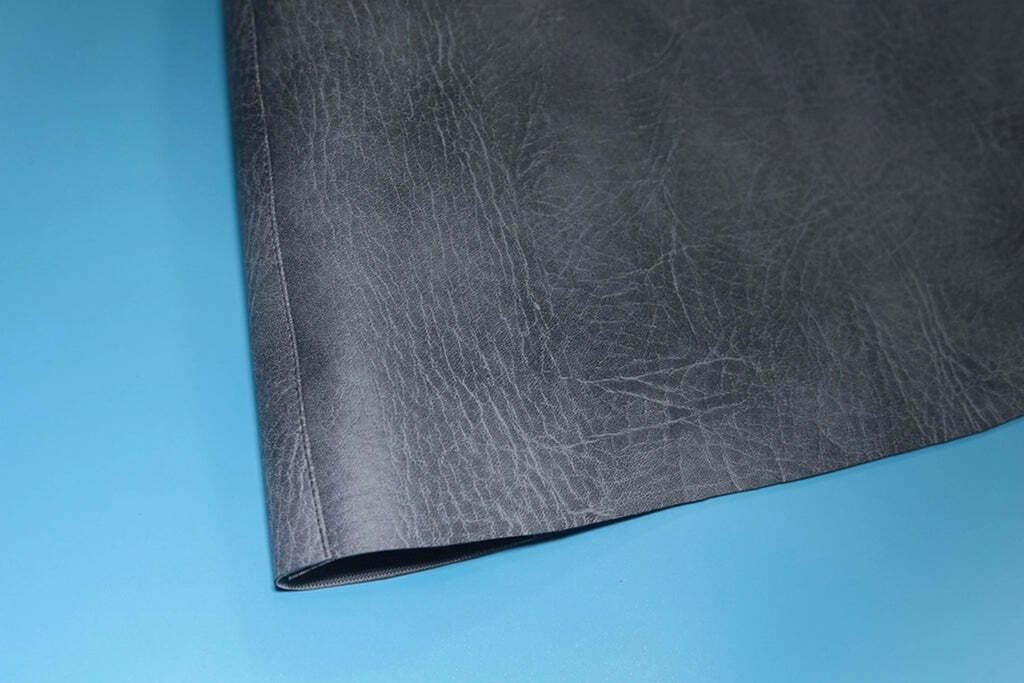
Sewing leather and faux leather requires a slightly different approach and specialized tools compared to traditional fabrics. These materials are thicker, more durable, and can be prone to damage if the wrong equipment is used. Investing in the right tools will not only make your sewing process smoother but also ensure a professional and long-lasting finish for your projects.Understanding the function and proper use of each tool is key to achieving successful results.
This section will guide you through the essential sewing tools and supplies that will become your best allies when working with these unique materials.
Specialized Sewing Machine Feet
Traditional sewing machine feet can snag, drag, or even damage the surface of leather and faux leather. Specialized feet are designed to glide smoothly over these materials, preventing sticking and ensuring even feeding.
- Walking Foot (or Even Feed Foot): This attachment has its own set of feed dogs that work in conjunction with the sewing machine’s feed dogs. This synchronized action grips the fabric from both the top and bottom, providing an even feed of thick and slippery materials like leather and faux leather. It’s crucial for preventing skipped stitches and ensuring that both layers of material move through the machine at the same rate, which is especially important for preventing puckering and distortion.
- Roller Foot: Similar to a walking foot, a roller foot has small rollers on the underside that allow it to glide over sticky or thick materials. It helps to reduce friction, making it easier to sew through multiple layers of leather or faux leather without the material sticking to the foot.
- Teflon or Non-Stick Foot: Made from a non-stick material, this foot significantly reduces friction between the presser foot and the leather or faux leather. This prevents the material from sticking to the foot and dragging, which can cause skipped stitches or damage to the material’s surface. It’s a very effective and often simpler alternative to a walking foot for many leather and faux leather projects.
Needles for Leather and Faux Leather
The right needle is paramount for penetrating thick materials without breaking or causing excessive damage. Leather needles are specifically designed with a sharp, cutting point to pierce through tough hides and synthetic alternatives.
- Leather Needles: These needles have a sharp, wedge-shaped or chisel-shaped point designed to cut through leather fibers rather than push them aside. This prevents tearing and creates clean stitch holes.
- Needle Sizes: For most leather and faux leather projects, a heavier-duty needle is required. Sizes typically range from 14 (for lighter weight faux leathers) to 18 or even 20 (for thicker upholstery-grade leathers). A common and versatile size for many projects is a size 16 or 18 leather needle.
- Needle Shapes: While most leather needles have a straight shaft, some specialized needles may have slightly different point configurations. The key is the cutting edge that ensures clean penetration.
Strong and Durable Threads
The thread used for sewing leather and faux leather needs to be strong enough to withstand the stress of the material and the stitches. Standard cotton or polyester threads may not be durable enough and can break or fray over time.
- Upholstery Thread: This is a robust polyester thread designed for heavy-duty applications. It’s strong, durable, and resistant to abrasion, making it an excellent choice for leather and faux leather.
- Upholstery Nylon Thread: Even stronger than polyester, nylon thread offers exceptional durability and strength. It’s ideal for projects that will undergo significant wear and tear, such as bags, belts, or upholstery.
- Bonded Threads: These threads have a wax or polymer coating that adds extra strength and prevents fraying. They are commonly used in the leather industry for their superior durability.
- Thread Weight: For most leather and faux leather sewing, a heavier weight thread is recommended. Look for threads in the range of Tex 40 to Tex 70 or equivalent sizes (e.g., 18/3, 21/3).
The strength and durability of your thread are as critical as the needle and machine settings when sewing leather and faux leather. A weak thread will lead to premature failure of your stitches.
Preparing Leather and Faux Leather for Sewing

Before you can begin stitching, proper preparation of your leather or faux leather is crucial for achieving professional-looking results and ensuring a smooth sewing experience. This involves careful cutting, accurate marking, pattern transfer, and sometimes, pre-treatment of the material. Understanding these steps will prevent common issues like skipped stitches, uneven seams, and damaged fabric.
Cutting Leather and Faux Leather
Accurate cutting is fundamental when working with leather and faux leather. Unlike fabric, these materials do not fray, but they also don’t offer much room for error due to their thickness and often higher cost. The tools and techniques used can significantly impact the precision of your cuts.
- Rotary Cutters: These are excellent for straight lines and large pieces. Always use a self-healing cutting mat underneath to protect your work surface and the blade. Ensure the blade is sharp for clean cuts.
- Rotary Blade with a Ruler: For precise, straight cuts, a sharp rotary cutter used in conjunction with a metal ruler is ideal. Apply firm, even pressure and roll the cutter along the ruler’s edge.
- Sharp Craft Knives or Utility Knives: For intricate shapes or smaller pieces, a sharp craft knife can be very effective. Again, a cutting mat is essential. Make multiple light passes rather than trying to cut through in one go.
- Leather Shears or Heavy-Duty Scissors: While not always the first choice for precision, sharp, heavy-duty shears can be used for thicker leathers or when a rotary cutter is impractical. Keep these scissors solely for leather to maintain their sharpness.
Marking Sewing Lines
Marking sewing lines on leather and faux leather requires a delicate touch to avoid permanent damage. Unlike fabric, chalk or water-soluble markers can leave indelible marks. The goal is to create a visible guide that can be removed or is unobtrusive.
- Scratch Awl or Stylus: A fine-tipped scratch awl or a blunt stylus can be used to gently score a line along your seam allowance. This creates a subtle indentation that guides your stitching. Practice on a scrap piece first to ensure you are not pressing too hard.
- Chalk Pencils (for lighter colors): For lighter colored leathers and faux leathers, a tailor’s chalk pencil can sometimes be used. Test it on an inconspicuous area first to confirm it can be brushed away without residue.
- Masking Tape: For very precise lines, especially when sewing parallel to an edge, masking tape can be a helpful guide. Apply the tape where you want your stitching line to be, and then sew just inside or outside the edge of the tape.
- Marking Pens (specific for leather): Some specialty marking pens are designed for leather. These often have ink that evaporates or can be easily removed. Always test these on a scrap piece before committing to your project.
Transferring Patterns
Transferring patterns accurately is vital for ensuring your leather pieces fit together correctly. The methods vary depending on the pattern and the material.
- Direct Tracing: For simpler patterns, you can place the paper pattern directly onto the wrong side of the leather and trace around it using a stylus or a fine-tipped marker.
- Pattern Weights: Use pattern weights to hold the paper pattern in place while you trace, preventing shifting.
- Cutting Out the Pattern: For some projects, especially those with very precise shapes, you might cut out the paper pattern and then use it as a template to trace around.
- Appliqué or Adhesive Backing: If your pattern requires precise placement of decorative elements, consider using temporary adhesive spray or double-sided tape to adhere the paper pattern to the leather temporarily.
Pre-treating or Conditioning Leather
Certain types of leather, particularly vegetable-tanned or chrome-tanned leathers, can benefit from pre-treatment or conditioning before sewing. This helps to make the leather more pliable, easier to work with, and can prevent it from drying out or cracking over time.
- Leather Conditioners: Apply a small amount of a high-quality leather conditioner using a soft cloth. Work it into the leather in a circular motion, allowing it to absorb. Wipe off any excess. It’s advisable to test the conditioner on a scrap piece to ensure it doesn’t alter the color or finish.
- Neatsfoot Oil (for vegetable-tanned leather): Neatsfoot oil is a traditional conditioner for vegetable-tanned leather. It can darken the leather, so use it sparingly and test first. Apply with a cloth and allow it to penetrate.
- Water (for some techniques): For techniques like molding or shaping, lightly dampening certain types of leather with water can make them more pliable. Ensure the leather dries completely before sewing.
“Always test any pre-treatment or conditioning product on an inconspicuous area of the leather first to observe its effect on color, texture, and finish.”
Grain Direction in Leather Cutting
Understanding and respecting the grain direction of leather is as important as it is for fabric. The grain refers to the natural direction of the leather fibers. Cutting pieces with the grain running in the same direction ensures that the finished product will hang correctly, resist stretching unevenly, and maintain its structural integrity.
- Identifying Grain Direction: The grain usually runs in a consistent direction across a hide. You can often see the natural pore pattern, which typically aligns with the grain. On the flesh side (the underside), you might see striations that indicate the direction.
- Layout and Matching: When laying out your pattern pieces, ensure that the grain direction indicated on the pattern (if any) is followed for all pieces that will be adjacent. For symmetrical pieces, ensure they have the same grain direction.
- Stretch and Drape: Cutting against the grain can lead to uneven stretching and a poor drape in the finished item. For example, a skirt panel cut against the grain might sag or twist.
- Strength and Durability: The grain direction also influences the leather’s strength. Cutting with the grain generally preserves the leather’s natural tensile strength.
Sewing Machine Setup and Techniques
Successfully sewing leather or faux leather requires a thoughtful approach to your sewing machine setup and specific techniques. Unlike woven fabrics, leather and faux leather can be unforgiving, so getting these elements right from the start will prevent damage to your material and ensure professional-looking results. This section will guide you through the optimal machine settings, methods for minimizing needle perforations, sewing smooth curves and corners, securing fabric without pins, and effectively finishing your seams.
Optimal Sewing Machine Settings
Achieving clean and strong seams on leather and faux leather hinges on selecting the correct stitch length and tension. These adjustments help the machine feed the material smoothly and create a durable stitch without puckering or tearing.It is recommended to use a longer stitch length for sewing leather and faux leather. A longer stitch distributes the needle perforations over a greater distance, reducing the risk of the stitches weakening the material.
For most leathers, a stitch length between 3.0mm and 4.0mm is a good starting point. For thinner faux leathers, you might be able to use a slightly shorter stitch, around 2.5mm to 3.0mm, but always test on a scrap piece first.Tension settings are also crucial. Often, leather and faux leather require a slightly looser tension than you might use for standard cotton fabrics.
This is because the material is less pliable, and a tight tension can cause it to pucker or the stitches to break. Start with your machine’s standard tension and gradually loosen it if you observe puckering or difficulty in the needle passing through. It’s best to test on scraps to find the perfect balance where the stitches are secure on both sides without distorting the material.
Minimizing Needle Perforations
The inherent nature of sewing involves piercing the material with a needle, which can create permanent holes. When working with leather and faux leather, it’s vital to manage these perforations to maintain the material’s integrity and aesthetic appeal.
- Use the Correct Needle: A leather needle or a specialized microtex needle is essential. These needles have a sharper point and a cutting edge that slices through the leather cleanly, rather than pushing through it, which can cause tearing.
- Test on Scraps: Always practice your stitch length and tension on a scrap piece of the same material before sewing your project. This allows you to fine-tune your machine settings and confirm that the needle is creating clean holes.
- Avoid Ripping Out Stitches: If you make a mistake, avoid ripping out stitches as this will leave unsightly holes. Instead, carefully snip the stitches and try to ease the fabric apart, or consider using a seam ripper very gently. Sometimes, strategically placed topstitching can cover minor imperfections.
- Consider Wider Seam Allowances: A wider seam allowance means the stitching is further from the edge, providing more stability and reducing the chance of the stitches tearing out. It also offers more room for error if you need to adjust your seam line slightly.
Sewing Curves and Corners Smoothly
Achieving professional-looking curves and sharp corners on leather and faux leather requires patience and specific techniques to guide the material effectively through the sewing machine.When sewing curves, it’s beneficial to slow down your sewing speed considerably. This allows you more control over the material. Instead of trying to force the curve, gently pivot the leather around the needle by slightly lifting the presser foot and then lowering it again as you reposition the material.
Many sewers find it helpful to mark their seam line on the wrong side of the leather with a chalk pencil or a washable marker.For corners, you’ll want to sew up to the point of the corner. At this point, stop with the needle down in the leather. Lift the presser foot and pivot the material so that you can sew the next edge.
Lower the presser foot and continue sewing. This technique ensures a crisp, defined corner. For particularly sharp outer corners, you can carefully trim a small amount of the seam allowance at the very tip of the corner to reduce bulk, but be cautious not to cut into your stitch line.
Using Basting Tapes or Clips Instead of Pins
Pins can leave permanent holes in leather and faux leather, which is generally undesirable for a finished project. Therefore, alternative methods for holding pieces together are highly recommended.Basting tapes and clips offer excellent solutions for securing leather and faux leather without causing perforations.
- Double-Sided Basting Tape: This is a strong, temporary adhesive tape that can be used to hold seams together. Apply the tape to the wrong side of one piece of leather, peel off the backing, and then carefully align and press the second piece onto it. This method provides a very secure hold and allows for precise alignment.
- Washable Fabric Glue: For some projects, a strong, washable fabric glue can be used as a temporary adhesive. Apply a thin bead along the seam allowance, allow it to become tacky, and then press the pieces together. Ensure the glue is suitable for leather and will not stain or damage the material.
- Binder Clips or Wonder Clips: These clips are designed to hold fabric layers together without piercing them. They are particularly useful for thicker leathers or for holding multiple layers. Simply clip the edges of your leather pieces together, ensuring they are aligned correctly, before you begin sewing.
Backstitching and Securing Seams
Properly securing your seams with backstitching is crucial for the longevity and durability of leather and faux leather garments and accessories. Because these materials are less forgiving to repeated stress, robust seam endings are essential.To backstitch on leather or faux leather, sew forward for a few stitches, then reverse your machine to sew backward over those same stitches for a few stitches.
Then, continue sewing forward to complete your seam. This process reinforces the beginning of your seam.For finishing the end of a seam, you can backstitch as you did at the beginning. However, on thicker leathers, backstitching can create bulk or a less attractive finish. An alternative method for securing the end of a seam is to sew a few stitches forward, then skip over the seam allowance (leaving a small gap of unsewn material), and then sew forward again.
This creates a bar tack effect that is less bulky than traditional backstitching. For very fine or delicate faux leathers, you might also consider using a few drops of Fray Check or a fabric glue on the thread ends to secure them, although this is less common for genuine leather. Always test these methods on scraps to ensure they are suitable for your specific material.
Handling Seams and Finishing Edges

Successfully sewing leather and faux leather involves more than just stitching; it requires careful consideration of how seams are constructed and how edges are treated to achieve a polished and durable finish. The choice of seam finish and edge treatment significantly impacts both the aesthetic appeal and the longevity of your project. This section will guide you through various techniques to ensure your leather or faux leather creations look professional and stand the test of time.Leather and faux leather can present unique challenges when it comes to seams due to their thickness and tendency to fray or stretch.
Selecting the appropriate seam finish is crucial for both structural integrity and visual appeal.
Seam Finishes for Leather and Faux Leather
Different seam finishes offer varying degrees of durability, visual interest, and suitability for specific projects. Understanding these options allows you to choose the best method for your needs.
- French Seams: While more common in lighter fabrics, French seams can be adapted for thinner leathers or faux leathers. They enclose the raw edges within two stitching lines, creating a clean and professional finish on the inside. This method is ideal for projects where the interior is visible or where a very neat finish is desired, such as in bags or garments.
The process involves stitching with the wrong sides together, trimming the seam allowance, turning the fabric so the right sides are together, and then stitching again to enclose the raw edges.
- Topstitching: This is a highly popular and practical seam finish for leather and faux leather. It involves sewing a seam and then stitching again on the right side of the fabric, parallel to the seam line. Topstitching not only secures the seam but also adds a decorative element and reinforces the area. It can be done with a single line of stitching or multiple lines for added visual impact.
- Welt Seams: A welt seam involves folding a strip of fabric (the welt) over the seam allowance and stitching it down on the right side of the fabric. This creates a raised, decorative line along the seam and is often used in areas that require extra strength and a refined appearance, such as on pockets or jacket fronts.
- Bound Seams: For a very durable and decorative finish, especially on garments or bags, bound seams can be used. This involves encasing the raw edges of the seam allowance with a strip of leather, faux leather, or bias tape. This method adds bulk but provides an extremely neat and robust edge.
Creating Neat and Professional Topstitching
Topstitching is a hallmark of well-made leather and faux leather goods. Achieving clean, consistent topstitching requires attention to detail and the right techniques.
To create neat topstitching, it is essential to use the correct needle and thread. A leather needle or a specialized topstitching needle is recommended, as these have a sharper point to penetrate the material and a larger eye for heavier threads. For thread, a strong polyester or nylon thread, or even a specialized leather thread, is ideal. A longer stitch length, typically between 3mm and 4mm, is often preferred for topstitching on leather and faux leather, as it looks more proportional and puts less stress on the material.
Using a walking foot or a roller foot on your sewing machine can help ensure even feeding of the leather and prevent sticking. For perfectly straight lines, consider using a seam guide or a stencil to mark your stitching lines before sewing. Always test your tension and stitch length on a scrap piece of your material before starting on your project.
Methods for Edge Finishing
The way the edges of leather and faux leather are finished greatly influences the overall appearance and durability of a project. Raw edges can be unsightly and prone to damage, so proper finishing is key.
Several effective methods exist for finishing the edges of leather and faux leather:
- Burnishing: This technique involves smoothing and hardening the edges to create a polished, professional look. For genuine leather, burnishing can be achieved by rubbing the edge with a burnishing tool (like a wooden slicker or a piece of canvas) and a small amount of water, gum tragacanth, or beeswax. For faux leather, burnishing might be less effective or impossible, depending on the material’s composition.
- Edge Painting: Edge paint, specifically designed for leather, can be applied to create a smooth, sealed, and colored edge. This is a popular method for high-end leather goods. Multiple thin coats are typically applied, allowing each layer to dry and sanding lightly in between for a smooth finish.
- Folding and Stitching: Edges can be folded over onto themselves and then stitched down. This creates a clean, enclosed edge. For thinner materials, a single fold might suffice, while thicker materials may benefit from a double fold for a more substantial finish. This method is often used on straps or wallet edges.
- Edge Trimming and Sealing: Sometimes, a clean, straight cut is sufficient, especially if the material is stable. A rotary cutter or a sharp craft knife can create a precise edge. In some cases, a specialized edge sealant or glue can be applied to prevent fraying and give a neat finish.
Attaching Hardware
Adding hardware like rivets, snaps, and grommets can elevate the functionality and aesthetic of leather and faux leather projects. Proper installation ensures they are secure and look professional.
The attachment of hardware requires specific tools and techniques:
- Rivets: These are used to permanently join two pieces of material. They consist of a post and a cap. A hole is punched through the leather, the rivet post is inserted, and the cap is placed over the post. A rivet setter tool and a hammer are then used to peen the post over the cap, securing the rivet.
- Snaps: Snaps typically come in sets of two or four pieces. A hole is punched, and the stud or socket component is attached using a setting tool. The other part of the snap (e.g., the post and the cap) is then attached to the corresponding piece of leather. Snap setting kits usually include all the necessary tools.
- Grommets: These are metal rings used to reinforce holes, often for lacing or hanging. A hole is punched, and the grommet is placed through the hole. A grommet setting tool, often a punch and anvil system, is used to fold the edges of the grommet over the material, securing it firmly.
Always ensure you are using the correct size hardware for your material thickness and that your hole punches are the appropriate size for the hardware components.
Handling Thick Layers or Bulky Seams
Working with multiple layers of leather or faux leather, or creating seams with thick interfacing or interlining, can pose challenges for standard sewing machines. Managing this bulk is essential for a smooth sewing process and a professional outcome.
When encountering thick layers or bulky seams, several strategies can be employed:
- Reduce Seam Allowance: Wherever possible, consider reducing the seam allowance on the thickest layers. This can significantly decrease the overall bulk of the seam.
- Skiving: For genuine leather, skiving involves thinning down the edges of the leather where seams will be joined. This can be done with a skiving knife or a specialized skiving machine. This process reduces bulk precisely where it’s needed. For faux leather, skiving is generally not possible, so alternative methods are necessary.
- Layer Manipulation: When sewing thick layers, try to stagger the seams so they do not all lie directly on top of each other. This distributes the bulk more evenly.
- Hammering Seams: After stitching a bulky seam, gently hammer it flat using a rubber mallet or a rawhide mallet. This helps to compress the layers and reduce the perceived thickness. Be cautious not to damage the material.
- Specialized Presser Feet: As mentioned earlier, a walking foot or a roller foot is invaluable for feeding multiple layers of thick material evenly. A hump jumper or seam guide can also help the presser foot navigate over the thickest part of a seam.
- Hand Sewing: For extremely thick or difficult-to-manage areas, hand sewing with a strong needle and waxed thread might be a more controlled option than machine sewing.
Troubleshooting Common Sewing Challenges
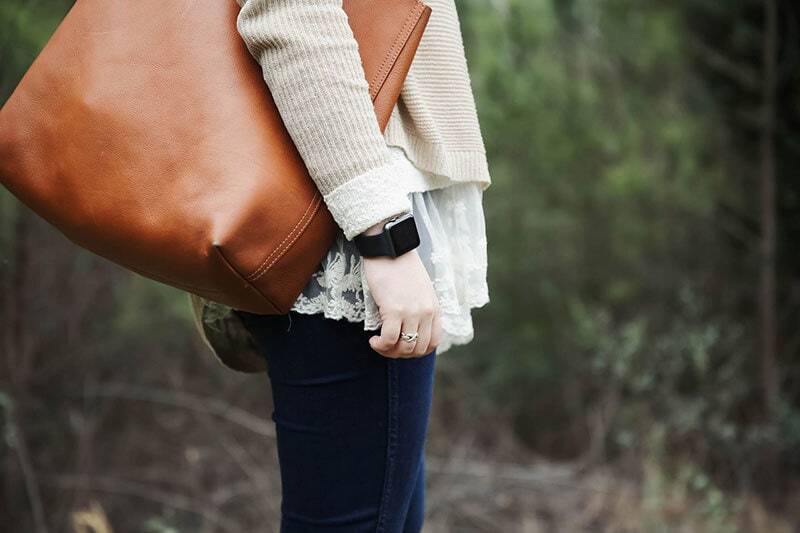
Sewing with leather and faux leather can be incredibly rewarding, but it’s not uncommon to encounter a few hurdles along the way. Understanding these common challenges and knowing how to address them will make your sewing experience much smoother and more enjoyable. This section will guide you through identifying and resolving typical issues, ensuring your projects turn out professionally.
Skipped Stitches or Uneven Tension
Skipped stitches or inconsistent tension can be frustrating, leading to weak seams and an unprofessional appearance. These issues often arise from a combination of factors related to your machine setup, needle, and thread. Addressing them requires a systematic approach to pinpoint the exact cause.
To resolve skipped stitches and uneven tension, consider the following:
- Needle Selection: Ensure you are using the correct needle type for leather or faux leather. A leather needle or a specialized sharp point needle is essential. If the needle is dull or bent, it can cause skipped stitches. Replace the needle if you suspect it’s compromised.
- Thread Choice: Use a strong, durable thread suitable for the material. Polyester or nylon threads are generally recommended. Ensure the thread is not frayed or damaged.
- Machine Tension Adjustment: Consult your sewing machine’s manual for guidance on adjusting upper and lower thread tension. For leather, you might need to slightly loosen the upper tension or tighten the lower tension, but always make small adjustments and test on a scrap piece first.
- Bobbin Winding: Ensure the bobbin is wound evenly and is not over-filled. A poorly wound bobbin can cause tension issues.
- Presser Foot: A standard presser foot can sometimes drag on leather. Consider using a walking foot or a roller foot, which helps feed the fabric more evenly.
Fabric Bunching or Dragging Under the Needle
When leather or faux leather bunches up or drags beneath the presser foot and needle, it can result in distorted stitches and fabric damage. This often occurs because the material is not feeding smoothly through the machine.
Strategies to prevent fabric bunching or dragging include:
- Presser Foot Type: As mentioned, a walking foot or roller foot is highly recommended. These specialized feet have mechanisms that help grip and feed the fabric evenly from both above and below, preventing it from bunching.
- Lower Presser Foot Pressure: If your machine allows, try reducing the presser foot pressure slightly. This can prevent the foot from gripping the material too tightly and causing it to drag. Test this on scrap material first.
- Sewing Speed: Avoid sewing too quickly. A slower, more controlled speed allows the machine to feed the fabric more consistently.
- Stitch Length: A slightly longer stitch length can sometimes help prevent bunching, especially on thicker leathers.
- Use of Tape or Stabilizer: For very slippery faux leathers, a temporary stabilizer or painter’s tape along the edge can help guide the fabric and prevent it from shifting.
Repairing Mistakes or Unpicking Stitches
Mistakes are a part of the learning process, and with leather and faux leather, it’s crucial to unpick stitches carefully to avoid permanent damage. Poking new holes where stitches were removed can weaken the material.
The following methods are effective for repairing mistakes and unpicking stitches:
- Specialized Seam Ripper: Use a sharp seam ripper designed for delicate fabrics. Be cautious and work slowly.
- Blade Insertion: Carefully slide the blade of the seam ripper under a stitch, lifting it to cut the thread. Avoid pulling the thread forcefully, as this can tear the material.
- Use of Tweezers: Once a stitch is cut, use fine-tipped tweezers to gently pull out the remaining thread.
- Unpicking One Stitch at a Time: It’s best to unpick one stitch at a time to maintain control and minimize the risk of damage.
- Covering Perforations: If you must re-sew in a slightly different line, consider using a decorative stitch or a leather patch to cover any visible stitch holes from the original seam.
- Professional Repair: For significant mistakes or valuable pieces, consider seeking professional help from a leather repair specialist.
Preventing Material from Sticking to the Machine Bed
Leather and faux leather can sometimes stick to the metal throat plate and presser foot of your sewing machine, causing drag and potential damage. This is more common with certain types of faux leather that have a slightly tacky surface.
Effective methods to prevent sticking include:
- Teflon or Roller Presser Foot: As previously mentioned, a Teflon presser foot or a roller presser foot is excellent for preventing sticking, as they have a non-stick surface or rolling mechanism.
- Machine Bed Tape: Applying specialized sewing machine bed tape or even painter’s tape to the throat plate area can create a smoother surface for the leather to glide over.
- Silicone Spray or Lubricant: A very light application of a silicone-based sewing machine lubricant or a specialized leather sewing lubricant on the machine bed (not the material itself) can help. Ensure it’s applied sparingly and test on a scrap to avoid staining.
- Wax or Candle: For very minor sticking, a light rub of beeswax or a plain candle along the edge of the machine bed where the material glides can sometimes help. Be cautious not to get any wax on your fabric.
- Parchment Paper or Tracing Paper: Place a thin layer of parchment paper or tracing paper between the material and the machine bed. Sew through it, and then carefully tear it away afterwards.
Project Ideas and Inspiration
Embarking on leather or faux leather sewing projects opens up a world of creative possibilities, from practical accessories to stylish garments. This section provides a curated list of projects to inspire your sewing journey, catering to various skill levels and interests. We’ll explore beginner-friendly options, intermediate and advanced challenges, and offer insights into the unique characteristics of working with these materials.This guide aims to spark your imagination and provide a clear path forward, whether you’re looking to create your first leather item or tackle a more ambitious design.
We will delve into project ideas, discuss the specific considerations for different types of items, and offer creative embellishment techniques to personalize your creations.
Beginner-Friendly Leather and Faux Leather Projects
For those new to sewing with leather or faux leather, starting with simpler projects is key to building confidence and mastering fundamental techniques. These projects often involve fewer complex curves, minimal pattern pieces, and straightforward construction methods. Success with these initial endeavors will pave the way for more intricate designs in the future.
- Coasters: A simple square or circle shape, often requiring just two pieces of material and decorative topstitching.
- Keychains: Small, often folded or layered pieces, perfect for practicing straight-line stitching and hardware attachment.
- Simple Cardholders: Usually consisting of a few rectangular pieces folded and stitched together, ideal for learning about edge finishing.
- Small Pouches/Coin Purses: Basic zippered or snap-closure pouches with minimal seams, great for practicing zipper insertion or snap application.
- Placemats: Large rectangular or shaped pieces that allow for practicing long, straight seams and decorative edge treatments.
Intermediate and Advanced Project Ideas
As your skills develop, you can explore more complex projects that involve intricate pattern work, challenging construction techniques, and the integration of various hardware and embellishments. These projects offer greater creative freedom and the opportunity to create truly statement pieces. The following table categorizes these ideas by item type.
| Category | Intermediate Projects | Advanced Projects |
|---|---|---|
| Bags | Crossbody bags with simple flap closures, tote bags with basic lining, drawstring pouches. | Structured handbags with multiple compartments, backpacks with complex strap systems, duffel bags with intricate hardware. |
| Accessories | Belts with buckles, laptop sleeves, simple wallets with card slots, coasters with decorative cutouts. | Leather gloves, tailored hats, intricate wallets with coin purses and ID windows, elaborate belts with multiple embellishments. |
| Garments | Simple skirts with elastic waistbands, A-line skirts with back zippers, basic vests. | Fitted jackets with intricate seam lines, tailored trousers, dresses with complex pattern matching and closures. |
| Home Decor | Upholstered cushions, simple storage bins, wall hangings. | Leather-bound journals, intricate wall art, custom furniture elements. |
Unique Challenges and Rewards of Specific Leather and Faux Leather Items
Sewing with leather and faux leather presents unique considerations depending on the type of item being created. Each project type offers its own set of challenges that, when overcome, lead to highly rewarding and durable results.For bags, the primary challenge lies in managing bulk and ensuring structural integrity. This often involves reinforcing seams, using appropriate interfacings, and carefully selecting hardware.
The reward is a durable, stylish bag that can withstand daily use and become a cherished accessory.Garments, such as jackets or trousers, demand precision in pattern fitting and seam construction. The non-forgiving nature of leather means mistakes are more visible, requiring careful attention to detail. However, the result is a sophisticated and luxurious garment that offers both style and longevity.Accessories like belts and wallets often involve working with smaller pieces and intricate hardware.
The challenge here is achieving clean edges and secure attachments. The reward is a functional and aesthetically pleasing accessory that adds a touch of elegance to any outfit.
Creative Embellishment Techniques for Leather and Faux Leather
Beyond basic stitching, a variety of embellishment techniques can elevate your leather and faux leather projects, adding personality and unique visual appeal. These methods can transform a simple item into a bespoke creation.
- Rivets and Studs: These metal embellishments are not only decorative but can also reinforce stress points on bags and accessories. They are typically applied with a setter tool.
- Conchos: Decorative metal discs, often with intricate designs, that can be attached to bags, belts, and other accessories using chicago screws or rivets.
- Painting and Stamping: Leather paints and stamps can be used to create custom designs, patterns, or even personalize items with names or initials. It’s crucial to use paints specifically designed for leather and to seal the painted areas.
- Appliqué: Layering different colors or textures of leather or faux leather can create striking visual effects. This involves cutting shapes and stitching them onto the main fabric.
- Hardware Integration: Beyond functional hardware like zippers and buckles, decorative eyelets, grommets, and chains can be incorporated into designs for a punk or industrial aesthetic.
- Perforations: Creating decorative holes in patterns using specialized punches or a rotary cutter can add a delicate and intricate design element, especially on lighter weight leathers.
Basic Pattern Layout for a Simple Leather Tote Bag
Designing a pattern for a simple leather tote bag is a straightforward process that involves a few key shapes. This layout is designed for ease of cutting and sewing, making it an excellent project for beginners looking to create a functional and stylish bag.The basic pattern consists of two main rectangular pieces for the bag body, two identical straps, and potentially a small rectangular piece for a reinforcing tab for the straps.For a tote bag measuring approximately 15 inches wide by 16 inches tall (excluding strap length), the pattern pieces would be as follows:
- Bag Body (2 pieces): Each piece would be a rectangle measuring 15 inches wide by 32 inches tall. This allows for a 1-inch seam allowance on all sides, resulting in a finished bag that is 15 inches wide and 16 inches tall. When sewn together at the sides and bottom, these two pieces form the main body of the tote.
- Straps (2 pieces): Each strap could be a rectangle measuring 3 inches wide by 24 inches long. This provides a comfortable strap length and allows for folding and topstitching to create a finished strap approximately 1 inch wide.
When laying out these pattern pieces on your leather or faux leather, ensure that the grain or stretch direction (if applicable) is consistent for all pieces. Maximize your material usage by placing the pieces strategically to minimize waste. Remember to transfer your pattern markings accurately to the leather, especially where seams will join and where straps will be attached.
Closing Notes
As we conclude our exploration of sewing with leather and faux leather, it’s clear that with the right knowledge and a touch of patience, you can achieve professional-quality results. From selecting the perfect material to mastering intricate finishing techniques and overcoming any sewing hurdles, this guide has provided a solid foundation for your creative endeavors. We encourage you to experiment, embrace the learning process, and enjoy the rewarding experience of creating stunning pieces from leather and faux leather.