How to Patch a Hole in Jeans Using Your Machine is an essential skill for anyone looking to extend the life of their favorite denim. This guide delves into the practical and satisfying process of transforming a worn-out garment into a revitalized piece, showcasing how a sewing machine can be your best ally in achieving durable and stylish repairs. We’ll explore the advantages of machine patching, the necessary tools, and a clear, step-by-step approach to mastering this valuable technique.
From selecting the perfect patch material to executing precise stitching, this comprehensive overview is designed to empower you with the knowledge to tackle denim repairs with confidence. Whether you aim for an invisible mend or a decorative statement, understanding the nuances of machine patching will ensure your jeans not only regain their structural integrity but also showcase your personal flair.
Introduction to Patching Jeans with a Sewing Machine
Repairing a hole in your favorite jeans with a sewing machine offers a durable and aesthetically pleasing solution. This method leverages the power and precision of a machine to create a strong mend that can withstand regular wear and tear, extending the life of your denim considerably. It’s a practical skill that empowers you to maintain your wardrobe and reduce textile waste.The fundamental concept of machine patching involves reinforcing the damaged area of the denim with new fabric and stitching it securely in place.
Unlike hand sewing, which can be time-consuming and may not offer the same level of structural integrity for heavy-duty fabrics like denim, a sewing machine provides consistent stitch density and strength. This makes it ideal for areas that experience significant stress, such as knees, elbows, and seams.
Essential Tools and Materials for Machine Patching
Gathering the right supplies before you begin ensures a smooth and successful repair process. Having everything at hand will allow you to focus on the patching technique without interruption.The following items are crucial for effectively patching jeans with a sewing machine:
- Denim Fabric: A piece of denim that closely matches the color and weight of your jeans for an integrated look. You can often salvage this from old jeans or purchase it from a fabric store.
- Sewing Machine: Ensure your machine is in good working order and threaded with a strong, appropriately colored thread.
- Strong Thread: Heavy-duty polyester or cotton-wrapped polyester thread is recommended for its durability. Matching the thread color to your jeans or the patch is ideal for a seamless repair, or using a contrasting color can be a stylistic choice.
- Sharp Scissors: For cutting the patch and trimming excess fabric.
- Fabric Glue or Temporary Adhesive (Optional): To hold the patch in place before sewing.
- Iron and Ironing Board: For pressing seams and the patch flat.
- Seam Ripper: To carefully remove any loose threads or fraying edges around the hole.
- Pins: To secure the patch to the jeans.
- Needles: A denim or heavy-duty needle for your sewing machine is essential for penetrating the thick fabric.
Overview of the Machine Patching Process
Understanding the sequence of steps involved in machine patching will help you approach the repair with confidence. Each stage plays a vital role in achieving a robust and visually appealing mend.The patching process can be broken down into the following key stages:
- Preparation of the Damaged Area: Carefully inspect the hole and its surroundings. Use a seam ripper to gently remove any loose threads and trim away frayed edges. If the hole is large, you may need to turn the jeans inside out and trim any loose threads from the back as well.
- Cutting and Preparing the Patch: Cut a piece of denim fabric for your patch, ensuring it is large enough to extend at least an inch beyond all edges of the hole. If the hole is on a seam or an area that experiences a lot of stretching, you might want to cut the patch slightly larger to provide extra reinforcement. For a neater finish, you can fold over the edges of the patch by about ¼ inch and press them flat with an iron.
This creates a clean edge that will be less prone to fraying and easier to sew.
- Positioning and Securing the Patch: Turn the jeans inside out. Place the prepared patch over the hole on the wrong side of the fabric. Ensure it is centered and covers the entire damaged area. Use pins to secure the patch firmly in place. For added stability, you can apply a thin layer of fabric glue or temporary adhesive to the edges of the patch before pinning.
- Sewing the Patch: Set up your sewing machine with a denim needle and strong thread. Begin sewing around the perimeter of the patch, about ¼ inch from the edge. You can choose to sew in a straight line or a zigzag stitch for added strength. For a more decorative and durable mend, consider sewing in multiple rows or creating a cross-hatch pattern over the entire patch.
Sew slowly and carefully, guiding the fabric to ensure even stitches.
- Finishing Touches: Once the patch is securely sewn, turn the jeans right side out. Trim any excess threads. If you pressed the edges of the patch, they should lie flat. You can further reinforce the patch by sewing a few straight stitches across the hole itself, on the right side of the jeans, to mimic the original weave of the denim.
Press the repaired area with an iron to give it a crisp finish.
Preparing the Jeans and the Patch Material
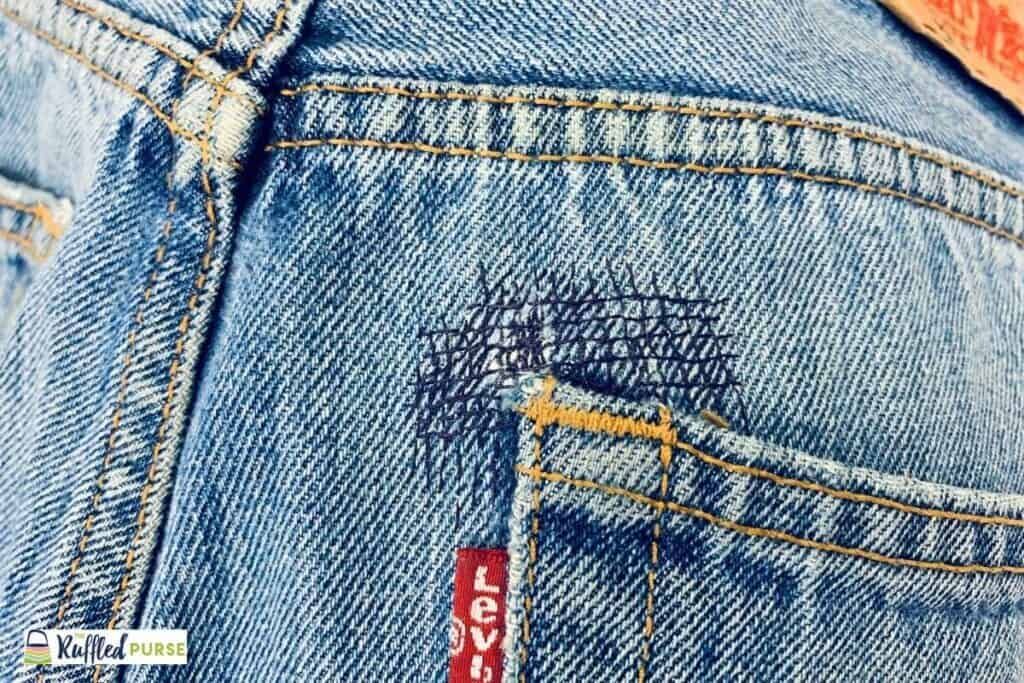
Before we begin the actual sewing process, it’s crucial to properly prepare both your jeans and the material you’ll use for the patch. This step ensures a neat, durable, and aesthetically pleasing repair. Taking the time for thorough preparation will make the subsequent sewing much smoother and the final result more professional.This section will guide you through assessing the damage, cleaning the affected area, selecting the right fabric for your patch, and preparing it for application.
Assessing the Hole and Location
Understanding the extent and placement of the damage is the first critical step. This assessment will inform all subsequent decisions regarding the patch size, material, and stabilization techniques.The size and shape of the hole will dictate how much fabric needs to be covered. A small snag might require a minimal patch, while a large tear will need more substantial reinforcement.
The location is also important; for instance, a hole in a high-stress area like the knee or crotch will require a stronger, more durable patch than one on the thigh. Consider the fabric’s stretch and weave at the point of damage, as this can affect how the repair integrates with the original material.
Cleaning the Area Around the Hole
A clean surface is essential for a successful patch application. Dirt, grime, or residual fabric fibers can interfere with the adhesion of the patch and compromise the longevity of the repair.Before you begin, ensure the jeans are clean. If the area around the hole is particularly soiled, it’s best to wash the jeans.
- If washing is not feasible, use a damp cloth with a mild detergent or fabric cleaner to gently wipe down the area.
- Allow the area to dry completely before proceeding.
- For any loose threads around the hole, carefully trim them with sharp fabric scissors to create a neater edge.
Selecting Appropriate Patch Material
The choice of patch material significantly impacts the durability, appearance, and feel of the repaired jeans. The goal is to match the original fabric as closely as possible in terms of weight, stretch, and color.Consider the following factors when selecting your patch material:
- Fabric Type: For denim jeans, using another piece of denim is often the best choice. Look for denim of a similar weight and weave. If your jeans have stretch, opt for a stretchy denim patch. For other types of pants, match the original fabric accordingly (e.g., cotton twill for chinos).
- Color: Ideally, the patch should match the color of your jeans as closely as possible to make the repair less noticeable. If a perfect match isn’t available, consider a slightly darker shade for durability, or a contrasting color for a deliberate design element.
- Texture: The texture of the patch material should also complement the original fabric. A very smooth patch on a heavily textured denim might look out of place.
A well-matched patch will blend seamlessly, while a poorly chosen one can draw unwanted attention.
Cutting the Patch to the Correct Size and Shape
Once you have selected your patch material, it needs to be cut to the appropriate dimensions. The patch should be large enough to cover the hole entirely and extend slightly beyond its edges to provide sufficient overlap for sewing.To cut the patch accurately:
- Place the patch material flat.
- Lay the jeans over the patch material, positioning the hole over the fabric.
- Using a pen or fabric marker, trace around the hole, adding at least 1/2 inch (approximately 1.25 cm) to all sides. This extra margin will be used for sewing.
- For irregular holes, it’s often beneficial to round the corners of your patch. Sharp corners can sometimes lift or fray more easily over time.
- Cut the patch using sharp fabric scissors.
Stabilizing the Edges of the Hole
Before applying the patch, it’s a good practice to stabilize the edges of the hole. This prevents further fraying and makes the sewing process easier and more effective.There are several methods for stabilizing the edges:
- Fray Check or Fabric Glue: Apply a small amount of liquid fray preventative (like Fray Check) or a fabric glue along the raw edges of the hole. This will seal the fibers and prevent them from unraveling. Allow it to dry completely according to the product instructions.
- Hand Stitching (Basting): You can use a needle and thread to create a simple running stitch around the perimeter of the hole. This temporary stitch will hold the edges in place while you sew the patch.
- Iron-On Interfacing (Optional): For larger holes or areas prone to stress, you can cut a piece of iron-on interfacing slightly larger than your patch. Apply it to the wrong side of the fabric behind the hole according to the manufacturer’s instructions. This adds an extra layer of stability.
Machine Stitching Techniques for Denim Patches
With the preparatory steps complete, we now move to the core of transforming your jeans with a patch: the machine stitching techniques. This section will guide you through selecting the right stitches, securing the patch effectively, and reinforcing it for longevity and a polished appearance. Mastering these techniques will ensure your patched jeans are not only functional but also stylish.The choice of stitch and the order in which you apply them significantly impact the durability and aesthetics of your denim patch.
Denim is a robust fabric, and it requires stitches that can withstand stress and wear. We will explore how different stitch types contribute to this, and how a systematic approach to stitching can yield professional-looking results.
Suitable Stitch Types for Denim
Denim’s inherent strength calls for stitches that can handle tension and abrasion. Fortunately, most sewing machines offer a range of stitches that are perfectly suited for this task. Understanding the purpose of each stitch will help you make informed decisions for your patching project.
- Straight Stitch: This is the most fundamental stitch and is excellent for general sewing, including attaching patches. It provides a clean, strong seam. For denim, using a slightly longer stitch length (around 2.5-3mm) can prevent the fabric from tearing along the stitch line under stress.
- Zigzag Stitch: A zigzag stitch is invaluable for finishing raw edges and preventing fraying. When patching, a narrow to medium-width zigzag stitch (around 1-3mm width) is ideal for sewing around the perimeter of the patch. This creates a dense, interlocking stitch that effectively encases the raw edge of the patch, making it resistant to unraveling. A wider zigzag can also be used for decorative purposes or to cover a larger area if needed.
- Satin Stitch (or Dense Zigzag): While not a standard stitch on all machines, some have a “satin stitch” or a very dense zigzag option. This can be used to completely cover the edges of a patch for a very clean and durable finish, almost like a decorative embroidery.
Sequence for Securing the Patch
A well-defined sequence ensures the patch is firmly attached and minimizes shifting during the stitching process. Starting with a temporary hold before permanent stitching is crucial for accuracy and ease.
- Basting or Pinning: Before engaging your sewing machine, it is essential to secure the patch in place. You can do this by:
- Hand Basting: Using a long, loose hand stitch to temporarily sew the patch to the jeans. This allows for easy removal of the basting threads later.
- Machine Basting: Setting your sewing machine to a long stitch length (maximum) and sewing a few lines around the perimeter of the patch, without backstitching. This provides a temporary hold that can be easily removed.
- Fabric Glue Stick: A temporary fabric glue stick can also hold the patch in place, allowing you to sew without pins. Ensure it’s a washable and temporary variety.
- Pins: The most common method is to use sewing pins. Place them perpendicular to the edge of the patch, ensuring they go through both the patch and the jeans. For curved edges, more pins will be needed to keep the patch smooth.
The goal is to keep the patch from moving while you sew.
- Stitching the Perimeter: Once the patch is securely in place, you will begin the permanent stitching. This is typically done with a straight stitch or a narrow zigzag stitch around the edges of the patch.
Sewing Around the Edges to Prevent Fraying
This step is critical for the longevity and neat appearance of your patch. By encasing the raw edges of the patch, you prevent them from unraveling over time.The most effective method for preventing fraying is to use a zigzag stitch. Position your sewing machine’s needle so that one swing of the zigzag goes just off the edge of the patch, and the other swing catches the patch itself.
This creates a dense line of stitching that effectively seals the raw edge.You should begin by sewing a straight stitch around the patch about 1/8 inch from the edge to hold it firmly. Then, switch to your zigzag stitch and sew directly over the straight stitch line, or slightly overlapping it, to encapsulate the raw edge. Ensure consistent speed and tension for a uniform finish.
Reinforcing the Patch from the Inside
For areas that experience significant stress, such as the knee area of jeans, reinforcing the patch from the inside adds crucial durability. This creates a stronger bond and distributes tension across a wider area.To reinforce from the inside, you will want to use a strong thread, ideally a polyester or heavy-duty cotton thread.
- Tacking Stitches: After you have stitched the patch from the outside, turn the jeans inside out. Use a straight stitch or a small zigzag stitch to create “tacking” stitches that go from the edge of the patch, through the denim of the jeans, and back to the edge of the patch. These stitches should be placed strategically around the perimeter, especially at stress points like corners or along the top and bottom edges.
- Bar Tacks: For areas of high stress, consider creating bar tacks. These are short, dense zigzag stitches that are sewn back and forth several times. You can create these at the corners of the patch or at any point where the patch is likely to experience pulling. Many sewing machines have a dedicated bar tack setting, or you can achieve this by repeatedly sewing a very short and narrow zigzag stitch over the same area.
- Lining with Interfacing: Another internal reinforcement technique involves applying a piece of fusible interfacing to the inside of the jeans, behind the patch. This adds a layer of stability and strength to the entire patched area. Ensure the interfacing is ironed on securely before you begin stitching the patch from the outside.
Creating a Visually Appealing and Durable Patch
The final appearance of your patched jeans depends on both the stitching technique and the overall design. A well-executed patch should not only be strong but also complement the style of the jeans.
To achieve a visually appealing and durable patch from the outside, consider the following:
- Thread Color Choice: While matching thread to the patch is a subtle option, using a contrasting thread color can make the patch a deliberate design element. For instance, a bright red thread on a blue denim patch can add a pop of color and highlight the repair. Consider the original stitching on your jeans; often, a similar color or a complementary shade can look harmonious.
- Stitch Density and Pattern: For decorative appeal, you can vary the stitch type and density. After securing the patch with a standard zigzag around the edge, you could add a second line of stitching using a decorative stitch if your machine offers one. Alternatively, a simple straight stitch sewn in a pattern (like parallel lines or a crosshatch) over the patch can add visual interest and reinforce the fabric.
- Topstitching: Similar to how jeans are often topstitched along seams, you can add a decorative topstitch around the perimeter of the patch. This is typically done with a straight stitch, slightly longer than your seam stitch, and often in a contrasting color. It provides a clean, finished look and adds another layer of security.
- Embellishments: For a truly unique look, consider adding small embellishments after the patch is securely stitched. This could include embroidery, fabric paint, or even small rivets, depending on your style and the type of jeans. However, ensure these are applied in a way that does not compromise the structural integrity of the patch or the jeans.
The goal is to make the repair a feature, not a flaw, by combining functional stitching with thoughtful design.
Advanced Patching and Decorative Options
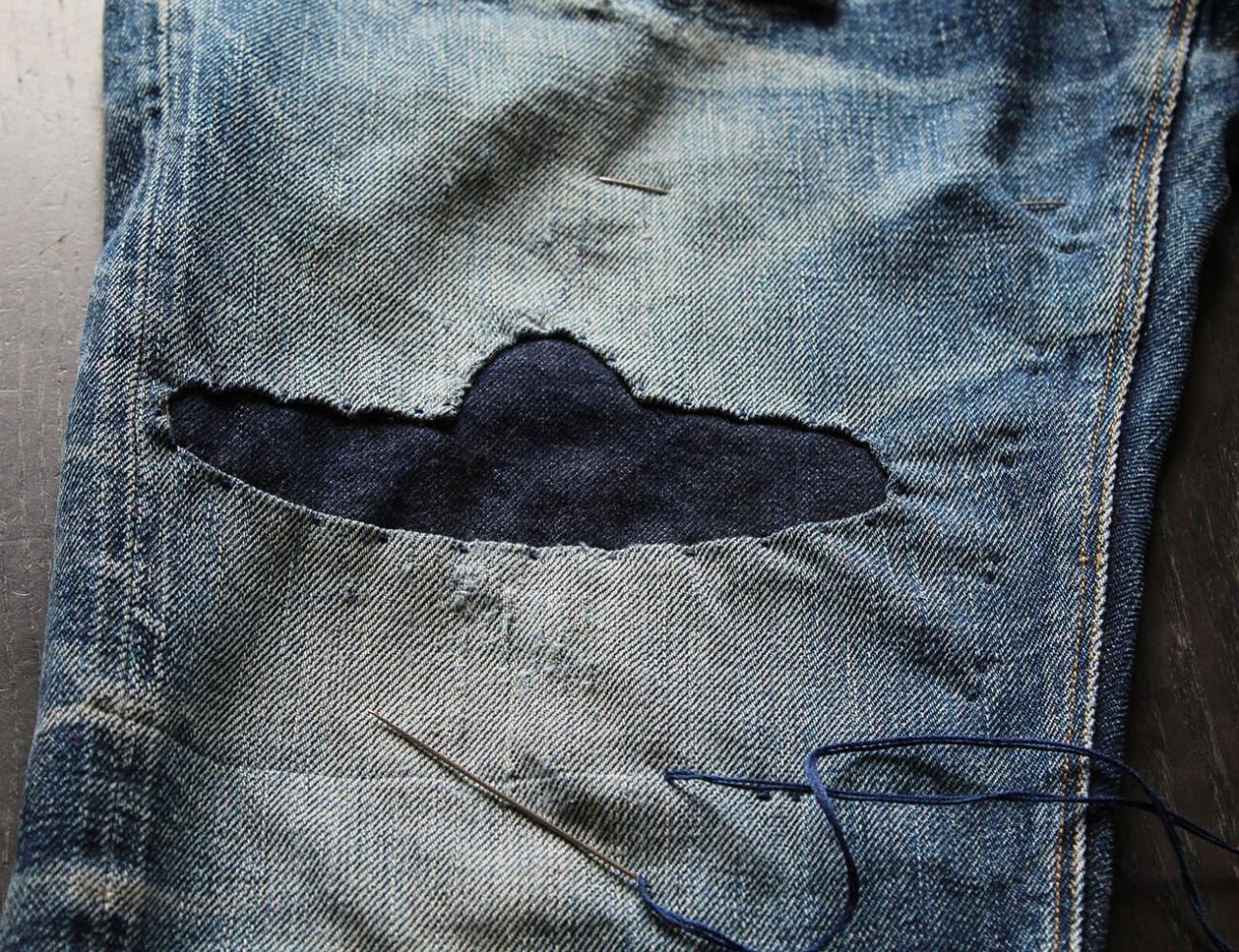
Beyond basic repairs, patching jeans with a sewing machine opens up a world of creative possibilities. This section delves into techniques that elevate a simple patch from a functional fix to a stylish design element, allowing you to personalize your denim and even extend its lifespan with flair.
Creating an Invisible Patch
Achieving an invisible patch requires meticulous attention to detail, aiming to make the repair as unobtrusive as possible. The goal is to mimic the original fabric’s appearance and texture so that the mend blends seamlessly into the surrounding denim.To create an invisible patch, select a patch material that closely matches the weight, weave, and color of the original denim. For internal patches, cut the patch slightly larger than the hole.
Apply a fusible interfacing to the wrong side of the patch material to prevent fraying and provide stability. Place the patch on the inside of the jeans, aligning it with the hole. Using a stitch length that is very close to the original stitch length of the jeans, stitch around the edges of the patch. For the final touch, use a thread color that precisely matches the original denim.
If the original denim has a faded appearance, consider gently distressing the patch material before application to better match the surrounding area.
Using Contrasting Fabric for Decorative Patches
Contrasting fabric patches offer a bold and intentional design statement, transforming a repair into a focal point. This method allows for significant personalization and can revitalize a pair of jeans with a unique aesthetic.When using contrasting fabric, consider materials like vibrant cotton prints, textured corduroy, or even faux leather. Cut the patch to the desired shape and size, ensuring it covers the damaged area completely.
For a clean finish, you can either hem the edges of the patch before sewing it onto the jeans or use a decorative stitch that encases the raw edge. Attach the patch to the outside of the jeans, securing it firmly with your sewing machine. Experiment with different placements, such as covering a large tear on the knee or adding a series of smaller patches along a seam.
Incorporating Embroidery or Decorative Stitching
Adding embroidery or decorative stitching over a patch is an excellent way to enhance its visual appeal and further integrate it into the jeans’ design. This technique allows for intricate patterns and personalized touches.Once the patch is securely attached, you can begin adding decorative elements. Simple straight stitches in a contrasting thread color can mimic the original jeans’ stitching pattern, creating a subtle integration.
For a more elaborate look, consider free-motion embroidery to create custom designs, floral motifs, or even text directly onto or around the patch. Alternatively, use decorative stitch functions on your sewing machine, such as zig-zag or satin stitches, to Artikel the patch or fill in areas with color and texture. Before embarking on extensive embroidery, it is advisable to practice your chosen stitch on a scrap of the patch material to ensure the desired effect.
Mimicking Original Denim Texture and Fading
Replicating the original denim’s texture and fading is key to a truly seamless repair, especially for an invisible patch. This requires careful selection of materials and subtle distressing techniques.To mimic texture, use a denim patch of a similar weight and weave. If the original denim is particularly soft or worn, consider pre-washing the patch material multiple times. To replicate fading, you can gently sand the patch material with fine-grit sandpaper in areas where the original denim shows wear.
Another effective method is to use a diluted bleach solution applied sparingly with a sponge or brush to create subtle variations in color. Always test these distressing techniques on a scrap piece first to achieve the desired level of wear.
Layering Multiple Patches for a Unique Look
Layering patches offers a dynamic and visually interesting approach to denim repair and customization. This technique allows for the creation of complex designs and the opportunity to combine different textures and colors.Begin by deciding on the overall design and the order in which the patches will be applied. Smaller patches can be placed on top of larger ones, or they can be arranged in a mosaic-like pattern.
Consider how the edges of each patch will interact; some can be overlapped for a rugged look, while others can be meticulously aligned for a more structured design. Secure the base layer of patches first, then add subsequent layers, ensuring each is firmly attached. This method is particularly effective for covering extensive damage or for creating a statement piece.
Troubleshooting Common Machine Patching Issues

Even with careful preparation, sewing machine patching can sometimes present challenges. Understanding these common problems and their solutions will help you achieve a smooth and durable repair. This section will guide you through identifying and resolving issues like skipped stitches, thread breakage, and fabric puckering, ensuring your patched jeans look as good as new.
Sewing Machine Tension Adjustment for Denim
Proper tension is crucial when sewing through the robust layers of denim. Incorrect tension can lead to skipped stitches, thread breakage, or a messy stitch appearance on both sides of the fabric. Adjusting your machine’s tension settings will ensure a balanced and secure stitch.
The general principle for adjusting sewing machine tension is to achieve a balanced stitch where the thread from the top and bobbin interlock neatly within the fabric layers, without pulling too tightly or being too loose.
| Symptom | Potential Cause | Solution |
|---|---|---|
| Skipped stitches | Needle is bent, dull, or the wrong type for denim; incorrect needle insertion; lint buildup in the bobbin area; insufficient tension on the top thread. | Replace the needle with a new, sharp denim or jeans needle. Ensure the needle is inserted correctly and fully seated. Clean the bobbin case and feed dogs. Increase the top thread tension slightly. |
| Thread breakage (top thread) | Thread is too coarse or of poor quality; needle eye is too small; tension is too tight; thread path is obstructed. | Use a strong, good-quality thread specifically designed for denim. Ensure the needle eye is appropriate for the thread. Decrease top thread tension. Check that the thread is properly guided through all tension discs and guides. |
| Thread breakage (bobbin thread) | Bobbin is wound unevenly; lint buildup in the bobbin case; bobbin case tension is too tight. | Rewind the bobbin smoothly. Clean the bobbin case thoroughly. Loosen the bobbin case tension slightly (this usually involves a small screw on the bobbin case). |
| Loose stitches (on the underside) | Top thread tension is too low; bobbin thread tension is too high. | Increase the top thread tension; decrease the bobbin thread tension. |
| Knotted stitches (on the underside) | Top thread tension is too high; bobbin thread tension is too low. | Decrease the top thread tension; increase the bobbin thread tension. |
Solutions for Thick Denim Layers
Patching thick denim, especially at seams or multiple layers, can strain your sewing machine and lead to skipped stitches or broken needles. Employing specific techniques will help your machine navigate these dense areas with ease.
When encountering thick denim, it’s essential to reduce the resistance your machine faces and ensure the needle can penetrate effectively without bending or breaking.
- Use the Right Needle: Always opt for a heavy-duty denim or jeans needle (size 16 or 18 is common). These needles are designed with a stronger shaft and a sharper point to pierce through multiple layers of thick fabric.
- Reduce Speed: Sew slowly and deliberately over thick areas. This gives the needle more time to penetrate each layer and prevents the machine from jamming or skipping stitches.
- Stitch Length Adjustment: A slightly longer stitch length can sometimes help when going through very thick areas, as it allows the machine to move forward more easily. Experiment on a scrap piece of denim first.
- Handwheel Use: For particularly challenging spots, manually turn the handwheel to guide the needle through the thickest part. This gives you precise control and reduces stress on the machine’s motor.
- “Walking” Over Seams: To ease the transition over thick seams, you can place a small folded piece of fabric or a seam ripper tip under the presser foot on the side that is already on the thinner fabric. This creates a more even surface for the presser foot to travel over, preventing it from getting stuck.
Avoiding Fabric Puckering or Bunching
Puckering or bunching of fabric during machine patching can result in an unsightly and unprofessional finish. This occurs when the fabric is pulled unevenly by the feed dogs or when the tension is not correctly balanced.
Achieving a flat, smooth patch requires careful management of fabric movement and stitch tension.
- Proper Fabric Placement: Ensure the patch and the jean fabric are aligned smoothly and are not stretched or pulled as you begin to sew. Use clips or pins judiciously, but avoid over-pinning which can create bumps.
- Stabilize the Fabric: For very thin or stretchy denim, consider using a temporary stabilizer like a wash-away or tear-away stabilizer underneath the patch and the jean fabric. This adds structure and prevents the fabric from shifting.
- Check Feed Dog Height: While most home machines don’t allow for feed dog height adjustment, ensure they are clean and functioning correctly. If your machine has this feature, consult your manual for adjustments.
- Correct Tension Balance: As discussed earlier, balanced tension is key. If the top thread is too tight, it will pull the fabric upwards, causing puckering. If the bobbin thread is too tight, it can create ripples on the underside.
- Thread Type: Using a strong, high-quality thread that isn’t prone to stretching is important.
- Pressing: After sewing, a good press with steam can help to relax the fabric fibers and flatten out any minor puckering.
Maintaining the Sewing Machine for Optimal Patching Performance
Regular maintenance of your sewing machine is essential for it to perform reliably, especially when tackling demanding tasks like patching denim. A well-maintained machine will prevent many of the troubleshooting issues discussed previously.
Proactive care ensures your sewing machine is ready for any repair job, extending its lifespan and improving stitching quality.
- Regular Cleaning: Lint and dust can accumulate inside your machine, particularly around the bobbin area and feed dogs. Clean these areas regularly using a small brush or compressed air. This is crucial for preventing skipped stitches and thread jams.
- Lubrication: Consult your sewing machine’s manual for specific lubrication points and recommended oils. Proper lubrication reduces friction, prevents wear and tear, and ensures smooth operation. Over-oiling should be avoided.
- Needle Changes: Replace your sewing needle frequently. A dull or bent needle is a primary cause of skipped stitches, thread breakage, and fabric damage. For denim patching, ensure you are using the correct type and size of needle.
- Bobbin Winding: Ensure your bobbins are wound evenly and smoothly. Unevenly wound bobbins can cause tension issues and thread breakage.
- Professional Servicing: For more complex issues or as part of a regular maintenance schedule (typically once a year for frequent users), consider having your sewing machine professionally serviced. This ensures all internal mechanisms are functioning correctly.
Maintaining and Caring for Patched Jeans
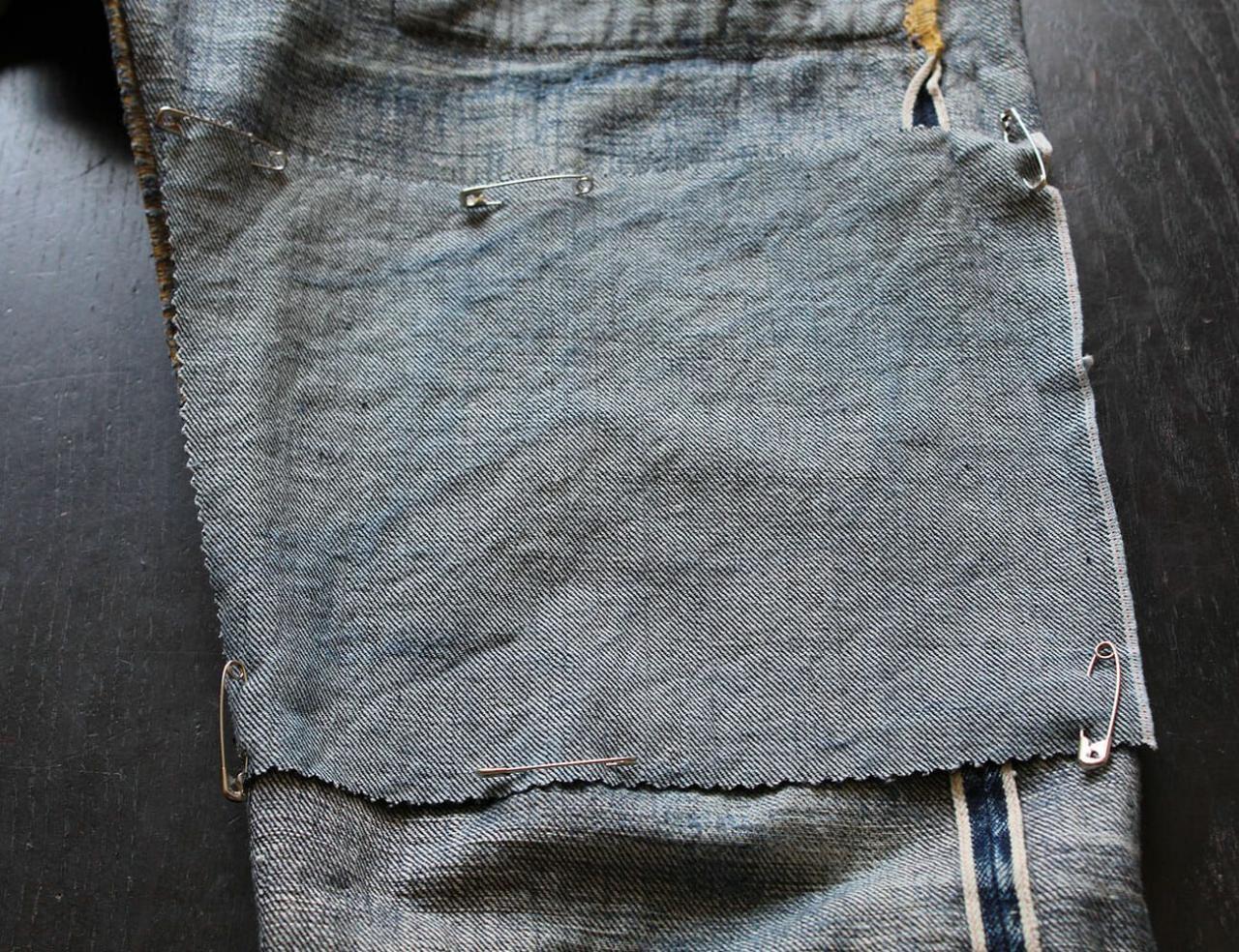
Ensuring the longevity and continued appeal of your newly patched jeans involves thoughtful care and attention. Just like any garment, proper maintenance will help preserve the integrity of both the original denim and the applied patch, allowing you to enjoy your repaired jeans for a long time to come. This section will guide you through the best practices for washing, drying, and general upkeep.Proper care is crucial to prevent premature wear and tear on your patched areas.
By following these guidelines, you can significantly extend the life of your jeans and keep your repairs looking neat and secure.
Washing and Drying Patched Jeans
The way you wash and dry your patched jeans plays a vital role in their durability. Gentle handling is key to preventing the patch from unraveling or the stitching from weakening.Best practices for washing and drying include:
- Washing: Turn your jeans inside out before washing. This protects the outer surface, including the patch and its stitching, from direct abrasion with other garments or the washing machine drum. Use a gentle cycle with cold water. Hot water can cause denim to shrink and fade more rapidly, and can also affect the adhesive or thread used in the patch.
Opt for a mild detergent and avoid bleach or harsh stain removers, which can degrade fabric and stitching.
- Drying: Air drying is the most recommended method for patched jeans. Hang them to dry away from direct sunlight, which can cause fading. If you must use a dryer, select a low heat setting and remove the jeans while they are still slightly damp to prevent over-drying and potential shrinkage. Avoid high heat, as it can weaken the fabric and the bond of the patch.
Identifying and Addressing Patch Wear
Over time, even well-applied patches can show signs of wear. Regularly inspecting your patched jeans will allow you to catch minor issues before they become major problems.Signs of wear to look for include:
- Loose threads around the edges of the patch.
- Fraying of the patch material itself.
- Peeling or lifting of the patch from the denim.
- Areas where the stitching is becoming thin or broken.
If you notice any of these signs, it’s time to address them promptly. Minor fraying can often be trimmed with sharp scissors. If the patch is starting to lift, a few strategic stitches can secure it back in place.
Reinforcing a Loosening Patch
When a patch begins to show signs of loosening, it’s a clear indication that reinforcement is needed. This is a relatively simple process that can save your jeans from further damage.To reinforce a patch that is starting to loosen:
- Carefully lift the edge of the loosening patch.
- Using a needle and matching thread, add a few extra stitches along the edge where it is detaching. Focus on securing the fabric to the original denim.
- If the entire patch feels unstable, consider adding a few anchoring stitches in the center or other key areas to provide additional support.
It is often beneficial to use a strong, durable thread, such as upholstery thread or a heavy-duty polyester thread, for these reinforcement stitches, as it will better withstand stress.
Caring for Specific Stitching Types
The type of stitching used for your patch influences how it should be cared for. Different threads and stitch patterns have varying levels of durability.Consider the following based on your stitching:
- Machine Topstitching: This is generally quite durable. Ensure the thread used is strong and that the stitches are consistently spaced. If you notice individual stitches breaking, re-stitching that section can prevent further unraveling.
- Hand-Stitching (e.g., Blanket Stitch): If you used a decorative hand stitch, ensure the thread is of good quality and that knots are secure. Hand-stitched areas may require more frequent visual checks for loose loops or fraying threads.
- Fray Check or Fabric Glue: If you used a sealant on the edges, ensure it remains intact. Reapply a small amount if you notice it cracking or peeling, but do so sparingly to avoid stiffness.
Determining When a Patch Needs Replacement
While patches are designed to be a durable repair, there comes a time when even the best patch has served its purpose and may need to be replaced.A patch typically needs replacement when:
- The patch material itself has significantly worn through, creating new holes.
- The original denim beneath the patch is also heavily deteriorated.
- The patch has become detached to the point where re-stitching is no longer feasible or effective.
- The aesthetic of the patch no longer matches the overall appearance of the jeans, and you wish to update the look.
Replacing a patch allows you to give your jeans a new lease on life, perhaps with a different fabric or color, continuing the cycle of repair and wear.
Last Word
In summary, mastering how to patch a hole in jeans using your machine opens up a world of possibilities for garment repair and creative expression. By following the Artikeld steps, from preparation to advanced techniques and troubleshooting, you can confidently breathe new life into your denim. Embrace the satisfaction of a well-executed repair, knowing that your favorite jeans are now more durable and uniquely yours, ready for many more adventures.