How to Organize Your Sewing Space for Efficiency is your guide to transforming your creative haven into a model of productivity and inspiration. This journey will explore the fundamental needs of an effective sewing environment, addressing common challenges and setting clear goals for optimization. We will delve into practical strategies, from meticulous decluttering to innovative storage solutions, ensuring every tool and material has its designated place.
Discover how to arrange your sewing machine and cutting area for maximum comfort and workflow, and learn effective methods for managing patterns and ongoing projects. We’ll also touch upon enhancing accessibility, creating distinct task zones, and maintaining a tidy space long-term. Finally, prepare to be inspired by creative storage and display ideas that not only serve a purpose but also elevate the aesthetic of your sewing sanctuary.
Understanding the Core Needs of a Sewing Space

A well-organized sewing space is the bedrock of efficient and enjoyable crafting. It’s not merely about having a place to sew, but about creating an environment that supports your workflow, minimizes frustration, and maximizes your creative output. Understanding the fundamental requirements is the first step toward transforming any area into a productive sewing sanctuary.The essence of an effective sewing environment lies in its ability to cater to the specific demands of sewing.
This involves considering not just the machinery and materials, but also the physical and mental aspects of the crafting process. A functional sewing area is one that is intuitive, accessible, and conducive to focused work, allowing you to move seamlessly from inspiration to finished project.
Fundamental Requirements for an Effective Sewing Environment
An effective sewing environment is built upon several key pillars that ensure functionality and comfort. These requirements address the practicalities of sewing, as well as the need for a space that inspires and supports creativity.
- Adequate Lighting: Sufficient and appropriate lighting is paramount. This includes both general ambient light and task lighting directly over the sewing machine and cutting table. Natural light is ideal, but high-quality artificial lighting, such as adjustable floor lamps or desk lamps with daylight bulbs, is essential to prevent eye strain and ensure accurate color perception.
- Ergonomic Setup: Comfort is crucial for long sewing sessions. This involves having a chair that provides good back support and is adjustable in height, and a sewing table or desk at an appropriate height to prevent slouching or repetitive strain. The distance between the sewing machine, cutting surface, and storage should also be considered to minimize unnecessary movement.
- Ventilation: While often overlooked, good ventilation is important, especially when working with certain fabrics, adhesives, or pressing tools that can release fumes. Ensuring fresh air circulation can contribute to a healthier and more pleasant working environment.
- Organization and Accessibility: Tools, notions, fabrics, and patterns need to be organized in a way that makes them easily visible and accessible. This reduces time spent searching and keeps the creative flow uninterrupted.
- Sufficient Workspace: A sewing space needs adequate surface area for cutting fabric, laying out patterns, and accommodating the sewing machine and any additional equipment like sergers or ironing stations.
Essential Elements of a Functional Sewing Area
A functional sewing area integrates specific elements that directly contribute to its efficiency and usability. These are the building blocks that transform a generic space into a dedicated and productive hub for sewing projects.
- Sewing Machine Station: This is the central hub, requiring a stable surface, easy access to power outlets, and ample space for the machine, accessories, and any extensions. It should be positioned to allow for comfortable sewing posture.
- Cutting Surface: A large, flat, and stable surface is vital for accurate fabric cutting. This can be a dedicated cutting table, a large desk, or even a sturdy table covered with a self-healing cutting mat. The height should ideally be such that you can cut without excessive bending.
- Storage Solutions: Effective storage is key to maintaining order. This includes shelving for fabric, drawers for notions, bins for smaller items, and specialized organizers for patterns, rulers, and other tools. Vertical storage is often a good strategy to maximize space.
- Ironing Station: A dedicated area for pressing is essential. This typically includes an ironing board, a good quality iron, and potentially a pressing cloth or tailor’s ham. It should be located conveniently close to the sewing machine for easy access during construction.
- Reference Area: A space to keep patterns, instruction manuals, inspiration books, and color swatches readily available can significantly streamline the planning and execution of projects.
Common Challenges Faced by Sewers When Organizing Workspaces
Many sewers encounter recurring obstacles when attempting to organize their creative spaces. Recognizing these common challenges is the first step toward finding effective solutions and preventing them from hindering productivity.
- Limited Space: This is perhaps the most prevalent issue. Many sewers work from a corner of a room, a small closet, or a multi-purpose area, making efficient use of every inch a necessity.
- Accumulation of Supplies: The nature of sewing often involves acquiring a wide variety of fabrics, threads, notions, and tools. Managing this ever-growing collection without it becoming overwhelming requires consistent effort and smart storage.
- Lack of Dedicated Area: When a sewing space doubles as a dining table, a guest room, or a general living area, the constant setup and pack-up can be a significant deterrent to spontaneous sewing.
- Poor Lighting: Inadequate lighting can lead to eye strain, mistakes, and a general lack of enthusiasm for spending time in the space.
- Disorganization and Clutter: A lack of designated homes for tools and materials inevitably leads to clutter, making it difficult to find what is needed and disrupting the creative flow.
- Infrequent Decluttering: Without regular purging of unused items or re-evaluation of storage systems, even a well-organized space can quickly become unmanageable.
Primary Goals of Optimizing a Sewing Space for Productivity
The ultimate aim of organizing a sewing space is to enhance productivity and enjoyment. Achieving this involves focusing on specific outcomes that streamline the sewing process and foster a more efficient creative environment.The primary goals of optimizing a sewing space are centered around creating a seamless and enjoyable experience that allows for maximum creative output. This involves anticipating needs, minimizing distractions, and ensuring that the physical environment actively supports the sewing process.
- Streamlined Workflow: The space should be arranged so that materials and tools are logically positioned, allowing for a natural progression through the sewing stages from cutting to finishing. This minimizes wasted motion and time.
- Reduced Stress and Frustration: When everything has its place and is easily accessible, the mental load of searching for items or dealing with clutter is significantly reduced, leading to a more relaxed and enjoyable sewing experience.
- Improved Accuracy and Quality: Adequate lighting, a stable workspace, and organized tools contribute to more precise cutting, stitching, and finishing, ultimately improving the quality of the finished projects.
- Maximized Creativity: A well-organized and inspiring space frees up mental energy that can be dedicated to creative problem-solving and design exploration, rather than being consumed by the logistics of the workspace.
- Efficient Use of Time: By minimizing time spent searching for supplies or setting up and packing away, more time can be dedicated to the actual act of sewing and completing projects.
- Enhanced Safety: A tidy space reduces tripping hazards and ensures that sharp tools are stored appropriately, contributing to a safer working environment.
Decluttering and Initial Space Assessment
Before we can organize, we must first understand what we have and the space we have to work with. This stage involves a thorough review of your sewing supplies and a realistic assessment of your available area. By tackling clutter and evaluating your space effectively, you lay the foundation for a truly efficient and enjoyable sewing environment.The process of decluttering can feel daunting, but by approaching it systematically, you can transform your sewing space from chaotic to curated.
This involves a mindful review of every item, a commitment to letting go of what no longer serves you, and a clear understanding of how to categorize your remaining treasures.
Step-by-Step Decluttering Guide
A structured approach to decluttering ensures that no item is overlooked and that the process is manageable. This guide will walk you through each phase, from initial sorting to final decisions.
- Gather Your Supplies: Bring all your sewing-related items from various locations into one central area. This includes fabric scraps, patterns, notions, tools, books, and any unfinished projects. Seeing everything at once provides a clear picture of your inventory.
- Sort into Categories: As you gather, begin a preliminary sort. Create broad categories such as fabric, thread, patterns, notions (buttons, zippers, elastic), tools (scissors, rulers, pins), and machines/accessories.
- The Purge: For each category, make decisions. Ask yourself:
- When was the last time I used this?
- Do I have duplicates I don’t need?
- Is this item still functional or in good condition?
- Does this item align with my current sewing interests and projects?
Be honest and decisive. Items that are broken, unusable, or no longer align with your passion can be donated, sold, or discarded.
- Fabric Assessment: Fabric often accumulates quickly. Group fabrics by type (cotton, knit, wool), weight, and project suitability. Small scraps can be kept for patchwork or stuffing, while larger pieces should be assessed for potential future projects.
- Notions Review: Go through buttons, zippers, elastic, interfacing, and other small items. Discard any that are damaged, rusted, or that you are unlikely to use. Consolidate partial spools of thread or small packages of notions.
- Tool Evaluation: Inspect all your sewing tools. Sharpen scissors, replace dull needles, and ensure all gadgets are in working order. If you have multiples of a tool that serve the same purpose, consider keeping only your favorite or best-performing one.
- Pattern and Project Assessment: Review your pattern collection. Discard patterns that you are unlikely to make or that are outdated. For unfinished projects, assess their current status and decide whether to complete them, repurpose them, or let them go.
- Organize the Keepers: Once you have purged, you will be left with only the items you truly need and use. This is the point where you begin to organize them for efficient access.
Assessing Available Space and Potential
Understanding the dimensions and characteristics of your sewing area is crucial for effective organization. This involves a realistic appraisal of the physical space and how it can best be utilized to support your sewing activities.To assess your space, consider the following:
- Measure Your Space: Accurately measure the length, width, and height of your designated sewing area. Note any architectural features like windows, doors, or built-in shelving that will impact furniture placement and workflow.
- Identify Key Zones: Mentally or physically divide your space into functional zones. Common zones include a cutting area, a sewing machine station, a storage area for materials, and a pressing station. The size and layout of your space will dictate how these zones are configured.
- Evaluate Natural Light: Observe how natural light enters the space throughout the day. Good lighting is essential for sewing to reduce eye strain and ensure accurate work. If natural light is insufficient, plan for adequate artificial lighting solutions.
- Consider Electrical Outlets: Note the location and number of electrical outlets. This will influence where you can place your sewing machine, serger, iron, and other electrical equipment.
- Assess Vertical Space: Don’t overlook the potential of walls. Shelving, pegboards, and wall-mounted organizers can significantly increase your storage capacity without taking up valuable floor space.
- Determine Workflow: Visualize how you move through your sewing tasks. The ideal layout will minimize unnecessary steps and allow for a smooth transition between different activities, such as cutting fabric and then sewing it.
Techniques for Categorizing Sewing Items
Effective categorization is the backbone of an organized sewing space. It allows you to quickly locate what you need, preventing frustration and lost time. The key is to create a system that is intuitive and easy to maintain.Categorization can be approached through several methods, each suited to different types of items:
- By Project Type: Group items based on the types of projects you frequently undertake. For example, you might have a section for quilting supplies, another for garment making, and a third for embroidery.
- By Material Type: This is particularly useful for fabric and thread. Group fabrics by fiber content (cotton, linen, silk), weight (lightweight, medium, heavy), or print type (solids, florals, geometrics). Threads can be sorted by color, weight, or fiber type.
- By Function: This method groups items by their use. All cutting tools would go together, all measuring tools would be in one place, and all pressing tools would be grouped.
- By Size: Small notions like buttons, beads, and snaps can be categorized by size and color within small containers. Larger items like fabric bolts or pattern envelopes might be stored based on their dimensions.
- By Frequency of Use: Keep items you use most often easily accessible, while less frequently used items can be stored in less prominent locations.
“The most effective organization system is one that makes sense to the user and is sustainable.”
Checklist for Initial Sewing Space Evaluation
This checklist will help you systematically assess your current sewing space and identify areas for improvement.
| Area of Evaluation | Assessment Notes | Action Required (Yes/No) |
|---|---|---|
| Overall Space Condition | Is the space cluttered? Is there sufficient light? Are there tripping hazards? | |
| Storage Solutions | Are existing storage solutions adequate? Are they functional? Are they organized? | |
| Work Surfaces | Is there enough clear space for cutting and sewing? Are surfaces at an ergonomic height? | |
| Tool Accessibility | Are frequently used tools within easy reach? Are tools stored safely? | |
| Material Management | Is fabric stored neatly? Are notions easily identifiable and accessible? | |
| Lighting | Is there adequate natural and artificial light? Is the lighting adjustable? | |
| Electrical Access | Are outlets conveniently located for machines and equipment? Are cords managed safely? | |
| Ergonomics | Is the seating comfortable? Is the sewing machine at an appropriate height? | |
| Inspiration/Motivation Area | Is there a space for inspiration, such as pinboards or inspirational books? | |
| Waste Management | Is there a designated spot for scraps and trash? |
Storage Solutions for Fabrics and Notions

Once your sewing space has been decluttered and assessed, the next crucial step towards efficiency is implementing effective storage solutions for your fabrics and notions. This organization not only keeps your materials accessible but also protects them from damage and helps you visualize your inventory, leading to more inspired and productive sewing sessions.
Fabric Storage Systems
The best fabric storage system depends on the quantity and types of fabrics you possess. Different materials have different needs to remain in pristine condition.
- Rolled Fabric Storage: This method is ideal for larger quantities of quilting cottons, linens, and other stable fabrics. Rolling prevents deep creases that can be difficult to press out and allows for easy viewing of patterns and colors. Systems can range from simple cardboard tubes or wrapping paper holders to specialized fabric shelving units with rods.
- Folded Fabric Storage: For heavier fabrics like upholstery, denim, or knits, folding might be more practical. Stacking folded fabrics in bins or on shelves can work, but care must be taken to avoid over-stuffing, which can lead to wrinkles. Using acid-free tissue paper between folds can help preserve delicate fabrics.
- Hanging Fabric Storage: Larger cuts of fabric, particularly those you want to keep wrinkle-free and easily accessible, can be hung on specialized garment racks or even on sturdy hangers. This is particularly useful for garment fabrics like silks, rayons, or fine wools.
- Fat Quarter and Small Scraps Storage: Dedicated bins, drawers, or even wall-mounted pockets are excellent for organizing smaller fabric pieces. Categorizing by color, project type, or fabric weight can make finding the perfect scrap for a small project much simpler.
Innovative Notions Storage
Keeping small sewing notions organized is key to preventing lost items and saving time searching. A well-organized notions system means everything you need is within easy reach.
- Thread Storage: Thread racks, both wall-mounted and tabletop, are a popular choice for keeping spools visible and organized by color. Alternatively, clear plastic containers with dividers or even repurposed tackle boxes can house individual spools. For serger cones, specialized stands or larger shelving units are necessary.
- Needle and Pin Storage: Magnetic pincushions are a sewist’s best friend for keeping needles and pins readily available and safely stored. Small jars or dedicated needle cases can also be used for storing different types of needles when not in use.
- Scissors and Cutting Tools: Dedicated sheaths or cases for sharp scissors protect the blades and prevent accidents. Wall-mounted magnetic strips or designated slots in a tool organizer can keep frequently used cutting tools accessible and safe.
- Small Notions (Buttons, Zippers, Snaps): Clear, compartmentalized drawers or plastic craft organizers are perfect for sorting these small items. Labeling each compartment clearly will save significant time when searching for a specific button or zipper length.
- Measuring Tapes and Rulers: Wall-mounted hooks or slots designed for rulers can keep these essential tools from getting bent or lost. Smaller measuring tapes can be stored in drawers or bins with other notions.
Open Shelving Versus Enclosed Storage
The choice between open shelving and enclosed storage for your sewing supplies involves weighing accessibility against protection and aesthetics.
Open Shelving: Offers excellent visibility and immediate access to your materials. This can be inspiring, allowing you to see your fabric collection or thread colors at a glance. However, it also means supplies are exposed to dust and light, which can fade fabrics over time. It requires a commitment to regular tidying to maintain an organized appearance.
Enclosed Storage (Cabinets, Drawers, Bins): Provides a cleaner, dust-free environment for your supplies, protecting them from the elements. It also helps maintain a tidy look in your sewing space, hiding visual clutter. The trade-off is that accessing items might require opening doors or drawers, which can be slightly less immediate than with open shelving. Careful labeling of enclosed bins and drawers is essential for efficient retrieval.
Ideal Fabric Storage Setup: A Visual Description
Imagine a dedicated wall in your sewing room, bathed in soft, indirect light. Along this wall stands a sturdy, custom-built shelving unit, extending from floor to ceiling. The shelves are deep enough to accommodate comfortably rolled bolts of fabric, each secured with a cardboard tube to prevent creasing. The front of each rolled fabric is visible, showcasing vibrant colors and intricate patterns.Interspersed among the rolled fabrics are clear, labeled bins containing folded fabrics, neatly stacked and organized by type – perhaps a section for knits, another for denims, and a smaller one for delicate silks.
On a higher shelf, a section is dedicated to fat quarters, arranged by color gradient in clear, shallow drawers, making it easy to find the perfect small print.Adjacent to this main fabric storage, a wall-mounted rack displays spools of thread, organized by a rainbow of colors, their labels clearly visible. Below this, a set of small, clear drawers houses an array of buttons, zippers, and other notions, each compartment meticulously labeled.
Hanging on a pegboard nearby are sharp scissors, protected in their sheaths, alongside a magnetic pincushion bristling with pins and needles, ready for immediate use. This setup is not just about storage; it’s a visually appealing and highly functional display that invites creativity and streamlines the sewing process.
Optimizing the Sewing Machine and Cutting Area
This section focuses on creating a functional and comfortable environment for your primary sewing activities: machine work and fabric cutting. A well-organized machine and cutting area directly impacts your productivity, accuracy, and physical well-being.The sewing machine and cutting areas are the heart of your sewing space. Optimizing these zones ensures a smooth workflow, reduces strain, and allows for greater precision in your projects.
Thoughtful arrangement and organization here will significantly enhance your overall sewing experience.
Sewing Machine Ergonomics and Workflow
Arranging your sewing machine correctly is paramount for comfort and efficiency, preventing strain and allowing for sustained creative work. Consider the placement of your machine in relation to other elements in your workspace to foster a natural and intuitive flow.Key considerations for optimal sewing machine placement include:
- Chair Height and Posture: Adjust your chair so that your feet are flat on the floor and your elbows are at a 90-degree angle when your hands are on the machine. This promotes good posture and reduces fatigue.
- Machine Placement: Position the sewing machine so that it is directly in front of you, with ample space on either side for fabric management. Avoid placing it at an angle that forces you to twist your body.
- Access to Tools: Keep frequently used tools like scissors, seam rippers, and bobbins within easy reach. A small tray or caddy attached to the machine or placed on the table can be very useful.
- Thread Spool Placement: Ensure the thread spool is positioned so that the thread feeds smoothly without snagging or undue tension. Many machines have top spool pins, but consider external spool holders if you encounter issues.
- Extension Tables: For larger projects, an extension table can provide a larger, flatter surface for your sewing machine, supporting the weight of fabric and improving stability.
Cutting Table and Workspace Layout
An efficient cutting area requires sufficient space, proper height, and organized tools to facilitate accurate fabric preparation. The layout should allow for unimpeded movement and clear visibility of your fabric and pattern pieces.Best practices for setting up your cutting area include:
- Table Height: Ideally, your cutting table should be at a height that allows you to stand comfortably without stooping, similar to a kitchen counter height. This minimizes back strain. If a dedicated table isn’t feasible, a sturdy, foldable table can serve the purpose.
- Ample Surface Area: Ensure your cutting surface is large enough to accommodate the largest pieces of fabric you typically work with. This prevents fabric from hanging off the edges, which can distort cuts.
- Clearance: Maintain a clear space around the cutting table for easy maneuvering of fabric and for yourself. Avoid cluttering the area with items that could obstruct your work.
- Proximity to Storage: Position your cutting table near your fabric storage and your sewing machine to minimize the distance you need to travel for different tasks, creating a more streamlined workflow.
Organizing Cutting Tools and Rulers
Keeping your cutting tools and rulers organized is essential for quick access and to prevent damage or loss. Proper storage ensures that these precision instruments are readily available and in good condition for accurate cutting.Effective methods for organizing cutting tools and rulers include:
- Ruler Storage:
- Wall-mounted racks or shelves designed for rulers can keep them visible and easily accessible.
- Vertical storage in bins or containers can prevent rulers from sliding and becoming scratched.
- A dedicated drawer with dividers can keep different types of rulers separate and protected.
- Rotary Cutter Storage:
- Rotary cutters should be stored with their blades safely retracted or covered to prevent accidental cuts.
- Dedicated cases or organizers for rotary cutters are ideal.
- Store them in a designated drawer or bin, away from other tools that could dull the blades.
- Fabric Scissor Storage:
- Fabric shears should be stored separately from other scissors to maintain their sharpness.
- A fabric sheath or a dedicated drawer can protect the blades.
- Avoid storing them with heavy items that could damage the tips.
- Cutting Mats:
- Store cutting mats flat to prevent warping.
- If possible, lean them against a wall or store them on a flat shelf.
- Avoid folding them, as this can damage the self-healing surface.
Adequate Lighting for Precision
Proper lighting is a critical, often overlooked, element for both precision sewing and accurate cutting. Good lighting reduces eye strain, improves visibility of fabric and thread, and helps you to spot errors before they become significant problems.The importance of adequate lighting is underscored by the following:
- Task Lighting: Position a dedicated task lamp that can be adjusted to shine directly on your sewing machine needle or cutting area. This provides focused light where you need it most.
- Natural Light: Whenever possible, position your sewing machine and cutting table near a window to take advantage of natural daylight, which is excellent for color accuracy and reducing eye fatigue.
- Ambient Lighting: Ensure the overall room lighting is sufficient to prevent harsh shadows and provide a comfortable visual environment. Overcast days or evening sewing sessions will benefit greatly from good ambient light.
- Color Rendering Index (CRI): When selecting artificial lights, look for bulbs with a high CRI (90 or above) to ensure accurate color representation of your fabrics. This is crucial for matching colors and making design decisions.
- Brightness: The ideal brightness is a matter of personal preference, but generally, a brighter light is better for detailed work. Consider dimmable options to adjust the light intensity as needed.
“Good lighting is not a luxury; it is a necessity for anyone who values accuracy and comfort in their crafting.”
Organizing Patterns and Project Management

A well-organized sewing space extends beyond just fabric and machines; it crucially involves the efficient management of sewing patterns and ongoing projects. This section will guide you through effective strategies for storing, accessing, and managing your valuable pattern collection and the dynamic nature of your sewing endeavors.Effective pattern organization is key to reducing frustration and maximizing your creative time. When patterns are easily accessible and categorized, you can quickly find what you need for a specific project or when inspiration strikes.
This not only saves time but also encourages you to utilize your existing pattern stash more readily.
Pattern Storage and Accessibility Strategies
Storing sewing patterns effectively ensures they remain in good condition and are easy to locate when you need them. A systematic approach prevents damage and makes browsing your collection a pleasant experience.
- Categorization: Group patterns by type (dresses, tops, pants, children’s wear), by designer, or by size. This allows for quick retrieval based on your current sewing focus.
- Vertical Filing: Utilize magazine holders or file boxes to store patterns upright. This prevents creasing and makes titles visible for easy identification.
- Envelope Organization: If patterns are stored in their original envelopes, ensure the envelopes are in good condition. Consider using clear plastic sleeves for added protection.
- Digital Cataloging: For a large collection, consider creating a digital catalog using a spreadsheet or a dedicated app. Record pattern name, size, designer, and even a small image of the garment. This is invaluable for quick searches and inventory management.
- Dedicated Pattern Drawer/Shelf: Designate a specific area for patterns, separate from fabric and notions, to maintain order and prevent them from becoming misplaced.
Managing Ongoing Sewing Projects
Keeping track of multiple sewing projects, each with its unique set of requirements, can be challenging. Implementing a project management system ensures that all necessary components are together and that you can easily pick up where you left off.
- Project Binders/Folders: Create a dedicated binder or folder for each active project. Store the pattern, fabric scraps, any special notions, and instructions within this binder.
- Project Bags: For smaller projects or those you plan to take with you, use clear project bags to keep all components contained.
- Visual Project Board: A bulletin board or a section of your wall can serve as a visual project tracker. Pin up pattern envelopes, fabric swatches, or progress photos.
- “To-Sew” and “In-Progress” Bins: Use labeled bins or baskets to separate projects that are waiting to be started from those currently in the works. This helps in prioritizing and maintaining focus.
Organizational Tools for Pattern Pieces and Notions
Specific tools can greatly enhance the organization of pattern pieces and the small but crucial notions required for each project.
- Pattern Weights: Instead of pins, pattern weights keep pattern pieces flat and prevent distortion, especially on delicate fabrics.
- Pattern Storage Boxes: Archival quality boxes can protect patterns from light and dust, extending their lifespan.
- Clear Zippered Pouches: These are excellent for storing small pattern pieces, instruction sheets, or individual notions kits for specific projects.
- Label Maker: Use a label maker to clearly identify pattern names, sizes, and project folders for easy recognition.
- Notion Organizers: Small compartmentalized containers or tackle boxes are ideal for sorting and storing buttons, zippers, thread spools, and other small items needed for current projects.
System for Tracking Project Progress and Inspiration
A robust system for tracking progress and capturing inspiration ensures that your creative flow is maintained and that completed projects are celebrated.
- Sewing Journal: Maintain a physical or digital sewing journal to document each project. Include details such as the date started, fabric used, any modifications made, and the final outcome. This serves as a valuable reference for future projects.
- Inspiration Board/Digital Pinboard: Create a physical mood board or use a digital platform like Pinterest to collect images of garments, color palettes, and design elements that inspire your sewing. Link these inspirations back to potential projects or patterns.
- Progress Photos: Take progress photos at key stages of your sewing projects. This not only helps in troubleshooting but also provides a visual record of your journey and accomplishment.
- Project Completion Log: Keep a log of all completed projects. This can be a simple list or a more detailed entry in your sewing journal, celebrating your achievements and providing a sense of momentum.
Accessibility and Workflow Enhancement
An efficiently organized sewing space goes beyond mere tidiness; it’s about creating a seamless workflow that minimizes wasted movement and maximizes your creative output. This section focuses on arranging your space so that everything you need is within easy reach, allowing you to transition between tasks fluidly and enjoy your sewing time more.Arranging your sewing space with accessibility and workflow in mind is paramount for an enjoyable and productive experience.
By thoughtfully placing frequently used items and establishing clear zones for different activities, you can significantly reduce physical strain and mental clutter. This approach transforms your sewing area from a place of potential frustration into a well-oiled creative hub.
Optimizing Item Placement for Easy Reach
The principle of “mise en place” (everything in its place) is especially relevant in a sewing studio. By strategically positioning your tools and materials, you can create an environment where reaching for what you need becomes an intuitive and effortless action, thereby streamlining your entire sewing process.To achieve optimal accessibility, consider the following:
- Frequently Used Tools: Keep your most-used items, such as scissors, seam rippers, chalk, and pins, in a caddy or magnetic strip directly beside your sewing machine or on your cutting table. This eliminates the need to constantly search or move around.
- Notions within Arm’s Reach: Thread spools, bobbins, and measuring tapes should be stored in drawers or on shelves that are easily accessible from your primary sewing position. Rotating organizers or tiered shelves can be particularly effective for keeping multiple colors of thread visible and within reach.
- Fabric Stacks and Bins: Store fabric that you are currently working with or planning to use soon on shelves or in bins that are at eye level or waist height. This avoids bending or excessive reaching.
- Iron and Ironing Board: Position your ironing station close to your sewing machine and cutting area. Ideally, it should be on the same side as your dominant hand for a natural flow between sewing and pressing.
Creating Distinct Zones for Task Specialization
Dividing your sewing space into clearly defined zones for different activities can dramatically improve efficiency by allowing you to focus on one task at a time without being distracted by the requirements of another. This spatial organization mirrors the natural progression of a sewing project.These zones should be established based on the typical stages of your sewing process:
- The Sewing Zone: This is centered around your sewing machine. It should be equipped with all the necessary accessories for stitching, such as extra needles, presser feet, and a small waste bin for thread clippings. Ensure good lighting directly over the machine.
- The Cutting Zone: This area requires a large, flat surface. It should be clear of clutter and have easy access to your cutting tools (rotary cutters, mats, rulers) and pattern pieces. Adequate lighting is crucial here to ensure accurate cuts.
- The Pressing Zone: This zone houses your iron and ironing board. It should be situated to allow for a smooth transition from the sewing machine, enabling you to press seams as you go.
- The Storage and Organization Zone: This encompasses areas for fabric, notions, patterns, and finished projects. While not directly involved in active sewing, efficient organization here supports the other zones by making supplies readily available.
- The Inspiration Zone: This could be a bulletin board, a shelf for favorite sewing books, or a display of finished garments. This area serves to fuel your creativity and keep you motivated.
Maintaining a Tidy and Efficient Workspace
The key to sustained efficiency is establishing simple habits that prevent clutter from accumulating. A clean workspace is not just aesthetically pleasing; it significantly reduces the time spent searching for items and minimizes the risk of mistakes.Implement these practices to maintain order:
- End-of-Session Tidy-Up: Dedicate the last 5-10 minutes of each sewing session to putting away tools, fabrics, and scraps. This small habit prevents the build-up of a daunting mess.
- One-Touch Rule: Whenever possible, put an item back in its designated place immediately after use. This avoids items piling up on your workspace.
- Regular Decluttering: Schedule brief, periodic decluttering sessions (e.g., weekly or bi-weekly) to discard unusable scraps, organize overflowing bins, and reassess your storage needs.
- Designated “In-Progress” Area: Have a specific spot for projects currently being worked on. This could be a basket, a shelf, or a designated corner of your table. When you’re done for the day, clear everything related to that project into its designated space.
Incorporating Inspiration and Aesthetic Elements
Your sewing space should not only be functional but also a place that inspires you. Integrating elements that reflect your personal style and creative interests can make your workspace more enjoyable and stimulating, ultimately enhancing your productivity and passion for sewing.Consider these ideas for blending function with inspiration:
- Displaying Favorite Fabrics: Use shelves to artfully arrange colorful or patterned fabrics. This not only provides visual appeal but also serves as a constant reminder of the possibilities for your next project.
- Creating a Mood Board: A bulletin board or magnetic board where you can pin fabric swatches, inspiration photos, sketches, and color palettes can be a powerful tool for visualizing projects and sparking new ideas.
- Personalized Decor: Incorporate items that bring you joy, such as framed sewing-themed artwork, plants, or decorative containers for small items. These personal touches make the space feel uniquely yours.
- Adequate and Appealing Lighting: Beyond task lighting, consider ambient lighting that creates a warm and inviting atmosphere. String lights, a stylish desk lamp, or natural light from a window can significantly impact the mood of your space.
- Curated Books and Magazines: Arrange your sewing books and magazines in a way that is both accessible for reference and visually pleasing. Consider displaying a few of your most treasured or visually inspiring covers.
Creative Storage and Display Ideas
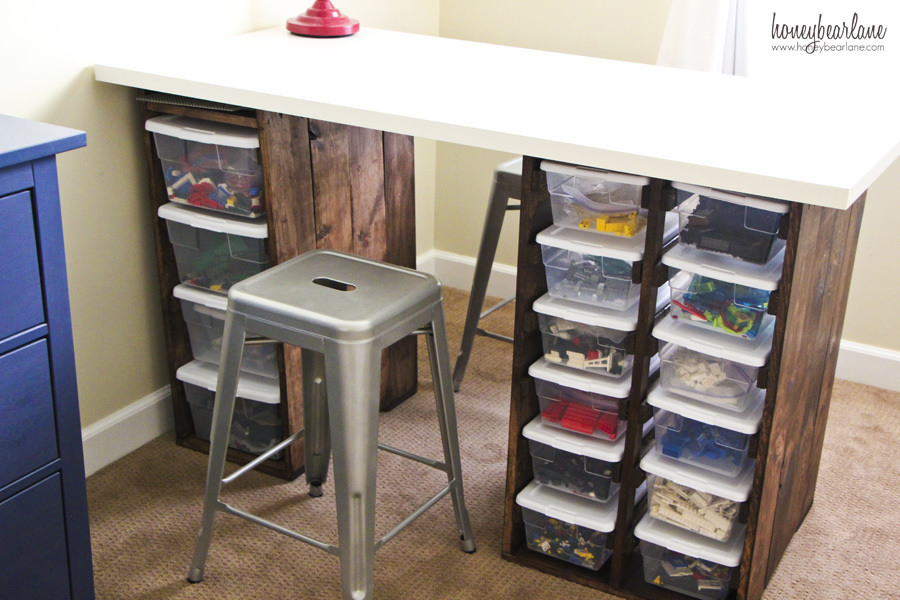
Beyond the purely functional, a well-organized sewing space can be a source of inspiration. Incorporating creative storage and display solutions not only keeps your tools and materials tidy but also transforms your workspace into a visually stimulating and encouraging environment. This approach enhances the joy of sewing by making your passion tangible and accessible.Thinking creatively about storage allows you to maximize space, personalize your area, and turn everyday objects into functional works of art.
A sewing room that reflects your personality and creativity can significantly boost your motivation and make the entire crafting process more enjoyable.
Repurposing Everyday Objects for Sewing Storage
Many common household items can be ingeniously repurposed to serve as effective and charming storage for sewing supplies. This not only saves money but also adds a unique, personal touch to your sewing space, turning the mundane into the magnificent.
- Mason Jars and Glass Jars: These are excellent for storing buttons, beads, safety pins, thimbles, and other small notions. Their transparency allows you to see the contents at a glance, and they can be arranged attractively on shelves or countertops.
- Spice Racks: Wall-mounted or countertop spice racks can be repurposed to hold spools of thread, small scissors, seam rippers, or even mini-ironing tools.
- Old Drawers or Crates: Wooden drawers from old furniture or sturdy crates can be painted, decorated, and stacked or mounted on walls to create modular shelving for fabric scraps, patterns, or larger notions.
- Pegboards: A versatile solution, pegboards can be fitted with various hooks, shelves, and containers to hang scissors, rulers, measuring tapes, and even small fabric bins.
- Tin Cans: Cleaned and decorated tin cans are perfect for storing pens, pencils, markers, and small tools.
- Shoe Organizers: Over-the-door shoe organizers with clear pockets are ideal for storing small tools, bobbins, thread, and even small fabric samples.
- Picture Frames: Empty picture frames can be used to display fabric swatches or inspiration photos, adding a decorative element while keeping ideas visible.
Benefits of a Visually Appealing and Inspiring Sewing Environment
A sewing space that is both organized and aesthetically pleasing offers numerous advantages that extend beyond mere tidiness. It fosters creativity, enhances focus, and cultivates a positive emotional connection to your craft.
A visually inspiring sewing environment acts as a constant muse, encouraging exploration and innovation in your projects.
The psychological impact of a beautiful and functional space cannot be overstated. It contributes to a sense of calm, order, and purpose, making the act of sewing a more fulfilling and less stressful experience. This positive atmosphere can lead to increased productivity and a greater sense of accomplishment.
Visually Engaging Storage Solution Scenarios
Imagine your sewing space transformed into a haven of organized beauty, where every item has its place and contributes to the overall aesthetic. These scenarios illustrate how creative storage can elevate your sewing experience.
- The Threaded Gallery Wall: Picture a wall adorned with a series of floating shelves, each displaying spools of thread organized by color spectrum. A few carefully chosen decorative items, like vintage sewing machines or framed embroidery hoops, are interspersed to create a curated, art-gallery feel. This not only keeps threads accessible but also serves as a vibrant backdrop.
- The Notion Apothecary: Envision a collection of glass apothecary jars or repurposed canning jars lined up on a shelf. Each jar is meticulously labeled and filled with different types of buttons, beads, or embellishments. A vintage wooden spoon or a small scoop rests beside the jars, inviting you to select the perfect detail for your project.
- The Fabric Library: Imagine a wall unit with open shelving, where fat quarters and fabric scraps are neatly folded and categorized by color, pattern, or type. Some fabrics are displayed with their selvage edges showing, revealing print details and designers. This creates a visually rich tapestry of color and texture, making fabric selection an inspiring part of the creative process.
- The Tool Carousel: Consider a rotating countertop caddy or a repurposed tiered stand. Each tier holds different categories of frequently used tools: one for cutting implements (scissors, rotary cutters), another for marking tools (chalk, pens), and a third for measuring devices (rulers, tape measures). This allows for effortless access and keeps your main work surface clear.
- The Pattern Playhouse: Visualize a series of clear acrylic magazine holders or decorative bins arranged on a shelf or in a cabinet. Each holder is filled with sewing patterns, neatly categorized by project type (e.g., garments, home décor, quilting). A small chalkboard sign might list current WIPs (Works in Progress), adding a personal touch to the organized collection.
Maintaining an Organized Sewing Space Long-Term

Establishing and maintaining an organized sewing space is an ongoing journey, not a destination. The key to long-term success lies in cultivating sustainable habits that integrate seamlessly into your creative routine. By embracing regular upkeep and adapting your systems as your needs evolve, you can ensure your sewing sanctuary remains a source of inspiration and efficiency for years to come.This section delves into the practices and strategies that will help you preserve the order and functionality of your sewing space, making it a truly productive environment.
We will explore how to build habits, implement quick maintenance routines, and remain flexible in your organizational approach.
Sustainable Habits for Ongoing Organization
The foundation of a perpetually organized sewing space rests on consistent, mindful habits. These practices, when integrated into your regular creative flow, prevent clutter from accumulating and ensure that your space remains a pleasure to work in. Developing these routines transforms organization from a chore into an intuitive part of your sewing process.
- Put items away immediately: Make it a habit to return tools, fabrics, and notions to their designated spots as soon as you are finished using them. This simple act prevents small piles from becoming overwhelming messes.
- Designate a “landing zone” for new acquisitions: When new fabrics, patterns, or supplies arrive, have a specific, temporary area where they are sorted and processed before being integrated into your main storage. This prevents immediate disruption to your existing organization.
- One-in, one-out rule: For certain categories, like fabric scraps or embroidery floss, consider adopting a policy where for every new item you bring in, an older or less-used item is removed or repurposed.
- Regularly review and declutter: Schedule brief, recurring moments to scan your space for items that are no longer needed, are duplicates, or have fallen into disuse.
- Embrace imperfection: Understand that a working creative space will naturally have some signs of use. The goal is not sterile perfection, but functional order that supports your creativity.
Strategies for Regular Maintenance and Quick Tidy-Ups
Beyond establishing core habits, implementing regular maintenance routines and quick tidy-up strategies is crucial for keeping your sewing space in optimal condition. These methods are designed to address minor disarray before it escalates, ensuring your workspace is always ready for your next project.
- End-of-session sweep: Dedicate the last 5-10 minutes of each sewing session to a quick tidy. This could involve putting away scraps, wiping down the machine, and tidying your immediate work surface.
- Weekly reset: Schedule a slightly longer session, perhaps 30 minutes once a week, to perform a more thorough tidy. This might include putting away stray items, filing patterns, and checking that all supplies are in their correct homes.
- “Put it back” box: Keep a designated box or basket for items that don’t have an immediate home but need to be put away. Once a week, tackle the contents of this box.
- Fabric scrap management: Dedicate a specific bin or bag for fabric scraps. Regularly review this bin to see if larger pieces can be cut down for smaller projects or if they are ready to be donated or repurposed.
- Notion patrol: Periodically check your notion drawers and containers. Discard broken items, consolidate partially used spools of thread, and ensure everything is neatly arranged.
Methods for Adapting Organization as Needs Change
The beauty of a well-organized sewing space is its adaptability. As your projects, skills, and even the size of your collection evolve, your organizational systems should be able to adapt with you. Being open to change and regularly reassessing your needs will ensure your space continues to serve you effectively.
- Periodic system review: At least twice a year, or whenever you feel your current system is no longer working, take time to evaluate your storage and workflow. Ask yourself what is working well and what is causing friction.
- Project-based adjustments: If you embark on a new type of project (e.g., quilting, garment making, embroidery), assess if your current storage solutions adequately support the materials and tools required for this new focus. You may need to reallocate space or acquire new organizers.
- Seasonal reassessment: Consider a seasonal declutter and organization session. This can be a good time to clear out items related to past projects and prepare your space for upcoming creative endeavors.
- Experimentation is key: Don’t be afraid to try new storage solutions or reorganize sections of your space. What works for one person may not work for another, and your needs are unique.
- Document your system (optional): For complex setups, a simple diagram or a list of where specific items are stored can be helpful, especially if you have others who might need to find things or if you need to remember your own system after a break.
Sample Weekly Routine for Sewing Space Upkeep
Implementing a structured yet flexible routine can make long-term organization feel manageable and less daunting. This sample weekly routine provides a framework that can be adapted to your personal schedule and sewing frequency. The goal is to integrate these small tasks consistently to prevent major organizational crises.
| Day | Task | Time Estimate | Focus |
|---|---|---|---|
| Monday | End-of-Session Sweep | 5-10 minutes | Tidy immediate workspace, put away scraps, put tools back. |
| Tuesday | Fabric Scrap Sort | 10 minutes | Review fabric scrap bin, sort usable pieces, discard unusable ones. |
| Wednesday | Notion Check | 10 minutes | Quickly scan a specific drawer or container for loose items or anything out of place. |
| Thursday | Pattern Filing/Review | 10-15 minutes | File new patterns, review upcoming projects, tidy pattern storage area. |
| Friday | “Put it Back” Box Tidy | 15 minutes | Process items accumulated in the “put it back” box and return them to their homes. |
| Saturday/Sunday | Weekly Reset & Project Prep | 20-30 minutes | General tidying, wipe down surfaces, organize supplies for planned projects. |
End of Discussion
By implementing these strategies, you will not only create a more functional and efficient sewing space but also a place that sparks joy and encourages creativity. From decluttering and smart storage to optimizing your workflow and maintaining order, the path to an organized sewing sanctuary is now clear. Embrace these tips to ensure your passion for sewing can flourish without the hindrance of a cluttered or inefficient workspace, making every stitch a pleasure.