How to Shirr Fabric with Elastic Thread offers a fascinating journey into a sewing technique that can transform ordinary fabric into beautifully gathered, comfortable, and stylish garments. This method unlocks a world of creative possibilities, allowing you to add unique textures and flexible fit to your sewing projects with surprising ease.
We will explore the fundamental concept of shirring, detailing its numerous benefits for garment construction, from enhancing comfort to creating elegant smocked effects. You’ll discover the essential materials and tools required, including specific types of elastic thread suitable for various fabrics, and learn how to prepare both your fabric and sewing machine for optimal results. The guide then walks you through the step-by-step shirring technique, explaining how to achieve different gathered and smocked effects by adjusting stitch length and tension, and provides practical solutions for common troubleshooting issues.
Finally, we’ll touch upon advanced applications and the proper care to ensure your shirred creations remain beautiful and functional for years to come.
Introduction to Shirring with Elastic Thread
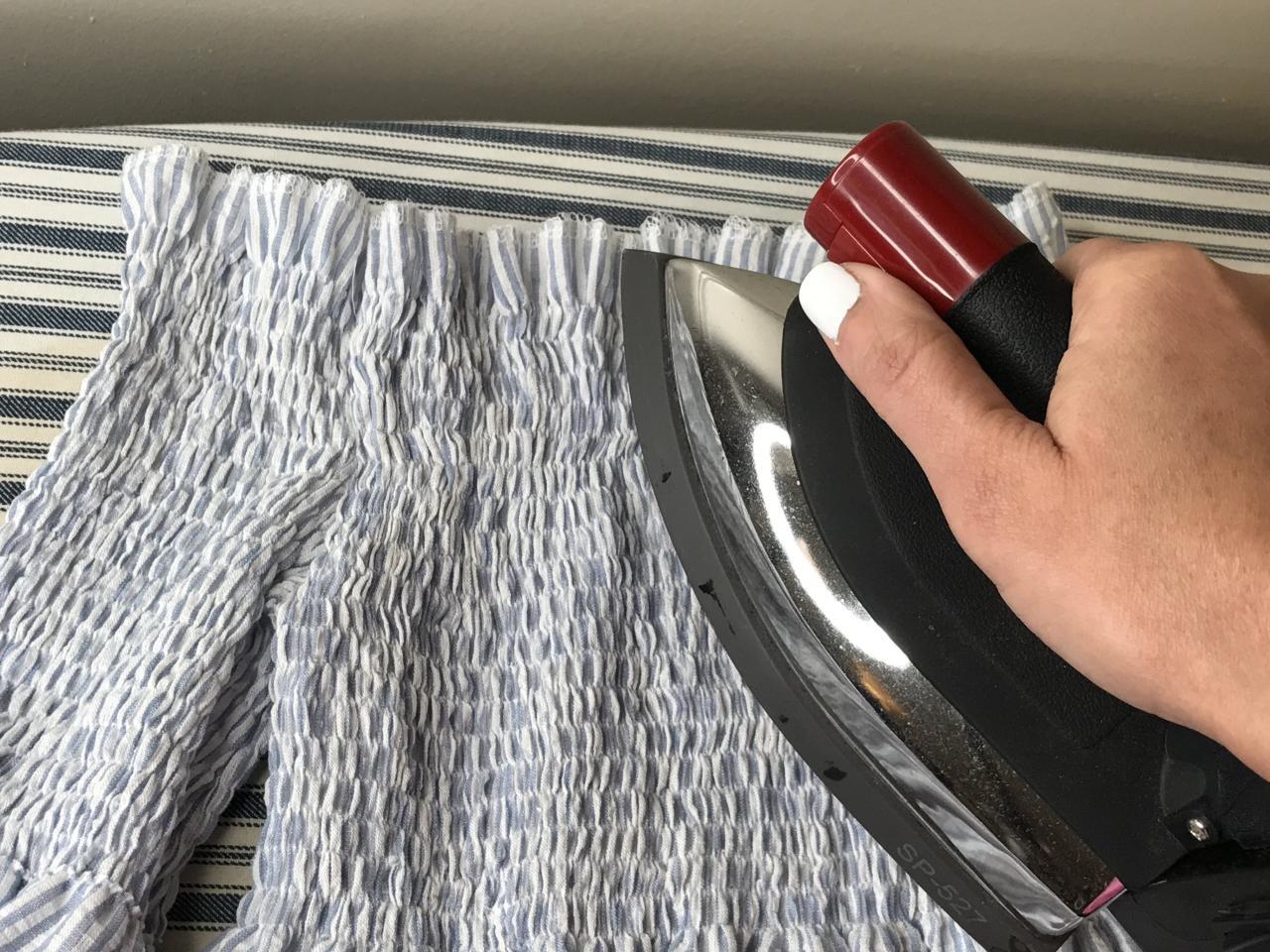
Shirring with elastic thread is a sewing technique that creates beautiful, gathered, and stretchy fabric panels. Instead of using a traditional gathering stitch, this method utilizes elastic thread wound onto the bobbin. When stitched on the right side of the fabric, the elastic thread contracts with the heat of the iron, pulling the fabric together to form soft, even pleats.
This technique is a fantastic way to add both style and comfort to garments and accessories.This method offers a unique combination of aesthetic appeal and functional stretch. The resulting shirred fabric has a charming, ruffled appearance, while the elastic provides a comfortable, conforming fit. It’s a versatile technique that can transform simple fabrics into more intricate and adaptable designs, making it a valuable skill for any sewer.
The Concept of Shirring with Elastic Thread
Shirring with elastic thread involves winding elastic thread onto your sewing machine’s bobbin and then stitching with this bobbin thread on the right side of your fabric, using regular sewing thread in the upper needle. The magic happens when the fabric is pressed; the elastic thread contracts, gathering the fabric. The tension of the upper thread and the stitch length on your machine are crucial for achieving the desired amount of gathering and elasticity.
Benefits of Shirring for Garment Construction
The application of shirring with elastic thread offers several significant advantages in garment construction, contributing to both the aesthetic and functional qualities of the final piece.
- Comfort and Fit: Shirring creates a stretchy waistband or fitted panel that conforms comfortably to the body, eliminating the need for restrictive elastic casings or zippers in certain areas. This is particularly beneficial for children’s wear, maternity clothing, and comfortable loungewear.
- Ease of Construction: Compared to traditional gathering methods, shirring can be quicker and more consistent, especially when creating multiple parallel rows of gathers. It simplifies the process of achieving a uniform, professional-looking finish.
- Design Versatility: The technique allows for creative design elements, such as voluminous sleeves, ruffled necklines, and decorative yokes. The visual texture created by the gathers adds depth and interest to the fabric.
- Fabric Adaptability: Shirring works well with a variety of lightweight to medium-weight fabrics, including cotton, linen, rayon, and blends. It can transform fabrics that might otherwise be too stiff or too flimsy into garments with excellent drape and movement.
Common Applications for Shirred Fabric
The distinctive look and comfortable stretch of shirred fabric make it a popular choice for a wide range of apparel and accessories. Its ability to create form-fitting yet flexible elements lends itself to numerous creative applications.
- Waistbands: This is perhaps the most common application, providing a comfortable and adjustable waist on skirts, dresses, shorts, and trousers.
- Cuffs and Sleeves: Shirred cuffs offer a stylish and comfortable finish for sleeves, while shirred sleeve panels can create voluminous and fashionable puff sleeves or bell sleeves.
- Bodices: Shirring can be used to create fitted bodices for dresses and tops, offering a flattering and comfortable fit without the need for darts or complex construction.
- Necklines and Yokes: Adding shirring to necklines or yokes can create decorative ruffles or a gentle gather, enhancing the overall design of blouses and dresses.
- Hemlines: Shirred hemlines can add a playful and decorative touch to skirts, dresses, and even tops.
- Children’s Clothing: The comfort and ease of movement provided by shirring make it ideal for children’s garments, such as dresses, rompers, and pajamas.
- Accessories: Shirred fabric can also be used for headbands, scrunchies, and decorative elements on bags or other accessories.
Essential Materials and Tools
To successfully shirr fabric with elastic thread, having the right materials and tools is paramount. These components work together to create the characteristic gathered effect that makes shirring so versatile. Selecting the appropriate elastic thread for your fabric type and ensuring your sewing machine is equipped with the necessary accessories will make the process smoother and yield professional-looking results.The magic of shirring lies in the tension of the elastic thread, which gathers the fabric as you sew.
Understanding the nuances of different elastic threads and having a few key sewing tools at your disposal will significantly enhance your shirring experience and the quality of your finished projects.
Sewing Machine Accessories for Shirring
Certain sewing machine accessories are crucial for achieving consistent and attractive shirring. These items help manage the elastic thread and ensure even tension.Here are the essential sewing machine accessories for shirring:
- Regular Sewing Machine Needle: A standard needle is typically sufficient for most fabrics when shirring.
- Zipper Foot or Gathering Foot: While a regular foot can be used, a zipper foot offers more control and allows you to stitch very close to the elastic. A dedicated gathering foot is designed to automatically gather fabric as you sew, though it may not be ideal for precisely controlled elastic shirring.
- Thread Spool Pin: You will need a second spool pin to hold the elastic thread bobbin. Some machines come with an extra spool pin, or you can purchase one separately.
- Bobbin Case and Bobbin: Standard bobbin cases and bobbins are used for the regular bobbin thread.
Suitable Types of Elastic Thread
The type of elastic thread you choose will depend on the fabric you are working with and the desired level of stretch and durability. Elastic threads come in various thicknesses and compositions, each offering different benefits.Consider these factors when selecting elastic thread:
- Thickness: Elastic threads are often measured in millimeters (mm). For lighter to medium-weight fabrics like cotton lawn, voile, or lightweight knits, a 0.5mm to 0.7mm elastic thread is usually suitable. For heavier fabrics such as denim or canvas, a thicker elastic thread (e.g., 1mm or more) might be necessary, although shirring is less common on very heavy fabrics.
- Material: Most elastic threads are made from nylon or polyester with a rubber core. Ensure the elastic thread is designed for sewing machines; craft elastic or hair elastics are generally not suitable as they can be too thick or uneven.
- Color: Elastic thread is available in white, black, and sometimes clear. Choose a color that complements your fabric.
For example, when shirring a lightweight cotton voile for a summer dress sleeve, a fine 0.5mm elastic thread will create delicate gathers without adding bulk. Conversely, for a waistband on a medium-weight linen skirt, a 0.7mm or 1mm elastic thread might provide more structure and hold.
Other Helpful Sewing Tools
Beyond the essential machine accessories, a few additional sewing tools can greatly assist in the shirring process, ensuring accuracy and ease of use.A comprehensive checklist of helpful sewing tools includes:
- Fabric Scissors: For accurately cutting your fabric.
- Seam Ripper: In case any adjustments are needed.
- Measuring Tape: For precise measurements and marking.
- Fabric Marking Tools: Such as chalk, disappearing ink pens, or tailor’s pencils to mark your stitching lines.
- Iron and Ironing Board: Essential for pressing seams and ensuring a neat finish.
- Straight Pins: To secure fabric pieces if necessary, though often not required for the shirring process itself.
- Small Scissors or Thread Snips: For trimming threads cleanly.
Having these tools readily available will make your shirring project more manageable and the final garment more polished.
Preparing the Fabric and Machine
Before you begin the delightful process of shirring, a few crucial steps involving your fabric and sewing machine will ensure a smooth and successful outcome. This section will guide you through preparing your bobbin with elastic thread and setting up your machine for this unique technique.
Winding the Bobbin with Elastic Thread
Winding the bobbin with elastic thread requires a slightly different approach than winding with regular thread to prevent stretching and tangling. The goal is to achieve a consistent tension without overstretching the elastic.
To wind the bobbin correctly:
- Ensure the bobbin winder spindle is clean and free of lint.
- Place the elastic thread spool on the spool pin. You may need a spool cap to keep it in place.
- Thread the elastic thread through the bobbin winder tension disc. This tension disc is often separate from the main machine tension discs. Consult your sewing machine manual if you are unsure of its location.
- Guide the elastic thread to the bobbin, making sure it enters the small hole in the bobbin.
- Hold the tail end of the elastic thread firmly as you begin winding.
- Wind the bobbin at a slow and steady speed. Avoid allowing the elastic thread to stretch excessively during this process. If your machine has a speed control, use the slowest setting.
- Fill the bobbin, but do not overfill it, as this can lead to uneven feeding.
A key consideration is to avoid stretching the elastic thread as much as possible during winding. The elastic thread should be wound onto the bobbin with just enough tension to keep it neat and prevent it from unraveling.
Setting Up the Sewing Machine for Shirring
Proper machine setup is vital for achieving beautiful shirring. This involves adjusting the upper thread tension and ensuring the correct stitch length.
To set up your sewing machine for shirring:
- Upper Thread Tension: This is the most critical adjustment. For shirring, you will need to significantly loosen the upper thread tension. Start by setting your machine’s upper tension dial to its lowest setting (often 0 or 1). You will likely need to experiment to find the perfect balance, as different fabrics and elastic threads may require slightly different settings.
- Stitch Length: A longer stitch length is generally recommended for shirring. Begin with a stitch length of 3 to 4 millimeters. This allows the elastic to gather the fabric effectively.
- Needle: Use a universal needle appropriate for your fabric type. A sharp needle will prevent snags and ensure smooth stitching.
- Foot: A standard presser foot is usually sufficient for shirring. Some sewers find a walking foot helpful for controlling the fabric feed, especially with slippery materials, but it’s not strictly necessary.
- Test Samples: Always sew a test sample on a scrap piece of your fabric before shirring your project. This is where you will fine-tune your tension and stitch length.
The goal is for the elastic thread on the bobbin to pull the fabric together, creating the gathers, while the upper thread simply stitches the elastic in place. If the upper thread tension is too tight, it will pucker the fabric or cause the stitches to break.
Pre-washing and Preparing the Fabric
Just as with any sewing project, preparing your fabric beforehand is essential to prevent shrinkage or distortion after your shirring is complete.
For shirring, consider these fabric preparation steps:
- Pre-wash: Always pre-wash your fabric according to the fabric’s care instructions. This removes any sizing or finishing agents and accounts for any shrinkage that might occur. If you are using a blend, follow the instructions for the most delicate fiber.
- Drying: Dry the fabric as you intend to dry the finished garment. If it will be machine-dried, tumble dry it. If it will be line-dried, hang it to dry.
- Pressing: Press the fabric to remove wrinkles. A well-pressed fabric will feed more smoothly through the sewing machine and result in more even shirring.
- Cutting: Cut your fabric pieces according to your pattern. For shirring, it’s important to note that the fabric will be gathered, so you’ll be working with a larger piece of fabric than the final desired dimension.
Pre-washing ensures that your shirred garment will maintain its size and shape after its first wash, preventing any unpleasant surprises.
The Shirring Technique
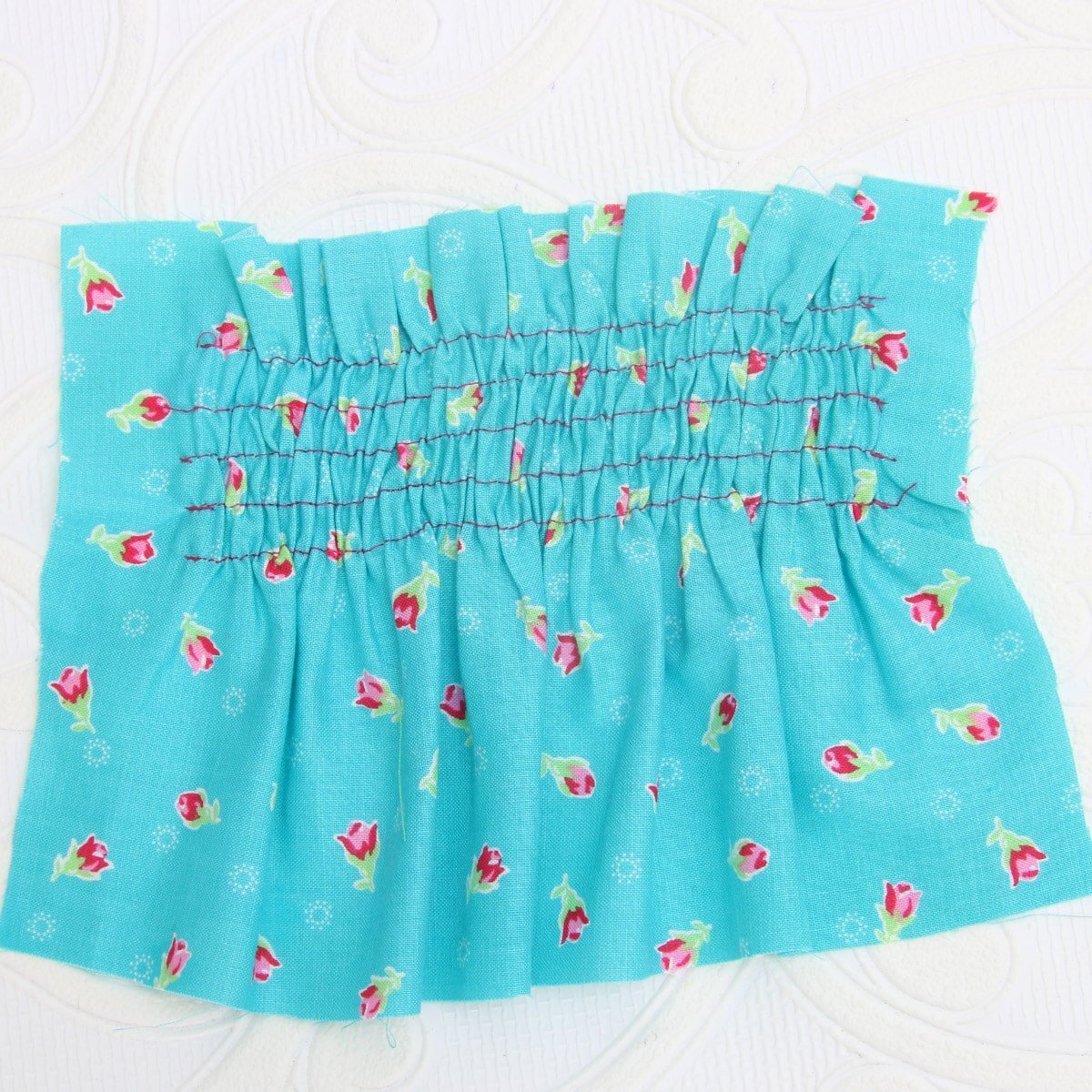
Now that your fabric and machine are prepared, it’s time to delve into the art of shirring itself. This technique involves creating rows of stitches that, when tensioned correctly, will gather your fabric beautifully. Understanding the basic setup and execution will allow you to achieve a variety of desirable effects.The core of shirring lies in the careful control of your sewing machine’s settings and your handling of the fabric.
By following these steps, you will master the fundamental process of creating shirred fabric.
Basic Stitch Setup for Shirring
Before you begin sewing, it’s crucial to configure your machine for the specific demands of shirring. This involves selecting the appropriate stitch and ensuring your bobbin is wound with elastic thread.
For shirring, the standard straight stitch is typically used. The key is how the elastic thread is managed on the bobbin.
The setup involves winding your bobbin with the elastic thread. It is important to wind the elastic thread onto the bobbin slowly and evenly, without stretching it. This prevents the elastic from losing its recovery power. Once the bobbin is wound, insert it into your machine as you normally would. For the upper thread, you can use regular all-purpose polyester thread.
The tension of this upper thread will be adjusted later to achieve the desired gathering.
Sewing the First Line of Shirring
With your machine set up, you are ready to sew your first line of shirring. This initial stitch establishes the foundation for the subsequent rows.Begin by placing your fabric under the presser foot, aligning it with your desired starting point for the shirring. Ensure that the needle is positioned just above the fabric. You will sew a straight stitch, guiding the fabric as you go.
Do not backstitch at the beginning or end of your seam, as this can disrupt the shirring effect. Instead, leave long thread tails at both ends, which will be used to secure the shirring later.
Organizing Multiple Parallel Lines of Shirring
To achieve a consistent and effective shirred panel, sewing multiple parallel lines of shirring is essential. This creates a uniform gathering across the fabric.A systematic approach ensures even spacing and prevents puckering. You can use a seam gauge or a quilting bar attached to your sewing machine to maintain consistent distances between your rows. Alternatively, you can mark your fabric with tailor’s chalk or a disappearing ink pen to guide your stitching.Here are some common methods for organizing multiple parallel lines:
- Marking the Fabric: Before sewing, mark all the lines where you intend to shirr. This provides a clear visual guide.
- Using a Seam Gauge: As you sew each subsequent line, use a seam gauge to measure the distance from the previous shirred line and maintain consistency.
- Employing a Quilting Bar: If your machine has one, a quilting bar can be attached to the presser foot shank, allowing you to maintain a set distance from the previous row as you sew.
- Stitch-and-Measure: For very precise spacing, you can sew one line, then measure and mark the next line before sewing it.
Adjusting Stitch Length and Tension for Different Effects
The stitch length and tension settings on your sewing machine play a pivotal role in the final appearance and functionality of your shirred fabric. By manipulating these, you can achieve a variety of looks and degrees of stretch.The primary adjustment will be to the upper thread tension. Loosening the upper thread tension allows the elastic thread from the bobbin to pull the fabric together more effectively, creating a tighter gather.* For Tighter Gathers: Significantly loosen the upper thread tension.
You may need to experiment to find the sweet spot where the fabric gathers tightly without breaking the upper thread.
For Looser Gathers
Use a slightly tighter upper thread tension than for tight gathers, but still looser than for standard sewing. This will result in less dramatic gathering.
Stitch Length
While the stitch length can be adjusted, it is often kept at a standard straight stitch setting (around 2.5 mm). However, for very delicate fabrics or a more subtle gather, a slightly shorter stitch length might be considered. Conversely, for a bolder gather, a slightly longer stitch length could be used, though this is less common.It is highly recommended to test your settings on a fabric scrap before committing to your project.
This will allow you to fine-tune the stitch length and tension to achieve the desired shirring effect.
Experimentation on a scrap piece of your project fabric is key to mastering shirring.
Achieving Different Shirring Effects
Once you’ve mastered the basic technique of shirring with elastic thread, you’ll discover a world of creative possibilities. By adjusting a few key elements, you can transform simple fabric into beautifully gathered or smocked garments and accessories. This section explores how to manipulate elastic thread tension, fabric choices, and specific techniques to achieve a variety of stunning shirred effects.
Elastic Thread Tension and Its Impact
The tension of your elastic thread is a critical factor in determining the degree of gathering and the overall look of your shirring. Experimenting with tension allows you to control how much the fabric puckers and how pronounced the elastic lines appear.
The ideal tension setting will vary depending on your sewing machine, the type of elastic thread used, and the fabric’s weight and weave. A general guideline is to start with a slightly tighter tension than you would for regular sewing thread.
Comparing Tension Results
- Lower Tension: When the elastic thread tension is set lower, it allows the fabric to gather more loosely. This results in softer, more delicate ruffles and a less defined, more flowing gathered effect. The elastic lines will be less pronounced.
- Medium Tension: A moderate tension setting creates a balanced gather, where the fabric is drawn in significantly but still retains a pleasing drape. This is often the most versatile setting for achieving a classic shirred look, suitable for waistbands, cuffs, and decorative panels.
- Higher Tension: Increasing the elastic thread tension will cause the fabric to bunch up more tightly. This leads to a more pronounced, almost pleated effect, with very defined elastic channels. This can be effective for creating structured ruffles or a more graphic shirred appearance.
It is highly recommended to conduct a test on a scrap piece of your chosen fabric before committing to your project. This will help you identify the perfect tension setting for your specific materials and desired outcome.
Fabric Type and Shirred Appearance
The choice of fabric significantly influences how shirring looks and feels. Different fabric types interact with the elastic thread in distinct ways, affecting the drape, texture, and overall aesthetic of the finished shirred panel.
- Lightweight Fabrics (e.g., cotton voile, rayon challis, silk chiffon): These fabrics will gather beautifully, creating soft, voluminous ruffles and a delicate, airy appearance. The shirring will be fluid and may have a more dramatic gathering effect due to the fabric’s inherent lightness.
- Medium-Weight Fabrics (e.g., quilting cotton, linen blends, poplin): These fabrics offer a good balance, producing well-defined shirring with a comfortable drape. The elastic lines will be distinct but not overly stiff, making them ideal for a wide range of applications.
- Heavy-Weight Fabrics (e.g., denim, canvas, upholstery fabric): Shirring on heavier fabrics will result in a more structured and less voluminous gather. The elastic channels will be more pronounced, and the overall effect will be less ruffled and more like a subtle textural manipulation. It’s important to ensure your sewing machine and needle can handle the weight of these fabrics.
Methods for Creating Gathered or Smocked Effects
While basic shirring creates a uniform gathered effect, there are specific techniques to achieve more intricate gathered or smocked designs. These methods involve strategic placement and variation of the shirred lines.
Creating Decorative Shirring Patterns
- Horizontal Shirring: This is the most common method, creating parallel lines of elastic across the fabric, resulting in a uniformly gathered effect.
- Vertical Shirring: Shirring in a vertical direction can create interesting textural panels or elongating effects, though it requires careful handling to ensure even tension.
- Diagonal or Angled Shirring: Stitching the elastic thread at angles can create dynamic, radiating gathers or diamond-shaped patterns, particularly effective on yokes or decorative elements.
- Combined Directions: Layering horizontal and vertical shirring can produce a grid-like texture or more complex dimensional effects.
Smocking Techniques with Elastic Thread
While traditional smocking involves hand-embroidery stitches, elastic thread shirring can mimic some of its decorative qualities.
- Varying Spacing: Instead of evenly spacing your shirred rows, intentionally vary the distance between them. Closer rows will create tighter gathers, while wider spacing will result in looser ruffles, forming patterns.
- Stitching Over Existing Shirring: After creating a row of shirring, you can stitch another row on top of it or adjacent to it, slightly offsetting it. This can create layered textures or more defined smocked-like clusters.
- Using Different Elastic Thread Colors: For a subtle decorative touch, you can use different colored elastic threads in alternating rows, adding a visual element to the gathered texture.
Techniques for Achieving a Smooth and Even Shirred Finish
A professional-looking shirred finish relies on consistency and attention to detail. Several techniques can help ensure your shirring is smooth, even, and free of puckers or distortions.
Ensuring Evenness and Smoothness
- Consistent Starting and Ending Points: Begin and end each line of shirring at the exact same point on the fabric. This prevents unevenness at the edges of your shirred panel.
- Stabilizing the Fabric: For very lightweight or slippery fabrics, consider using a temporary stabilizer like a lightweight fusible interfacing or even a layer of tissue paper underneath. This can help the fabric feed evenly and prevent stretching or distortion. Remove the stabilizer carefully after shirring.
- Gentle Fabric Handling: Avoid pulling or pushing the fabric as you sew. Allow the machine’s feed dogs to do the work. Guide the fabric gently to keep it from shifting.
- Pre-Winding Bobbins: Ensure your bobbin is full and wound evenly with the elastic thread. A consistent supply of elastic thread from the bobbin is crucial for uniform tension.
- Regular Machine Maintenance: A clean and well-maintained sewing machine with a properly functioning bobbin case will contribute significantly to smooth shirring. Ensure your needle is sharp and appropriate for your fabric type.
- Strategic Thread Trimming: Once your shirring is complete, carefully trim any excess elastic thread tails, ensuring you don’t cut the stitches themselves.
“Patience and practice are key to mastering the art of shirring. Don’t be discouraged by initial imperfections; each attempt refines your technique and understanding.”
Troubleshooting Common Shirring Issues
While shirring with elastic thread is a rewarding technique, occasional hiccups can occur. Understanding these common problems and their solutions will help you achieve a polished finish and enjoy the process. This section addresses frequent challenges and provides practical advice for resolving them.
Elastic Thread Breaking or Tangling
The elastic thread can be prone to breaking or tangling due to several factors. Addressing these can save you frustration and wasted thread.
- Incorrect Tension: If the upper thread tension is too tight, it can pull excessively on the elastic thread, causing it to snap. Conversely, if the bobbin tension is too loose, it can lead to tangling.
- Damaged Needle: A bent or dull needle can snag the elastic thread, leading to breaks. Always ensure your needle is sharp and appropriate for your fabric type.
- Wrong Needle Type: Using a standard needle with elastic thread can be problematic. A ballpoint or stretch needle is generally recommended as it has a rounded tip that helps to push the fabric fibers apart rather than piercing them, reducing the risk of breakage.
- Machine Speed: Sewing too quickly can sometimes cause the elastic thread to snag or break, especially if your machine is not calibrated for high speeds with this type of thread.
- Thread Quality: Using old or low-quality elastic thread can also contribute to breakage. Ensure you are using fresh, good-quality elastic thread.
To fix these issues, adjust your upper and bobbin tension settings. Inspect your needle for damage and replace it if necessary, opting for a stretch or ballpoint needle. Slow down your sewing speed if you notice the thread snagging. If problems persist, try a different brand of elastic thread.
Puckering or Uneven Gathers
Puckering and uneven gathers are common signs that the fabric is not feeding smoothly or the tension is not balanced.
- Fabric Type: Delicate or slippery fabrics are more prone to puckering.
- Machine Settings: Incorrect tension settings, particularly on the bobbin, can cause the fabric to bunch up.
- Presser Foot Pressure: If the presser foot pressure is too high, it can crush the fabric, leading to puckering.
- Stitch Length: A stitch length that is too short can also contribute to puckering.
To resolve puckering, try reducing the presser foot pressure if your machine allows. Ensure your bobbin tension is slightly looser than your upper thread tension. Using a walking foot can help feed the fabric more evenly, especially with multiple layers or slippery materials. If using a standard presser foot, a bit of stabilizer or tissue paper placed under the fabric can sometimes help prevent it from being pulled down unevenly.
Experiment with slightly longer stitch lengths.
Skipped Stitches or Inconsistent Tension
Skipped stitches and inconsistent tension indicate an issue with the thread path, needle, or tension settings.
- Thread Path: Ensure the elastic thread is properly threaded through all the guides and tension discs on your machine. Double-check that it’s seated correctly in the bobbin case.
- Needle Issues: As mentioned earlier, a dull, bent, or incorrect needle type can cause skipped stitches. Make sure you are using the right needle for your fabric and thread.
- Tension Imbalance: The balance between the upper thread tension and the bobbin tension is crucial. If they are too far apart, you’ll see skipped stitches or inconsistent gathering.
- Lint Buildup: Lint can accumulate in the bobbin area and tension discs, interfering with the smooth flow of thread.
To address skipped stitches, re-thread your machine carefully, ensuring the presser foot is up when threading the upper thread. Clean your bobbin area and tension discs regularly. Adjust the upper and bobbin tension incrementally until the stitches are consistent and the elastic thread is gathering the fabric evenly. A good starting point is to have the bobbin tension slightly looser than the upper thread tension.
A well-balanced tension is key to successful shirring. Aim for the elastic thread to gather the fabric without breaking or causing excessive puckering.
Advanced Shirring Techniques and Applications
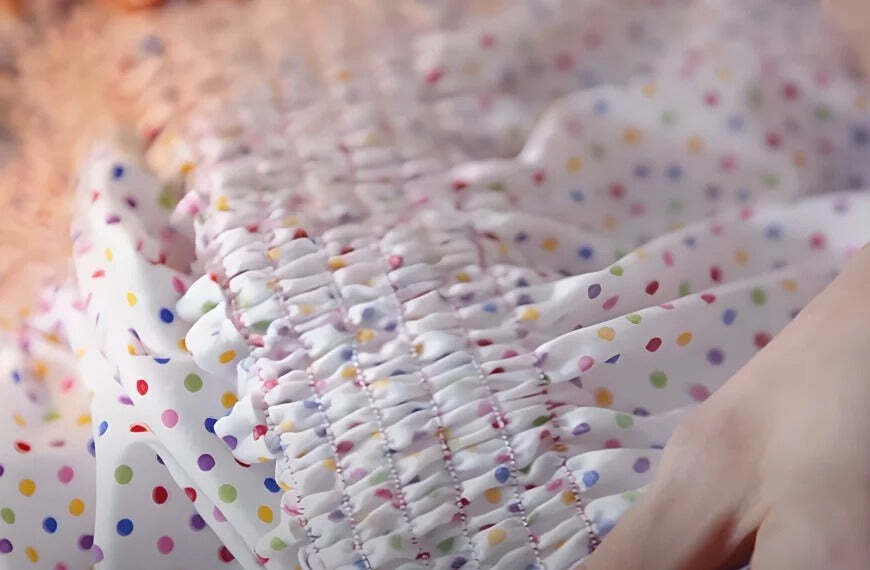
Shirring, with its ability to create beautiful gathers and add unique textures, extends far beyond simple seams. This section explores how to elevate your shirring skills by incorporating them into more complex designs, decorative elements, and challenging fabric applications. Mastering these techniques will allow you to transform ordinary garments and accessories into extraordinary pieces.This advanced exploration will guide you through integrating shirring into garment features, using it purely for aesthetic purposes, adapting it to non-linear edges, and seamlessly incorporating it into existing sewing patterns.
By understanding these principles, you will unlock a new level of creative potential in your sewing projects.
Shirring for Specific Garment Features
Incorporating shirring into specific garment features can dramatically alter the silhouette and functionality of a piece. It’s a versatile technique that can be used to create fitted bodices, create volume in sleeves, or add a decorative and comfortable waistband.Consider a project like a gathered peasant blouse. The bodice of this blouse can be entirely shirred using elastic thread. To achieve this, you would divide the fabric panel for the bodice into horizontal sections and shirr each section with elastic thread.
The upper section might have wider spacing between the shirred rows for a more relaxed fit, while the lower section could have closer spacing for a more defined waist. The elastic thread naturally pulls the fabric inwards, creating soft, accordion-like pleats. This not only adds a beautiful texture but also allows the garment to stretch and fit comfortably across the bust and shoulders without the need for zippers or buttons.
Another application is in creating voluminous bishop sleeves. Shirring the cuff area of a wide sleeve will gather the fabric, creating a dramatic puff effect that is both stylish and comfortable.
Shirring as Decorative Elements
Beyond its functional use for gathering and fitting, shirring is an exceptional tool for creating intricate decorative patterns and textures on fabric. The density and arrangement of the shirred lines can produce a wide array of visual effects, from subtle textural enhancements to bold, graphic designs.Decorative shirring can be employed in various ways:
- Creating Textured Panels: Imagine a simple tote bag where one side is adorned with horizontal or diagonal shirring. By varying the stitch density and the width of the elastic thread used, you can create a visually rich surface that adds depth and interest to the accessory.
- Embellishing Edges: Shirring can be used to create a delicate ruffled edge on a skirt hem or a sleeve cuff. By sewing a narrow band of shirring very close to the edge, the fabric will naturally ripple, forming a charming, frothy border.
- Forming Geometric Patterns: With careful planning and marking, shirring can be used to create geometric designs. For instance, shirring in concentric circles can form a bullseye effect, or parallel lines in alternating directions can create a diamond or chevron pattern. This requires precise placement of each shirred row.
- Adding Dimension to Appliqué: Shirring can be applied to fabric shapes before they are appliquéd onto a garment. This allows the appliqué itself to have a gathered, dimensional quality, making it stand out from the background fabric.
Shirring on Curved or Non-Straight Edges
Applying shirring to curved or non-straight edges presents a unique challenge but yields stunning results. This technique is ideal for creating gathered ruffles that follow the contour of a neckline, a hemline, or even a circular skirt panel. The key is to manage the fabric tension and guide it smoothly through the sewing machine.When shirring a curved edge, it is often beneficial to work in smaller sections.
For example, when shirring a curved neckline for a gathered collar, you would shirr a portion of the curve, then pivot the fabric and continue. The elastic thread will naturally accommodate the curve, but careful manipulation is needed to prevent puckering or distortion. It is crucial to maintain consistent pressure on the fabric as it feeds through the machine, allowing the elastic to gather it evenly.
Sometimes, a slightly looser tension on the bobbin thread (the regular thread) can help the shirred fabric lie flatter. For very tight curves, consider using a slightly wider needle spacing to give the elastic more room to gather without bunching.
Integrating Shirring into Existing Patterns
Seamlessly integrating shirring into pre-existing sewing patterns is a valuable skill that allows for customization and enhanced comfort. This often involves modifying pattern pieces or adding shirring to areas where fitted seams would typically be.Here are methods for integrating shirring into existing patterns:
- Adding Shirred Waistbands: For patterns that call for a separate waistband with elastic casing, you can replace this with a shirred waistband. You will need to add extra fabric width to the top edge of the skirt or pant piece where the waistband will attach. This extra width will be gathered by the elastic thread. Mark horizontal lines on the pattern piece to guide your shirring.
- Modifying Bodice Fit: If a pattern has a fitted bodice that you find restrictive, you can introduce shirring to the side seams or the back panel. This involves cutting the pattern piece to a larger size in the shirred area and then using shirring to draw it back in. This creates a more flexible and comfortable fit. For example, a fitted woven top pattern could have its back panel divided horizontally, with each section shirred to allow for stretch and ease.
- Creating Gathered Yokes: Shirring can be used to create a gathered yoke on a dress or top. Instead of a flat yoke piece, you would cut a larger fabric panel for the yoke and then shirr it to fit the specified measurements of the pattern. This adds a decorative ruffle effect at the shoulder or bust line.
- Adjusting Sleeve Ease: For sleeves that feel too tight or lack desired volume, shirring can be applied to the upper arm or the cuff. This allows you to gather the sleeve fabric to create a more voluminous silhouette or a more comfortable fit around the arm.
When integrating shirring, always consider the fabric type. Shirring works best on lighter to medium-weight fabrics that have some drape. For woven patterns, you might need to make adjustments to account for the stretch introduced by the elastic thread, potentially sizing down slightly in other areas if the shirred section provides significant ease.
Care and Maintenance of Shirred Garments
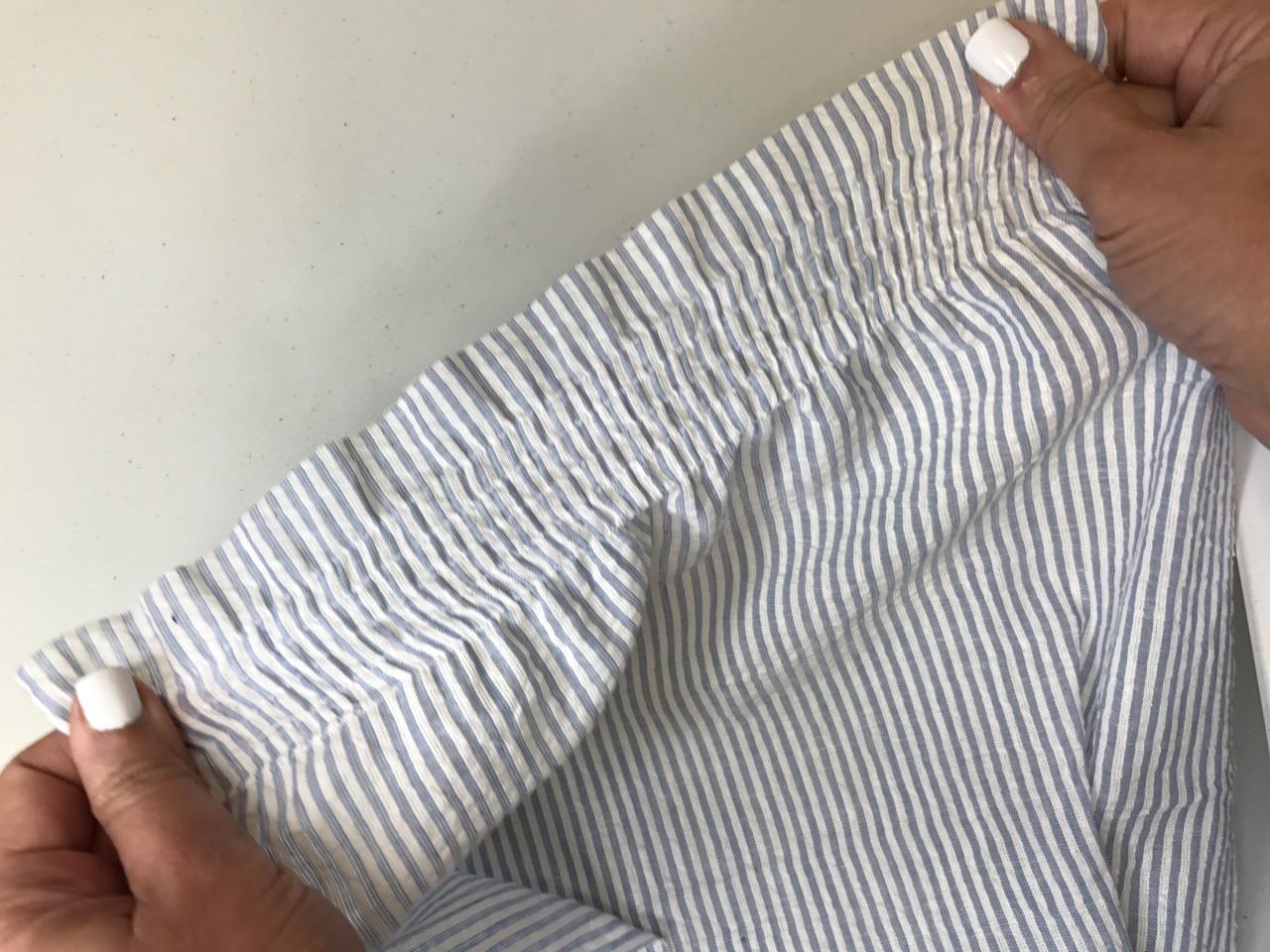
Caring for your shirred creations is essential to preserve their delicate gathers and the elasticity of the thread, ensuring they remain beautiful and functional for years to come. Proper handling during washing, drying, and ironing will prevent damage and maintain the desired stretch and shape.
Washing and Drying Shirred Items
When it comes to washing shirred garments, a gentle approach is key to protecting both the fabric and the elastic thread. Excessive heat and agitation can degrade the elasticity and cause the shirring to lose its definition.
- Machine Washing: Always opt for a gentle or delicate cycle on your washing machine. Use cool or lukewarm water, as hot water can weaken the elastic properties of the thread.
- Hand Washing: For particularly delicate items, hand washing is the preferred method. Gently agitate the garment in cool water with a mild detergent. Avoid wringing or twisting the fabric, as this can stretch out the shirring.
- Detergent Choice: Use a mild, color-safe detergent. Avoid harsh chemicals, bleach, or fabric softeners, as these can damage the elastic thread and the fabric fibers.
- Drying: Air drying is the most recommended method for shirred items. Lay the garment flat on a clean towel or a drying rack, reshaping it to its original dimensions while damp. Avoid direct sunlight or high heat, which can degrade the elastic. If machine drying is unavoidable, use the lowest heat setting or an air-fluff cycle. Remove the garment while it is still slightly damp to prevent over-drying.
Ironing and Pressing Shirred Fabric
Ironing shirred fabric requires careful attention to avoid flattening the gathers and damaging the elastic thread. The goal is to refresh the fabric without compromising the shirred effect.
- Low Heat Setting: Always use the lowest heat setting appropriate for the fabric type. For most shirred items, a low to medium heat is sufficient.
- Steam: Steam can be very helpful in removing wrinkles from shirred fabric without direct contact. Hold the iron a few inches above the fabric and direct the steam towards it.
- Pressing Cloth: If direct ironing is necessary, use a pressing cloth between the iron and the fabric. This provides an extra layer of protection and helps to distribute the heat evenly.
- Avoid Direct Pressure: Do not press directly on the shirred areas with a hot iron, as this can flatten the gathers and melt or damage the elastic thread. Instead, gently press the fabric between the shirred channels or around the edges.
- Test First: If you are unsure about the heat setting or method, test it on an inconspicuous area of the garment first.
Long-Term Care Considerations for Maintaining Elasticity
To ensure your shirred garments retain their stretch and definition over time, mindful long-term care practices are crucial. These habits will help preserve the integrity of the elastic thread and the fabric’s appearance.
- Storage: Store shirred garments folded rather than hung. Hanging can cause the weight of the garment to stretch out the shirring over time, especially if the fabric is heavy. Ensure the folded garments are not packed too tightly to avoid creasing the shirred areas.
- Avoid Overstretching: Be mindful when putting on and taking off shirred garments. Avoid pulling excessively on the shirred sections, as this can lead to premature wear and loss of elasticity.
- Regular Wear and Washing: While gentle care is important, shirred garments are meant to be worn and washed. Regular, gentle use and proper cleaning will help maintain the fabric’s condition better than prolonged disuse where elastic can stiffen.
- Repairs: If you notice any loose threads or minor damage to the shirring, address them promptly. Small repairs can prevent larger issues and extend the garment’s lifespan.
- Consider Professional Cleaning: For very delicate or expensive shirred items, consider professional dry cleaning, ensuring you inform the cleaner about the shirred construction and the presence of elastic thread.
Final Wrap-Up
Mastering the art of shirring fabric with elastic thread opens up a delightful realm of sewing creativity, enabling you to craft garments that are not only visually appealing but also exceptionally comfortable and adaptable. By understanding the nuances of this technique, from material selection and machine setup to executing precise stitches and troubleshooting common challenges, you are well-equipped to elevate your sewing projects.
Embrace the transformative power of shirring to add charming details and functional gathers to your wardrobe, making each creation a testament to your enhanced sewing skills.