Delving into How to Free-Motion Stitch for Doodling on Fabric, this introduction immerses readers in a unique and compelling narrative, with formal and friendly language style that is both engaging and thought-provoking from the very first sentence.
This comprehensive guide will equip you with the foundational knowledge and practical skills to transform your sewing machine into a versatile drawing tool. We will explore the essential equipment, fabric preparation techniques, and machine settings necessary to embark on your free-motion stitching journey. From mastering fabric control to translating your creative ideas onto textiles, this resource is designed to inspire and empower your fabric doodling endeavors.
Understanding the Basics of Free-Motion Stitching for Fabric Doodling
Free-motion stitching, often referred to as “doodling with your sewing machine,” is a technique that liberates your needle from the confines of a predetermined stitch path. Instead of following the machine’s internal feed dogs to create straight lines or conventional shapes, you become the director of movement, guiding the fabric beneath the needle to draw with thread. This opens up a world of creative possibilities, allowing for spontaneous, organic, and highly personalized designs directly onto fabric.
It’s a way to infuse your textile art with a unique hand-drawn quality, perfect for embellishing quilts, creating custom apparel, or crafting intricate fabric art pieces.The fundamental concept of free-motion stitching for fabric doodling lies in decoupling the sewing machine’s feed mechanism from dictating the stitch length and direction. By disengaging the feed dogs, the fabric can be moved freely in any direction by the sewer’s hands.
This manual control allows for the creation of continuous lines, loops, swirls, and even detailed imagery, mimicking the fluid motion of drawing with a pen or pencil. The result is a textured, tactile artwork where the stitch itself becomes a design element.
Essential Equipment for Free-Motion Doodling
To embark on your free-motion doodling journey, a few key pieces of equipment are essential. Having the right tools will significantly enhance your experience and the quality of your results.
- Sewing Machine: While most modern sewing machines are capable of free-motion stitching, it’s important to ensure yours has the ability to drop or cover the feed dogs. A machine with a good, sturdy base and a consistent stitch quality is also beneficial.
- Free-Motion Presser Foot (Darning Foot): This specialized foot has a spring-loaded mechanism that lifts and lowers with the needle, preventing the fabric from being pulled up with the needle. It also provides clearance for free movement of the fabric. Some machines come with a generic darning foot, while others offer specific free-motion feet.
- Appropriate Needle: A sharp, good-quality sewing machine needle is crucial. For most free-motion work on quilting cottons, a universal needle in size 80/12 or 90/14 is a good starting point. If you’re working with finer fabrics or denser threads, you might consider microtex or sharp needles. For heavier threads, a topstitch or quilting needle can be helpful.
- Thread: You can use a variety of threads for free-motion doodling. Standard cotton or polyester sewing threads work well for general doodling. For more pronounced lines and texture, consider using thicker threads such as embroidery floss, variegated threads, or even specialized free-motion threads. Ensure your thread is compatible with your needle and fabric.
Preparing Your Fabric for Free-Motion Stitching
Proper fabric preparation is a critical step that ensures smooth stitching and prevents unwanted puckering or distortion. Taking the time to prepare your materials will lead to a more enjoyable and successful free-motion experience.
Hooping Your Fabric
For beginners, or when working with very lightweight or stretchy fabrics, using an embroidery hoop can provide extra stability and control.
- Place your fabric right side up within the inner hoop.
- Place the outer hoop over the fabric and inner hoop, pressing down firmly.
- Tighten the screw on the outer hoop until the fabric is taut, like a drum. Avoid over-tightening, which can distort the fabric.
- Ensure there are no wrinkles or folds in the fabric where you intend to stitch.
Stabilizer Options
Stabilizers are materials that provide a foundation for your stitching, preventing the fabric from stretching or distorting. The type of stabilizer you choose will depend on your fabric and the density of your stitching.
- Tear-Away Stabilizer: This is a common and versatile option. It’s placed behind the fabric and is easily torn away after stitching. It’s suitable for most woven fabrics and moderate stitching density.
- Cut-Away Stabilizer: This stabilizer is more permanent and is cut away from the fabric as close to the stitching as possible. It’s ideal for knits and very lightweight fabrics that might stretch significantly.
- Water-Soluble Stabilizer: This type of stabilizer dissolves in water and is excellent for delicate fabrics or when you want a very smooth, clean finish. It can be used as a backing or even as a temporary stencil.
- Fusible Stabilizer: Some stabilizers can be ironed onto the fabric, providing a firm base. This is particularly useful for preventing fabric movement.
It is generally recommended to use at least one layer of stabilizer, and sometimes two, for optimal results, especially when creating dense designs.
Fabric Types
While free-motion doodling can be attempted on a wide range of fabrics, some are more forgiving and easier to work with for beginners.
- Quilting Cotton: This is the most popular choice for free-motion stitching due to its stability, minimal stretch, and smooth surface. It’s readily available and comes in countless prints and colors.
- Denim: Sturdy denim can be a good choice for bold, graphic designs. Ensure your machine and needle are robust enough to handle the thickness.
- Linen: Natural linen offers a beautiful texture and can be a lovely substrate for free-motion work, though it can be prone to fraying.
- Canvas: Similar to denim, canvas provides a strong and stable surface for stitching.
Avoid very thin, slippery, or highly stretchy fabrics like silk charmeuse or some knits when you are first learning, as they can be challenging to control.
Lowering or Covering Your Sewing Machine’s Feed Dogs
The feed dogs are the small, toothed metal plates located on the needle plate of your sewing machine. Their primary function is to grip the fabric and move it forward or backward at a consistent rate, creating uniform stitches. For free-motion stitching, however, this controlled movement needs to be eliminated.
Lowering or covering the feed dogs is the most critical step for enabling free-motion stitching. This action relinquishes control of fabric movement from the machine to your hands.
When the feed dogs are engaged, they will attempt to advance the fabric, resulting in short, uneven stitches or a complete inability to move the fabric freely. By disengaging them, the fabric can be moved in any direction, allowing you to “draw” with your needle.
Setting Up Your Sewing Machine for Free-Motion Stitching
Properly setting up your sewing machine is essential for a smooth and successful free-motion stitching experience. This involves a few key adjustments that ensure your machine is ready for manual fabric control.
- Consult Your Machine’s Manual: The first and most important step is to refer to your sewing machine’s instruction manual. Each machine is different, and your manual will provide specific instructions on how to lower or cover the feed dogs.
- Lower the Feed Dogs: Most machines have a lever or a switch located near the back or side of the machine that controls the feed dogs. Move this lever to the lowest position. If your machine does not have a lever, you may need to remove the needle plate and cover the feed dogs with a special plate that came with your machine.
- Attach the Free-Motion Presser Foot: Remove the standard presser foot and its shank. Attach the free-motion or darning foot according to your machine’s instructions. Ensure it is securely fastened.
- Select a Straight Stitch: Set your machine to a straight stitch setting. While you are controlling the movement, the machine itself should be set to produce a simple straight stitch.
- Adjust Stitch Length (Optional but Recommended): While you are in control of stitch length by moving the fabric, some sewers prefer to set their stitch length to zero or a very low setting when the feed dogs are down. This ensures that even if the feed dogs accidentally engage, they will not advance the fabric significantly.
- Thread Your Machine: Thread your machine with your chosen thread, ensuring the thread is correctly seated in the tension discs.
- Test on Scraps: Before working on your actual project, always test your setup on a piece of scrap fabric with the same stabilizer you will be using. This allows you to check your tension, needle, and thread combination, and to get a feel for moving the fabric.
Mastering the Movement and Control for Fabric Doodling
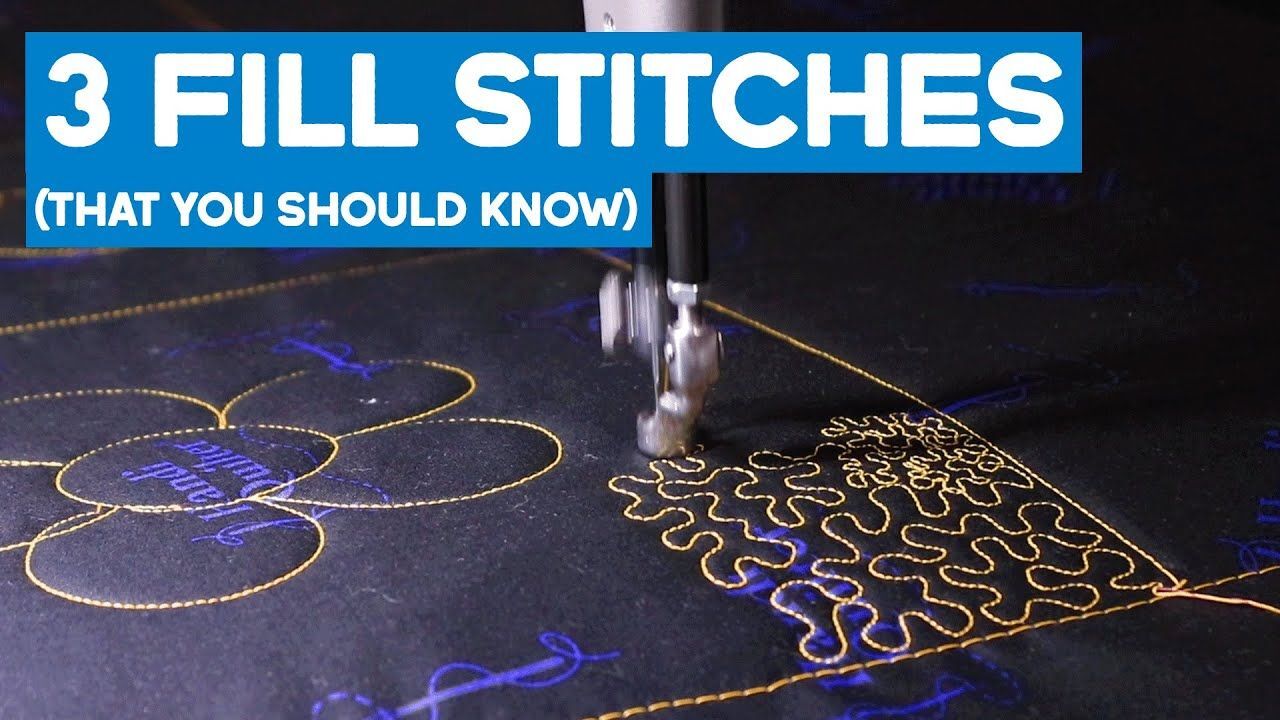
Free-motion stitching, often referred to as “doodling on fabric,” transforms your sewing machine into a drawing tool. While understanding the basics of engaging the feed dogs and setting up your machine is crucial, the true artistry lies in mastering the movement and control of both your machine and the fabric. This section will guide you through the essential techniques to achieve fluid, deliberate, and beautiful free-motion designs.
Machine Speed Control for Stitch Density and Fluidity
The speed at which your sewing machine operates directly influences the appearance and feel of your free-motion stitches. A consistent and controlled speed allows for deliberate stitch placement and creates a smooth, flowing line. Experimenting with your machine’s speed pedal is key to developing this control.
To achieve desired stitch density and fluidity, consider the following:
- Slow and Steady Wins the Race: For intricate details and sharp turns, a slower machine speed is essential. This allows you ample time to precisely guide the fabric and ensures stitches don’t become too crowded or uneven.
- Moderate Pace for Flow: For longer, sweeping lines and curves, a slightly faster, yet still controlled, speed can create a more fluid appearance. This speed is ideal for filling larger areas or creating continuous patterns.
- Foot Pedal Sensitivity: Most modern sewing machines have variable speed foot pedals. Learn to feather your foot on the pedal, applying just enough pressure to achieve the desired speed. Avoid sudden bursts of speed, which can lead to erratic stitching.
- Stitch Length Correlation: As you increase machine speed, you’ll naturally tend to produce longer stitches if your fabric movement remains constant. Conversely, slowing down the machine will result in shorter stitches. Understanding this relationship helps you achieve consistent stitch length regardless of your machine speed.
Guiding the Fabric with Your Hands
Your hands are the primary tools for directing the movement of the fabric under the needle. Effective hand placement and pressure are vital for creating smooth, intentional lines and shapes. The goal is to guide, not force, the fabric.
Here are techniques for smooth and deliberate fabric guidance:
- Gentle but Firm Grip: Place your hands on either side of the presser foot, lightly gripping the fabric. Avoid pinching or pulling the fabric, as this can distort your stitches and create puckering.
- Fingertip Control: Utilize your fingertips to gently nudge and steer the fabric. Think of it as drawing with your hands; small, precise movements translate into controlled stitch lines.
- Even Pressure Distribution: Ensure your hands apply even pressure across the fabric. This prevents any one area from bunching up or stretching unnecessarily.
- Keep Hands Away from the Needle: Always maintain a safe distance between your fingers and the moving needle. Your hands should be positioned to guide the fabric, not to interfere with the sewing process.
- Relaxation is Key: Tension in your hands and arms will translate into jerky movements. Take deep breaths and consciously relax your shoulders and hands to promote smoother fabric control.
Developing Consistent Stitch Length and Tension
Achieving a uniform stitch length and maintaining appropriate thread tension are fundamental to creating professional-looking free-motion doodles. This consistency elevates your work from amateur to accomplished.
Methods for developing consistent stitch length and tension include:
- Practice with Consistent Speed: As discussed, controlling your machine speed is paramount. Practicing with a steady speed helps your hands learn to move the fabric at a pace that produces consistent stitch lengths.
- Thread Tension Adjustment: The tension of your upper and bobbin threads needs to be balanced. If your stitches are looping on the underside, the upper tension may be too loose. If loops are on the top, the bobbin tension may need adjustment. Consult your sewing machine manual for specific instructions on adjusting thread tension.
- Top Thread and Bobbin Thread Matching: For the most consistent results, use the same weight and type of thread for both your top spool and bobbin.
- Pre-Testing Tension: Before starting a project, always test your stitch tension on a scrap piece of fabric similar to your project material.
- Uniform Fabric Handling: Consistent hand guidance, as described previously, directly contributes to uniform stitch length.
Common Challenges in Fabric Movement and Solutions
Navigating the free-motion landscape can present a few common hurdles, particularly for beginners. Understanding these challenges and their solutions will smooth your learning curve.
Common fabric movement challenges and their resolutions:
- Puckering: This often occurs when the fabric is being pulled too tightly by the hands or when the thread tension is too high.
- Solution: Relax your grip on the fabric, guide it gently, and check your thread tension. Ensure your feed dogs are lowered.
- Skipped Stitches: This can be due to incorrect needle choice, dull needle, or uneven fabric handling.
- Solution: Use the correct type and size of needle for your fabric and thread. Ensure the needle is sharp. Practice smoother fabric movement.
- Fabric Bunching: This happens when the fabric isn’t moving smoothly under the needle, often due to an inconsistent speed or uneven hand pressure.
- Solution: Focus on a steady machine speed and even, gentle guidance of the fabric with your fingertips.
- Inconsistent Stitch Length: This is a direct result of uneven fabric movement or fluctuating machine speed.
- Solution: Practice maintaining a consistent machine speed and guiding the fabric with deliberate, smooth motions.
Practice Exercises for Muscle Memory Development
Developing muscle memory is key to intuitive and fluid free-motion doodling. These exercises are designed to build confidence and control through repetition.
Here are a series of practice exercises:
- Straight Lines: Start by stitching straight lines across a piece of scrap fabric. Focus on maintaining a consistent speed and guiding the fabric in a straight path. Practice lines in both horizontal and vertical directions.
- Curved Lines: Progress to stitching smooth, continuous curves. Start with large, gentle curves and gradually decrease the radius to practice tighter turns. Think of drawing circles and ovals.
- Sharp Turns and Corners: Practice stitching straight lines that abruptly change direction to form corners. This exercise helps develop control for creating geometric shapes and lettering.
- Spirals: Stitching spirals, starting from the center and moving outwards, is excellent for developing smooth, consistent motion and control over gradual changes in direction.
- Connecting Shapes: Draw simple shapes like squares, triangles, and hearts, focusing on connecting the lines smoothly without lifting your foot from the pedal.
- Free Doodling on Scrap Fabric: Once you feel more comfortable, simply let your imagination guide you. Doodle random patterns, shapes, and lines on scrap fabric. Don’t aim for perfection; focus on the process of movement and control.
“Practice is the bridge between the desire to create and the ability to manifest.”
Designing and Sketching Your Fabric Doodles
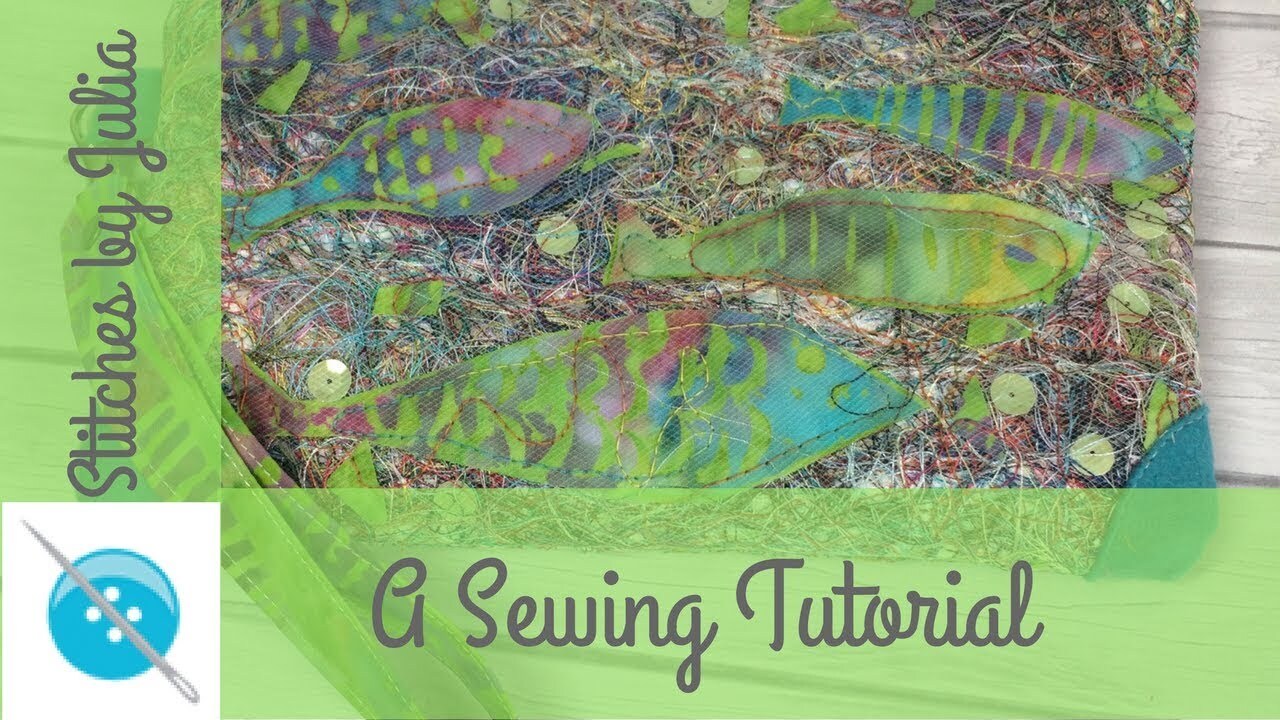
Embarking on your free-motion stitching journey involves translating your creative ideas from concept to fabric. This stage is where your imagination takes shape, and a well-thought-out design process ensures your fabric doodles are both visually appealing and achievable with your sewing machine. We will explore various methods for bringing your sketches to life on fabric, from initial concept organization to practical application on a small sample.
Translating Drawing and Doodling Concepts onto Fabric
The transition from a sketch on paper to a stitch on fabric requires a mindful approach. Consider the tactile nature of fabric and how your chosen stitches will interact with its texture and weave. Think about the scale of your design – intricate details might be lost on a large piece of fabric, while a simple design can be lost on a small one.Several approaches can guide this translation:
- Deconstruct and Simplify: Break down complex images into their fundamental shapes and lines. Free-motion doodling thrives on simplicity and flow.
- Focus on Line Weight and Texture: Think about how different thread colors and stitch densities can create visual interest, mimicking the varying pressures and thicknesses you might use in a pencil sketch.
- Embrace Imperfection: Fabric doodling is often about the journey and the unique character that free motion brings. Don’t strive for photographic realism; aim for expressive and spontaneous marks.
- Consider the Fabric’s Properties: A tightly woven cotton will behave differently than a loose, slubby linen. Factor this into how your stitches will lay and how your design will appear.
Methods for Sketching Directly onto Fabric
To ensure your free-motion stitching follows your intended design, you’ll need a way to transfer your sketch onto the fabric. Several temporary methods are available, each with its advantages.Temporary fabric markers are a popular and accessible option. These pens are designed to wash out or fade over time, allowing you to practice without permanent commitment. When selecting a marker, consider its tip size for the level of detail you require and its color – a contrasting color to your fabric will be easier to see.Another effective method is using an iron-on transfer.
This involves printing your design onto special transfer paper, which is then ironed onto your fabric. This method is excellent for more precise designs or when you want to replicate a digital sketch accurately. Ensure you use transfer paper suitable for fabric and follow the manufacturer’s instructions carefully for optimal results.
Organizing Ideas for Simple Doodle Patterns
Creating effective doodle patterns for free-motion stitching involves a systematic approach to idea generation and refinement. The goal is to develop motifs that are visually engaging and lend themselves well to the fluid movement of free-motion stitching.Begin by brainstorming a range of potential doodle elements. Think about the core components of your desired aesthetic. This could involve exploring basic geometric shapes, organic forms, or even stylized representations of everyday objects.Once you have a collection of individual elements, consider how they can be combined to form cohesive patterns.
This involves thinking about repetition, variation, and scale. For instance, a simple dot can become a starry sky when repeated with varying sizes and spacing, or a single line can evolve into a meandering river or a winding path.Here are some organizational strategies for developing simple doodle patterns:
- Element Collection: Create a sketchbook or digital folder filled with small, repeatable doodle elements. These could be simple swirls, dots, dashes, or basic leaf shapes.
- Grid System: Draw a grid on paper and fill each square with a different doodle element or a variation of the same element. This helps in visualizing repetition and balance.
- Layering and Overlapping: Experiment with placing doodle elements on top of each other or allowing them to overlap. This adds depth and complexity to simple motifs.
- Flow and Direction: Consider the direction in which your doodles will flow. Do you want a design that moves horizontally, vertically, or in a circular motion?
Inspiration for Doodle Motifs
The world around you is a rich source of inspiration for fabric doodles. By observing and abstracting elements from your environment, you can create unique and personal motifs that translate beautifully into free-motion stitching.Abstract shapes offer a fantastic starting point for free-motion doodling, as they are inherently fluid and adaptable. Consider:
- Geometric Forms: Circles, squares, triangles, and their variations can be combined and distorted to create dynamic patterns. Think of concentric circles expanding outwards, or a series of overlapping triangles forming a mosaic effect.
- Organic Lines: Inspired by nature, flowing lines can mimic the movement of water, wind, or the growth of plants. Wavy lines, spirals, and meandering paths are excellent for creating a sense of organic rhythm.
- Textural Marks: Experiment with different densities of stitching to create textural patterns. Densely stitched areas can represent shadows or solid forms, while sparse stitching can suggest lightness or empty space.
Figurative elements, when simplified, can also be very effective:
- Stylized Nature: Think of simplified leaves, flowers, or seed pods. These can be rendered with bold Artikels and minimal detail, perfect for free-motion stitching.
- Abstracted Animals or Objects: Rather than aiming for realistic representation, focus on the key characteristics of an animal or object. A bird might be reduced to a few curves and a dot, or a teacup to a simple handle and rim.
- Human Forms: Simplified figures, perhaps just a few lines suggesting a head and shoulders, can be used to create narrative or to add a human touch to your designs.
Designing a Basic Doodle Composition for Practice
To solidify your understanding and build confidence, it’s beneficial to design a simple doodle composition for practice on a small fabric sample. This exercise allows you to experiment with your chosen sketching method and get a feel for how your design will translate into stitches.Select a small piece of fabric, approximately 8×8 inches, for your practice sample. This size is manageable and allows for a focused design.Choose a simple theme or a few elements you wish to practice.
For this exercise, let’s focus on creating a composition using organic lines and a few simple figurative elements.Here’s a step-by-step approach to designing this basic doodle composition:
- Sketching the Foundation: On your fabric sample, use a temporary fabric marker to draw a few meandering, wavy lines that crisscross the fabric. Think of these as gentle hills or flowing ribbons.
- Adding Simple Motifs: In the spaces created by the wavy lines, sketch a few small, stylized leaf shapes. Keep them simple – perhaps just an elongated oval with a central line.
- Introducing a Focal Point: In one corner or the center of your composition, sketch a slightly larger, simplified bird shape. This could be a few curved lines for the body and a small circle for the head.
- Adding Texture and Detail: Within the leaf shapes, add a few short dash marks to suggest veins. Around the bird, add a few small dots to represent scattered seeds or simple foliage.
“The beauty of fabric doodling lies in its spontaneity and the unique character that free-motion stitching imparts. Embrace the process and let your creativity flow.”
This basic composition provides ample opportunity to practice controlling your stitch length, varying your speed, and navigating curves and corners with your sewing machine.
Stitching Techniques for Different Doodle Effects
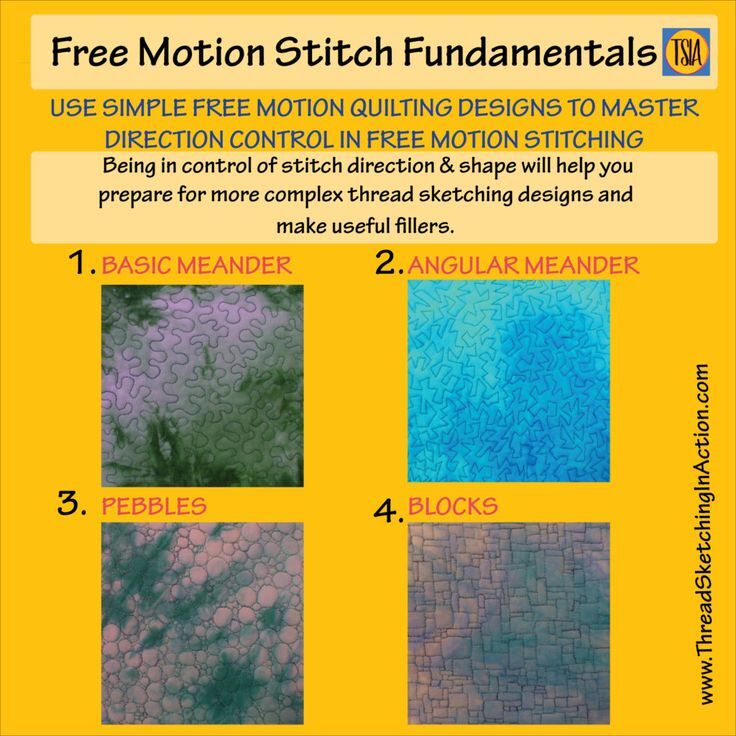
Now that you have a solid understanding of free-motion stitching basics and have practiced controlling your machine’s movement, it’s time to explore how different stitch types and techniques can elevate your fabric doodling. This section delves into the specifics of creating a diverse range of visual effects, from simple lines to intricate textures, by manipulating your stitches.
Stitch Types and Their Applications
The choice of stitch fundamentally impacts the appearance of your fabric doodles. While the free-motion foot allows for continuous stitching, understanding the inherent characteristics of various stitch types provides a palette of options for achieving distinct looks.
- Straight Stitch: This is the most fundamental stitch and serves as the backbone for many fabric doodles. In free-motion, it’s used to create clean, defined lines, Artikels, and simple fill patterns. Varying the stitch length slightly can introduce subtle textural differences, with shorter stitches appearing denser and longer stitches more open.
- Zigzag Stitch: While often associated with finishing edges, a narrow zigzag stitch can be creatively employed in free-motion doodling. It adds a subtle texture and can be used for creating fuzzy Artikels, mimicking hair or grass, or for filling small areas with a slightly more robust, less dense appearance than satin stitch. Wider zigzag stitches can create bold, graphic lines or fill larger areas with a distinct texture.
- Satin Stitch: This stitch, characterized by closely placed straight stitches that lie side-by-side, is ideal for creating solid, opaque fills and smooth, bold lines. In free-motion, it’s used to create smooth, filled shapes, highlights, or areas of solid color. Achieving a perfect satin stitch requires careful control to ensure even spacing and consistent density, preventing gaps or overlaps that can disrupt the smooth appearance.
Creating Fills, Textures, and Shapes
Beyond simple lines, free-motion stitching offers a wealth of possibilities for building depth and visual interest through various fill and texture techniques.
- Scribble Fills: This technique involves rapidly moving the fabric in random, overlapping circular or squiggly motions within a defined area. The result is a dense, textured fill that can mimic shading or organic surfaces. The tighter the scribbles, the denser the fill.
- Parallel Lines Fills: For a more controlled fill, stitch closely spaced parallel lines across an area. Varying the spacing between lines can create different densities and textures. This is excellent for depicting smooth surfaces or creating directional textures.
- Cross-Hatching: Overlapping sets of parallel lines stitched in different directions (e.g., horizontal then vertical) create a cross-hatched fill. This technique adds depth and dimension, and can effectively suggest shading and form.
- Textured Stippling: Instead of continuous lines, use small, individual stitches or very short, quick scribbles to create a stippled effect. This can produce a soft, granular texture, ideal for depicting natural elements like sand, clouds, or soft fur.
- Artikel and Detail: Use a straight stitch for crisp Artikels and fine details. This allows for precise rendering of features and helps to define shapes clearly.
Thread Weights and Colors for Visual Outcomes
The choice of thread significantly influences the final look of your fabric doodles, affecting line thickness, texture, and overall visual impact.
| Thread Weight | Visual Outcome | Applications in Doodling |
|---|---|---|
| Fine (e.g., 50-60 wt) | Delicate, precise lines. Less visible texture. | Fine details, intricate Artikels, subtle shading, creating a “drawn” look. |
| Standard (e.g., 30-40 wt) | Versatile, balanced lines. Moderate texture. | General Artikels, fills, creating a good balance between definition and texture. This is often the go-to for general doodling. |
| Heavy (e.g., 12-20 wt) | Bold, prominent lines. Significant texture. | Creating strong Artikels, adding emphasis, mimicking thick ink strokes, creating textural elements like fur or rope. |
The interplay of thread colors is equally crucial.
- Using a single thread color creates a monochromatic doodle, emphasizing line work and texture.
- Using contrasting thread colors for Artikels and fills can make elements pop and add visual hierarchy.
- Graduated or variegated threads can introduce subtle color shifts within a single doodle, adding organic variation and depth without changing threads.
- Using lighter threads against a dark fabric can create a luminous effect, while darker threads on lighter fabric provide strong contrast.
Achieving Varying Line Thickness and Shading
The illusion of thickness and shading in free-motion stitching is achieved through a combination of stitch density, thread choice, and stitch direction.
- Line Thickness:
- Thicker Lines: Use a heavier weight thread, stitch with a slightly wider zigzag, or stitch multiple parallel straight stitches very close together.
- Thinner Lines: Use a fine weight thread and a straight stitch. Control the speed of your machine and fabric movement to maintain consistent width.
- Shading Effects:
- Light to Dark: Begin with sparse scribbles or widely spaced parallel lines for lighter areas. Gradually increase the density of scribbles or decrease the spacing of parallel lines for darker areas.
- Hatching and Cross-Hatching: As mentioned earlier, these techniques create areas of shadow by layering stitches. The denser the layering, the darker the shade.
- Stippling: Varying the density of stippled dots can also create subtle shading. Closer dots create darker areas, while further apart dots create lighter areas.
- Satin Stitch Blending: For smooth transitions in shading, you can carefully blend areas of satin stitch by slightly overlapping colors or by using a satin stitch with varying densities.
Stitching Continuous Lines and Overlapping Patterns
The beauty of free-motion stitching lies in its ability to create fluid, unbroken lines and intricate patterns.
- Continuous Lines: To stitch a continuous line, simply keep your needle down and move your fabric to begin the next section of your doodle without breaking the thread. This is fundamental for creating flowing designs and avoiding the visual interruption of knots and thread ends. For example, when drawing a face, you might start with the Artikel of the head, then seamlessly move to the chin, then the nose, all without stopping and restarting the thread.
- Overlapping Stitch Patterns: Overlapping stitches are essential for building density, creating texture, and achieving depth.
- Layering Fills: You can stitch one type of fill (e.g., parallel lines) and then stitch another fill (e.g., scribbles) over the top. This creates a richer, more complex texture.
- Artikel and Fill: Artikel a shape with a straight stitch and then fill it with a different technique like satin stitch or scribbles. The Artikel provides definition, while the fill adds substance.
- Adding Detail on Top: After creating a general fill, you can add finer details or highlights on top using a contrasting thread or a different stitch type. For instance, after filling a leaf shape with parallel lines, you could add veins with a fine straight stitch.
Advanced Free-Motion Doodling and Creative Applications
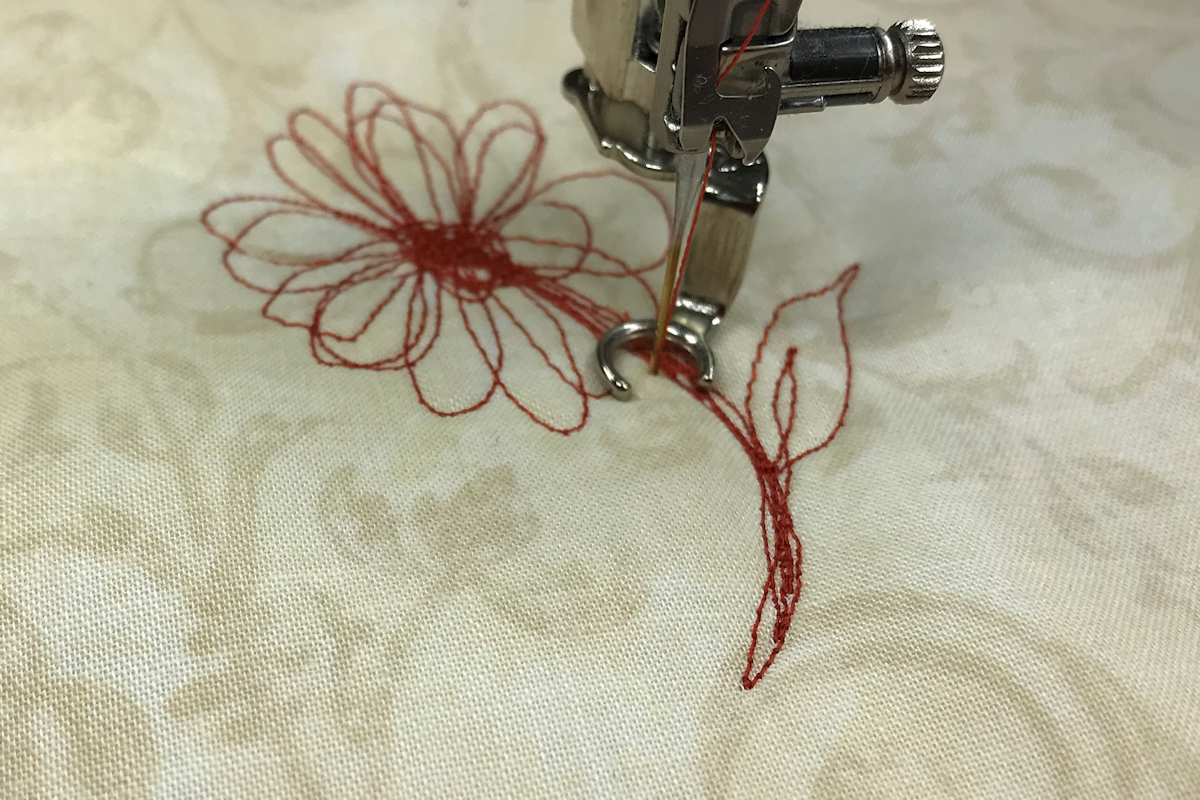
Having mastered the fundamental techniques of free-motion stitching for fabric doodling, we now venture into more sophisticated applications that elevate your creations from simple sketches to intricate works of art. This section explores how to imbue your fabric doodles with depth, dimension, and vibrant life, transforming them into integral components of larger artistic endeavors. We will also address common challenges encountered during complex stitching and offer solutions to ensure a smooth creative process.
Color Blending and Stitch Layering for Enhanced Doodle Designs
Incorporating color and layering stitches can dramatically enhance the visual impact and depth of your fabric doodles, moving beyond single-line drawings to create nuanced and sophisticated designs. This approach allows for the creation of gradients, shadows, and highlights directly within the stitching, adding a painterly quality to your textile art.When layering stitches, consider the weight and type of thread you are using.
Thicker threads can create bold Artikels or fill areas with dense texture, while thinner threads are ideal for delicate details and subtle shading. To achieve color blending, begin by stitching a base layer of one color. Then, carefully layer subsequent stitches in a different, complementary or analogous color directly over or adjacent to the first. The interaction of the threads will create a visual blend.
For example, to create a soft gradient on a stitched flower petal, you might start with a light pink thread, then layer medium pink stitches, and finish with touches of a darker rose or even a hint of purple in the shadowed areas. Experimenting with different stitch densities within these layered areas can also contribute to the illusion of depth and form.
Creating Dimensional Effects and Textures within Fabric Doodles
Moving beyond flat designs, free-motion doodling offers exciting possibilities for introducing three-dimensional elements and rich textures into your fabric art. These techniques add tactile interest and visual complexity, making your doodles truly stand out.Several methods can be employed to achieve these effects:
- Varying Stitch Density: Densely packed stitches can create raised areas, mimicking the appearance of sculpted forms. Conversely, sparser stitching can create recessed areas or subtle shading.
- Using Different Thread Types: Incorporating specialty threads such as metallic, variegated, or textured yarns (like chenille or boucle) can add significant visual and tactile interest. A metallic thread used for highlights can make a doodle sparkle, while a variegated thread can introduce subtle color shifts within a single stitch line.
- Padding and Trailing: For significant dimension, consider stitching over a layer of batting or felt. This technique, often referred to as trapunto or trapunto-like stitching, involves stitching a design and then carefully cutting away the excess batting from behind, leaving the stitched design raised. Trailing stitches, where a thicker cord or yarn is laid under the stitch line and then stitched over, can also create pronounced raised lines.
- Stitch Direction and Overlap: Strategically directing your stitches and allowing them to overlap can create the illusion of form and shadow. For instance, stitching in curved lines that follow the contours of a shape can make it appear more rounded and three-dimensional.
Integrating Free-Motion Doodling into Larger Projects
Free-motion fabric doodling is a versatile technique that can seamlessly integrate into a wide array of larger artistic endeavors, adding unique detail and personal flair. Its adaptability makes it a valuable tool for quilters, embroiderers, and mixed-media artists alike.Consider these integration possibilities:
- Quilting Embellishment: Free-motion doodles can be used to Artikel or fill motifs within quilt blocks, creating intricate designs that stand out against the background fabric. They can also be used to create all-over texture patterns or to highlight specific elements of a quilt’s narrative. Imagine a landscape quilt where the trees are free-motion doodled with textured stitches, or a story quilt where characters’ expressions are brought to life with fine, detailed stitching.
- Embroidery Accents: Free-motion doodling can serve as a foundation for more traditional embroidery. You can stitch a preliminary doodle and then embellish it with hand embroidery stitches, adding beads, sequins, or other decorative elements. This approach allows for a unique blend of machine and handwork.
- Mixed-Media Art: In mixed-media pieces, free-motion doodles can be applied to various substrates beyond fabric, such as canvas, paper, or even found objects. They can be layered with paint, collage elements, or other textile applications to create complex and multi-dimensional artworks. For example, a painted canvas could have a free-motion stitched bird perched on a branch, adding a textural and visual contrast.
- Appliqué Enhancement: Doodles can be used to Artikel or add detail to appliqué shapes, giving them a more finished and artistic appearance. Instead of a standard satin stitch, you could free-motion doodle around the edges of an appliqué piece for a more organic and handcrafted look.
Troubleshooting Common Stitching Issues in Complex Designs
As you tackle more intricate and complex free-motion doodling, you may encounter occasional stitching issues. Understanding how to identify and resolve these problems efficiently will ensure your creative flow remains uninterrupted.Here are common issues and their solutions:
- Skipped Stitches: This often occurs when the needle is not penetrating the fabric correctly or when the thread tension is imbalanced.
- Ensure your machine’s needle is new, sharp, and appropriate for the fabric and thread type.
- Check that the needle is inserted correctly and all the way into the needle clamp.
- Verify that the top thread and bobbin thread tensions are balanced. Consult your machine’s manual for specific tension adjustments.
- Make sure your feed dogs are lowered, as they should be for free-motion work.
- Thread Breakage: This can be caused by friction, improper tension, or a damaged needle or bobbin.
- Inspect your needle for burrs or damage; replace if necessary.
- Ensure your thread is not snagged or knotted in the spool or bobbin.
- Check for rough spots in your machine’s thread path, including the tension discs and needle eye.
- If using multiple threads or very fine threads, ensure they are compatible and the machine is set up for them.
- Thread Bunching (Bird’s Nesting): This typically happens when the top thread is not being pulled through correctly, or the bobbin tension is too loose.
- Re-thread your machine carefully, ensuring the presser foot is up when threading the top thread.
- Check the bobbin is inserted correctly and wound evenly.
- Slightly increase the top thread tension or decrease the bobbin thread tension.
- Uneven Stitch Length: This can be due to inconsistent speed or pressure on the fabric.
- Practice maintaining a steady speed with your foot pedal.
- Avoid pushing or pulling the fabric; guide it gently.
- Ensure your machine’s free-motion setup (lowered feed dogs, appropriate presser foot) is correct.
Creative Project Idea: “Whispers of Nature” Textile Panel
This project utilizes free-motion fabric doodling as the central element to create a richly textured and visually evocative textile panel inspired by the subtle details found in nature. Project Description: A wall hanging or decorative panel that captures the delicate patterns of leaves, feathers, or insect wings through layered and textured free-motion stitching. The focus is on creating a sense of organic movement and intricate detail, reminiscent of observing nature up close.
Materials:
- Various fabric scraps in natural, muted tones (e.g., linen, cotton, silk blends)
- A stable backing fabric (e.g., muslin, quilting cotton)
- Batting (medium loft recommended)
- Embroidery threads in a range of natural colors (greens, browns, grays, subtle blues, and earth tones), including some metallic or variegated threads for highlights.
- Free-motion embroidery foot for your sewing machine
- Sharp sewing machine needles (size 70/10 or 80/12)
- Optional: Beeswax for thread conditioning, fabric glue or basting spray
Process:
- Design Sketching: Begin by sketching organic forms like veins of a leaf, the barbules of a feather, or the intricate patterns on a butterfly wing. Focus on flowing lines and overlapping elements.
- Layering Fabric: Cut your fabric scraps into organic shapes that will form the base of your design. Arrange and layer these scraps onto the backing fabric, securing them with basting spray or temporary stitches. You might layer sheer fabrics over opaque ones to create subtle color variations.
- Batting and Quilting: Place a layer of batting over the fabric arrangement and then the backing fabric. Quilt these layers together using simple straight lines or gentle curves to secure the base and provide a subtle foundation.
- Free-Motion Doodling: This is where the magic happens. Using your free-motion foot, begin to stitch over your fabric layers, following your sketched designs.
- Leaf Veins: Use a fine dark green or brown thread to Artikel the main veins of a leaf. Then, use a lighter green thread and stitch back and forth along the main veins, creating dense areas of color and texture.
Layer in subtle highlights with a metallic gold or a variegated green thread.
- Feather Details: Artikel the central quill of a feather with a dark thread. Then, stitch fine, feathery lines radiating outwards, varying the density to mimic the softness of the feather. Use a mix of gray, brown, and white threads, layering them to create depth and subtle color shifts.
- Insect Wings: For delicate wing patterns, use very fine threads. Stitch intricate, repeating patterns, perhaps using a light blue or iridescent thread for shimmer. Layering lighter colors over darker bases can create an ethereal effect.
- Leaf Veins: Use a fine dark green or brown thread to Artikel the main veins of a leaf. Then, use a lighter green thread and stitch back and forth along the main veins, creating dense areas of color and texture.
- Dimensional Accents: For certain elements, consider using the trapunto technique. Stitch around the Artikel of a prominent leaf or feather shape, then carefully cut away the batting from behind the stitched area to create a raised effect.
- Finishing: Once your doodling is complete, trim any excess batting and backing. You can finish the edges with a simple binding or a turned-edge hem. Consider adding a few strategically placed beads or French knots to represent dew drops or tiny embellishments.
The “Whispers of Nature” panel is an exploration of how meticulous free-motion doodling can transform simple fabric into a piece of art that evokes the beauty and complexity of the natural world.
Illustrative Examples of Free-Motion Fabric Doodling Styles
Free-motion fabric doodling offers a vast landscape of creative expression, allowing artists to translate their ideas into tangible textile art. By understanding and experimenting with different stylistic approaches, you can unlock a unique visual language. This section explores various styles, from the organically flowing to the precisely structured, and discusses how stitch density and thread choice contribute to the overall aesthetic.
Outcome Summary
As we conclude this exploration of How to Free-Motion Stitch for Doodling on Fabric, you are now poised to unlock a world of creative expression. From understanding the fundamental mechanics to exploring advanced techniques and diverse stylistic applications, this guide has provided a thorough foundation. We encourage you to experiment, practice diligently, and embrace the joy of bringing your unique fabric doodles to life, adding a personal and artistic touch to your textile creations.