Embarking on the journey of sewing often leads to a common yet crucial challenge: mastering the art of upper thread tension. This fundamental aspect of machine operation dictates the very appearance and integrity of your stitches, transforming a simple seam into a work of art or, conversely, a source of frustration. Understanding and correctly adjusting your upper thread tension is not merely a technical step; it’s the key to unlocking professional-looking results and ensuring your sewing projects are as beautiful as they are durable.
This comprehensive guide delves into the intricacies of upper thread tension, from its foundational role in your sewing machine to the subtle visual cues that signal an imbalance. We will explore the common pitfalls of incorrect tension, equip you with the knowledge to identify specific symptoms, and provide a clear, step-by-step procedure for making precise adjustments. Furthermore, we’ll examine the various factors that influence these settings, offering practical troubleshooting tips and advanced strategies to help you achieve consistently perfect stitches across all your sewing endeavors.
Understanding Upper Thread Tension
The upper thread tension is a critical element in achieving a balanced and aesthetically pleasing stitch on any sewing machine. It dictates how smoothly the upper thread interacts with the fabric and the lower thread, forming the backbone of your seams. When this tension is correctly calibrated, your sewing projects will exhibit professional-quality results, free from common frustrations.This section delves into the fundamental role of upper thread tension, how its imbalance affects stitch appearance, and the physical components that influence its setting.
Mastering this aspect of sewing machine operation is essential for any sewer aiming for precision and durability in their creations.
The Fundamental Role of Upper Thread Tension
The primary function of upper thread tension is to regulate the amount of upper thread fed through the machine with each stitch. This regulation is crucial for ensuring that the upper thread and bobbin thread interlock correctly at the intended depth within the fabric layers. When the tension is set appropriately, the stitch forms a neat, balanced loop on the underside of the fabric and a clean line on the top.
This delicate balance is what allows for strong, durable seams that lie flat and do not pucker or pull.
Impact of Incorrect Upper Thread Tension on Stitch Quality
When the upper thread tension is not correctly adjusted, it directly compromises the integrity and appearance of your stitches. Too much tension on the upper thread will cause it to pull the bobbin thread tightly to the top surface of the fabric, resulting in a stitch that looks like it’s being cut by the needle. Conversely, too little tension will allow the upper thread to be too loose, leading to loopy stitches on the underside of the fabric and a weak seam.
Common Visual Indicators of Improperly Set Upper Thread Tension
Observing your stitches is the most effective way to diagnose tension issues. Several common visual cues will alert you to an imbalance.
- Upper thread breaking frequently: This often indicates that the upper thread tension is too high, causing excessive strain.
- Skipped stitches: This can be a symptom of either too high or too low upper thread tension, or an issue with the needle or bobbin.
- Loopy stitches on the underside of the fabric: This is a classic sign of insufficient upper thread tension, where the upper thread is not being pulled taut enough.
- Tight, puckered fabric: This usually means the upper thread tension is too high, causing the thread to constrict the fabric.
- The bobbin thread showing prominently on the top side of the fabric: This indicates the upper thread tension is too loose, allowing the bobbin thread to dominate the stitch on the upper surface.
Components Contributing to Upper Thread Tension
Several parts of your sewing machine work in concert to create and regulate upper thread tension. Understanding these components is key to troubleshooting and adjusting the tension effectively.
| Component | Function | How it Affects Tension |
|---|---|---|
| Tension Discs | These are two conical discs located within the tension dial assembly. As the thread passes between them, the pressure applied by a spring (controlled by the tension dial) determines how much friction is created. | The primary mechanism for adjusting upper thread tension. Tightening the dial increases pressure on the discs, increasing tension; loosening decreases pressure, reducing tension. |
| Tension Dial | This is the external knob or slider, typically numbered, that allows the user to select the desired tension level. | Directly controls the spring pressure on the tension discs. Higher numbers generally mean higher tension. |
| Thread Guide and Take-Up Lever | These components guide the thread from the spool to the needle and ensure the thread is pulled up correctly with each stitch. | Proper threading through these guides is essential for the tension mechanism to function correctly. If the thread is not seated properly, the tension will be uneven or incorrect. |
| Presser Foot Spring | While not directly part of the upper thread tension assembly, the presser foot’s downward pressure on the fabric can indirectly influence how the upper thread tension is perceived and interacts with the fabric. | Ensures consistent contact between the fabric and the feed dogs, allowing for even stitch formation. If this pressure is too high or too low, it can affect the overall stitch balance. |
Identifying Symptoms of Incorrect Upper Thread Tension
Understanding how your sewing machine’s upper thread tension should behave is crucial for achieving professional-looking stitches. When this tension is not correctly calibrated, it manifests in several observable ways, often impacting the appearance and integrity of your seams. Recognizing these symptoms is the first step towards diagnosing and resolving tension issues, ensuring a smooth and efficient sewing experience.This section will guide you through the visual cues that indicate whether your upper thread is too tight or too loose, and how these issues might vary across different fabric types.
We will also clarify how to distinguish upper thread tension problems from those originating in the lower thread.
Signs of Upper Thread Being Too Tight
When the upper thread tension is excessively tight, it pulls the fabric upwards, creating a noticeable distortion. This can lead to several undesirable outcomes that compromise the quality of your sewing.The most common indicators of overly tight upper thread tension include:
- Ruffled or Puckered Seams: The fabric will appear gathered or creased along the stitch line, especially on the top side of the fabric. This is because the tight upper thread is cinching the fabric together more than necessary.
- Skipped Stitches on the Top: While less common than with loose tension, a very tight upper thread can sometimes prevent the needle from properly forming a loop, leading to skipped stitches on the upper surface.
- Thread Breaking: The upper thread may snap frequently. This is a direct result of the excessive strain placed on the thread as it’s pulled too tightly through the fabric and the machine’s tension discs.
- Needle Bending or Breaking: The increased resistance from a tight tension can sometimes cause the needle to bend or break as it attempts to force its way through the fabric.
- Uneven or Jagged Stitches on the Top: The stitch loops may not lie flat, creating a rough or irregular appearance on the top of the fabric.
Visual Cues of Upper Thread Being Too Loose
Conversely, when the upper thread tension is too loose, the upper thread does not have enough pull to create a balanced stitch with the bobbin thread. This results in a different set of visual problems, primarily affecting the underside of the fabric.Key visual cues indicating that your upper thread tension is too loose are:
- Loopy Stitches on the Underside: The most definitive sign is visible loops of the upper thread appearing on the wrong side of the fabric. These loops are the bobbin thread pulling the upper thread through, as the upper thread isn’t secured tightly enough.
- The Bobbin Thread Showing on the Top: If the upper thread is too loose, the bobbin thread will be pulled up to the surface of the fabric on the right side. This creates a dotted or uneven appearance on the top.
- Weak Seams: The stitches will not be securely locked together, making the seam prone to unraveling or breaking under stress.
- Thread Snapping on the Underside (Less Common): While less frequent than with tight tension, if the upper thread is very loose and catches on something, it can snap, though this is more indicative of a general threading issue.
Upper Thread Tension Issues on Various Fabric Types
The way upper thread tension problems manifest can be influenced by the type of fabric you are sewing. Different fabrics have varying degrees of stretch, weight, and weave, which can either exaggerate or mask tension issues.Consider these fabric-specific observations:
- Delicate Fabrics (e.g., Silk, Chiffon): On very fine or slippery fabrics, even a slightly too tight upper thread can cause significant puckering and distortion. Conversely, a slightly too loose upper thread might be less noticeable on the top but could still result in loopy stitches on the underside.
- Stretchy Fabrics (e.g., Knits, Lycra): These fabrics are more forgiving of minor tension imbalances due to their inherent stretch. However, if the upper thread is too tight, it can severely restrict the fabric’s stretch, leading to broken stitches or a stretched-out, distorted seam when the fabric is pulled. If it’s too loose, you’ll see the characteristic loops on the underside, which can be particularly unsightly on knits.
- Heavyweight Fabrics (e.g., Denim, Canvas): These fabrics are more robust and less prone to puckering from slight tension issues. However, if the upper thread is too tight, it can cause excessive wear on the thread and needle. A loose upper thread on heavy fabric might lead to a visibly weaker seam, where the bobbin thread is more prominent on the top.
- Woven Fabrics: Most standard woven fabrics will clearly display the typical symptoms of tight or loose upper thread tension, making them excellent for diagnosing general tension problems.
Differentiating Upper Thread Tension from Lower Thread Tension Problems
It is essential to correctly identify whether the problem lies with the upper thread tension or the lower thread (bobbin) tension. This distinction is key to making the correct adjustments.Here’s how to differentiate:
- Observe the “Wrong” Side: The most reliable way to differentiate is to examine the side of the fabric where the problematic thread appears.
- If you see loops of the upper thread on the underside (bobbin side), the upper thread tension is too loose.
- If you see loops of the bobbin thread on the top side, the lower thread tension is too loose (or the upper thread tension is too tight).
- Check for Puckering:
- Puckering on the top side typically indicates the upper thread tension is too tight.
- Puckering on the underside is less common with upper thread issues and might suggest a problem with the bobbin case or lower thread tension.
- Thread Breakage Location:
- If the upper thread breaks, it often points to upper thread tension being too tight, or a snag/burr in the upper threading path.
- If the bobbin thread breaks, it usually indicates lower thread tension is too tight, or an issue with the bobbin winding or placement.
- Stitch Appearance:
- Visible upper thread on the top is a strong indicator of loose upper thread tension.
- Visible bobbin thread on the underside is a strong indicator of loose bobbin thread tension.
A balanced stitch is achieved when the upper and lower threads interlock precisely in the middle of the fabric layers, creating a clean, straight stitch on both sides with no loops or thread showing on either surface.
Step-by-Step Guide to Adjusting Upper Thread Tension
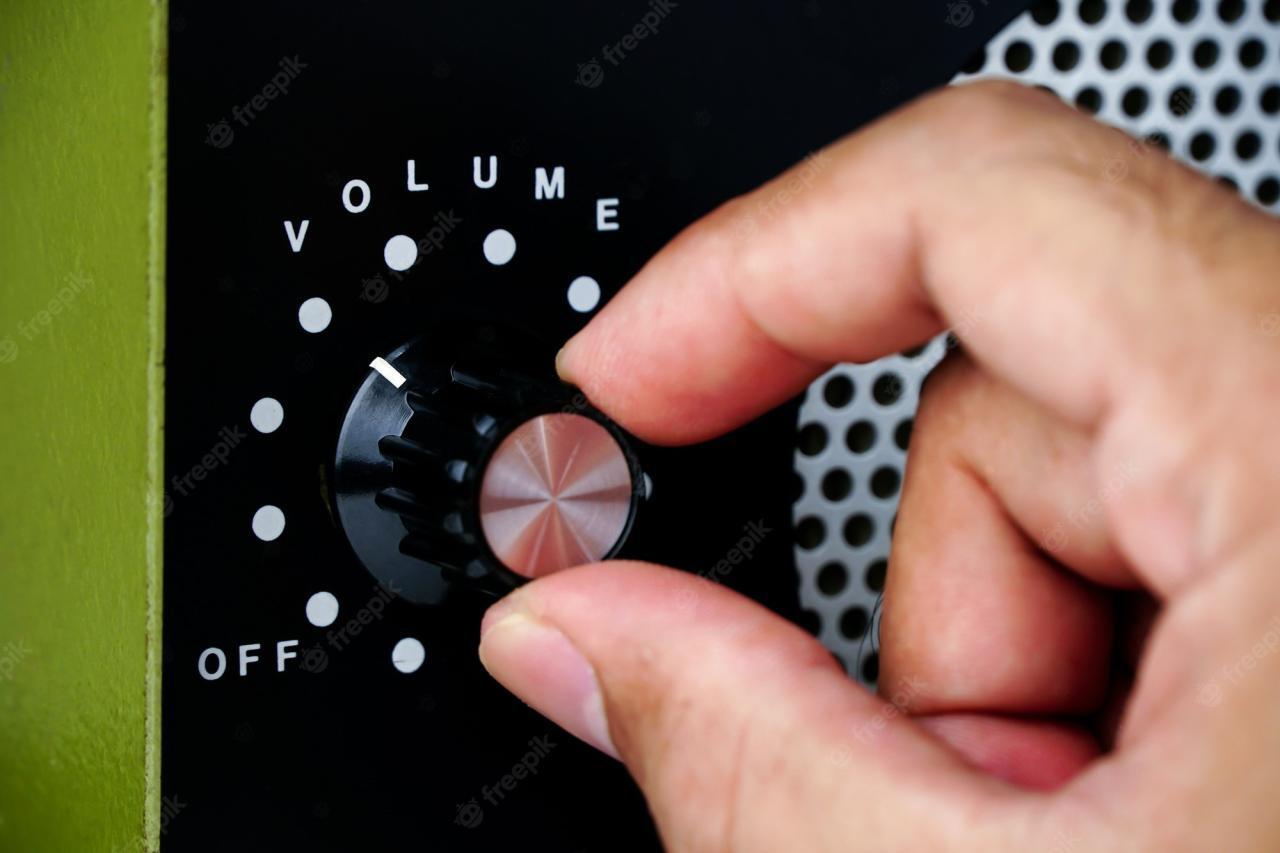
Successfully adjusting your upper thread tension is a fundamental skill for achieving professional-looking stitches. This section will guide you through the precise steps to fine-tune your sewing machine’s upper tension dial, ensuring balanced and consistent results. We will cover the essential preparation, the incremental adjustment process, and effective testing methods.
Factors Influencing Upper Thread Tension Settings
Understanding the elements that affect your upper thread tension is crucial for achieving balanced stitches. Several variables interact to determine the ideal tension setting for any given sewing project, ensuring both aesthetic appeal and structural integrity of your seams.
Thread Type and Its Impact on Tension
Different thread materials possess unique properties that necessitate adjustments to upper thread tension. The fiber content, thickness, and construction of the thread all play a significant role.
- Cotton Threads: Generally have a natural grip and can be prone to fraying. They often require slightly tighter tension to prevent looseness and ensure a clean stitch.
- Polyester Threads: Known for their strength and elasticity. They tend to glide smoothly through fabric and may require a slightly looser tension compared to cotton to avoid puckering, especially with synthetic fabrics.
- Silk Threads: These are very fine and smooth, often used for delicate fabrics. They can require a delicate touch with tension settings, typically leaning towards a looser setting to prevent damage to the fabric or the thread itself.
- Specialty Threads (e.g., metallic, embroidery): These often have unique textures or coatings. Metallic threads, for instance, can be brittle and may need a looser tension to prevent breakage. Embroidery threads, being thicker and sometimes less uniform, might require specific tension adjustments to lie flat and prevent loop formation.
Needle Size and Type Influence
The needle is the conduit through which the upper thread passes into the fabric, and its characteristics directly influence the required tension. A needle that is too large or too small for the thread and fabric can cause a multitude of tension issues.
- Needle Size: A larger needle creates a bigger hole in the fabric, allowing more thread to pass through. This often means you’ll need to increase upper thread tension to compensate and achieve a balanced stitch. Conversely, a smaller needle requires less thread, suggesting a need for looser upper thread tension. For example, when sewing a heavy denim with a size 100/16 needle, you’ll likely need a higher tension setting than when sewing a fine silk with a size 60/8 needle.
- Needle Type: Different needle points are designed for specific fabric types. A sharp or microtex needle for wovens might behave differently than a ballpoint or jersey needle for knits. The way these needles interact with the fabric’s fibers can affect how the thread sits, thus influencing the optimal tension. For instance, a ballpoint needle pushes fibers aside rather than cutting them, which can sometimes lead to a slightly looser stitch appearance that may need a minor tension increase.
Fabric Weight and Weave Considerations
The physical characteristics of the fabric being sewn are paramount in determining the correct upper thread tension. Heavier, denser fabrics behave differently than lighter, more pliable ones.
- Fabric Weight: Heavier fabrics, such as denim, canvas, or upholstery fabric, often require a higher upper thread tension. This provides the necessary strength and prevents the stitches from sinking too deeply into the material, which could lead to a loose appearance. Lighter fabrics, like chiffon or voile, are more delicate and can easily pucker if the tension is too high.
Therefore, they typically necessitate a lower upper thread tension.
- Fabric Weave: The way threads are interlaced in a fabric’s weave impacts how the needle and thread move. Tightly woven fabrics may resist the needle more, potentially requiring a slightly looser tension to allow the thread to pass smoothly. Loosely woven fabrics, especially those with some stretch, might benefit from a slightly tighter tension to ensure the stitches don’t pull apart or create excessive gaping between threads.
Tension Needs for Different Sewing Techniques
The purpose of your stitches dictates the tension requirements. A seam that needs to withstand stress will have different needs than one that is purely decorative.
- General Seams: For everyday seams that require durability and a balanced appearance, the goal is a stitch where the upper and lower threads meet precisely in the middle of the fabric. This typically involves moderate tension settings, adjusted based on the thread and fabric used.
- Topstitching: Topstitching is often a decorative element and is usually placed on the right side of the fabric. Because it’s visible, it needs to look neat and lie flat. Frequently, topstitching requires a slightly tighter upper thread tension than general seams. This helps the top thread to sit prominently on the fabric surface without creating puckering on the underside. For example, when topstitching jeans, the visible stitch on the front might need a slightly higher tension to stand out cleanly against the denim.
- Decorative Stitching: Similar to topstitching, decorative stitches often benefit from adjusted tension to ensure they are visually appealing. Depending on the stitch pattern and the desired effect, tension might be increased or decreased. For intricate embroidery stitches, a looser tension might be preferred to allow the stitch to fill out beautifully.
Troubleshooting Common Upper Thread Tension Problems
Even with careful adjustment, you might encounter persistent issues with your upper thread tension. This section is dedicated to identifying and resolving these common problems, ensuring a smooth and consistent sewing experience. We will explore a systematic approach to diagnose and fix these issues, making your sewing projects more enjoyable and professional.Understanding the interplay between upper and lower thread tension is crucial for effective troubleshooting.
When the upper thread tension is incorrect, it often manifests in visible signs on your fabric. By recognizing these symptoms, you can quickly pinpoint the problem and apply the appropriate solution.
Common Upper Thread Tension Issues and Solutions
When you encounter difficulties with your sewing machine’s upper thread tension, a structured approach can help you identify and resolve the problem efficiently. The following table Artikels common issues, their likely causes, and the recommended solutions to restore optimal tension.
| Symptom | Possible Cause | Solution |
|---|---|---|
| Thread loops on the underside of the fabric (loopy stitches) | Upper thread tension is too loose. | Increase the upper thread tension setting gradually. Ensure the thread is correctly seated in the tension discs. |
| Thread breaks frequently on the upper thread | Upper thread tension is too tight. | Decrease the upper thread tension setting. Check for burrs or rough spots on the needle, presser foot, or tension discs. |
| Fabric puckering, especially on the top side | Upper thread tension is too tight. | Decrease the upper thread tension setting. Ensure you are using the correct needle size and type for your fabric. |
| Thread bunching or gathering on the underside of the fabric | Lower thread tension is too loose, or upper thread tension is too tight. | Check and adjust lower thread tension first. If lower tension is correct, decrease upper thread tension. |
| Uneven stitch appearance (some stitches tight, some loose) | Inconsistent thread path or worn tension discs. | Re-thread the machine carefully, ensuring the presser foot is up when threading. Clean the tension discs for any lint or debris. |
Clearing Thread Jams Related to Tension Issues
Thread jams are a common frustration, and often, they are directly linked to improper tension settings. A jam typically occurs when the thread gets caught and builds up, preventing the machine from moving freely. Clearing these jams requires patience and a methodical approach to avoid further damage to your machine.To clear a thread jam caused by tension issues, follow these steps diligently:
- Stop immediately: As soon as you notice a jam, stop sewing. Forcing the machine can cause more significant damage.
- Raise the presser foot: This releases tension on the thread path and allows for easier removal of tangled threads.
- Turn the handwheel towards you: Slowly turn the handwheel towards you to bring the needle to its highest position. This can help loosen any caught threads.
- Remove the needle plate and bobbin case: Carefully remove the needle plate and then the bobbin case. This provides access to the area where most jams occur.
- Gently pull out tangled threads: Using tweezers or your fingers, carefully pull out any visible tangled threads. Work slowly and avoid yanking, which could break threads and leave small pieces inside the machine.
- Check the bobbin area: Ensure no thread is wrapped around the bobbin driver or caught in the bobbin case mechanism.
- Clean the area: Use a small brush or compressed air to remove any lint or small thread fragments from the feed dogs, needle plate area, and bobbin case.
- Reassemble the machine: Carefully reassemble the bobbin case, needle plate, and any other removed parts.
- Re-thread the machine: Once the jam is cleared, re-thread the entire machine, ensuring the presser foot is up during threading.
- Test the tension: Sew a test piece of fabric to check if the tension issues have been resolved. Make minor adjustments if necessary.
Re-threading the Machine to Resolve Tension Problems
In many instances, a seemingly complex tension issue can be resolved by simply re-threading the sewing machine. This is because improper threading can lead to the thread not engaging correctly with the tension discs, resulting in either too much or too little tension. Re-threading ensures that the thread follows the correct path and is properly seated within the tension mechanism.When experiencing persistent tension problems, consider the following scenarios where re-threading is particularly beneficial:
- After changing the needle: A new needle can sometimes alter the thread path slightly.
- When switching thread types or brands: Different threads have varying thicknesses and textures that might require a fresh threading.
- If you suspect the thread is not in the tension discs: This is a common oversight, especially when threading with the presser foot down.
- Following a thread jam: Even after clearing a jam, re-threading ensures no residual thread is interfering with the tension.
Always remember to raise the presser foot before threading your machine. This opens the tension discs, allowing the thread to pass through them correctly. Once threaded, lower the presser foot before sewing.
Addressing Skipped Stitches Caused by Upper Thread Tension
Skipped stitches are a common indicator of an underlying tension problem, particularly with the upper thread. When the upper thread tension is not balanced with the bobbin tension, or if the upper thread is too tight, it can prevent the needle from properly forming a stitch. This often results in gaps in your sewing line where stitches should be.To address skipped stitches specifically caused by upper thread tension:
- Check Upper Thread Tension: If the upper thread tension is too loose, the needle thread may not be pulled up sufficiently to form a proper stitch. Conversely, if it’s too tight, it can cause the thread to break before a stitch can form, leading to skips.
- Ensure Correct Needle Insertion: A bent or incorrectly inserted needle can also cause skipped stitches. Ensure the flat side of the needle is facing the correct direction as per your machine’s manual.
- Verify Needle Type and Size: Using the wrong type or size of needle for your fabric can lead to skipped stitches. For instance, a ballpoint needle is designed for knits to prevent snagging, while a sharp needle is better for wovens.
- Examine the Thread Path: Double-check that the thread is correctly guided through all the tension discs, guides, and the take-up lever. Any deviation can affect stitch formation.
- Clean the Feed Dogs and Bobbin Area: Lint and debris can interfere with stitch formation. Clean these areas thoroughly.
- Adjust Bobbin Tension: While this section focuses on upper thread tension, remember that an imbalance with bobbin tension is a frequent cause of skipped stitches. Ensure your bobbin tension is correctly set.
By systematically checking these points, you can effectively diagnose and resolve skipped stitches that are related to upper thread tension issues.
Advanced Tips for Perfecting Upper Thread Tension

Mastering upper thread tension goes beyond the basic adjustments. This section delves into nuanced techniques and strategies to achieve impeccable stitch quality, even when faced with challenging materials or intricate designs. By understanding these advanced principles, you can elevate your sewing from good to truly professional.
Balanced Stitches on Complex Fabrics
Achieving balanced stitches on fabrics like knits, silks, or velvets requires a more sensitive approach to tension. These materials often have inherent stretch or a delicate surface that can be easily distorted by incorrect tension. A key strategy involves a combination of gradual adjustments, testing on scraps, and understanding how the fabric’s properties interact with the needle and thread.Here are techniques to consider:
- Fabric Type Assessment: Before sewing, carefully examine the fabric. For stretchy knits, you might need slightly looser upper tension to prevent the stitches from puckering or breaking as the fabric stretches. For slippery silks, a slightly tighter upper tension can help the thread lie flat and prevent looping.
- Gradual Incremental Adjustments: Instead of making large jumps in tension settings, make small, incremental changes. Sew a few stitches, inspect the result, and adjust again. This methodical approach minimizes the risk of over-tightening or loosening the tension too much.
- Test Swatches are Crucial: Always sew test swatches with the exact thread and needle you will use for your project. This is the most reliable way to determine the optimal tension setting for a specific fabric. Mimic your project’s seam allowances and stitching techniques on the swatch.
- Needle Choice Matters: The type and size of the needle significantly impact tension. A needle that is too large can create a hole that allows the thread to appear loose, while a needle that is too small can cause thread breakage or skipped stitches. Ensure your needle is appropriate for the fabric weight and type.
- Presser Foot Pressure: For some machines, adjusting the presser foot pressure can indirectly affect tension. Lighter pressure can be beneficial for delicate fabrics to prevent stretching or distortion. Consult your machine’s manual for this adjustment.
Setting Tension for Decorative Stitches
Decorative stitches, such as satin stitches, embroidery stitches, or heirloom stitches, place unique demands on thread tension. These stitches often involve dense thread coverage or intricate patterns where even slight imbalances can be glaringly obvious. The goal is to ensure the decorative thread sits neatly on the fabric surface without pulling or creating gaps.Consider these techniques for decorative stitches:
- Emphasize the Top Thread: For most decorative stitches, the top thread is the visible element. Therefore, the upper thread tension should be set so that the thread lies smoothly and evenly on the fabric surface, creating a clean and defined pattern.
- Slightly Looser Upper Tension: Often, a slightly looser upper thread tension than what you would use for regular straight stitching is beneficial for decorative stitches. This allows the decorative thread to flow freely and prevents it from pulling the fabric, which can cause puckering or distortion of the design.
- Bobbin Tension Consideration: While focusing on upper tension, remember that the bobbin tension also plays a role. For decorative stitches, you typically want the bobbin thread to be just barely visible on the back of the fabric, if at all. If you see too much bobbin thread on the top, you might need to slightly tighten the bobbin tension or loosen the upper tension further.
- Experiment with Thread Types: Different decorative threads (e.g., silk, metallic, variegated) behave differently. Each may require a slight adjustment to the upper tension for optimal results. Always test on a scrap with the specific decorative thread.
- Understanding Stitch Density: The density of the decorative stitch itself impacts tension. A very dense satin stitch will require more careful tension management than a sparse decorative stitch to prevent tunneling or pulling.
Maintaining Consistent Tension Across Long Sewing Projects
For extended projects like quilts, garments, or home décor items, maintaining consistent thread tension is paramount to achieving a uniform and professional finish. Fluctuations in tension can lead to noticeable variations in stitch appearance, especially when viewed from a distance or after washing.Here’s how to ensure consistency:
- Regular Thread Checks: As you sew, periodically check the thread supply on both the bobbin and the spool. Uneven thread winding on the bobbin or a snag on the spool can cause tension inconsistencies.
- Monitor Thread Path: Ensure the thread is passing correctly through all the guides, tension discs, and the presser foot. A misplaced thread can dramatically alter tension.
- Periodic Re-testing: Even on a long project, it’s wise to periodically re-test your tension on a scrap of the project fabric, especially if you’ve changed bobbins or encountered any unusual sewing behavior.
- Machine Warm-up: For very long sewing sessions, allow your machine to run for a few minutes before starting to sew. This helps the metal components, including the tension discs, reach a stable operating temperature, which can slightly affect tension.
- Cleanliness is Key: Dust and lint accumulation can interfere with the smooth operation of the tension discs and other moving parts. Regular cleaning is essential for consistent tension.
Routine Sewing Machine Maintenance for Tension
Proactive maintenance is the cornerstone of consistent and reliable thread tension. Neglecting your sewing machine can lead to gradual deterioration of stitch quality. Establishing a regular maintenance routine ensures all components affecting tension are functioning optimally.A recommended maintenance routine includes:
- Daily/After Each Use:
- Brush Away Lint: Use a small brush to remove lint and dust from the bobbin area, needle plate, and feed dogs.
- Wipe Down Exterior: A quick wipe down keeps the machine clean and free from dust.
- Weekly (or every few hours of sewing):
- Clean the Bobbin Area Thoroughly: Remove the bobbin case and clean out any accumulated lint. A small vacuum attachment can be helpful here.
- Check and Clean Tension Discs: With the presser foot up, gently use a card or a thin piece of stiff paper to slide between the tension discs, cleaning out any trapped lint or thread fragments.
- Inspect the Needle: Ensure the needle is straight, sharp, and not bent. A dull or damaged needle can affect tension and cause skipped stitches. Replace needles regularly.
- Monthly (or as per manufacturer’s recommendation):
- Lubricate Moving Parts: Refer to your sewing machine manual for specific lubrication points. Use the recommended sewing machine oil only.
- Check for Loose Screws: Gently check that any accessible external screws are snug.
- Annually (or as needed):
- Professional Servicing: Schedule a professional tune-up and cleaning with a qualified sewing machine technician. This ensures internal components are properly cleaned, adjusted, and lubricated, which is critical for maintaining accurate tension.
This structured maintenance approach will significantly contribute to achieving and maintaining perfect upper thread tension throughout your sewing endeavors.
Visualizing Tension Adjustments
Understanding how your stitch looks is a powerful tool in achieving perfect thread tension. By carefully observing the interplay of the upper and bobbin threads, you can diagnose and correct tension issues with confidence. This section will guide you through recognizing the visual cues of balanced and unbalanced stitches.
The Appearance of a Perfectly Balanced Stitch
A perfectly balanced stitch is the hallmark of correctly set upper thread tension. It signifies that both the upper and bobbin threads are working in harmony to create a stable and aesthetically pleasing seam. This balance is most evident in the precise formation of the stitch on both sides of the fabric.
On the right side of the fabric (the side facing the needle), a balanced stitch will appear neat and uniform. You will see the upper thread forming small, even loops that are caught and secured by the bobbin thread. Crucially, the upper thread will not be visible on the wrong side of the fabric, and the bobbin thread will not be visible on the right side.
The key characteristic of a balanced stitch is the clean encapsulation of the needle’s loop by the bobbin thread. Imagine a tiny handshake between the two threads, securing them firmly within the fabric’s weave. There should be no puckering, no skipped stitches, and no excess thread showing on either side.
Visual Differences: Too Much vs. Too Little Upper Tension
The appearance of your stitches will dramatically change depending on whether the upper thread tension is too tight or too loose. Recognizing these differences is the first step to making the correct adjustments.
Too Much Upper Thread Tension
When the upper thread tension is set too high, the upper thread will be pulling excessively. This creates a distorted stitch where the upper thread is forced through the fabric with too much force.
- On the right side of the fabric: You will notice that the upper thread appears taut and may even cut into the fabric slightly. The stitch will look strained.
- On the wrong side of the fabric: This is where the most telling signs appear. You will see the upper thread loops, or even the entire upper thread, clearly visible on the bobbin side. This indicates that the upper thread is not being properly caught and secured by the bobbin thread, and is instead “winning” the tension battle. The fabric may also appear puckered or gathered along the seam line.
Too Little Upper Thread Tension
Conversely, when the upper thread tension is too low, the upper thread is not pulled tightly enough through the fabric. This results in a weak and insecure stitch.
- On the right side of the fabric: You will see excessive loops of the upper thread. The stitch will appear loose and floppy, and it will not lie flat against the fabric. You might also observe the bobbin thread showing through on the right side, indicating that the upper thread is not adequately securing it.
- On the wrong side of the fabric: While the upper thread is not as prominently visible as in the case of too much tension, you might still see some slack or unevenness. The primary indicator here is that the bobbin thread is not being held firmly by the upper thread, leading to a less durable and aesthetically displeasing seam. The fabric may appear rippled or wavy due to the looseness of the upper thread.
The Bobbin Thread’s Appearance with Correct Upper Tension
The bobbin thread’s behavior on the wrong side of the fabric is a critical indicator of balanced upper thread tension. When everything is set correctly, its appearance is very specific and reassuring.
When the upper thread tension is correctly adjusted, the bobbin thread should appear on the wrong side of the fabric as a series of small, neat loops that are securely caught by the upper thread. Imagine the upper thread forming a small nest that gently cradles the bobbin thread. The bobbin thread should not be visible on the right side of the fabric at all, and on the wrong side, it should look like a consistent, unbroken line of evenly formed stitches, with no excess slack or tightness.
The Visual Effect of Upper Thread “Looseness” on the Fabric’s Surface
The term “upper thread looseness” directly translates to visible effects on the fabric’s surface, primarily on the right side where the needle thread is intended to lie.
When the upper thread is too loose, its primary visual manifestation is the appearance of prominent, uneven loops of thread on the right side of the fabric. These loops do not lie flat and can create a raised, bumpy texture. Instead of a clean, defined stitch, you will see excess thread that can easily snag or break. In severe cases of looseness, the bobbin thread may also start to show through on the right side, indicating that the upper thread is not strong enough to pull the bobbin thread into the center of the fabric layers.
Conclusive Thoughts

In conclusion, achieving the ideal upper thread tension is a skill that significantly elevates the quality and professionalism of your sewing. By understanding its components, recognizing the tell-tale signs of imbalance, and diligently following the adjustment procedures, you gain greater control over your machine’s output. Remember that factors like thread type, needle size, and fabric all play a role, requiring a thoughtful approach to tension settings.
With practice and attention to these details, you’ll find yourself consistently creating beautifully balanced stitches, transforming your sewing experience from one of trial and error to one of confident creation.