How to Sew a Basic Tote Bag guides you through creating a versatile and practical accessory. This comprehensive tutorial will demystify the process, from understanding fundamental components and selecting the right materials to executing precise sewing techniques and adding those special finishing touches. Whether you’re a complete beginner or looking to refine your skills, this guide is designed to be your trusted companion.
We will explore everything you need to know to construct a sturdy and stylish tote bag. From choosing the perfect fabric and essential tools to mastering pattern preparation and stitching methods, each step is broken down for clarity. You’ll learn how to achieve professional-looking results, ensuring your handmade tote is both beautiful and functional for everyday use.
Understanding the Basics of Tote Bag Construction
Embarking on a sewing project like a basic tote bag is a rewarding experience, offering a practical and stylish accessory that can be customized to your heart’s content. Before you even thread your sewing machine, a solid understanding of the fundamental components and materials involved will set you up for success. This foundational knowledge ensures that your tote bag will not only look good but also be durable and functional for everyday use.A basic tote bag, at its core, is a relatively simple construction designed for carrying various items.
Its straightforward design makes it an excellent starting point for beginner sewers. By mastering the principles of its creation, you’ll gain valuable skills applicable to more complex sewing projects.
Fundamental Components of a Basic Tote Bag
A standard tote bag comprises a few key elements that work together to create its recognizable form and functionality. Understanding these parts is the first step in visualizing the construction process.
- Bag Body: This is the main rectangular section of the tote bag, forming the primary storage space. It is typically constructed from two identical pieces of fabric, sewn together along the sides and bottom.
- Side Gussets (Optional but common): These are panels that, when sewn to the sides of the bag body, create depth and allow the bag to stand open more easily. For a truly basic tote, these might be omitted, resulting in a flatter bag.
- Handles: These are the straps that allow you to carry the bag. They can be made from the same fabric as the bag, contrasting fabric, or even webbing for added durability. They are typically attached to the top edges of the bag body.
- Top Hem: The upper edge of the bag body is usually folded over and stitched to create a clean, finished edge and to reinforce the area where the handles are attached.
Essential Fabric Types for Tote Bags
The choice of fabric significantly impacts the look, feel, and durability of your tote bag. Different materials offer varying strengths, textures, and drape, making some more suitable than others for this type of project.
- Cotton Canvas: This is a very popular choice due to its sturdiness, affordability, and wide availability. It’s a tightly woven, durable fabric that holds its shape well, making it ideal for bags that will carry heavier items. It also takes well to printing and dyeing.
- Denim: A strong and durable option, denim offers a casual and classic look. Its inherent strength makes it suitable for everyday use, and it often softens and ages beautifully with wear.
- Linen: While often perceived as delicate, heavier weight linens can be excellent for tote bags, offering a more natural and sophisticated aesthetic. They are breathable and have a lovely drape, but may wrinkle more easily than cotton canvas.
- Duck Cloth: Similar to canvas but often heavier and more tightly woven, duck cloth is exceptionally durable and water-resistant, making it a robust choice for very heavy-duty tote bags.
- Upholstery Fabric: Many upholstery fabrics are designed for durability and often feature attractive patterns and textures, making them a great choice for stylish and long-lasting tote bags.
Common Tools and Notions for Sewing a Tote Bag
To bring your tote bag to life, you’ll need a selection of tools and notions. Having these readily available will streamline your sewing process and ensure a professional finish.
- Sewing Machine: A functional sewing machine is essential for stitching seams efficiently and securely.
- Thread: All-purpose polyester thread is a good choice for most fabrics. Ensure you have a color that complements or contrasts nicely with your chosen fabric.
- Fabric Scissors: Sharp scissors specifically for fabric are crucial for clean, precise cuts.
- Rotary Cutter and Mat (Optional but recommended): These tools can make cutting fabric quicker and more accurate, especially for straight lines.
- Pins or Clips: Used to hold fabric pieces together before and during sewing.
- Measuring Tape or Ruler: For accurate fabric measurements and marking.
- Fabric Marker or Chalk: To mark cutting lines and sewing guides on your fabric.
- Iron and Ironing Board: Essential for pressing seams and hems, which is critical for a crisp and professional finish.
- Sewing Machine Needles: Ensure you have the correct needle type for your fabric weight (e.g., a universal needle or a denim needle for thicker fabrics).
- Interfacing (Optional): This is a stabilizing material that can be fused or sewn to fabric to give it more body and structure, particularly useful for handles or the entire bag if a stiffer result is desired.
Importance of Pre-washing Fabric Before Cutting
Pre-washing your fabric before cutting is a crucial step that should not be overlooked. It addresses potential issues that could arise after your tote bag is constructed, saving you time and preventing disappointment.
Pre-washing fabric accounts for shrinkage and color bleeding, ensuring your finished tote bag maintains its intended size and appearance.
When you wash and dry your fabric before cutting, you simulate the wear and tear it will experience over time. This process allows any pre-shrunk fabrics to shrink to their final size and helps to set the dye, minimizing the risk of colors running onto other fabrics or fading unevenly. Failing to pre-wash can lead to a beautifully sewn bag that shrinks unevenly after its first wash, distorting its shape and making it unusable, or worse, causing colors to bleed and ruin the aesthetic.
It is a simple yet vital preparation step for any garment or accessory sewing project.
Preparing Your Materials and Pattern
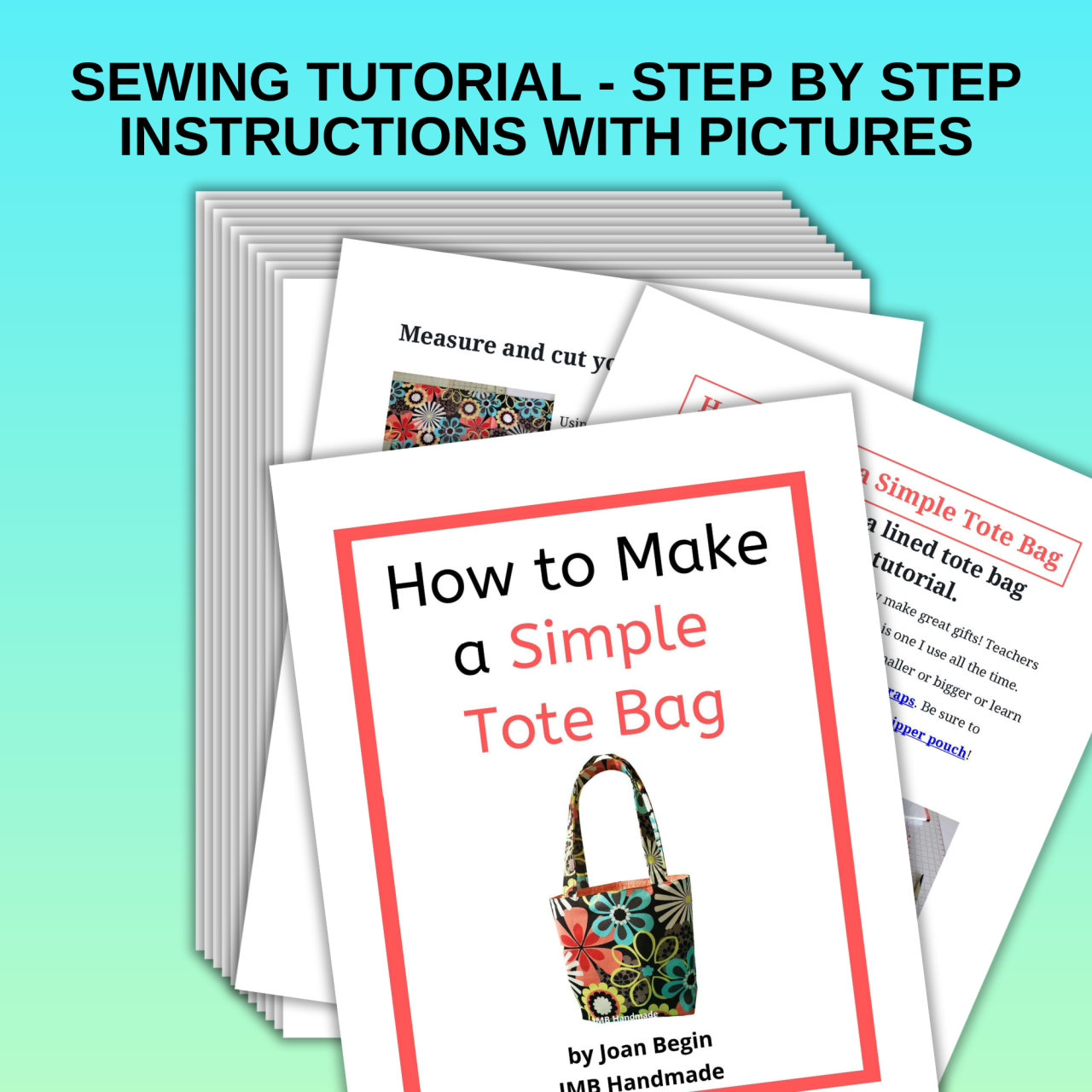
Before we dive into the actual sewing, it’s crucial to have your materials ready and a clear understanding of your pattern. This foundational step ensures accuracy and efficiency throughout the tote bag construction process. Gathering the right supplies and preparing them correctly will set you up for success, making the sewing itself a more enjoyable and less frustrating experience.This section will guide you through designing a simple tote bag pattern, accurately cutting your fabric, marking it for sewing, and exploring different handle options.
By following these steps, you’ll be well-equipped to transform your fabric into a functional and stylish tote bag.
Tote Bag Pattern Design and Dimensions
A basic tote bag pattern is straightforward and can be adapted to various sizes. For a standard, versatile tote bag, we will design a pattern with the following dimensions. This size is practical for everyday use, capable of carrying groceries, books, or essentials.The main body of the tote bag will consist of two rectangular pieces.
- Main Bag Panels: Two rectangles, each measuring 16 inches wide by 18 inches tall.
- Handle Straps: Two rectangles, each measuring 4 inches wide by 24 inches long. These dimensions allow for a comfortable shoulder strap length.
These measurements are for the cut fabric pieces before any seam allowances are added. The width is measured across the fabric, and the height is measured from the bottom edge to the top edge.
Accurate Fabric Cutting
Precision in cutting your fabric is paramount to achieving a well-constructed tote bag. Inaccurate cuts can lead to uneven seams, a misshapen bag, and difficulty in aligning pieces. It is recommended to use a rotary cutter and a self-healing mat for the most accurate and clean cuts, especially with larger fabric pieces.To ensure accuracy:
- Always press your fabric smooth before cutting to eliminate wrinkles that can distort measurements.
- Lay your fabric flat on a large, clear surface. If your fabric has a directional print or nap, pay close attention to the grainline and ensure all pieces are cut with the grain running in the same direction.
- Pin your paper pattern pieces securely to the fabric.
- When using a rotary cutter, use a metal ruler as a guide, keeping the ruler firmly in place while cutting. If using scissors, follow the edge of the pattern piece carefully.
- Cut one piece at a time to avoid shifting.
Marking Fabric for Sewing and Seam Allowances
After cutting your fabric pieces, the next critical step is to mark them for sewing, incorporating the necessary seam allowances. Seam allowances are the extra fabric left on the edges of the fabric pieces to be sewn together. For this tote bag, a standard 1/2 inch seam allowance is recommended.To mark your fabric:
- Use a fabric marker, chalk, or a disappearing ink pen. Test the marker on a scrap piece of your fabric first to ensure it marks clearly and can be removed without leaving a residue.
- On the wrong side of each fabric piece, use a ruler to draw a line 1/2 inch from each raw edge that will be sewn. This line indicates where your stitching should go.
- For the top edge of the main bag panels, you will need to fold down a hem. Mark a line 1 inch from the top raw edge. This will create a double-fold hem for a clean finish.
The seam allowance is the buffer zone that allows for structural integrity and a neat finish. Consistent seam allowances are key to a professional-looking handmade item.
Methods for Creating Fabric Handles
Fabric handles are a vital component of a tote bag, determining its comfort and durability. There are several effective methods for creating strong and attractive fabric handles. The choice of method often depends on the desired aesthetic and the type of fabric used.Here are common methods for creating tote bag handles:
- Folded and Topstitched Handles: This is a popular and sturdy method.
- Cut two fabric strips for the handles (e.g., 4 inches wide by 24 inches long).
- Fold each strip in half lengthwise, wrong sides together, and press.
- Open the strip and fold each long raw edge towards the center crease, pressing again.
- Fold the strip in half along the original center crease, enclosing the raw edges. Press well.
- Topstitch along both long edges of the folded strip to secure and create a finished handle.
- Tube Handles: This method creates a rounded, tubular handle.
- Cut two fabric strips (e.g., 4 inches wide by 24 inches long).
- Fold each strip in half lengthwise, right sides together.
- Sew along the long raw edge with a 1/4 inch seam allowance, creating a tube.
- Turn the tube right side out using a safety pin or a loop turner.
- Press the tube flat, centering the seam on one side or on the bottom.
- Topstitch along both long edges of the flattened tube for added durability and a polished look.
- Webbing or Prepared Strapping: For a quick and exceptionally durable option, consider using pre-made fabric webbing or strapping.
- Purchase webbing of your desired width and length.
- To prevent fraying, you can melt the ends of synthetic webbing with a lighter or carefully stitch the ends of natural fiber webbing.
- This method requires no additional fabric preparation for the handles themselves.
When choosing your handle method, consider the weight the tote bag is expected to carry. For heavier loads, a wider, more reinforced handle created through methods like folding and topstitching or using sturdy webbing is advisable.
Sewing the Tote Bag Body
Now that your fabric pieces are prepared and your pattern is ready, we can begin the exciting process of assembling your tote bag. This section will guide you through creating the main structure of the bag, ensuring strong seams and a neat finish. Following these steps carefully will result in a durable and attractive tote bag.The construction of the tote bag body involves several key sewing steps.
We will focus on joining the side seams, creating a robust bottom, and preparing the edges for a professional look. Finally, we will attach the handles securely, making your tote bag ready for use.
Sewing the Side Seams
Joining the side seams is a fundamental step in creating the main body of your tote bag. This process defines the width and depth of the bag. It’s crucial to sew these seams accurately to ensure the bag’s structure is sound and the sides are parallel.
- Place the two main body fabric pieces right sides together. Ensure the raw edges along the sides and bottom are perfectly aligned.
- Using a sewing machine, stitch along the side edges, starting from the bottom raw edge and continuing up to the top raw edge. A common seam allowance for tote bags is 1/2 inch (approximately 1.27 cm).
- Backstitch at the beginning and end of each seam to secure the stitches. This prevents the seam from unraveling with use.
- Repeat this process for the other side seam, attaching the second main body piece to the first.
Creating a Sturdy Bottom Seam
A strong bottom seam is essential for a tote bag that can carry weight without breaking. We will create a double-stitched seam for added durability.
- With the side seams already sewn and the bag still right sides together, you will now focus on the bottom edge. Ensure the bottom raw edges of both main body pieces are aligned.
- Stitch along the entire bottom edge with a 1/2 inch seam allowance.
- For extra strength, stitch over this seam again, either by following the same seam line or by creating a second seam about 1/4 inch (approximately 0.64 cm) away from the first seam towards the inside of the bag. This creates a reinforced bottom.
- Ensure you backstitch at the beginning and end of both bottom seams.
Finishing Raw Edges
Finishing raw edges prevents fraying and gives your tote bag a professional, clean appearance. There are several effective methods to achieve this.
- Serging: If you have a serger (overlocker), this is the quickest and most professional way to finish raw edges. Simply serge along all raw edges of the side and bottom seams.
- Zigzag Stitch: If you do not have a serger, you can use a zigzag stitch on your sewing machine. Sew a zigzag stitch along the raw edge of each seam allowance. This encases the raw threads and prevents them from unraveling. Trim any excess fabric beyond the zigzag stitch if necessary.
- French Seams (Optional for a more advanced finish): For a completely enclosed seam, you can opt for French seams. This involves sewing the seam twice, with the raw edges enclosed within the seam itself. For the side seams, sew with the wrong sides together first using a small seam allowance (e.g., 1/4 inch), trim it down, then turn the bag right side out and sew again with a larger seam allowance (e.g., 1/2 inch) enclosing the first seam.
It is important to finish the raw edges of the side and bottom seams before proceeding to the next steps, as it becomes more difficult to access them once the bag is further assembled.
Attaching Fabric Handles
Attaching the fabric handles securely is vital for the functionality and comfort of your tote bag. The placement and stitching method will ensure they can withstand regular use.
- Turn the main body of the tote bag right side out.
- Align the raw edges of the top opening of the bag.
- Take one fabric handle and position its raw ends onto the top edge of the bag body. The raw ends of the handle should be aligned with the raw edge of the bag’s top opening, facing inwards. The handle loop should extend outwards from the bag.
- Pin the handle ends in place. The distance from the side seams to where you place the handles is a matter of preference, but a common placement is about 2 to 3 inches (approximately 5 to 7.5 cm) in from each side seam. Ensure the handles are placed symmetrically on both sides of the bag.
- Using your sewing machine, stitch the handle ends securely to the top edge of the bag. Sew a square or a rectangle with an “X” in the center over each handle attachment point. This box-stitch method provides maximum strength and durability.
- Repeat this process for the second handle on the opposite side of the bag.
Ensure that the handles are not twisted and are aligned straight across the top of the bag before stitching them down. This ensures a professional and comfortable carrying experience.
Finishing Touches and Reinforcements
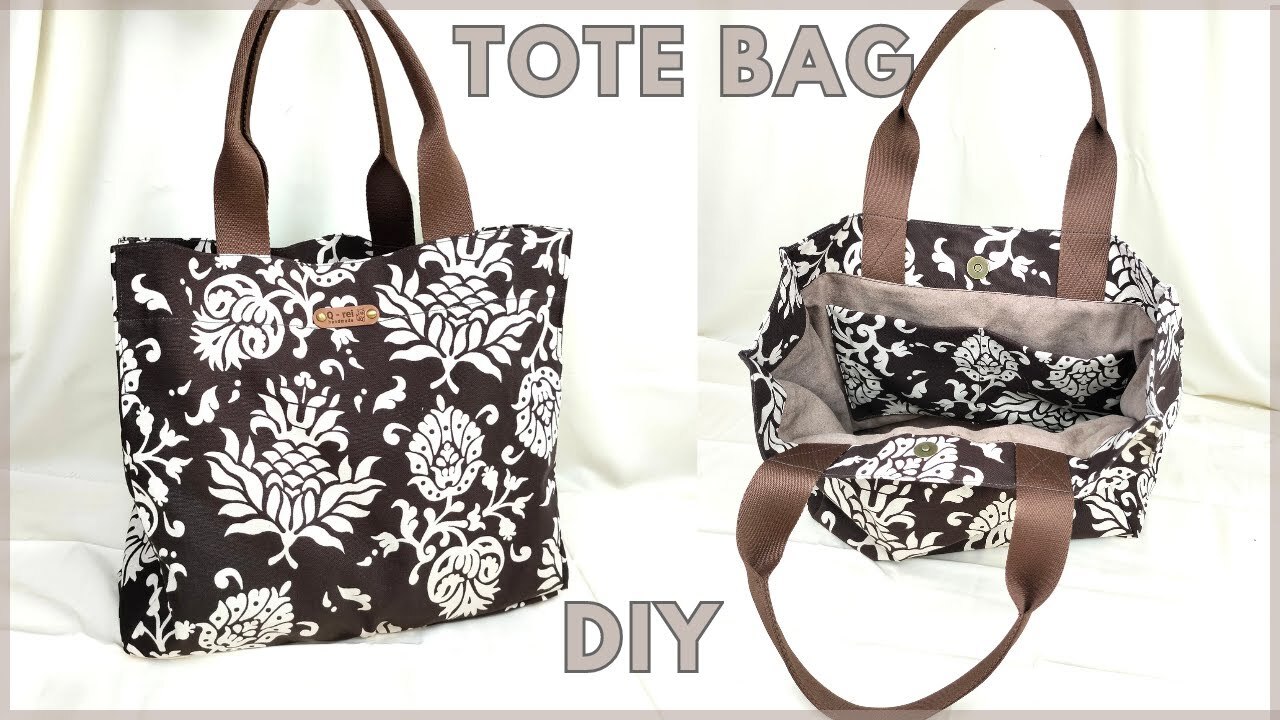
With the main structure of your tote bag complete, this section focuses on adding the details that elevate it from a simple sewn bag to a durable and functional accessory. These finishing touches not only enhance the aesthetic appeal but also significantly contribute to the longevity and usability of your tote bag. We will explore methods for strengthening key areas, incorporating practical storage solutions, and achieving a polished final appearance.
Reinforced Bottom Construction
A reinforced bottom is crucial for a tote bag, especially if it’s intended to carry heavier items. This prevents sagging and wear over time. There are several effective methods to achieve this.
- Adding a Stiffener: A layer of fusible interfacing, a sturdy cardboard, or a piece of plastic canvas can be cut to the size of the bag’s bottom panel and sewn between the outer fabric and the lining. This provides a firm base.
- Double Fabric Layer: Cut two identical bottom panels from your main fabric and sew them together. This creates a thicker, more robust base.
- Corner Reinforcement: For extra strength at the corners, you can add an extra layer of fabric or a small patch of canvas to the underside of the bottom corners.
Pocket Integration
Pockets add significant functionality to a tote bag, allowing for organized storage of smaller items. Both internal and external pockets can be incorporated with relative ease.
Internal Pockets
Internal pockets are ideal for keeping essentials like phones, keys, or wallets secure and easily accessible.
- Patch Pockets: These are the simplest to create. Cut a rectangular piece of fabric, fold and press the edges, and then stitch it onto the inside of the bag’s lining before assembling the bag. You can create multiple patch pockets of varying sizes.
- Zipper Pockets: For added security, a zipper pocket can be installed. This involves cutting an opening in the lining, inserting a zipper, and securing it with fabric. This method requires more precision but offers excellent protection for valuables.
- Divided Pockets: To create multiple compartments within a single pocket, simply sew vertical lines down the center or at intervals of a patch pocket after it has been attached to the lining.
External Pockets
External pockets offer quick access to frequently used items.
- Welt Pockets: These are more advanced but create a very neat, integrated look. They involve cutting a slit in the bag’s outer fabric and creating a framed opening for the pocket.
- Simple Patch Pockets: Similar to internal patch pockets, these can be sewn onto the exterior of the bag before the side seams are closed. Consider using a contrasting fabric for a design element.
- Pleated Pockets: Adding pleats to the top edge of an external pocket allows it to expand, offering more capacity for bulkier items.
Hemming the Top Edge
A properly hemmed top edge not only looks professional but also prevents fraying and provides a clean finish.
- Double Fold Hem: This is the most common and durable method. Fold the raw edge of the fabric down by approximately 1/2 inch and press. Then, fold it down again by about 1 inch (or your desired hem width) and press. Stitch close to the inner folded edge.
- Binding: For a very clean and decorative finish, you can bind the top edge with a contrasting fabric strip. This involves cutting a strip of fabric, folding it in half lengthwise, and then enclosing the raw edge of the bag opening within the folded binding strip before stitching.
Finished Tote Bag Inspection
Before considering your tote bag complete, a thorough inspection is essential to ensure quality and identify any areas that might need adjustment.
- Seam Integrity: Carefully examine all seams to ensure they are straight, secure, and have not missed any fabric. Look for any loose threads or potential weak points.
- Strap Attachment: If your straps are sewn on, check that they are firmly attached and aligned symmetrically. Tug gently to test their strength.
- Pocket Functionality: Test all pockets to ensure they are securely attached and function as intended. Open and close any zippers or buttons.
- Overall Appearance: Inspect the bag for any puckering, uneven stitching, or fabric wrinkles. Ensure the proportions are balanced and the overall look is neat and tidy.
- Measurements: Double-check the dimensions of the bag against your intended design to ensure it meets your expectations.
Variations and Customization Ideas
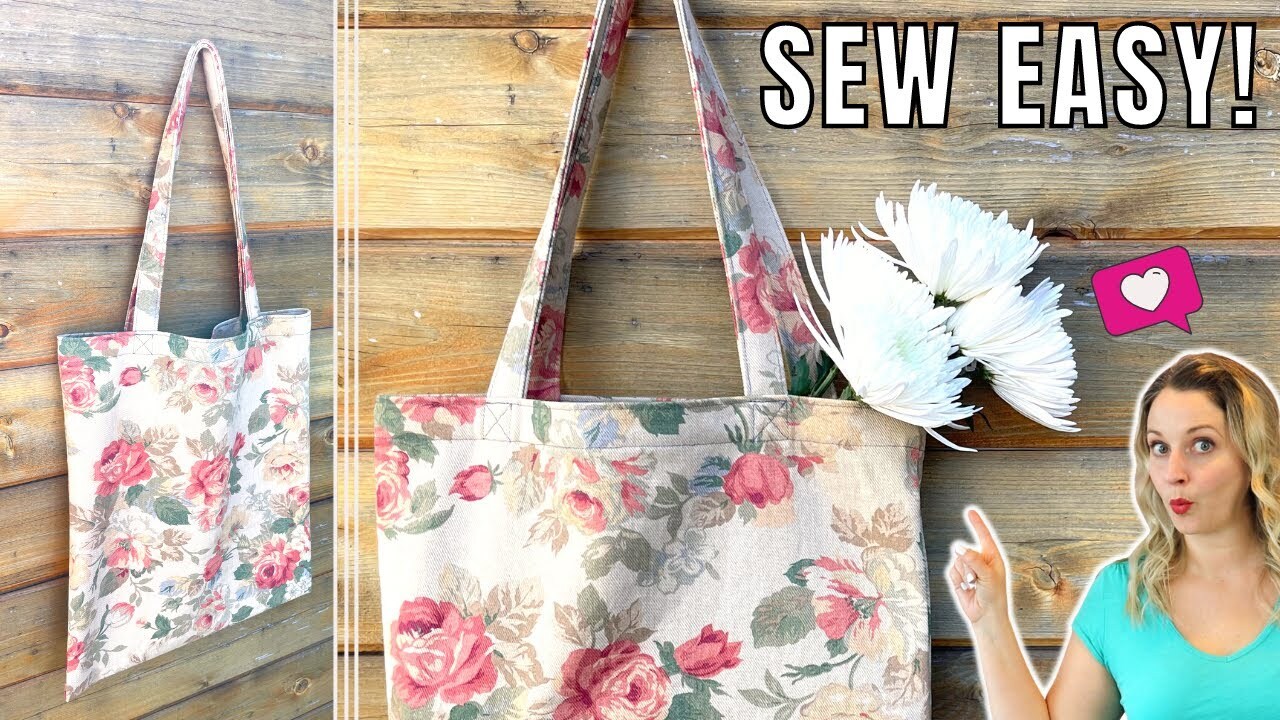
Once you’ve mastered the basic tote bag construction, the creative possibilities are virtually endless! This section will explore ways to personalize your tote bag, making it as unique as you are. From adding different closures for enhanced security to embellishing it with artistic touches, we’ll cover modifications that can transform a simple tote into a statement piece. We will also delve into the practical considerations of strap lengths and how they impact the bag’s functionality and comfort.A well-chosen closure can significantly alter the functionality and aesthetic of your tote bag.
Whether you need to keep your belongings secure or simply want to add a stylish detail, various closure options can be incorporated.
Closure Types for Tote Bags
Selecting the right closure depends on the intended use of your tote bag. For everyday use where quick access is key, simpler closures might be preferred. For travel or situations requiring extra security, more robust options are advisable.
- Zipper Closure: A zipper offers the most secure closure, preventing items from falling out and protecting them from the elements. To incorporate a zipper, you’ll typically need to create a separate zipper panel or attach it directly to the top edge of the bag panels before sewing them together. This often involves interfacing the fabric around the zipper for stability and ensuring it’s sewn in straight for a clean finish.
- Snap Closure: Snap buttons, also known as press studs, provide a quick and easy way to close the bag. They can be sewn onto fabric tabs or directly onto the bag opening. For a stronger hold, consider using magnetic snaps, which are often embedded within the fabric and offer a satisfying click when closed. Proper placement and reinforcement are crucial for snaps to function effectively.
- Button and Loop Closure: This classic closure involves a button sewn onto one side of the bag opening and a fabric loop or buttonhole on the other. It offers a decorative element and a moderate level of security. The loop can be made from fabric, cord, or even elastic for a more flexible fit.
- Drawstring Closure: A drawstring closure creates a gathered opening, offering a casual look and good protection against spills. This typically involves creating a channel along the top edge of the bag through which a cord or ribbon is threaded. When pulled, the channel cinches the opening closed.
Embellishing your tote bag is a fantastic way to express your personal style and add a unique flair. These decorative touches can range from simple additions to intricate artwork, transforming a plain bag into a wearable piece of art.
Creative Embellishment Techniques
The choice of embellishment often depends on the fabric of your tote bag and the desired aesthetic. Some techniques are best suited for sturdier fabrics, while others can be adapted for lighter materials.
- Appliqué: Appliqué involves cutting shapes from one fabric and sewing them onto another to create a design. This can be as simple as a single shape or as complex as a detailed scene. You can use fusible web to temporarily hold the appliqué pieces in place before stitching them down with a sewing machine or by hand for a decorative edge.
- Embroidery: Whether done by hand or machine, embroidery offers a rich and textured way to decorate your tote. You can create intricate patterns, monograms, or even illustrative designs. Hand embroidery allows for a personal touch and a wide range of stitch types, while machine embroidery can achieve precise and complex designs quickly.
- Fabric Painting: Fabric paints and markers provide a vibrant and accessible way to add color and design to your tote bag. You can freehand your designs, use stencils, or even stamp patterns onto the fabric. Ensure you use paints specifically designed for fabric, as they are flexible and washable.
- Patches and Badges: Iron-on or sew-on patches and badges are a quick and easy way to personalize your tote bag with graphics, logos, or motivational phrases. They offer a casual and often retro aesthetic.
- Beading and Sequins: For a touch of glamour, consider adding beads and sequins. These can be sewn on individually or in clusters to create sparkling patterns or accents. This technique requires patience but can yield stunning results.
The length of the straps on your tote bag significantly impacts its comfort, functionality, and how it’s carried. Different strap lengths are suited for various purposes and personal preferences, offering distinct advantages.
Strap Length Considerations
When deciding on strap length, think about how you typically use your tote bag. Will you be carrying it on your shoulder, in your hand, or perhaps across your body?
- Short Straps (Handheld): Straps that are approximately 12-18 inches long are ideal for carrying the tote in your hand or resting them on your forearm. This length provides a classic, structured look and is convenient for shorter trips or when you don’t need to carry many items. However, it can become cumbersome if you need to carry other things or walk for extended periods.
- Medium Straps (Shoulder Carry): Straps around 20-24 inches long are generally designed for comfortable shoulder carrying. This length allows the bag to hang at a convenient height, keeping your hands free. It’s a versatile length suitable for everyday use, shopping, or commuting. The bag will typically rest around your hip or upper thigh.
- Long Straps (Crossbody): Straps that are 30 inches or longer are intended for crossbody wear. This offers maximum hands-free convenience and distributes the weight of the bag more evenly across your body, making it ideal for travel, cycling, or when carrying heavier loads. The bag will hang lower, often around your hip or even mid-thigh, depending on your height.
To accommodate these different strap lengths, you might also consider adjustable straps. These can be achieved using hardware like sliders and D-rings, allowing you to switch between a shorter shoulder carry and a longer crossbody style, thereby maximizing the versatility of your tote bag.
Structuring Content for Visual Guides
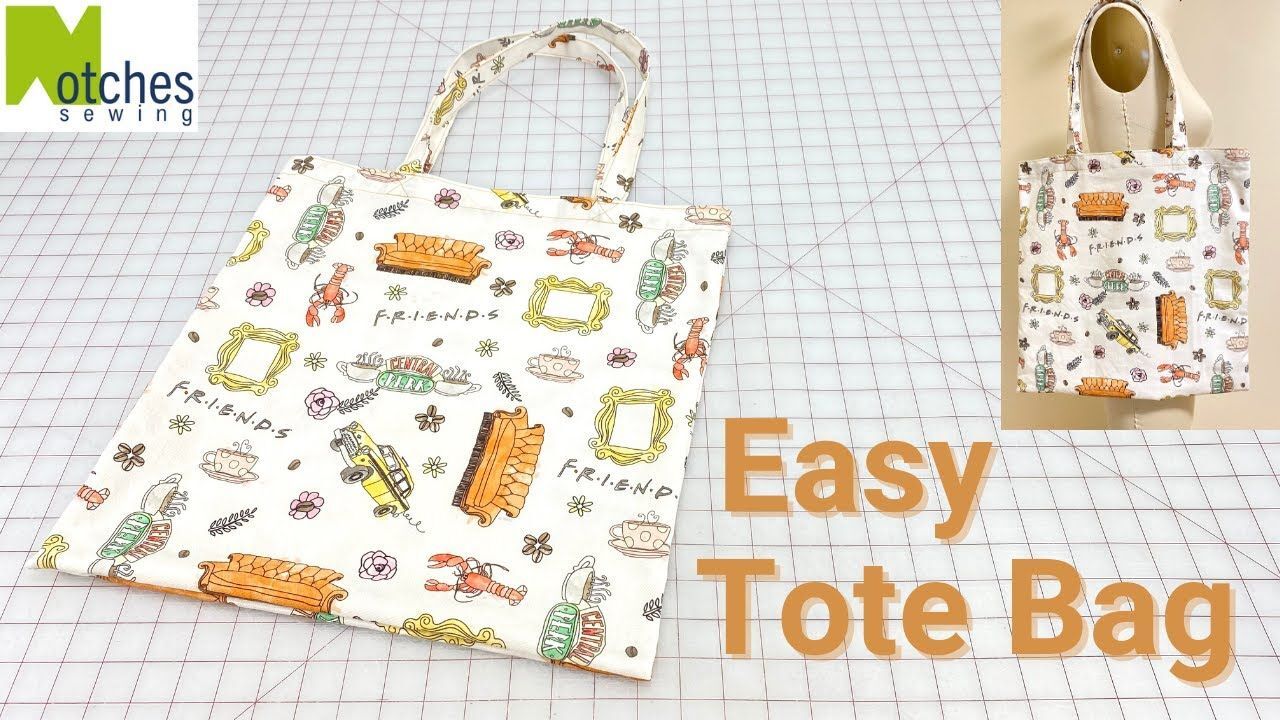
To create a truly effective sewing tutorial, the written content must work hand-in-hand with visual elements. This means carefully structuring your instructions and supporting text to complement the images or videos that will accompany them. A well-organized guide makes the process clear and accessible, even for beginners.This section focuses on presenting information in a way that enhances understanding through visuals, covering step-by-step procedures, descriptive illustration text, common pitfalls, and essential measurements.
Tote Bag Sewing Procedure Table
A clear, step-by-step table is invaluable for guiding users through the construction of a basic tote bag. It breaks down the entire process into manageable stages, making it easy to follow along and check progress.
| Step | Action | Notes |
|---|---|---|
| 1 | Prepare Fabric and Pattern | Pre-wash fabric. Cut out main bag pieces, lining pieces, and strap pieces according to pattern dimensions. |
| 2 | Sew Side and Bottom Seams of Bag Body | Place main fabric pieces right sides together. Sew along the two side seams and the bottom seam, leaving the top edge open. |
| 3 | Sew Side and Bottom Seams of Lining | Repeat step 2 with the lining fabric pieces. |
| 4 | Create Bag Corners (Optional but Recommended) | To give the bag depth, fold each bottom corner so the side seam aligns with the bottom seam. Measure and sew across the corner. |
| 5 | Prepare and Attach Straps | Fold strap pieces lengthwise, then in half again. Topstitch along both long edges. Pin straps to the right side of the bag body at the marked locations. |
| 6 | Attach Lining to Bag Body | Place the lining inside the bag body (wrong sides together). Align the top raw edges. Sew around the top edge, leaving a gap for turning. |
| 7 | Turn and Close Gap | Turn the entire bag right side out through the opening left in the lining. Tuck in the raw edges of the opening and topstitch to close it securely. |
| 8 | Topstitch the Bag Opening | Press the top edge of the bag and topstitch around the entire opening for a clean finish and added durability. |
Descriptive Text for Key Sewing Illustrations
Visuals are critical for demonstrating specific techniques. Here is descriptive text that would accompany three distinct illustrations in a tote bag tutorial.Illustration 1: Sewing the Bag Body SeamsThis illustration shows two pieces of fabric laid right sides together, with a sewing machine needle positioned above the edge. A dashed line indicates the seam allowance, typically 1/2 inch or 5/8 inch, running parallel to the raw edges.
The text would explain: “Align the raw edges of your main fabric pieces with the right sides facing each other. Using your sewing machine, stitch along the edge, maintaining a consistent seam allowance of [specified measurement, e.g., 1/2 inch]. Repeat this process for all side and bottom seams of the bag body, ensuring you leave the top edge open.”Illustration 2: Creating Boxed CornersThis image depicts a fabric piece with a folded corner.
The side seam is aligned with the bottom seam, forming a triangle at the corner. A ruler or measuring tape is shown indicating a specific distance from the point of the triangle, with a line drawn across the fabric perpendicular to the seam. The accompanying text would read: “To create a boxed corner for your tote bag, take one of the bottom corners and flatten it so that the side seam meets the bottom seam, forming a triangle.
Measure [specified distance, e.g., 2 inches] from the tip of the triangle along the folded edge and draw a line. Sew directly on this line to create a neat, flat corner that adds depth to your bag.”Illustration 3: Attaching Straps SecurelyThis illustration shows the top edge of the bag body, with the right side facing upwards. Two strap ends are positioned at the marked points along the top edge, with the raw ends of the straps aligned with the raw edge of the bag.
Pins are shown holding the straps in place. The descriptive text would be: “Position your prepared straps onto the right side of the bag body at the designated placement marks. Ensure the raw ends of the straps are flush with the raw top edge of the bag. Secure each strap end firmly with pins. This step prepares the straps for sewing to the bag body in the next stage.”
Common Sewing Mistakes to Avoid
Preventing common errors can save time and frustration, leading to a more professional-looking finished product. Understanding these potential pitfalls is crucial for a successful sewing experience.
- Using the wrong needle or thread for your fabric type, which can cause skipped stitches, fabric damage, or weak seams.
- Not pre-washing fabric, leading to shrinkage and distortion after the bag is made.
- Inconsistent seam allowances, resulting in uneven construction and a bag that doesn’t hold its shape properly.
- Forgetting to backstitch at the beginning and end of seams, which can cause them to unravel.
- Not pressing seams open or to one side as you go, leading to a bulky and unprofessional finish.
- Cutting fabric pieces incorrectly or not matching them up precisely, affecting the overall symmetry and fit of the bag.
- Omitting the gap for turning when sewing the lining to the bag body, making it impossible to turn the bag right side out.
- Not reinforcing high-stress areas like strap attachments, which can lead to premature wear and tear.
Essential Measurements for a Basic Tote Bag
Having a clear understanding of the key measurements for a standard tote bag is fundamental for accurate cutting and construction. These dimensions provide a solid foundation for creating a functional and well-proportioned bag.
For a basic tote bag with approximate finished dimensions of 15 inches wide by 17 inches tall (excluding straps), you will typically need:
Two main bag body pieces
16 inches wide by 18 inches tall (allowing for 1/2 inch seam allowance on sides and bottom, and 1 inch at the top).
Two lining pieces
16 inches wide by 18 inches tall (same as main body).
Two strap pieces
4 inches wide by 24 inches long (this allows for a strap that is 1 inch wide when folded, with ample length for comfortable carrying).
Optional boxed corners
Cut 2 inches from each bottom corner of both the main body and lining pieces.
Closure
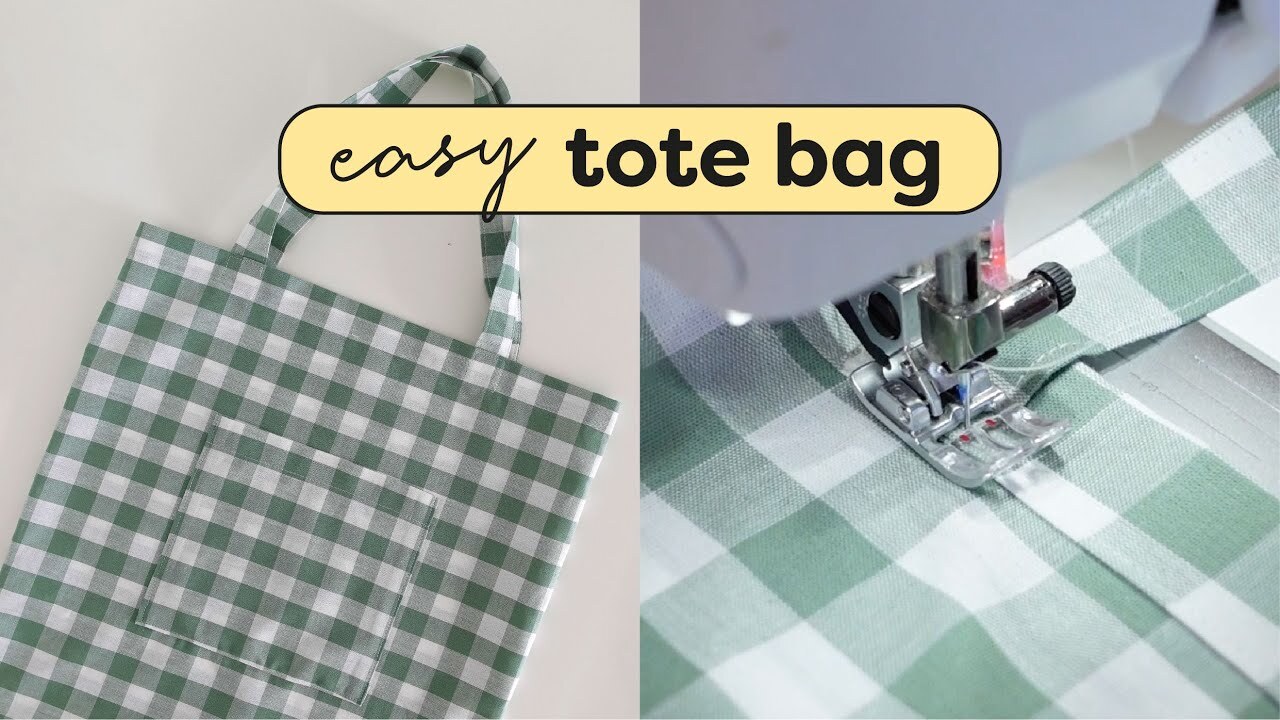
Embarking on the journey of sewing your own tote bag opens up a world of creative possibilities. By following these detailed instructions, you’ve gained the knowledge and confidence to craft a personalized tote that reflects your unique style. Remember, practice makes perfect, and each bag you create will bring you closer to mastering this rewarding craft, allowing you to carry your essentials with pride and a touch of handmade charm.