Embarking on the journey of creating your own pillowcases is a wonderfully rewarding endeavor, offering a delightful blend of practicality and personalization. This guide invites you to discover the satisfying simplicity of sewing a basic pillowcase, a project that not only enhances your home decor but also provides a tangible sense of accomplishment. We will explore the essential tools, understand standard dimensions, and prepare your fabric with care, laying the groundwork for a smooth and enjoyable sewing experience.
This comprehensive exploration delves into the nuances of fabric preparation, precise cutting techniques, and two distinct assembly methods—the straightforward basic envelope and the elegant French seam—each promising a professional finish. Beyond the fundamental construction, we’ll also touch upon optional embellishments to add a unique flair and essential care instructions to ensure your creations stand the test of time. Furthermore, we address common sewing challenges, equipping you with the knowledge to overcome any obstacles that may arise, making this a complete resource for both novice and experienced sewers.
Introduction to Pillowcase Sewing
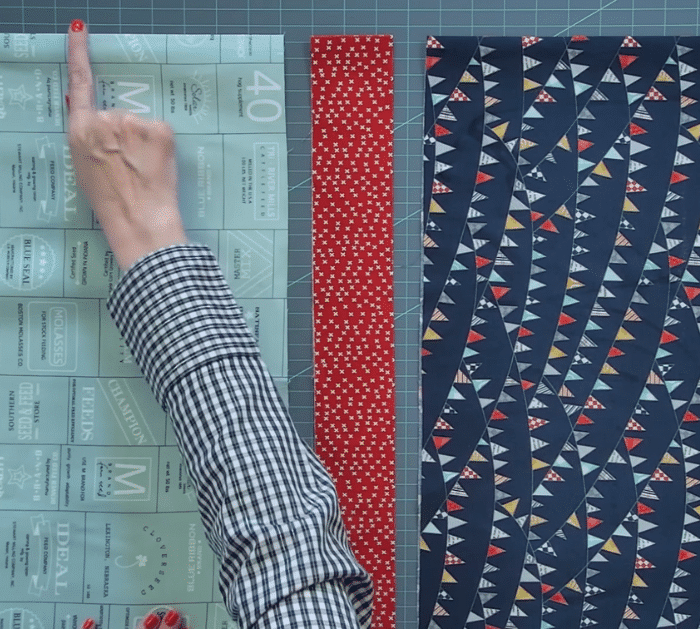
Embarking on the journey of sewing a simple pillowcase is a rewarding and accessible project for crafters of all skill levels. It offers a fantastic opportunity to personalize your home decor, refresh existing bedding, or create thoughtful handmade gifts. Beyond the aesthetic appeal, sewing your own pillowcases provides practical benefits such as cost savings compared to purchasing new ones and the satisfaction of creating something with your own hands.
This project is also an excellent way to practice fundamental sewing techniques like straight stitching, measuring, and finishing seams, making it an ideal starting point for those new to the sewing world.This guide will walk you through the essential elements needed to successfully sew a basic pillowcase. We will cover the fundamental tools and materials, discuss standard pillow dimensions, and provide a comprehensive list of the necessary supplies to ensure you have everything prepared before you begin.
Benefits of Sewing a Simple Pillowcase
Sewing your own pillowcases offers a multitude of advantages that extend beyond mere functionality. It is a creative outlet that allows for complete customization of your bedding to match your personal style or existing room decor. You can experiment with different fabrics, colors, and patterns, transforming a simple household item into a decorative accent. Economically, making pillowcases can be significantly more cost-effective than buying them, especially when considering the variety of fabrics available at reasonable prices.
Furthermore, it provides a tangible sense of accomplishment and the opportunity to develop or hone essential sewing skills, such as accurate cutting, precise stitching, and neat finishing, which are transferable to numerous other sewing projects.
Essential Tools and Materials
To successfully complete your simple pillowcase project, gathering the correct tools and materials is paramount. Having everything readily available will streamline the sewing process and ensure a professional-looking finished product. The following sections will detail these necessities.
Standard Pillow Dimensions
Understanding the standard dimensions for common pillow sizes is crucial for accurate fabric cutting. While variations exist, adhering to these typical measurements will ensure your handmade pillowcase fits perfectly.
- Standard Pillow: Approximately 20 inches wide by 26 inches long.
- Queen Pillow: Approximately 20 inches wide by 30 inches long.
- King Pillow: Approximately 20 inches wide by 36 inches long.
- Euro Pillow: Typically square, measuring 26 inches by 26 inches.
When cutting your fabric, remember to add seam allowances and an extra amount for the envelope closure or hem, typically around 4-6 inches to the length and 1 inch to the width for seam allowances.
Essential Sewing Supplies
A well-equipped sewing station is key to a smooth and efficient sewing experience. The following list Artikels the essential supplies you will need for your pillowcase project, along with brief explanations of their purpose.
- Sewing Machine: A functional sewing machine capable of straight stitches is the primary tool for assembling the pillowcase.
- Fabric: Choose a breathable and durable fabric such as cotton, linen, or a cotton blend. Quilting cotton is a popular choice for its wide variety of prints and ease of use. You will typically need about 1.5 to 2 yards of fabric depending on the pillow size and desired finish.
- Thread: All-purpose polyester thread is suitable for most fabrics. Select a color that complements or contrasts with your chosen fabric.
- Fabric Scissors: Sharp scissors dedicated to cutting fabric are essential for clean, precise cuts that will not fray.
- Measuring Tape or Ruler: Accurate measurements are vital for cutting the correct fabric dimensions. A clear quilting ruler is highly recommended.
- Pins: Sewing pins are used to hold fabric pieces together before and during sewing, preventing them from shifting.
- Iron and Ironing Board: Pressing seams as you sew is a critical step that ensures a professional finish and helps the fabric lay flat.
- Sewing Machine Needles: Ensure you have sharp needles appropriate for your fabric type. A universal needle is suitable for most cotton fabrics.
- Thread Snips or Small Scissors: Useful for trimming excess threads at the beginning and end of seams.
- Seam Ripper: An indispensable tool for correcting any sewing mistakes by carefully removing stitches.
Preparing Your Fabric
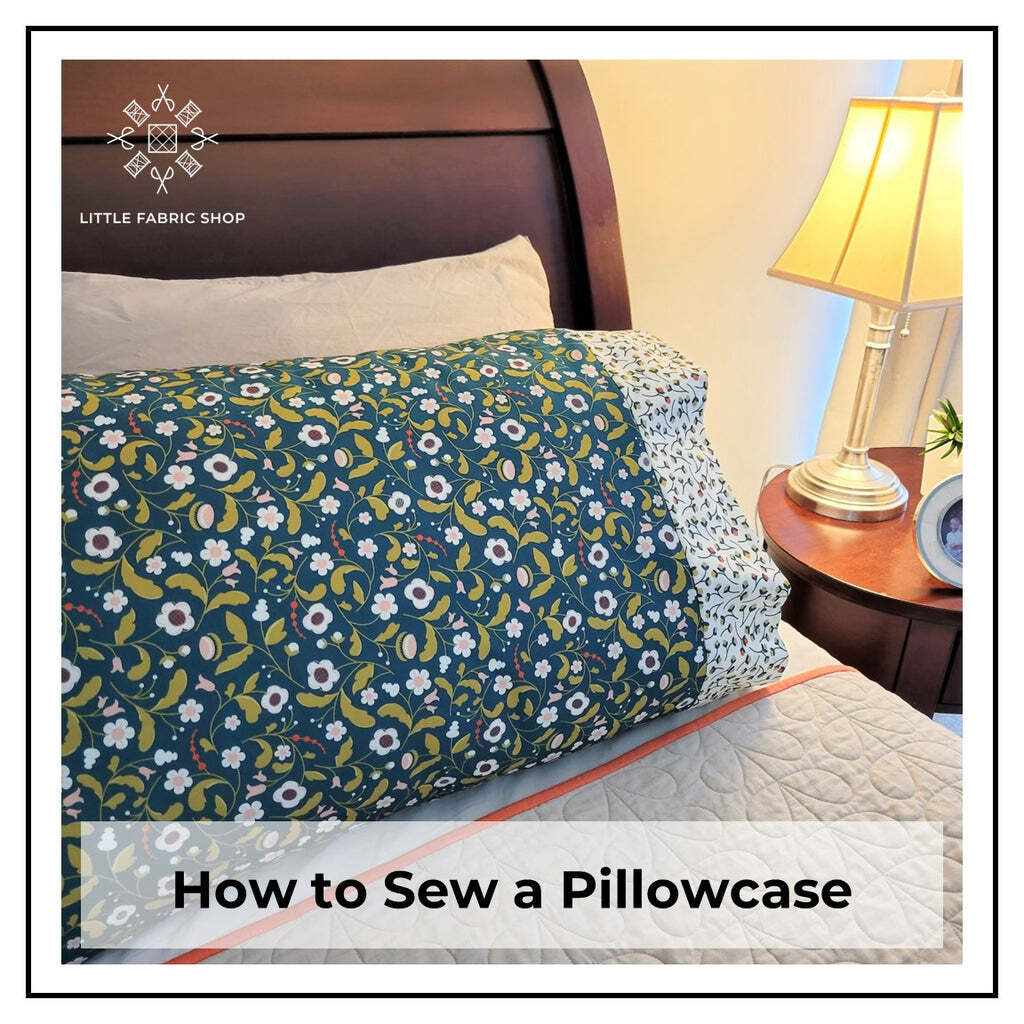
Before you can begin the satisfying process of sewing your pillowcase, it’s crucial to prepare your fabric correctly. This step ensures that your finished product will maintain its intended size and shape, and that your cuts will be accurate for a professional result. Proper preparation is the foundation of successful sewing.This section will guide you through the essential fabric preparation techniques, from preventing shrinkage to achieving perfectly straight edges for cutting.
Pre-Washing Fabric to Prevent Shrinkage
Pre-washing your fabric is a vital step to avoid disappointment after your pillowcase is sewn. Fabrics, especially natural fibers like cotton, are prone to shrinking when exposed to water and heat. By washing and drying your fabric before cutting, you allow it to shrink to its final size, so your pillowcase won’t shrink unexpectedly after its first wash.Here are effective methods for pre-washing your fabric:
- Machine Washing: Wash the fabric in a washing machine using a gentle cycle and cool or warm water. Avoid hot water, as it can exacerbate shrinkage.
- Detergent Choice: Use a mild detergent. Harsh chemicals can sometimes affect fabric behavior.
- Drying Methods: Tumble dry the fabric on a low heat setting or air dry it. Overheating in a dryer can lead to significant shrinkage. For best results, remove the fabric while it is still slightly damp and lay it flat or hang it to finish drying.
- Consider Fabric Type: Some fabrics, like pre-shrunk cottons, may have minimal shrinkage. However, it’s always a good practice to pre-wash all new fabrics to be safe.
Ironing Fabric for Precise Cutting
A well-ironed fabric is essential for accurate cutting. Wrinkles and creases can distort the fabric’s grainline and lead to uneven measurements, resulting in a pillowcase that is not square or has uneven seams. Proper ironing ensures that your fabric lies flat and true, allowing for precise marking and cutting.Follow these guidelines for effective fabric ironing:
- Ironing Board: Always use a sturdy ironing board to provide a stable and even surface.
- Iron Settings: Set your iron to the appropriate temperature for your fabric type. Consult the fabric care label or perform a test on a small, inconspicuous area if unsure.
- Steam: Utilize steam if your fabric allows. Steam helps to relax the fibers and remove stubborn wrinkles more effectively.
- Ironing Technique: Instead of a back-and-forth sawing motion, press the iron down and lift it, moving it slowly across the fabric. This prevents stretching or distorting the fabric. Iron on the wrong side of the fabric whenever possible to avoid creating shine marks on the right side.
- Crease Removal: Ensure all creases are completely removed before proceeding to cut.
Fabric Types Suitable for Pillowcases and Their Properties
Choosing the right fabric is key to the comfort and longevity of your pillowcase. Different fabrics offer varying degrees of softness, breathability, durability, and aesthetic appeal. Understanding these properties will help you select the best material for your needs.Here are common fabric types suitable for pillowcases and their characteristics:
- 100% Cotton: This is the most popular choice due to its breathability, softness, and absorbency. Cotton is comfortable against the skin, making it ideal for bedding. Varieties include:
- Quilting Cotton: Durable and easy to work with, it’s a good all-around choice.
- Percale Cotton: Known for its crisp, cool feel and matte finish. It has a high thread count and a tight weave, making it very durable.
- Sateen Cotton: Offers a smoother, silkier feel with a subtle sheen due to its weave. It’s soft and drapes well.
- Flannel Cotton: Brushed cotton that provides extra warmth and a cozy, soft texture, perfect for colder months.
- Linen: A strong, durable, and highly breathable natural fiber. Linen becomes softer with each wash and has a luxurious, relaxed drape. It’s excellent at regulating temperature.
- Bamboo Fabric: Known for its exceptional softness, moisture-wicking properties, and hypoallergenic qualities. It has a silky feel and good breathability.
- Polycotton Blends: A mix of polyester and cotton. These fabrics are often more wrinkle-resistant and durable than 100% cotton, but can sometimes be less breathable.
Squaring Up Fabric Before Cutting
Squaring up your fabric means ensuring that the edges are perfectly perpendicular to each other, forming true right angles. This is a critical step for creating a pillowcase that lies flat and has straight seams. When fabric is cut from the bolt, the edges might not be perfectly straight or square.Here are techniques for squaring up your fabric:
- Identify the Grainline: Fabric has a lengthwise grain (parallel to the selvage) and a crosswise grain (perpendicular to the selvage). The selvage is the finished edge of the fabric.
- Locate a Straight Edge: If your fabric has a selvage, this is often a good starting point. However, the selvage itself might be slightly stretched or uneven.
- The “True Cut” Method:
- Find a thread that runs parallel to the selvage and gently pull it. This will create a jagged edge.
- Cut along this jagged edge. This will give you a perfectly straight edge that is perpendicular to the grainline.
- Fold the fabric so that the newly cut edge is aligned with the selvage.
- Trim away any excess fabric along the selvage to create a second perfectly straight and square edge.
- Using a Rotary Cutter and Mat: For a more precise result, especially with quilting cottons, use a rotary cutter, a self-healing cutting mat, and a quilting ruler.
- Lay your fabric flat, ensuring it is as smooth as possible.
- Align your quilting ruler with the grainline of the fabric.
- Use the ruler to guide your rotary cutter to make a perfectly straight cut along the desired edge.
- Repeat this process for the adjacent edge to create a square corner.
- Importance of Squaring: A square fabric piece ensures that when you cut your dimensions for the pillowcase, they will be accurate. This prevents issues like the pillowcase twisting or having uneven corners.
Cutting the Fabric Pieces
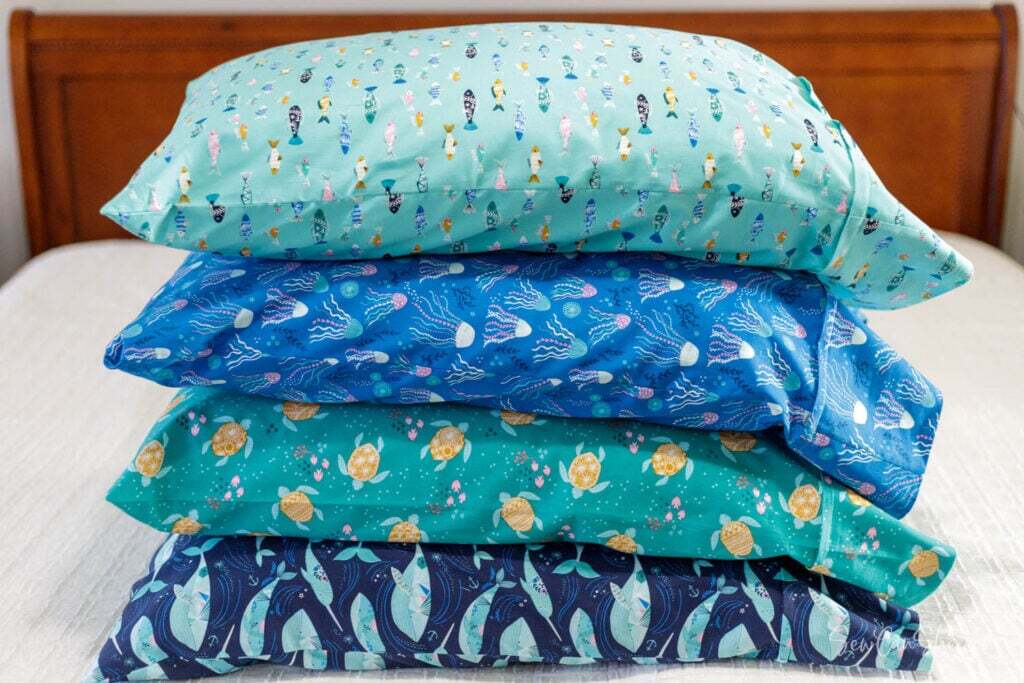
Accurate fabric cutting is a foundational step in achieving a professional-looking and well-constructed pillowcase. This stage ensures that all your pieces fit together perfectly, leading to neat seams and a polished finish. Precision here will significantly impact the ease of subsequent sewing steps.The standard pillowcase requires two main fabric pieces: the body of the pillowcase and a cuff that folds over the opening.
We will Artikel a cutting guide for a common pillowcase size, typically designed to fit a standard bed pillow.
Pillowcase Dimensions and Cutting Guide
For a standard pillowcase that accommodates a 20×26 inch pillow, the fabric pieces will need to be cut with seam allowances included. These allowances are crucial for holding the fabric together securely.A common and effective cutting guide for a standard pillowcase is as follows:
- Body Piece: Cut one piece measuring 41 inches wide by 27 inches long. This width accounts for the 20-inch pillow width plus two 1/2-inch seam allowances on each side (20 + 0.5 + 0.5 = 21 inches), and then an additional 20 inches for the cuff overlap, plus another 1/2 inch for the top edge seam allowance. The length includes the pillow length (26 inches) plus 1/2 inch for the bottom hem and 1/2 inch for the top seam allowance where it joins the cuff (26 + 0.5 + 0.5 = 27 inches).
- Cuff Piece: Cut one piece measuring 14 inches wide by 41 inches long. The width of the cuff (14 inches) is designed to fold over, creating a finished cuff width of approximately 7 inches (14 / 2 = 7 inches), which is ample for a decorative and functional overlap. The length of the cuff (41 inches) matches the width of the body piece to ensure a continuous seam when joined.
Accurate Measurement and Marking
Precision in measuring and marking your fabric directly translates to the accuracy of your cuts. Using the right tools and techniques will prevent errors and save you time and fabric.Before cutting, it is essential to carefully measure and mark your fabric. This involves using a reliable measuring tool and a marking implement that will be visible but can be easily removed or will disappear over time.
- Measuring Tools: A good quality sewing ruler or a long, flexible measuring tape is ideal. Ensure the markings on your ruler are clear and easy to read.
- Marking Tools: Fabric chalk, a washable fabric marker, or a disappearing ink pen are suitable choices. Always test your marking tool on a scrap piece of the same fabric to ensure it marks clearly and removes cleanly.
- Marking Technique: Lay your fabric flat and smooth out any wrinkles. Use your measuring tool to mark the required dimensions. For straight lines, you can use the edge of your ruler as a guide for your marking tool. For the pillowcase pieces, you will mark lines parallel to the selvedge edge for the width and perpendicular to the selvedge edge for the length.
Best Practices for Using a Rotary Cutter and Mat
A rotary cutter and cutting mat are invaluable tools for quilters and sewers, offering speed and precision when cutting fabric. Their use requires specific techniques to ensure safety and accuracy.When using a rotary cutter, always prioritize safety and maintain a consistent cutting angle for clean edges.
- Safety First: Always keep the blade guard on the rotary cutter when not in immediate use. Cut away from your body. Ensure children and pets are not in the vicinity when using sharp tools.
- Cutting Mat: Use a self-healing cutting mat. This mat protects your work surface and your rotary blade. It typically has a grid of lines that can assist with alignment.
- Cutting Technique: Place the fabric flat on the cutting mat, ensuring it is smooth. Position your ruler firmly on the fabric, holding it down with your non-cutting hand. Align the ruler with your marked cutting line. Place the rotary cutter against the edge of the ruler and roll it through the fabric with firm, consistent pressure. Avoid sawing motions, as this can lead to jagged edges.
- Blade Maintenance: A sharp blade is crucial for clean cuts. Dull blades can snag fabric and make cutting difficult. Replace your blade when it begins to feel dull.
Importance of Cutting in a Straight Grain
Cutting fabric along its straight grain is fundamental to garment and home decor construction. It affects how the fabric drapes, stretches, and ultimately, how your finished project will look and perform.The grain of the fabric refers to the direction of the threads. The lengthwise grain runs parallel to the selvedge, and the crosswise grain runs perpendicular to it.
- Drape and Stability: Fabric cut on the straight grain will hang evenly and have the least amount of stretch. This is essential for a pillowcase that needs to maintain its shape and drape smoothly over the pillow. Cutting on the bias (diagonal) can lead to unwanted stretching and distortion.
- Preventing Distortion: Cutting pieces in a straight grain ensures that the fabric’s inherent properties are utilized correctly. For example, the lengthwise grain typically has more stability and less stretch than the crosswise grain. Cutting your pillowcase body and cuff along the lengthwise grain, or at least with the length of the pieces aligned with the lengthwise grain, will contribute to a more stable and well-shaped final product.
- Alignment with Selvedge: When cutting, aligning the longest edge of your fabric piece with the selvedge (the finished edge of the fabric) is a good indicator that you are cutting along the straight grain.
Assembling the Pillowcase
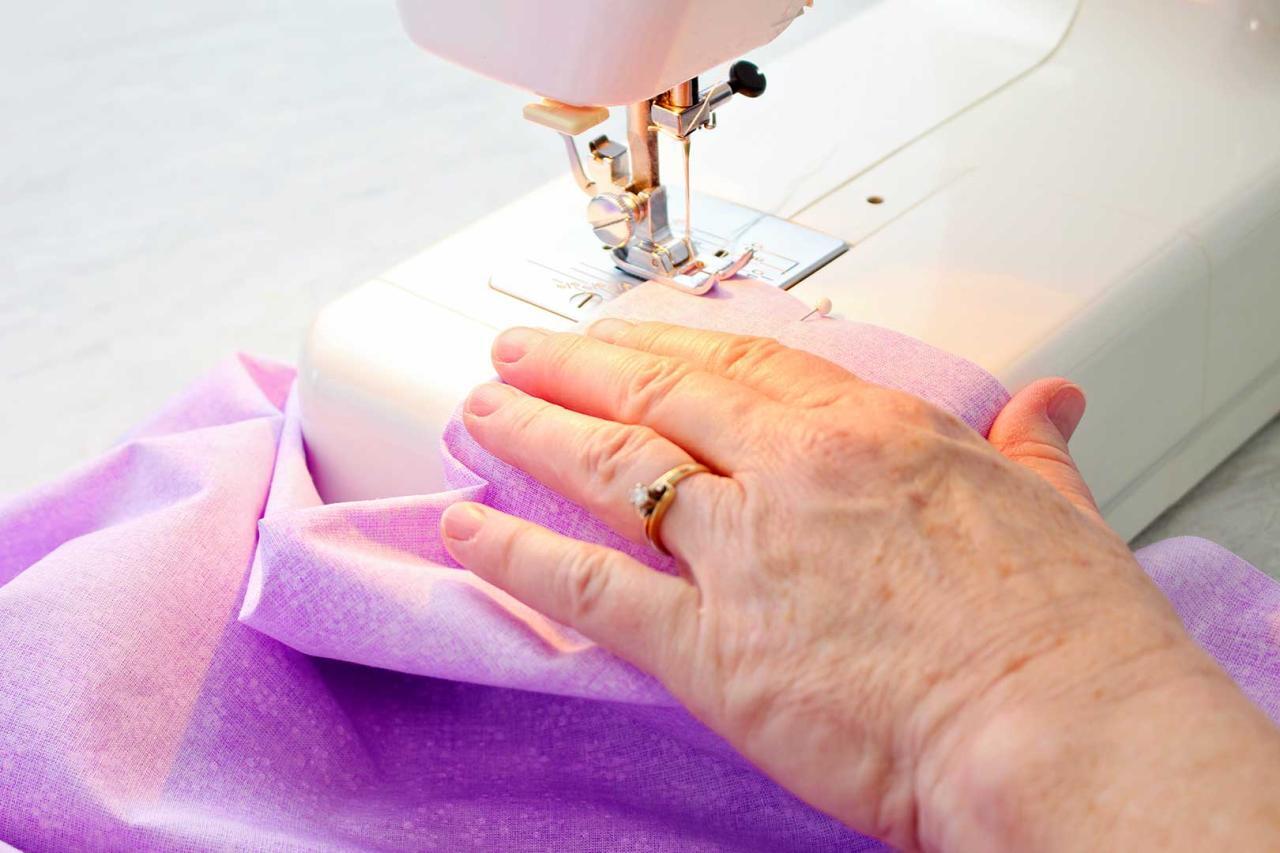
Now that your fabric pieces are prepared and precisely cut, it’s time to bring them together to create your simple pillowcase. This section will guide you through the straightforward process of assembling the main body of the pillowcase using the basic envelope method, ensuring a professional finish. We will cover creating a neat hem, joining the side seams, and properly finishing the raw edges to guarantee durability and a clean look.This method is designed for ease and efficiency, perfect for beginners.
By following these steps, you will achieve a functional and attractive pillowcase that will protect and adorn your pillow.
Sewing the Main Body
The main body of the pillowcase is formed by joining two of the cut fabric pieces. This involves creating a neat hem on one piece and then attaching the other piece to form the basic envelope shape.
- Prepare the Opening Hem: Take one of the larger fabric pieces (this will be the main body of the pillowcase). Along one of the longer edges, fold the raw edge over by approximately 1/4 inch (0.6 cm) and press. Then, fold it over again by about 1/2 inch (1.2 cm) to encase the raw edge. Press this double fold firmly. This creates a clean, finished edge for the pillow opening.
- Stitch the Hem: Using your sewing machine, stitch close to the inner folded edge of the hem. Ensure your stitching is straight and secure. This secures the double fold and creates a durable, neat opening for your pillowcase. Repeat this process for the second large fabric piece.
- Join the Pieces: Lay one of the hemmed fabric pieces right-sides together with the other hemmed fabric piece. Align all edges carefully. One of the hemmed edges will overlap the other hemmed edge, forming the opening of the pillowcase. Ensure the raw edges of the non-hemmed sides are perfectly aligned.
Joining the Side Seams
With the main body pieces aligned and ready, the next step is to sew the side seams to enclose the pillow. This is a critical step for the structural integrity of the pillowcase.
- Pin the Seams: Once the two hemmed pieces are right-sides together and aligned, pin along the two raw side edges that will form the sides of the pillowcase. Ensure the pins are placed perpendicular to the edge to avoid catching them during sewing.
- Sew the Side Seams: Using your sewing machine, stitch along both pinned side edges. Begin sewing about 1/4 inch (0.6 cm) from the raw edge. Continue stitching all the way to the other end, maintaining a consistent seam allowance of approximately 1/2 inch (1.2 cm). Backstitch at the beginning and end of each seam to reinforce them.
Finishing Raw Edges
To prevent the raw edges of your seams from fraying over time and to give your pillowcase a professional, durable finish, it’s essential to finish them. There are several effective methods for this.
- Zigzag Stitch: The most common and accessible method for finishing raw edges is using a zigzag stitch on your sewing machine. After sewing the side seams, trim any excess fabric if necessary to ensure the edges are even. Then, carefully sew a zigzag stitch along each raw edge, ensuring the stitch straddles the raw edge. This will catch the threads and prevent them from unraveling.
- Serger (Overlocker): If you have a serger, this is an excellent tool for finishing raw edges. A serger will trim the excess fabric and stitch a neat, overlocked edge simultaneously, providing a very clean and professional finish. Sew along each raw edge with your serger.
- Pinked Edges: For fabrics that do not fray excessively, you can use pinking shears to cut along the raw edges. The zigzag pattern created by pinking shears helps to reduce fraying, though it is less secure than a stitched finish.
“A well-finished seam is the hallmark of a well-made textile.”
Step-by-Step Assembly Procedure
To summarize the assembly process for the basic envelope pillowcase, here is a concise, step-by-step guide:
- Prepare the opening hem on both large fabric pieces by folding and pressing twice, then stitching close to the inner fold.
- Place the two hemmed pieces right-sides together, aligning all edges.
- Pin the two unhemmed side edges together.
- Sew along the pinned side edges with a 1/2 inch (1.2 cm) seam allowance, backstitching at the start and end.
- Finish the raw edges of the side seams using a zigzag stitch, serger, or pinking shears to prevent fraying.
- Turn the pillowcase right-side out.
Assembling the Pillowcase
Now that your fabric pieces are perfectly cut, we will move on to the assembly stage. While there are several ways to construct a pillowcase, we will explore a method that yields a very neat and durable finish: the French seam. This technique is highly recommended for pillowcases as it completely encloses raw edges, preventing fraying and giving a professional, high-quality appearance.
French Seam Advantages
The French seam is a double-stitched seam that encloses the raw edges of the fabric within the seam itself. This offers several key advantages for pillowcases. Firstly, it provides exceptional durability, meaning your pillowcase will withstand frequent washing and use without developing frayed edges. Secondly, it creates a clean, professional look on both the inside and outside of the pillowcase, much like you would find on a high-end garment or bedding.
Finally, it adds a subtle, luxurious feel as there are no rough edges to be felt against the fabric.
First Seam Construction
To begin your French seam, you will place your fabric pieces right sides together. This means the “pretty” sides of your fabric should be facing each other. For a standard pillowcase, you will be sewing the two side seams and the bottom seam. Start by aligning the raw edges of one side seam, ensuring they are perfectly matched. Pin them in place to prevent shifting.Now, you will sew a very narrow seam, about 1/4 inch (approximately 0.6 cm) from the raw edge.
This initial seam will be on the “wrong” side of your fabric, meaning the seam allowance will be visible on the inside of the pillowcase. It is crucial that this first seam is narrow to ensure that the second seam can fully enclose it.
Trimming and Turning for the Second Seam
After completing the first narrow seam on all three sides (two sides and the bottom), it’s time to prepare for the second seam. Before turning, carefully trim the seam allowance to about 1/8 inch (approximately 0.3 cm). This trimming removes excess fabric and makes it easier to create a crisp fold for the second seam.Once trimmed, turn the entire pillowcase right side out.
Use a point turner or the blunt end of a chopstick to gently push out the corners, ensuring they are sharp and well-defined. Now, press the seam allowance flat. You should have a neat, trimmed edge peeking out.
Enclosing Raw Edges
The magic of the French seam lies in its ability to completely hide raw edges. With the pillowcase still right side out, you will now fold the fabric again, this time with the wrong sides together. Align the folded edges of the seam you just pressed. This second fold will enclose the initial narrow seam and its raw edges entirely.
Pin these folded edges securely in place.The second seam will be sewn along this folded edge, at a distance of approximately 3/8 inch (approximately 1 cm) from the fold. This wider seam allowance ensures that the first narrow seam is fully captured and enclosed within the second. As you sew, ensure you are catching both layers of fabric and the enclosed raw edge.
Executing a French Seam Sequence
To summarize the process of creating a French seam for your pillowcase, follow these steps precisely:
- Place your fabric pieces right sides together for the side and bottom seams.
- Sew a narrow seam allowance of 1/4 inch (0.6 cm) along the raw edges.
- Trim this seam allowance down to 1/8 inch (0.3 cm).
- Turn the fabric right side out, pushing out the corners and pressing the seam flat.
- Fold the fabric wrong sides together, aligning the previously sewn and trimmed seam.
- Pin the folded edges securely.
- Sew a second seam of approximately 3/8 inch (1 cm) from the folded edge, enclosing the raw edges.
- Press the completed French seam.
Adding Embellishments (Optional)
While a simple pillowcase is functional and elegant on its own, adding decorative elements can elevate its aesthetic appeal and allow for personal expression. This section explores various techniques to embellish your handmade pillowcase, transforming it from a basic necessity into a charming decorative piece for your bedroom.The beauty of sewing lies in its versatility, and embellishments offer a fantastic opportunity to infuse your personality into your projects.
Whether you prefer subtle elegance or bold statements, there are numerous ways to make your pillowcase truly unique.
Piping and Ruffles
Piping and ruffles are classic embellishments that add a touch of sophistication and visual interest to fabric edges. Piping, a decorative cord covered in fabric, creates a defined and tailored look, while ruffles introduce a soft, feminine, and playful element.
Attaching Piping
Piping can be attached to the opening of the pillowcase to frame it beautifully. This involves sewing the piping to the right side of one of the fabric pieces before assembling the main pillowcase structure.
- Prepare your piping. You can buy pre-made piping or create your own by cutting bias strips of fabric, folding them around a cord, and stitching along the cord.
- Place the piping along the raw edge of the right side of one of the pillowcase panels, with the raw edges of the piping tape aligned with the raw edge of the fabric. The cording should face inwards, towards the center of the fabric.
- Baste the piping in place, stitching close to the cording.
- When you attach the second pillowcase panel, you will be sewing through the fabric panel and the piping tape, encasing the piping within the seam.
Creating and Attaching Ruffles
Ruffles can be added to the opening of the pillowcase for a more decorative finish. They can be made from the same fabric as the pillowcase or a contrasting material for a pop of color.
- Cut fabric strips for the ruffles. The length of the strip should be approximately 1.5 to 2 times the width of the opening you want to ruffle to create fullness. The width of the strip will determine the finished width of your ruffle (usually 2-4 inches).
- Hem one long edge of each ruffle strip.
- Gather the unhemmed long edge of the ruffle strip by stitching two parallel rows of basting stitches along the raw edge, leaving long thread tails.
- Gently pull the bobbin threads to gather the fabric until the gathered edge matches the desired length of your pillowcase opening.
- Pin the gathered ruffle to the right side of one of the pillowcase panels, aligning the raw edges.
- Baste the ruffle in place.
- When attaching the second pillowcase panel, the ruffle will be enclosed within the seam.
Attaching Pre-made Trims and Ribbons
For a quicker and simpler embellishment, pre-made trims and ribbons offer a wide array of styles and colors to enhance your pillowcase.
- Ribbons: Satin, grosgrain, or lace ribbons can be sewn along the opening of the pillowcase, either on the right side or by being sandwiched within the seam for a more integrated look. Measure the desired length, fold the ends under, and stitch them securely.
- Lace Trim: Delicate lace can be applied along the edges of the pillowcase for a romantic feel. Similar to ribbons, it can be topstitched onto the fabric or incorporated into the seam.
- Pom-Pom Trim: For a playful and textured effect, pom-pom trim can be sewn along the opening of the pillowcase. Ensure the pom-poms are not too bulky, which might interfere with the pillow insertion.
When attaching pre-made trims, it’s often best to baste them in place first to ensure they lie flat and are positioned correctly before the final seam is sewn.
Creating Simple Fabric Borders
Fabric borders offer a structured and versatile way to add color and pattern to your pillowcase. They can be as simple as a single contrasting strip or a more complex layered design.
- Cut a fabric strip for the border. The length should match the width of your pillowcase panel, and the width should be your desired finished border size plus seam allowances.
- Attach the border strip to the right side of the pillowcase panel along one edge, aligning raw edges. Stitch in place.
- Press the border strip away from the pillowcase panel.
- Fold the border strip to the wrong side of the pillowcase panel and press.
- Topstitch the border in place, stitching close to the folded edge on the right side of the pillowcase. This creates a clean, finished border.
Alternatively, you can create a mitered border for a professional finish at the corners, which involves precise diagonal folds and stitching.
Personalizing with Appliqué
Appliqué is a technique where decorative fabric shapes are cut out and sewn onto a background fabric. This is an excellent method for creating unique designs, from simple motifs to intricate scenes.
- Fabric Choices: Select fabrics that complement your main pillowcase fabric in color, texture, and pattern. Consider cottons, linens, or even felt for different effects.
- Design Ideas: Simple shapes like hearts, stars, or flowers are easy to cut and sew. More complex designs can involve letters for personalization, animals, or abstract patterns.
- Attachment Methods:
- Zigzag Stitch: After cutting out your appliqué shape and fusing it to the pillowcase with a temporary adhesive or stabilizer, use a tight zigzag stitch around the raw edges to secure it and prevent fraying.
- Satin Stitch: For a smooth, solid edge, a satin stitch can be used. This involves stitching very closely together to create a dense line of stitches that covers the raw edge.
- Hand Stitching: For a more artisanal look, appliqué can be attached with decorative hand stitches like blanket stitch or running stitch.
- Placement: Consider the placement of your appliqué. It can be centered, off to one side, or even form a repeating pattern across the pillowcase.
Before permanently attaching appliqué pieces, it is advisable to practice on scrap fabric to perfect your stitching and ensure the design looks as intended.
Finishing Touches and Care
Once your simple pillowcase is assembled, a few key steps will ensure it looks professional and lasts for a long time. These finishing touches not only enhance its appearance but also contribute to its durability and ease of maintenance.
Pressing the Completed Pillowcase
A well-pressed pillowcase presents a polished and inviting look. The process of pressing helps to set the seams, remove any wrinkles from handling, and give the fabric a crisp finish that makes it appear professionally made.To press your pillowcase, set your iron to the appropriate temperature for the fabric type. For cotton, a medium-high heat is usually suitable. Ensure your ironing board is clean and provides a firm surface.
Lay the pillowcase flat, smoothing out any wrinkles. Start by pressing the main body of the pillowcase, working from the center outwards. Pay close attention to the seams, pressing them flat for a neat appearance. If you’ve created a cuff or hem, press these areas carefully to create sharp, defined edges. For a truly crisp finish, you can press the entire pillowcase one last time after all individual sections have been pressed.
Proper Washing and Drying
The way you wash and dry your pillowcase significantly impacts its longevity and how it feels against your skin. Different fabric types have varying care requirements to maintain their texture, color, and integrity.For most cotton and linen pillowcases, machine washing on a gentle cycle with cold or warm water is recommended. This helps to prevent shrinkage and fading. Use a mild detergent.
Avoid using bleach, as it can weaken fabric fibers and cause discoloration, especially on colored fabrics.Drying methods depend on the fabric:
- Cotton: Tumble dry on a low to medium heat setting. Overheating can lead to shrinkage and damage. It’s often best to remove cotton items while slightly damp and hang them to finish air-drying or to press them immediately for the smoothest finish.
- Linen: Linen can be air-dried by hanging it on a clothesline or drying rack. If using a dryer, use a low heat setting and remove promptly to minimize wrinkles. Linen is prone to wrinkling, so pressing while slightly damp is ideal.
- Silk and Satin: These delicate fabrics often require hand washing or a very gentle machine cycle with a special silk detergent. They should ideally be air-dried, away from direct sunlight, and never put in a machine dryer.
Always check the fabric care label for specific instructions, as blends or specialty finishes may have unique requirements.
Tips for Storing Finished Pillowcases
Proper storage will keep your finished pillowcases looking their best and free from damage. Storing them correctly also makes them easily accessible when needed.
- Fold Neatly: Fold each pillowcase neatly. You can fold it in half lengthwise, then in half or thirds widthwise, depending on the size of your storage space.
- Use Storage Containers: Store folded pillowcases in drawers, on shelves, or in storage bins. This protects them from dust and keeps them organized.
- Avoid Overcrowding: Do not stuff too many pillowcases into one space. Overcrowding can lead to excessive wrinkling and creasing.
- Consider Breathable Materials: If using fabric storage bags or bins, opt for breathable materials to prevent moisture buildup, which can lead to mildew.
- Protect from Light: If storing for extended periods, keep them away from direct sunlight, which can cause colors to fade.
Methods for Reinforcing Seams
Reinforcing seams is crucial for ensuring the durability of your pillowcase, especially for frequently used items or those made from lighter fabrics. Strong seams prevent fraying and tearing, extending the life of your handmade item.There are several effective methods to reinforce seams:
- French Seams: This is a highly recommended method for pillowcases as it encloses the raw edges of the fabric within the seam itself, creating a very clean and strong finish. It involves sewing the seam twice: first with the wrong sides together, trimming the seam allowance, then turning the fabric and sewing again with the right sides together, encasing the raw edges.
This method is particularly good for sheer or lightweight fabrics where raw edges might fray.
- Serged Seams: If you have a serger (overlocker), this is an excellent way to finish raw edges and create a durable seam in one step. A serger stitches, trims, and encloses the raw edge simultaneously, providing a strong and professional-looking finish. You can also reinforce a standard seam by serging the raw edges after sewing the initial seam with a regular sewing machine.
- Double Stitching: For very simple and quick reinforcement on a regular sewing machine, you can simply sew the seam twice. Sew the seam as usual, then immediately sew another seam directly on top of the first one, or very close to it. This adds extra strength to the seam line.
- Zigzag Stitch on Raw Edges: After sewing a standard straight stitch seam, you can use a zigzag stitch along the raw edges of the seam allowance. This helps to prevent fraying and adds a layer of reinforcement. Ensure the zigzag stitch is set to a medium width and length for optimal coverage.
Each method offers a different balance of durability, appearance, and ease of execution. For a simple pillowcase, a French seam offers a beautiful and robust finish, while a serged seam or double stitching provides excellent strength with less complexity.
Troubleshooting Common Sewing Issues
Even with careful preparation, sewing can sometimes present unexpected challenges. This section addresses common problems encountered when sewing a simple pillowcase, offering practical solutions to ensure a polished finish. Understanding these issues and their remedies will help you navigate your sewing project with confidence.
Uneven Stitches
Uneven stitches can detract from the professional appearance of your pillowcase. This issue often stems from improper machine tension or the wrong needle and thread combination. Ensuring your sewing machine is properly threaded and that the tension settings are balanced is crucial.To resolve uneven stitches:
- Thread Tension: Check both the upper and lower thread tensions. If the stitches are loopy on one side, the tension on that side is likely too loose. Adjust incrementally until stitches are balanced and firm on both sides of the fabric.
- Needle and Thread: Ensure you are using a needle appropriate for your fabric type and weight. A dull or bent needle can also cause skipped or uneven stitches. Use good quality thread that is compatible with your fabric.
- Stitch Length: Verify that your stitch length setting is appropriate for the fabric. Too short or too long a stitch can sometimes lead to an uneven appearance.
Fabric Puckering
Puckering occurs when the fabric bunches up or wrinkles along the seam line, creating an undesirable gathered effect. This is frequently caused by excessive tension from the sewing machine’s feed dogs or incorrect presser foot pressure.To fix fabric puckering:
- Presser Foot Pressure: If your machine has adjustable presser foot pressure, try reducing it slightly. This allows the fabric to feed more smoothly without being compressed too tightly.
- Feed Dogs: Ensure the feed dogs are set to the correct height and are functioning properly. They are responsible for moving the fabric evenly under the needle.
- Stabilizer: For very lightweight or slippery fabrics, consider using a temporary stabilizer underneath or on top of the fabric. This provides extra support and prevents the fabric from shifting and puckering.
- Ironing: Sometimes, gentle ironing as you sew can help keep the fabric flat and prevent puckering before it becomes a significant issue.
Fabric Bunching at Corners
When sewing corners, fabric bunching can occur if the fabric is not aligned perfectly or if there is too much bulk. This is particularly common when turning corners right-side out.To address fabric bunching at corners:
- Precise Cutting: Ensure your fabric pieces are cut accurately, especially the corners. Any slight deviation can lead to excess fabric.
- Clipping Corners: Before turning the fabric, trim the corner seam allowance diagonally, close to the stitching but not through it. This removes excess bulk and allows the corner to lie flat.
- Gently Pushing: Use a blunt-ended tool, such as a chopstick or a seam ripper (used carefully with the blunt end), to gently push out the corners from the inside once the fabric is turned. Avoid sharp objects that could puncture the fabric.
Misaligned Seams
Misaligned seams result in fabric edges not meeting correctly, leading to an uneven or unprofessional finish. This can happen due to fabric shifting during sewing or inaccurate pinning.Strategies for correcting misaligned seams include:
- Accurate Pinning: Pin your fabric pieces together meticulously, ensuring the raw edges are perfectly aligned. Use plenty of pins to hold the fabric securely in place.
- Basting: For beginners or when working with slippery fabrics, consider basting the seams by hand or with a long machine stitch before sewing the final seam. This helps to hold the layers together accurately.
- Seam Gauge: Use a seam gauge or a ruler to ensure you are maintaining a consistent seam allowance throughout the stitching process.
- Stitching in the Ditch: If a seam is slightly off, and it’s not too noticeable, sometimes “stitching in the ditch” (sewing along the seam line of an existing seam) can help to realign it.
Last Recap
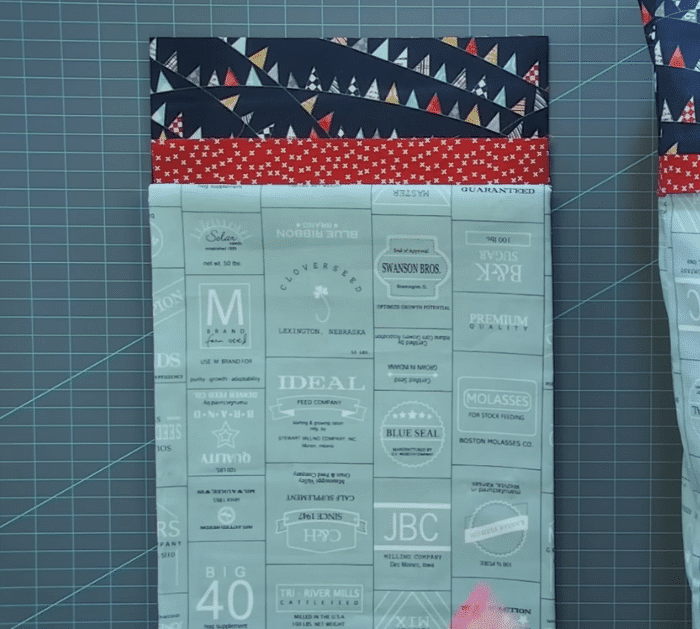
As we conclude our exploration of sewing a simple pillowcase, it is clear that this project offers a fantastic opportunity to refine your skills and create beautiful, functional items for your home. Whether you opt for the efficiency of the basic envelope or the polished finish of the French seam, the satisfaction of a handmade pillowcase is unparalleled. By mastering these techniques and understanding the importance of proper fabric care and finishing, you are well-equipped to produce durable and attractive pillowcases that will be cherished for years to come.