Embarking on the journey of creating your own zippered pouch is an accessible and rewarding endeavor, offering a wonderful opportunity to combine practicality with personal style. This guide will walk you through the essential steps, from understanding the foundational elements to adding those special finishing touches that make your creation truly unique.
We will explore the core components of a zippered pouch, the various types you might encounter, and the essential tools and materials you’ll need to gather. Prepare to master the art of zipper installation, construct the main body of your pouch with precision, and discover techniques for a beautifully lined and polished final product. Additionally, we will touch upon more advanced variations and troubleshooting common sewing challenges to ensure your success.
Understanding Zippered Pouch Basics
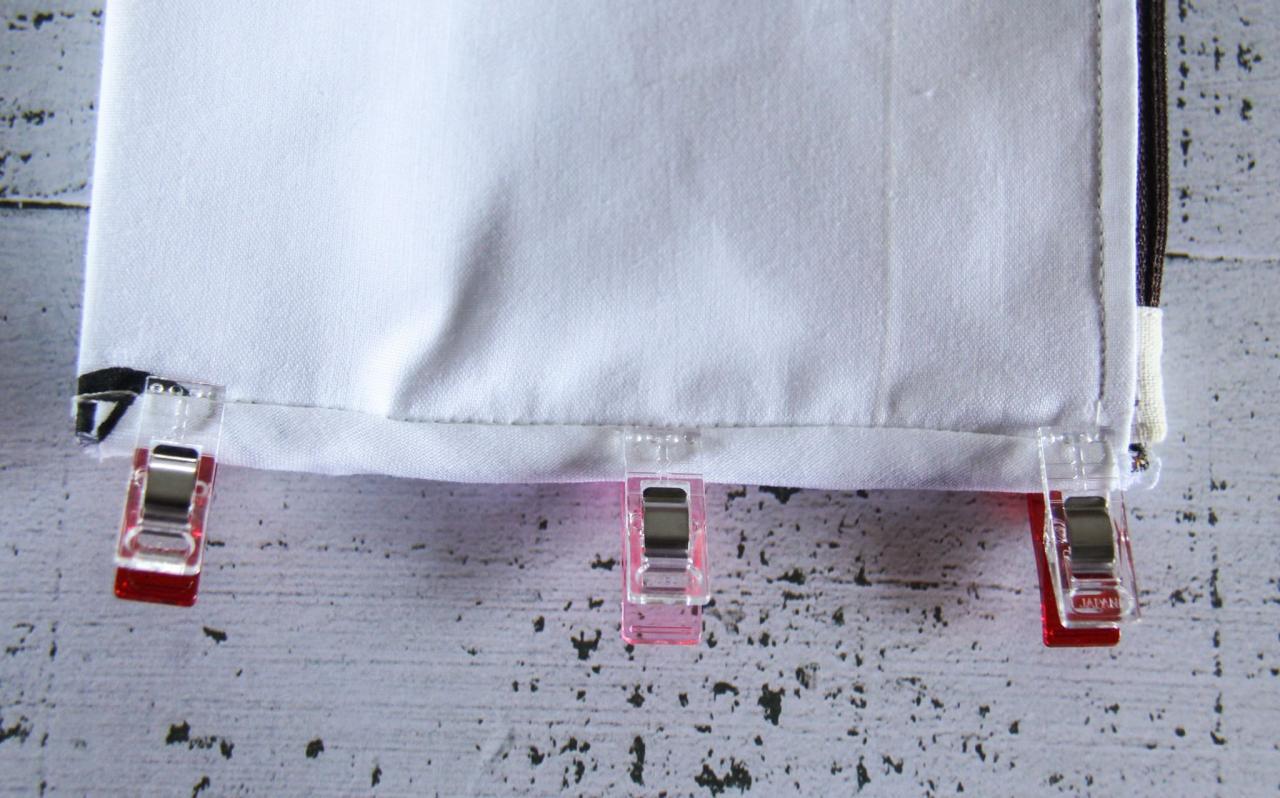
A zippered pouch is a versatile sewing project, offering a practical and stylish way to organize small items. At its core, a zippered pouch is a fabric container secured by a zipper, allowing for easy access and secure closure. These pouches are beloved by crafters for their simplicity and adaptability, making them an excellent starting point for anyone looking to improve their sewing skills.The fundamental components of a zippered pouch are straightforward: fabric pieces that form the body of the pouch, interfacing to provide structure and stability, and of course, the zipper itself.
The interplay of these elements creates a functional and durable accessory. Understanding these basic parts is the first step to successfully creating your own.
Zippered Pouch Components
The primary components of any zippered pouch are:
- Fabric: This forms the outer shell and lining of the pouch. Common choices include cotton, canvas, vinyl, or faux leather, depending on the desired durability and aesthetic.
- Interfacing: Applied to the fabric, interfacing adds body and structure, preventing the pouch from becoming too flimsy. Fusible interfacing is a popular choice as it can be easily ironed onto the fabric.
- Zipper: The crucial element for closure. Zippers come in various lengths, colors, and types (e.g., coil, metal, plastic), and selecting the right one is important for both functionality and style.
- Zipper Pull: Often a small tab or charm attached to the zipper slider, making it easier to grasp and operate the zipper.
- Thread: Strong, color-matched thread is essential for durable seams.
Common Zippered Pouch Types and Uses
Zippered pouches are incredibly adaptable, and their design can be modified to suit a wide range of purposes. The size, shape, and fabric choice all contribute to the pouch’s intended function.Here are some common types of zippered pouches and their typical applications:
- Cosmetic Bags: Typically medium-sized, often made from wipeable or water-resistant fabrics, these are used to store makeup, toiletries, and personal care items.
- Pencil Cases: Smaller, often rectangular pouches designed to hold pens, pencils, erasers, and other stationery.
- Clutches: Larger, flat pouches often made from more decorative fabrics or leather, used to carry essentials like a phone, wallet, and keys for an evening out.
- Tech Pouches: Designed to protect and organize electronic accessories such as chargers, cables, earbuds, and small devices.
- Coin Purses: Small, compact pouches for holding loose change.
- Travel Organizers: Larger pouches or sets of pouches used to store and organize travel documents, medications, or small clothing items.
Essential Sewing Tools and Materials
To embark on your zippered pouch project, having the right tools and materials at hand will ensure a smooth and enjoyable sewing experience. These items are fundamental for most fabric-based crafts and are particularly important for achieving neat and professional results with a zipper.The following list details the essential sewing tools and materials you will need:
- Sewing Machine: While hand-sewing is possible, a sewing machine significantly speeds up the process and creates stronger seams.
- Fabric Scissors: Sharp scissors dedicated to cutting fabric for clean, precise edges.
- Rotary Cutter and Cutting Mat: An alternative to scissors for precise fabric cutting, especially for straight lines.
- Ruler or Measuring Tape: For accurate measurement of fabric pieces and seam allowances.
- Fabric Marker or Chalk: To mark cutting lines and sewing guides on the fabric.
- Pins: To hold fabric pieces together securely before sewing.
- Seam Ripper: An invaluable tool for correcting mistakes by carefully removing stitches.
- Iron and Ironing Board: For pressing seams and applying fusible interfacing.
- Zipper Foot for Sewing Machine: A specialized presser foot that allows the needle to stitch close to the zipper teeth.
- Fabric: Your chosen material for the exterior and lining.
- Interfacing: If you want to add structure to your pouch.
- Zipper: The correct length and type for your project.
- Thread: Matching or contrasting thread suitable for your fabric.
Preparing Fabric Pieces for a Simple Zippered Pouch
Proper preparation of your fabric pieces is crucial for a successful zippered pouch. This involves accurate cutting and, if using, applying interfacing. Taking the time to do this step correctly will make the subsequent sewing steps much easier and lead to a more professional-looking finished product.Here is a step-by-step guide for preparing fabric pieces for a simple zippered pouch:
- Determine Pouch Dimensions: Decide on the desired size of your zippered pouch. For a simple rectangular pouch, you will typically need two main fabric pieces for the exterior and two for the lining, plus any additional pieces for pockets or decorative elements.
- Cut Exterior Fabric: Using your ruler and fabric scissors or rotary cutter, carefully cut out two identical rectangles of your exterior fabric according to your chosen dimensions. Add a seam allowance (usually 1/4 inch or 0.6 cm) to all sides.
- Cut Lining Fabric: Cut two identical rectangles of your lining fabric. These should be the exact same dimensions as your exterior pieces, including the seam allowance.
- Cut Interfacing (if using): If you are using fusible interfacing, cut two pieces that are slightly smaller than your exterior fabric pieces, omitting the seam allowance. This prevents the interfacing from interfering with your seams.
- Apply Interfacing: Following the manufacturer’s instructions for your specific fusible interfacing, iron it onto the wrong side of each exterior fabric piece. Ensure it is smoothly attached without wrinkles.
- Press All Pieces: Lightly press all your cut fabric pieces with an iron to ensure they are flat and crisp. This helps in accurate sewing.
Zipper Installation Techniques
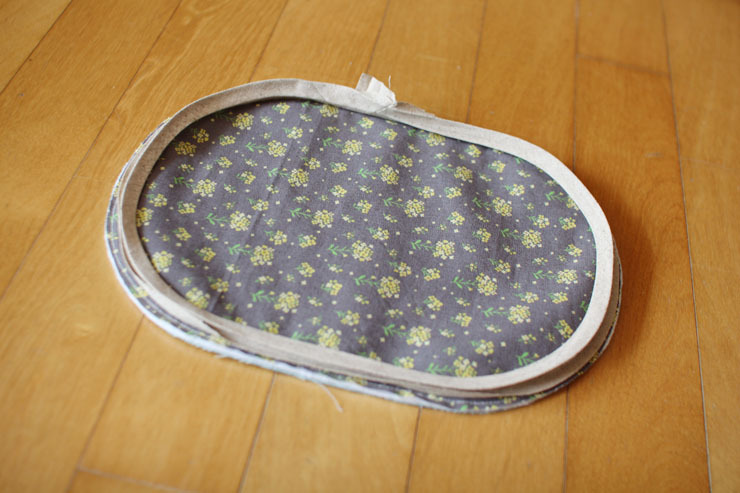
Attaching a zipper to fabric is a fundamental skill in creating many sewn items, from pouches to garments. The method chosen can significantly impact the final appearance and durability of your project. This section will guide you through the essential steps and considerations for a professional-looking zipper installation.The process involves carefully aligning the zipper with the fabric edges and securing it with stitching.
Precision is key to ensure the zipper functions smoothly and lies flat. Understanding the different techniques available will allow you to select the best approach for your specific project and skill level.
Attaching a Zipper to Fabric
The core of zipper installation is the precise placement and secure stitching of the zipper tape to the fabric. This process typically involves preparing the fabric edges and then carefully guiding the zipper along these edges as you sew.To begin, ensure your fabric pieces are cut to the correct size and that any interfacing has been applied if necessary. For a standard pouch, you will likely be attaching the zipper between two fabric panels.
Fold back the raw edges of each fabric panel by a consistent amount, typically 1/2 inch or 5/8 inch, depending on your seam allowance. Press these folds firmly to create crisp edges.Next, position the zipper face down onto the wrong side of one of the folded fabric edges, aligning the zipper teeth with the fold line. The zipper tape should extend beyond the raw edges of the fabric.
Pin the zipper in place, ensuring it is straight and centered along the entire length of the fabric edge.Using a zipper foot on your sewing machine is highly recommended for this step. This specialized foot allows you to stitch very close to the zipper teeth. Begin sewing from one end of the zipper, maintaining an even seam allowance along the folded edge.
Backstitch at the beginning and end of your seam to secure the stitching. Repeat this process for the other fabric panel, attaching it to the other side of the zipper tape. Ensure the second fabric panel is aligned precisely with the first so that when the pouch is opened, the fabric edges meet evenly.
Zipper Installation Methods
Several methods exist for installing zippers, each offering distinct advantages and aesthetic outcomes. Understanding these differences will help you choose the most suitable technique for your project.
- Centred Zipper Installation: This is a common and versatile method, often used for pouches and bags. The zipper is visible on the outside of the project, centered between two fabric panels. It’s relatively straightforward to execute and provides a clean, balanced look.
- Lapped Zipper Installation: This technique involves one side of the zipper being lapped over the other, creating a neat finish where the zipper teeth are mostly concealed. It’s often used in garments for a more refined appearance and is slightly more complex than a centered installation.
- Fly Zipper Installation: Primarily used in trousers and skirts, this method involves enclosing the zipper within a fabric fly shield, making it almost entirely hidden. This is the most intricate of the common zipper installations.
For most zippered pouches, the centered zipper installation is the most practical and visually appealing choice. It allows for easy access and a straightforward sewing process.
Ensuring a Centered and Straight Zipper
Achieving a perfectly centered and straight zipper is crucial for both the functionality and the professional appearance of your zippered pouch. Misaligned zippers can snag, look uneven, and detract from the overall quality of your handmade item.To ensure your zipper is centered, measure the width of your fabric panels where the zipper will be attached. Divide this measurement by two to determine the amount of fabric that should extend beyond the zipper tape on each side.
For instance, if your fabric panel is 6 inches wide and you are using a 5-inch zipper, you will have 1/2 inch of fabric extending on each side of the zipper tape once attached.When pinning the zipper, use a ruler to confirm that the distance from the edge of the fabric to the zipper teeth is consistent along the entire length.
Another effective technique is to mark the center point of your fabric panels and the center point of your zipper tape. Align these marks before pinning.To keep the zipper straight during sewing, take your time and guide the fabric smoothly under the presser foot. Avoid pulling or stretching the fabric as you sew. If you are new to zipper installation, consider using basting tape or temporary adhesive to hold the zipper in place before sewing.
This can prevent shifting and ensure a more accurate stitch line.
Securing Zipper Ends
Properly securing the ends of a zipper is vital to prevent the zipper pull from coming off and to reinforce the stitching, ensuring longevity. This step prevents fraying and adds a polished finish.For a centered zipper installation, once you have sewn both sides of the zipper to the fabric panels, you will have excess zipper tape extending at each end.
- Reinforcing the Top End: At the top end of the zipper, where the zipper pull stops, you will typically have a small fabric tab or the zipper tape itself. Fold the raw edges of the fabric panels inwards towards the zipper teeth and then fold this entire section over the top stop of the zipper. Stitch securely across this folded section, reinforcing it with multiple stitches to create a strong closure that prevents the zipper pull from sliding off.
- Reinforcing the Bottom End: For the bottom end, especially if you are not using a zipper stop, you will want to create a strong anchor. After sewing the zipper to the fabric, you can fold the raw edges of the zipper tape and fabric together and stitch over them multiple times to create a secure block. Alternatively, you can sew a small fabric tab onto the bottom of the zipper tape before attaching it to the fabric, and then fold and stitch this tab securely to the fabric.
A common and effective technique for securing the bottom end is to sew a “box stitch.” This involves sewing a small square or rectangle over the end of the zipper tape and fabric, then sewing an “X” within that square for maximum reinforcement. This method is particularly useful for pouches that will experience frequent use.
Constructing the Pouch Body
With the zipper successfully installed, we can now focus on bringing the main body of your zippered pouch to life. This stage involves skillfully joining the fabric pieces to create the structure that will hold your belongings. Careful attention to detail here will ensure a professional and durable finish.This section will guide you through the process of sewing the main panels together, focusing on achieving sharp, defined corners and effectively managing the bulk that can arise from multiple fabric layers.
We will also cover the crucial step of turning your pouch right-side out.
Sewing the Main Pouch Panels
The construction of the pouch body involves uniting the exterior and lining fabric pieces. It’s essential to maintain consistent seam allowances throughout this process to ensure your pouch is symmetrical and the zipper remains properly integrated.
Follow these steps to sew the main pouch panels:
- With the zipper installation complete and the pouch still inside-out, place the lining pieces right sides together.
- Align the raw edges of the lining pieces with the raw edges of the exterior fabric pieces, ensuring that the zipper tape is sandwiched between the two layers.
- Starting from one side of the zipper opening, stitch along the raw edge of the exterior fabric and the corresponding raw edge of the lining fabric. Maintain a consistent seam allowance, typically 1/4 inch or 1/2 inch, depending on your pattern and preference.
- Continue stitching along the side, across the bottom, and up the other side, leaving a gap in the lining fabric for turning. This gap should be sufficiently large to comfortably turn the entire pouch right-side out.
- Repeat this stitching process for the remaining sides of the pouch, ensuring all raw edges are aligned and secured.
Creating Clean, Squared Corners
Achieving crisp, squared corners significantly enhances the professional appearance of your zippered pouch. This technique involves carefully trimming and folding the fabric at each corner before sewing.
To create clean, squared corners, follow these guidelines:
- Before sewing the side seams, at each bottom corner, measure and mark a point along the side seam and the bottom seam. The distance from the corner point to these marks should be equal to your chosen seam allowance.
- When you reach a corner during sewing, stop with your needle down, pivot the fabric 90 degrees, and continue stitching. This creates a straight seam.
- After sewing all sides, before turning the pouch, trim the excess fabric at each corner diagonally, being careful not to cut into your stitching line. This reduces bulk.
- When turning the pouch, use a pointed tool, such as a chopstick or a corner-turning tool, to gently push out each corner from the inside. Work slowly and deliberately to ensure the corner is sharp and well-defined.
Managing Bulk in Multiple Fabric Layers
Sewing with multiple layers of fabric, especially when including interfacing or batting, can lead to significant bulk, making it difficult to stitch and creating a less-than-ideal finish. Strategic techniques can help mitigate this.
Effective methods for managing bulk include:
- Trimming Seam Allowances: After sewing seams, especially at corners, trim the seam allowances to reduce the amount of fabric. For corners, trim diagonally as mentioned previously.
- Grading Seam Allowances: This technique involves trimming one seam allowance shorter than the other. For example, trim the lining seam allowance to 1/8 inch and the exterior seam allowance to 1/4 inch. This allows the bulkier layer to sit on top, creating a flatter seam.
- Notching or Clipping Curves: While not always necessary for a pouch with straight sides, if your design includes any curved areas, notching (cutting small triangles out of the seam allowance) or clipping (making small cuts into the seam allowance) can help the fabric lie flat.
- Using Lighter Weight Interfacing: If your project calls for interfacing, consider using a lighter weight option if it will still provide adequate stability.
- Pressing Seams Open: Whenever possible, press your seams open. This not only helps to flatten them but also distributes the bulk more evenly.
Turning the Pouch Right-Side Out
The moment of truth arrives when you turn your pouch right-side out. This step reveals the finished exterior and requires careful handling to ensure all seams are neat and corners are sharp.
The procedure for turning the pouch right-side out is as follows:
- Locate the opening you left in the lining fabric during the sewing of the main pouch body.
- Gently begin to pull the exterior fabric through this opening.
- As you pull, guide the fabric, ensuring that the zipper tape and the exterior fabric are easing through the gap.
- Once the exterior is mostly out, use a pointed tool (like a chopstick or a corner turner) to carefully push out the corners from the inside. Work slowly and deliberately to create sharp, defined corners.
- After all corners are pushed out and the pouch is fully turned, press the seams flat with an iron.
- Finally, hand-stitch or machine-stitch the opening in the lining closed. For a neater finish, you can topstitch close to the edge of the lining opening to close it.
Adding Lining and Finishing Touches
With the main structure of your zippered pouch complete, it’s time to elevate its functionality and appearance by adding a fabric lining. A lining not only gives your pouch a professional, finished look but also protects the contents from snagging on any raw interior seams and provides a smooth, clean surface. This step is crucial for creating a durable and aesthetically pleasing item.The process of adding a lining involves preparing a separate fabric piece that mirrors the exterior of your pouch, minus the zipper opening.
This lining is then attached to the exterior, creating a seamless interior. Careful attention to the turning opening is key to achieving a polished finish that hides all the raw edges.
Purpose and Method of Adding a Fabric Lining
A fabric lining serves multiple purposes in a zippered pouch. Primarily, it conceals the raw edges of the exterior fabric and the zipper tape, preventing fraying and giving a neat, professional appearance. It also adds a layer of durability, protecting the contents from the stitching and potential wear and tear of the exterior fabric. Furthermore, a smooth lining can make it easier to slide items in and out of the pouch.The method for adding a lining typically involves cutting a piece of lining fabric that is the same size as the main panels of your pouch.
These lining pieces are then sewn together in the same manner as the exterior panels, but crucially, one side seam is left partially unsewn or a specific opening is created. This opening is essential for turning the entire pouch right-side out after the lining and exterior are joined.
Creating a Neat Opening in the Lining for Turning
A well-placed and neat opening in the lining is fundamental for a professional finish. This opening allows you to invert the pouch after the lining and exterior have been stitched together around the zipper. The ideal location for this opening is usually along one of the side seams of the lining piece, away from the zipper.To create this opening, when sewing the lining pieces together, simply leave a gap of about 3 to 4 inches (7.5 to 10 cm) unstitched along one of the side seams.
Ensure that the raw edges of this opening are neatly tucked inwards before you begin the turning process. This will create a clean line when the opening is later closed.
Techniques for Closing the Lining Opening Invisibly
Once the pouch has been turned right-side out, the opening in the lining will be visible. The goal is to close this opening so that the stitching is virtually undetectable. The most effective technique for this is the “ladder stitch,” also known as the “invisible stitch” or “slip stitch.”To execute the ladder stitch, fold the raw edges of the lining opening inwards to match the sewn seam.
Then, using a hand-sewing needle and matching thread, take small, alternating stitches that go from one folded edge to the other. The stitches should be small and close together, catching just a few threads of the fabric on each side. As you pull the thread taut, the stitches will disappear into the seam, creating an invisible closure.
Creative Embellishments and Decorative Elements
Beyond the functional aspects, personalizing your zippered pouch with embellishments can transform it into a unique and stylish accessory. These decorative elements can range from simple additions to more intricate designs, allowing you to express your creativity and match the pouch to your personal style or a specific occasion.Consider these creative embellishments to enhance your zippered pouch:
- Appliqué: Fabric shapes (like flowers, animals, or geometric designs) can be cut from contrasting fabrics and stitched onto the exterior of the pouch. This adds texture and visual interest.
- Embroidery: Hand or machine embroidery can be used to add intricate patterns, monograms, or small pictures. This offers a highly personalized touch.
- Patches: Ready-made patches, whether iron-on or sew-on, can quickly add a pop of personality. These can range from quirky characters to motivational quotes.
- Beads and Sequins: Small beads or sequins can be hand-sewn onto the exterior fabric to create sparkling accents or Artikel designs. This is particularly effective for evening or special occasion pouches.
- Ribbons and Trim: Contrasting ribbons, lace, or decorative trim can be stitched along seams or edges to add a touch of elegance or whimsy.
- Fabric Paint or Markers: For a more artistic approach, fabric paints or permanent markers can be used to draw designs directly onto the pouch exterior.
- Tassels or Charms: A decorative tassel or a small charm attached to the zipper pull can add a playful and functional embellishment.
Advanced Zippered Pouch Variations
Once you’ve mastered the basic zippered pouch, the world of customization opens up with exciting variations that enhance both functionality and aesthetics. This section explores techniques to elevate your zippered pouches from simple to sophisticated, allowing you to tailor them to specific needs and personal styles. We will delve into methods for creating a more structured pouch, adding practical exterior features, and exploring different construction approaches.
Boxed Bottom Construction
Incorporating a boxed bottom transforms a flat pouch into one with a three-dimensional capacity, allowing it to stand on its own and hold more items. This technique is achieved by creating small, folded corners at the base of the pouch.To create a boxed bottom, follow these steps after the main pouch and lining pieces have been sewn together and turned right side out, but before the final closure of the lining opening:
- Ensure the side seams of the pouch and lining are aligned.
- Flatten one of the bottom corners so that the side seam aligns with the bottom seam.
- Measure a specific distance (e.g., 1 to 2 inches) perpendicular to the seam where the side and bottom edges meet. Draw a line across this measurement.
- Sew along this drawn line.
- Trim any excess fabric beyond the sewn line, leaving a small seam allowance.
- Repeat this process for the other bottom corner.
This process effectively “boxes out” the corners, creating depth and volume. The size of the box you create will directly influence the pouch’s capacity.
Exterior Pockets and Decorative Zipper Pulls
Adding exterior pockets provides convenient storage for frequently accessed items, while decorative zipper pulls offer a personal touch and make the pouch easier to open.For exterior pockets, consider these options:
- Patch Pockets: These are simple rectangles or shaped pieces of fabric that are folded and sewn onto the exterior of the pouch. They can be a contrasting fabric for visual interest.
- Zippered Pockets: A more advanced technique involves creating a zippered opening on the exterior of the pouch, allowing for secure storage. This requires careful placement and precise sewing.
- Slip Pockets: These are created by folding the top edge of the pocket piece and sewing it to the pouch, leaving the sides and bottom open for easy insertion of items.
Decorative zipper pulls can be made from:
- Ribbon or Twill Tape: A small loop of ribbon or tape attached to the zipper slider.
- Beads or Charms: Strands of beads or small charms can be strung together and attached to the zipper pull.
- Tassels: Handmade or purchased tassels add a bohemian or elegant flair.
Wrist Strap or Loop Creation
A wrist strap or loop is a practical addition that allows for easy carrying and prevents the pouch from being misplaced.To create a wrist strap or loop:
- Cut a strip of fabric to your desired length and width (typically 1.5 to 2 inches wide and 18-24 inches long for a loop).
- Fold the fabric in half lengthwise, wrong sides together, and press.
- Open the fabric and fold each long edge towards the center crease, pressing again.
- Fold the fabric in half again along the original center crease, encasing the raw edges. Press well.
- Topstitch along both long edges of the strap for durability and a finished look.
- For a wrist strap, you will likely attach one end of the strap to a swivel clasp or D-ring, and then attach the other end to the pouch. For a simple loop, you will sew the two ends of the strap together to form a continuous loop, which is then attached to the side of the pouch during construction.
The strap can be attached to the side seam of the pouch or to a D-ring that has been securely affixed to the pouch.
Flat Zippered Pouch vs. Gusseted Pouch Construction
The fundamental difference between a flat zippered pouch and a gusseted one lies in their structure and capacity.A flat zippered pouch is constructed from two main pieces of fabric (plus lining), sewn together at the sides and bottom. This results in a pouch that lies flat when empty and has minimal depth. The construction is straightforward, making it ideal for beginners.
The primary function is for holding thin items like cards, cash, or small accessories.A gusseted pouch, on the other hand, incorporates additional fabric panels, known as gussets, along the sides and sometimes the bottom. These gussets expand when the pouch is filled, providing significantly more volume and allowing the pouch to stand upright. The construction is more complex, involving the careful attachment of these extra panels to the main body of the pouch.
Gusseted pouches are excellent for carrying bulkier items such as makeup, toiletries, or small craft supplies. The ability to expand makes them more versatile for a wider range of contents.
Troubleshooting Common Sewing Issues
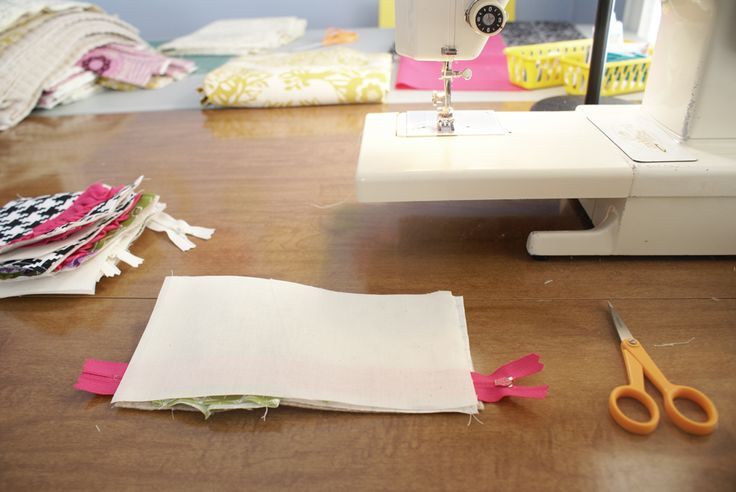
Sewing a zippered pouch, while rewarding, can sometimes present minor challenges. Understanding these common issues and their solutions will help you achieve a polished final product and build confidence in your sewing skills. This section focuses on identifying potential problems, from a stubborn zipper to fraying edges, and offers practical strategies to overcome them.Addressing these common sewing hurdles proactively will ensure your zippered pouches not only function perfectly but also boast a professional and durable finish.
We will explore how to resolve a stuck or uneven zipper, prevent fabric fraying, and achieve those crisp, clean seams that elevate your handmade items.
Zipper Malfunctions and Solutions
A zipper that refuses to cooperate can be frustrating, but most issues are easily rectifiable with a few simple techniques. These solutions focus on restoring smooth operation and preventing future problems.
Stuck Zipper Resolution
A zipper can become stuck due to fabric caught in the teeth, misalignment, or a lack of lubrication.
- Fabric Caught: Gently try to pull the fabric away from the zipper teeth. If it’s firmly caught, use tweezers to carefully dislodge it. Avoid yanking, which can damage the zipper tape or teeth.
- Misaligned Teeth: Examine the zipper teeth for any bent or damaged ones. If a few teeth are slightly out of alignment, you can try to gently straighten them with needle-nose pliers. If the zipper is severely damaged, it may need to be replaced.
- Lack of Lubrication: For smooth operation, a small amount of lubricant can be applied. Graphite from a pencil tip rubbed along the teeth, or a tiny dab of beeswax or clear lip balm, can help the slider move freely.
Uneven Zipper Tape
An uneven zipper tape can result in puckering or a zipper that doesn’t close properly. This often occurs during the sewing process if the fabric isn’t feeding evenly.
- During Installation: Ensure you are sewing the zipper tape flat and that the fabric is not bunching up underneath the presser foot. Use a zipper foot to get closer to the zipper teeth.
- Post-Installation: If the tape is already sewn unevenly, you may need to unpick the stitching and re-sew, paying close attention to keeping both the zipper tape and the fabric flat and taut.
Preventing Fabric Fraying Around the Zipper
Unfinished fabric edges can quickly fray, leading to a messy appearance and potential zipper obstruction. Employing specific techniques before and during zipper installation is key to a clean finish.
Edge Stabilization Methods
Several methods can effectively prevent fabric fraying around the zipper insertion area.
- Serging or Overlocking: If you have a serger, finishing the raw edges of the fabric pieces that will be adjacent to the zipper with a serged seam is an excellent way to prevent fraying. This creates a neat, enclosed edge.
- Zigzag Stitch: For those without a serger, a close zigzag stitch along the raw edge of the fabric where the zipper will be attached provides a good alternative. Ensure the stitch density is high enough to create a secure edge.
- Interfacing: Applying a lightweight fusible interfacing to the wrong side of the fabric pieces where the zipper will be attached adds stability and prevents fraying. This is particularly beneficial for lighter weight fabrics.
- French Seams (for lining): If your pouch has a lining, consider using French seams for the lining pieces that meet the zipper. This encloses the raw edges entirely within the lining.
Achieving Professional-Looking Seams
Crisp, even seams are a hallmark of professional sewing. Attention to detail during construction, from preparation to the final stitch, contributes significantly to the overall appearance of your zippered pouch.
Seam Quality Enhancement Strategies
These strategies focus on precision and proper technique to ensure your seams are neat and durable.
- Accurate Seam Allowances: Consistently using the correct seam allowance specified in your pattern is crucial. Mark your seam lines if necessary, especially for beginners, to ensure accuracy.
- Pressing as You Go: After sewing each seam, press it open or to one side according to your pattern’s instructions. This not only flattens the seam but also helps to align subsequent seams more accurately.
- Thread Tension Adjustment: Ensure your sewing machine’s thread tension is correctly set for the fabric and thread you are using. Incorrect tension can lead to puckering or loose stitches.
- Quality Thread and Needles: Using good quality thread that is appropriate for your fabric and a sharp, correctly sized needle will result in cleaner stitches and prevent skipped stitches or fabric damage.
- Backstitching at Start and End: Always backstitch a few stitches at the beginning and end of each seam to secure the stitching and prevent it from unraveling.
- Trimming Seam Allowances: For bulky seams, trimming the seam allowances can reduce bulk. For example, trimming one seam allowance slightly narrower than the other can help when pressing seams open, creating a flatter finish.
“Precision in every stitch is the foundation of a professional finish.”
Wrap-Up
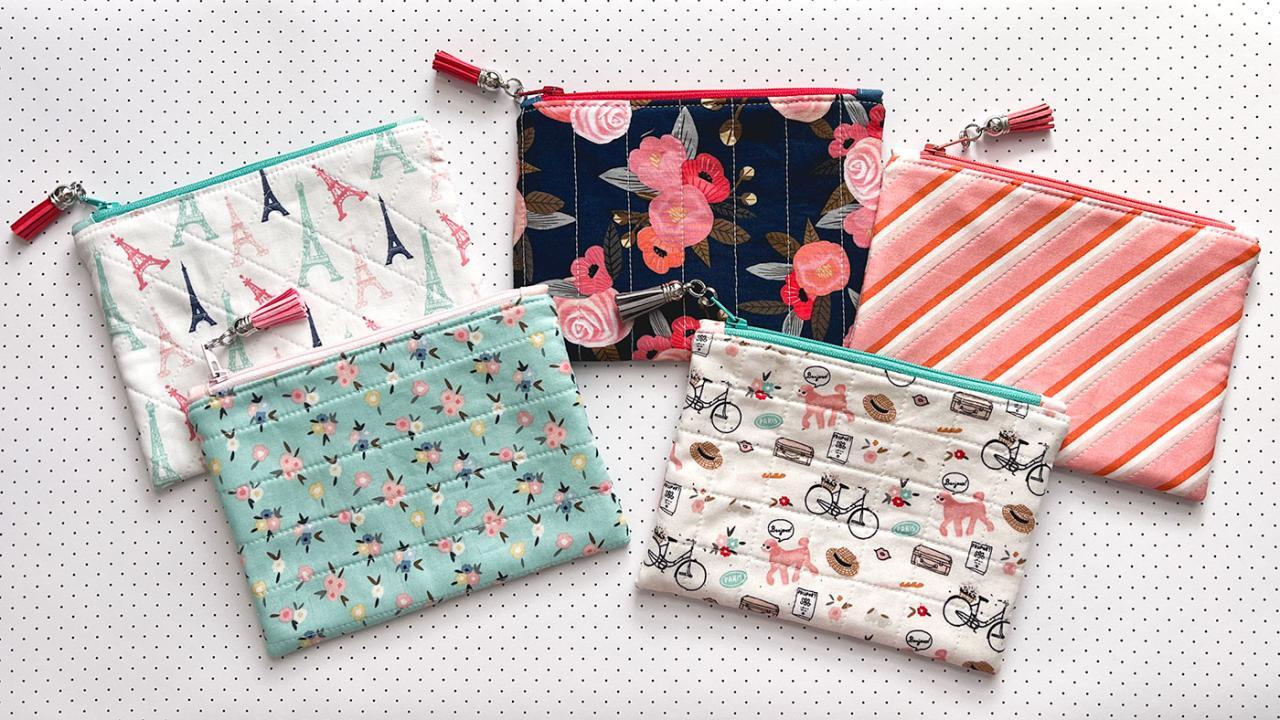
As we conclude our exploration of crafting a zippered pouch, you are now equipped with the knowledge and techniques to bring your vision to life. From the initial fabric preparation to the final decorative flourish, each step has been designed to empower you to create functional and beautiful zippered pouches. Embrace the creativity this project offers and enjoy the satisfaction of using or gifting your handmade creations.