Embarking on a sewing project with denim can be a rewarding experience, but it often comes with a common and frustrating challenge: broken needles. This guide is designed to demystify the process of working with this robust fabric, ensuring your sewing endeavors are smooth and successful.
We will explore the unique properties of denim that contribute to needle breakage, from its various weights and weaves to the importance of fabric grain. By understanding these fundamental aspects, you’ll be better equipped to select the right tools and prepare your sewing machine for the task at hand. This comprehensive approach aims to transform potential frustrations into triumphs, allowing you to confidently tackle any denim project.
Understanding Denim Fabric Properties
Denim, a staple in wardrobes worldwide, presents unique challenges when it comes to sewing due to its inherent characteristics. Its durability and distinct texture, while desirable for finished garments, require specific considerations to ensure a smooth and successful sewing experience. Understanding these properties is the first crucial step in preventing common issues like broken needles and skipped stitches.Denim is a sturdy cotton warp-satin weave fabric, typically dyed indigo.
This weaving method, where the warp threads pass over two or more weft threads, creates the characteristic diagonal ribbing on the fabric’s surface. The tight weave and the use of strong cotton fibers contribute to denim’s renowned resilience, making it resistant to tearing and wear. However, this same density and thickness can also put significant strain on sewing machine needles and thread.
Characteristics of Denim That Make It Challenging to Sew
The inherent toughness of denim stems from its construction. The tightly spun cotton yarns are woven with a specific warp-faced twill, resulting in a dense and robust fabric. This density means that a sewing needle must penetrate multiple tightly packed fibers with each stitch. The warp threads are typically dyed indigo, while the weft threads are often left white or a lighter shade, contributing to the fabric’s characteristic look, especially as it fades.
The thickness of denim can vary significantly, further impacting the ease of sewing.
Denim Weights and Weaves and Their Effect on Sewing
Denim is categorized by its weight, typically measured in ounces per square yard (oz/sq yd). This weight directly influences its thickness and stiffness, which in turn affects how it behaves under a sewing machine needle.
- Lightweight Denim (4-6 oz/sq yd): This type of denim is softer and more pliable, often used for shirts, skirts, and lighter-weight jeans. It is generally easier to sew and requires less robust needles and thread.
- Midweight Denim (7-10 oz/sq yd): This is the most common weight for jeans and jackets. It offers a good balance of durability and flexibility, making it manageable for most home sewers with the right equipment.
- Heavyweight Denim (11 oz/sq yd and above): This denim is very thick, stiff, and durable, often used for workwear, heavy-duty jackets, and raw denim jeans. Sewing heavyweight denim requires stronger needles, heavier-duty thread, and potentially a more powerful sewing machine.
The weave of denim also plays a role. While the most common is the traditional twill weave, other weaves like broken twill or dobby weaves can create different textures and slightly alter the fabric’s drape and sewing behavior. However, the primary factor remains the density and thickness dictated by the weight.
Common Reasons for Sewing Needle Breakage When Working With Denim
Needle breakage is a frequent frustration for sewers working with denim. This usually occurs due to a mismatch between the fabric’s properties and the sewing tools.
- Using the Wrong Needle Type: A standard universal needle is often insufficient for the demands of denim. These needles are not designed to penetrate such dense fibers repeatedly without bending or breaking.
- Using a Dull or Damaged Needle: A dull needle will struggle to pierce the fabric cleanly, forcing it to bend or snap under pressure. Even a microscopic burr on a needle can cause it to snag and break.
- Incorrect Needle Size: Using a needle that is too fine for the denim weight can lead to breakage. A needle that is too thick can also cause excessive friction and potentially damage the fabric or the machine.
- Sewing Too Fast: Rushing the sewing process can cause the needle to hit the fabric at an angle or with too much force, increasing the risk of breakage.
- Thread Tension Issues: Improperly balanced thread tension can cause the needle to flex and break as it encounters resistance.
- Machine Issues: A sewing machine that is not properly maintained, such as a misaligned bobbin or presser foot, can contribute to needle stress and breakage.
“A sharp, appropriately sized denim needle is your most important ally when tackling this robust fabric.”
The Importance of Fabric Grain and Its Impact on Sewing Denim
Understanding fabric grain is fundamental to successful sewing with any textile, and denim is no exception. The grain refers to the direction of the threads in the woven fabric.
- Warp Threads: These are the lengthwise threads that run parallel to the selvage (the finished edge of the fabric). They are typically stronger and have less stretch.
- Weft Threads: These are the crosswise threads that run perpendicular to the selvage. They are usually weaker and have more stretch than warp threads.
Sewing denim along the grain ensures that the fabric lies flat, seams are straight, and the garment maintains its intended shape and drape. Cutting or sewing against the grain can lead to:
- Uneven Seams: The fabric may pucker or twist, resulting in distorted seams.
- Stretched or Baggy Areas: If you sew against the grain, the weft threads might stretch, causing parts of the garment to become baggy over time.
- Difficulty in Handling: The fabric can become unruly and difficult to control under the sewing machine needle.
Always pay attention to the direction of the ribbing in the denim, which indicates the direction of the warp threads. Cutting and sewing with the grain will result in a much more professional and durable finished product.
Essential Tools and Supplies
Successfully sewing denim requires a thoughtful selection of tools and supplies that can handle its robust nature. Unlike lighter fabrics, denim’s density and thickness necessitate specific equipment to ensure smooth operation, prevent breakage, and achieve durable, professional-looking seams. This section will guide you through the indispensable items that will make your denim sewing projects a pleasure rather than a frustration.Understanding the right tools is the first step towards mastering denim sewing.
Investing in quality needles, threads, and cutting implements designed for heavy-duty fabrics will not only save you time and prevent common sewing mishaps but will also contribute significantly to the longevity and appearance of your finished garments.
Sewing Needles for Denim
The type and quality of your sewing needle are paramount when working with denim. A standard needle will likely bend or break under the strain of multiple denim layers, leading to skipped stitches, thread breakage, or damage to your sewing machine. Specialized denim or heavy-duty needles are designed with a sharper point and a stronger shaft to penetrate thick fabrics efficiently.When selecting needles for denim, consider the following:
- Denim Needles: These are specifically engineered for sewing jeans and other denim garments. They typically have a sharper point to pierce through tough fibers and a reinforced shaft to prevent bending. They are often available in sizes ranging from 80/12 to 100/16, with larger numbers indicating a thicker needle suitable for multiple layers of denim.
- Heavy Duty Needles: Similar to denim needles, these are designed for sewing thicker, tougher materials. They are a good alternative if denim-specific needles are unavailable.
- Microtex Needles: While not specifically for denim, Microtex needles have a very sharp, fine point that can be effective for precise stitching on dense fabrics, provided they are of a sufficient size (e.g., 80/12 or larger).
It is crucial to change your needle frequently, especially when sewing denim. A dull needle can cause skipped stitches and fraying, even if it hasn’t broken. A good rule of thumb is to change your needle after every 8-10 hours of sewing or after completing a significant project.
Sewing Machine Presser Feet for Denim
The presser foot plays a vital role in guiding the fabric under the needle and ensuring consistent stitch formation. For denim, certain presser feet offer superior control and support compared to the standard all-purpose foot.The following presser feet are highly recommended for sewing denim:
- Walking Foot (Even Feed Foot): This is arguably the most beneficial presser foot for sewing denim. It has a set of feed dogs on the top that work in conjunction with the sewing machine’s feed dogs to move multiple layers of fabric evenly. This prevents the layers from shifting or puckering, resulting in smoother seams, especially when sewing thick seams or working with multiple layers.
- Zipper Foot: While primarily used for inserting zippers, a zipper foot can be very useful for sewing close to thick seams or edges, such as topstitching on jeans. Its narrow design allows you to get right up to the edge of a seam allowance.
- Roller Foot: This foot features small rollers that glide over thick or sticky fabrics like denim, vinyl, or leather. It reduces friction and prevents the fabric from sticking to the foot, allowing for smoother feeding and stitching.
- Edge Stitching Foot (Edge Guide Foot): This foot has a small metal guide that runs along the edge of a seam or fold. It is excellent for creating precise topstitching or edge stitching on denim, ensuring consistent spacing from the edge.
Experimenting with different presser feet can help you achieve the best results for specific denim sewing tasks, from constructing robust seams to adding decorative topstitching.
Thread Types and Weights for Denim
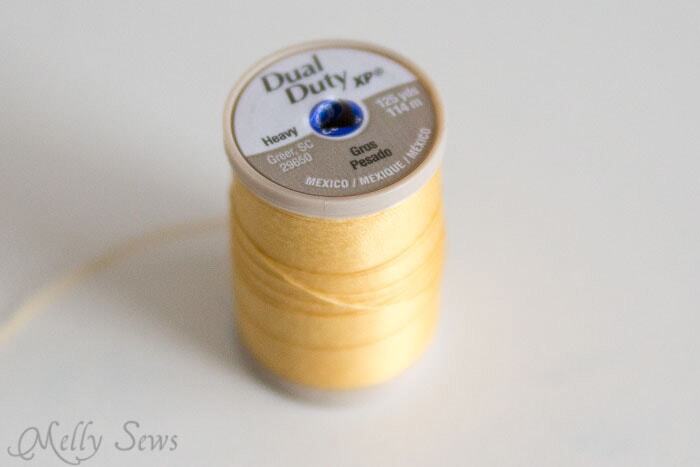
The thread you use is the backbone of your seams, and for denim, it needs to be strong and durable. Standard all-purpose polyester thread might suffice for very light denim or decorative elements, but for constructing seams that will withstand wear and tear, a heavier-duty thread is essential.The best thread types and weights for sewing denim seams include:
- Heavy Duty Polyester Thread: This is the most common and versatile choice for denim. It offers excellent strength, durability, and resistance to abrasion. Look for threads labeled “heavy duty,” “upholstery,” or “jean thread.”
- Cotton-Wrapped Polyester Thread: This type of thread combines the strength of polyester with the matte appearance of cotton, which can be desirable for a more traditional denim look.
- Buttonhole Twist/Heavy Duty Nylon Thread: For areas that require extreme strength, such as belt loops or very thick seams, a heavy-duty nylon thread or buttonhole twist can be used. However, be aware that nylon can be shinier than polyester and may shrink slightly with heat.
Thread weight is indicated by a number, where a lower number signifies a thicker thread. For denim, you’ll typically want threads in the following weight ranges:
- Tex 40 to Tex 70: This range is suitable for general construction and seams on medium to heavy-weight denim.
- Tex 70 and above: For very heavy denim, multiple layers, or areas requiring exceptional strength, consider threads in the higher Tex ranges.
When sewing, it’s also important to ensure your top thread and bobbin thread are of similar weight and type for balanced tension and a strong seam.
Indispensable Tools for Sewing Denim
Beyond the sewing machine and its accessories, a few other tools are crucial for a smooth and successful denim sewing experience. These items facilitate accurate cutting, precise marking, and effective finishing.Here is a checklist of indispensable tools for successfully sewing denim:
- Fabric Shears/Scissors: High-quality, sharp fabric shears are essential for cutting denim cleanly. Dedicated fabric scissors should never be used for paper or other materials to maintain their sharpness.
- Rotary Cutter and Mat: For straight lines and precise cuts, a rotary cutter and a self-healing cutting mat are invaluable. They allow for quick and accurate cutting without the need for pins, which can dull your scissors.
- Marking Tools: Tailor’s chalk, fabric pens, or water-soluble markers are needed to transfer pattern markings and draw stitching lines onto denim. Ensure the marking tool is suitable for your specific denim type and will not leave permanent marks.
- Straight Pins or Wonder Clips: Strong, sharp straight pins are needed to hold denim pieces together. Alternatively, Wonder Clips are excellent for holding multiple layers of thick fabric without damaging the fibers.
- Seam Ripper: Mistakes happen, and a good seam ripper is a lifesaver for carefully undoing stitches without damaging the fabric.
- Hammer: A small craft hammer can be useful for flattening bulky seams or rivets before sewing over them.
- Awl: An awl can help to create starter holes for hand sewing or to carefully push through thick layers of denim where a machine needle might struggle.
- Iron and Ironing Board: Pressing seams as you sew is critical for achieving professional results, especially with denim. A good iron with a steam function and a sturdy ironing board are essential.
Having these tools readily available will streamline your denim sewing process and contribute to a more polished final product.
Scissors and Rotary Cutters for Denim
The ability to cut denim cleanly and accurately is fundamental to successful garment construction. The density and thickness of denim can challenge standard cutting tools, leading to jagged edges or uneven cuts. Therefore, selecting the right cutting implements is crucial.When it comes to cutting denim, consider the following types of scissors and rotary cutters:
- Heavy-Duty Fabric Shears: These are your primary cutting tools for denim. They should be made of high-quality steel, have long, sharp blades, and be specifically designated for fabric use only. Serrated blades can provide extra grip on slippery or thick fabrics, helping to prevent shifting during the cut.
- Rotary Cutter: A rotary cutter, typically with a 45mm or 60mm blade, is excellent for cutting long, straight lines on denim. It requires a self-healing cutting mat to protect your work surface and the blade. The larger the blade size, the more easily it can handle thicker fabrics.
- Small Detail Scissors: While not for main cutting, small, sharp scissors are useful for trimming threads or clipping small notches accurately.
For both scissors and rotary cutters, maintaining their sharpness is paramount. Dull blades will not only make cutting more difficult but can also snag and fray the denim fibers, leading to a less professional finish. Regularly sharpen your blades or replace them as needed. When using a rotary cutter, ensure you apply firm, even pressure to cut through all layers of denim smoothly.
Preparing Your Sewing Machine
Before you begin stitching through the robust layers of denim, it’s crucial to ensure your sewing machine is adequately prepared. This preparation involves fine-tuning settings, performing essential maintenance, and confirming all components are functioning optimally to handle the demands of heavy-duty fabric. A well-prepared machine will not only prevent frustration from broken needles and skipped stitches but will also contribute to a professional and durable finish for your denim projects.
Adjusting Sewing Machine Tension for Thick Denim Layers
Sewing denim, especially multiple layers, often requires a slight adjustment to your machine’s tension. The goal is to achieve a balanced stitch where the upper and lower threads interlock perfectly within the fabric layers. Incorrect tension can lead to puckering, skipped stitches, or even thread breakage.
To adjust tension for denim:
- Upper Tension: For thicker denim, you might need to slightly increase the upper thread tension. This helps to pull the needle thread firmly through the dense fabric. Start by turning the tension dial a quarter to a half turn towards a higher number.
- Bobbin Tension: The bobbin tension should generally be lower than the upper tension. If you’re experiencing loops forming on the underside of the fabric, it indicates the upper tension is too loose or the bobbin tension is too tight. Conversely, if the upper thread is breaking, the bobbin tension might be too loose.
- Test Stitches: Always test your tension on a scrap piece of denim that mimics the thickness of your project. Stitch a few inches and examine the stitch quality on both the top and bottom. A good stitch will look like interlocked threads, with no loops or puckering.
Cleaning and Lubricating a Sewing Machine for Heavy-Duty Sewing
Heavy-duty fabrics like denim produce more lint and can put more strain on your machine’s internal mechanisms. Regular cleaning and lubrication are vital to keep your machine running smoothly and prevent premature wear.
The process for cleaning and lubricating your sewing machine for denim involves:
- Dust Removal: Begin by unplugging your sewing machine. Use a soft brush (often provided with your machine) and a vacuum cleaner with a brush attachment to remove all lint and dust from the bobbin area, needle plate, and feed dogs. Pay close attention to areas where threads and fabric scraps tend to accumulate.
- Needle Area Maintenance: Remove the needle plate and carefully clean around the feed dogs. For machines with a removable bobbin case, take it out and clean the area thoroughly.
- Lubrication: Refer to your sewing machine’s manual for specific lubrication points. Typically, you will apply a small drop of sewing machine oil to designated points, such as the needle bar, presser bar, and any moving metal parts in the bobbin area. Avoid over-oiling, as excess oil can attract more lint.
- Wipe Down: After cleaning and lubricating, stitch on a scrap piece of fabric for a few minutes to distribute the oil and remove any excess.
The Significance of a Balanced Stitch Length When Sewing Denim
The stitch length on your sewing machine plays a critical role in the durability and appearance of your denim seams. A stitch that is too short can cause the fabric to shred or the thread to break under stress, while a stitch that is too long may not provide sufficient strength for the seams.
For sewing denim, a balanced stitch length offers several benefits:
- Strength: A medium to slightly longer stitch length (around 2.5 to 3.0 mm on most machines) provides the necessary strength to withstand the stress and wear that denim garments endure. This prevents seams from pulling apart.
- Durability: Proper stitch length ensures that the threads are well-distributed, creating a robust seam that is less likely to fray or break over time.
- Appearance: A consistent and appropriate stitch length contributes to a neat and professional finish, mirroring the construction of ready-to-wear denim items.
It is advisable to experiment with stitch length on scrap fabric to find the ideal setting for your specific denim weight and sewing machine.
Ensuring Your Sewing Machine’s Feed Dogs are Functioning Correctly for Denim
The feed dogs are the small, toothed metal pieces under the needle plate that grip the fabric and move it forward as you sew. For thick, dense fabrics like denim, it’s essential that the feed dogs are functioning properly to ensure consistent fabric feeding and prevent skipped stitches or fabric bunching.
To confirm your feed dogs are working optimally for denim:
- Visibility and Movement: Ensure the feed dogs are visible and that they move up and down and forward and backward as the machine operates. You can usually see this movement by looking through the needle plate opening.
- Cleanliness: As mentioned in the cleaning section, lint and debris can obstruct the feed dogs’ movement. Thoroughly clean this area to allow for unimpeded operation.
- Engaged: Most sewing machines have a lever or button to lower the feed dogs for free-motion sewing. Ensure your feed dogs are in the “up” position for regular sewing.
- Presser Foot Pressure: While not directly a feed dog function, the presser foot pressure can affect how well the feed dogs grip the fabric. If your machine has adjustable presser foot pressure, you may need to increase it slightly for very thick denim to ensure the feed dogs can grip effectively. Consult your manual for instructions on adjusting presser foot pressure.
A machine with properly functioning feed dogs will pull the denim through evenly, creating straight and consistent seams, which is paramount for successful denim sewing.
Sewing Techniques for Thick Layers
Working with denim, especially when dealing with multiple layers, can present unique challenges. The thickness of the fabric can strain your sewing machine, lead to skipped stitches, and even cause your needle to break. Mastering specific sewing techniques is crucial for a smooth and successful denim project. This section will guide you through the best practices for tackling these thicker areas.The key to sewing through dense denim lies in preparation, the right tools, and deliberate technique.
By understanding how to manage bulk, backstitch effectively, and ease fabric, you can overcome the common obstacles and achieve professional-looking results.
Managing Bulk at Seams
Reducing bulk at seams is essential for creating a clean and professional finish, especially in areas that will be turned or topstitched. Overlapping seams can become excessively thick, making them difficult to press flat and prone to fraying. Several methods can be employed to minimize this thickness.
To reduce seam bulk:
- Trimming Seam Allowances: After sewing a seam, trim one seam allowance to half its width. This creates a staggered effect, reducing the overall thickness where the two allowances overlap. For example, if your seam allowance is 5/8 inch, trim one side to 1/4 inch, leaving the other at 5/8 inch.
- Grading Seam Allowances: This technique involves trimming each seam allowance to a different width, usually with the widest allowance on the outside of the garment. For instance, you might trim one allowance to 1/4 inch, the other to 3/8 inch, and leave the outer one at 5/8 inch. This distributes the bulk more evenly.
- Notching or Clipping Curves: While not directly for straight seams, understanding how to manage bulk on curves is related. Notching (removing small V-shapes from the seam allowance) or clipping (making small cuts into the seam allowance) helps curved seams lie flat by allowing the fabric to stretch slightly.
- Using a Rotary Cutter and Mat: For precise trimming, a rotary cutter and self-healing mat are invaluable. They allow for quick and accurate cuts to seam allowances without the bulk or potential snagging of scissors.
Effective Backstitching on Denim
Backstitching is a vital technique for securing seams, preventing them from unraveling. However, on thick denim, repeated backstitching can put significant stress on your needle, increasing the risk of breakage. Implementing a careful backstitching method is key to durability and needle preservation.
To backstitch effectively on denim:
- Sew Forward a Few Stitches: Begin by sewing forward for a few stitches (about 3-5) at the beginning of your seam.
- Reverse Stitch Carefully: Gently engage your machine’s reverse function and stitch backward over the initial few stitches. Apply slow and steady pressure to the fabric, guiding it rather than forcing it.
- Continue Forward: Release the reverse lever and continue sewing forward to complete your seam.
- Repeat at the End: At the end of the seam, repeat the process of sewing forward a few stitches, then reversing back over them, and finally continuing forward a short distance. This creates a strong anchor point without excessive strain in one area.
- Consider a “Box Stitch”: For extremely high-stress areas like pocket corners or belt loops, a box stitch (sewing a square and then an “X” inside the square) provides superior reinforcement and can be achieved by repeating the forward-reverse-forward sequence at each corner of the box.
It is important to maintain a consistent speed and to use your machine’s reverse lever judiciously. Avoid jamming the reverse lever or forcing the fabric backward rapidly, as this is when needle breakage is most likely to occur.
Easing Fabric Through Thick Areas
When you encounter thicker sections of denim, such as overlapping seams, waistbands, or felled seams, it’s crucial to guide the fabric rather than push or pull it. Forcing the fabric can cause skipped stitches, needle breakage, and uneven stitching. Proper easing ensures the machine can handle the density smoothly.
To ease fabric through thick areas:
- Slow Down Your Sewing Speed: Reduce your machine’s speed significantly when approaching and sewing through thick areas. This gives the needle more time to penetrate the layers and the feed dogs more time to move the fabric evenly.
- Use Your Handwheel: For particularly dense spots, disengage the motor and use your machine’s handwheel to guide the fabric one stitch at a time. This provides maximum control and allows you to feel the resistance.
- Gentle Guidance with Hands: Place your hands on either side of the presser foot, gently guiding the fabric forward. Do not push or pull; simply provide a steady, even flow. Your hands should work in harmony with the machine’s feed dogs.
- Lift the Presser Foot Slightly: If the fabric is exceptionally thick and difficult to move, you can slightly lift the presser foot bar (without disengaging the presser foot itself). This reduces the downward pressure, allowing the feed dogs to grip and move the fabric more effectively. Be cautious with this technique, as too much lift can cause skipped stitches.
- Utilize a Walking Foot or Even-Feed Foot: If you frequently sew thick fabrics like denim, investing in a walking foot or even-feed foot can be a game-changer. These attachments have their own set of feed dogs that work in conjunction with your machine’s feed dogs, providing a more even feed of multiple layers and significantly reducing shifting and bunching.
Correcting Mistakes with a Seam Ripper
Mistakes are a natural part of the sewing process, and denim is no exception. The ability to accurately and cleanly remove stitches is as important as sewing them. A seam ripper is your best friend for undoing errors on denim without causing excessive damage to the fabric.
To use a seam ripper to correct mistakes on denim:
- Identify the Stitches to Remove: Carefully examine the seam to determine exactly which stitches need to be removed. Often, it’s best to remove stitches from one side of the seam allowance to avoid damaging the fabric.
- Insert the Seam Ripper: Gently slide the pointed end of the seam ripper under a stitch. The sharp, V-shaped blade is designed to cut the thread.
- Cut the Thread: Push the seam ripper forward, allowing the blade to cut the thread. Work slowly and deliberately, cutting one stitch at a time. Be mindful of the fabric beneath the thread to avoid nicking or tearing it.
- Remove Cut Threads: Once a stitch is cut, use the pointed end of the seam ripper or your fingers to pull the severed thread away from the fabric.
- Work in Sections: For longer seams, it’s often easier to work in small sections. Cut a few stitches, remove the threads, then move to the next section.
- Address Stubborn Threads: If you encounter a particularly stubborn thread or a knot, you may need to use the sharp tip of the seam ripper to gently tease it loose before cutting.
- Clean Up: After removing the unwanted stitches, gently brush away any remaining thread fragments. You can then re-sew the seam, taking care to ensure you are sewing the correct line.
When using a seam ripper on denim, always work with good lighting and ensure the fabric is laid flat. Patience is key; rushing the process can lead to tears or holes in your precious denim.
Troubleshooting Common Denim Sewing Issues
Sewing denim, while rewarding, can sometimes present a few challenges. Understanding these common issues and their solutions will ensure a smoother and more enjoyable sewing experience, allowing you to create durable and professional-looking denim garments. This section will guide you through identifying and resolving these typical problems.When working with the robust nature of denim, certain sewing machine behaviors might arise that deviate from the norm for lighter fabrics.
Recognizing these signs early and knowing how to address them will save you time and prevent frustration, ultimately leading to better stitch quality and machine longevity.
Skipped Stitches on Denim
Skipped stitches occur when the needle fails to catch the bobbin thread, resulting in a gap in your stitching. This is a common problem with denim due to its thickness and the tension placed on the needle and thread.Several factors can contribute to skipped stitches:
- Incorrect Needle Type: Using a needle that is too small or not designed for denim can lead to skipped stitches. Denim requires a strong, sharp needle, typically a Jeans/Denim needle or a Microtex needle.
- Dull or Damaged Needle: A bent or dull needle struggles to penetrate the dense fibers of denim cleanly, increasing the likelihood of skipped stitches.
- Improper Needle Insertion: Ensure the needle is inserted correctly and all the way into the needle clamp.
- Thread Tension Issues: Incorrect top or bobbin thread tension can cause the loop of thread not to form properly for the bobbin hook to catch.
- Machine Maintenance: A dirty or poorly maintained sewing machine, especially a clogged bobbin area or feed dogs, can contribute to skipped stitches.
To resolve skipped stitches, start by changing to a new, appropriate denim needle. Then, re-thread both the upper thread and the bobbin, ensuring the presser foot is up when threading the upper thread. Adjust thread tension incrementally, testing on a scrap of denim. If problems persist, clean your machine’s bobbin case and feed dogs.
Thread Shredding or Breaking
The friction and pressure involved in sewing denim can cause threads to shred or break. This not only interrupts your sewing but can also leave unsightly fuzzy lines on your fabric.Preventing thread issues involves a multi-faceted approach:
- Thread Quality: Always use high-quality polyester thread specifically designed for heavy-duty fabrics. Cheap or low-quality threads are more prone to shredding.
- Correct Needle Size: A needle that is too fine or has a small eye can cause the thread to fray as it passes through. Use a larger, sharper needle suitable for denim.
- Smooth Needle Eye: Ensure the needle’s eye is smooth and free from burrs. A damaged needle eye can snag and break the thread.
- Thread Path and Tension: Verify that the thread is correctly routed through all the guides and tension discs. Incorrect tension can put undue stress on the thread.
- Machine Lubrication: A dry sewing machine can create excessive friction, leading to thread breakage. Ensure your machine is properly lubricated.
- Presser Foot Pressure: If the presser foot is applying too much pressure, it can crush the threads. Adjust the pressure if your machine allows.
When thread breaks, inspect the needle for damage, re-thread the machine carefully, and consider using a slightly thicker or stronger thread if necessary.
Uneven Stitching on Denim
Uneven stitching, characterized by stitches that are too loose, too tight, or vary in length, can detract from the professional appearance of your denim project. This often stems from issues with the fabric feeding through the machine or the interaction between the needle, thread, and bobbin.Addressing uneven stitching requires attention to the following:
- Feed Dog Functionality: Ensure the feed dogs are properly engaged and clean. Dirty or damaged feed dogs may not grip and move the fabric consistently.
- Presser Foot Pressure: If the presser foot pressure is too light, the fabric might not be held firmly enough for even feeding. Conversely, too much pressure can distort the fabric.
- Needle and Thread Combination: The weight of your thread and the size of your needle must be balanced for the fabric. A needle that is too large for the thread can create a larger hole, and a thread that is too fine might not fill the stitch properly.
- Machine Speed: Sewing denim too quickly can lead to inconsistent stitch formation. Maintaining a steady, moderate pace is beneficial.
- Fabric Manipulation: Avoid pulling or pushing the fabric as it feeds through the machine. Let the feed dogs do the work.
Test your stitch settings on a scrap of denim. Adjust stitch length and tension until you achieve a uniform, balanced stitch.
Bent or Broken Needles
Encountering a bent or broken needle is a clear indicator that something is amiss. This often happens when the needle hits an obstruction, such as a seam ripper, a thick seam, or a hard object in the fabric, or when the needle is not strong enough for the task.To fix and prevent bent or broken needles:
- Identify the Cause: Determine what caused the needle to bend or break. Was it a missed seam allowance, a foreign object, or simply a worn-out needle?
- Replace the Needle: Always replace a bent or broken needle immediately with a new, sharp one appropriate for denim.
- Check Machine Alignment: A bent needle can sometimes indicate that the needle bar is out of alignment. This is a more serious issue that may require professional servicing.
- Sew Over Seams Carefully: When approaching thick seams, slow down and consider using a hump jumper or seam guide to help the presser foot navigate the unevenness.
- Remove Obstructions: Ensure there are no pins, staples, or other hard objects in the path of the needle.
“A sharp, strong needle is your first line of defense against sewing denim.”
Regularly inspect your needles for any signs of damage before and during sewing.
Reinforcing Denim Seams
Denim seams are subjected to significant stress, especially in areas like the crotch, pockets, and waistband. Reinforcing these seams ensures durability and prevents them from tearing over time.Several effective methods can be used to reinforce denim seams:
- Double Stitching: This involves sewing a second line of stitching parallel to the first, typically within the seam allowance. It adds significant strength to the seam.
- French Seams: While more common for lighter fabrics, a modified French seam can be used for denim, enclosing the raw edges within the seam itself for a clean and strong finish. This is best suited for less bulky denim.
- Flat-Felled Seams: This is the most common and robust method used in commercial denim production. It involves folding one seam allowance over the other and stitching them down, creating a strong, flat, and neat finish.
- Topstitching: Adding decorative and functional topstitching along the seam line, especially on the outside of the garment, provides an extra layer of reinforcement and visual appeal.
- Adding Interfacing or Selvage: For extremely high-stress areas, you can add a strip of lightweight interfacing or even a piece of denim selvage to the inside of the seam allowance for maximum durability.
The choice of reinforcement method depends on the specific area of the garment and the desired aesthetic. Flat-felled seams are generally considered the gold standard for durability in denim construction.
Advanced Denim Sewing Tips
Now that you’re comfortable with the basics of sewing denim, let’s explore some advanced techniques to elevate your projects. These tips will help you achieve professional-looking results, whether you’re adding decorative touches or aiming for maximum durability. We’ll cover everything from precise topstitching to handling special denim types.
Effective and Attractive Denim Topstitching
Topstitching is a hallmark of quality denim construction, adding both visual interest and structural integrity. Achieving clean, consistent topstitching requires attention to detail and the right approach.
To design a method for topstitching denim effectively and attractively, consider the following:
- Thread Selection: Opt for a heavier weight thread, such as a polyester-wrapped cotton or a dedicated topstitching thread. A 20wt or 30wt thread is often ideal. Contrast colors can be used for a bolder look, while matching threads offer a more subtle finish.
- Needle Choice: Use a denim needle or a heavy-duty needle in a size appropriate for your thread (typically 90/14 or 100/16). A sharp needle is crucial to penetrate the fabric without snagging.
- Machine Settings: Adjust your stitch length to be slightly longer than your standard stitch, around 3.0-3.5mm. This creates a more pronounced and decorative stitch. Test your tension on scraps of denim to ensure a balanced stitch on both sides.
- Walking Foot: A walking foot is highly recommended for topstitching denim. It feeds the top and bottom layers of fabric evenly, preventing shifting and puckering, especially when sewing over multiple layers.
- Presser Foot Guide: Utilize a topstitching or edge-stitching presser foot, which has a guide to help you maintain a consistent distance from the edge. This ensures neat, parallel lines of stitching.
- Starting and Stopping: To create a clean finish, backstitch only at the beginning and end of a seam, or bury your threads. For decorative topstitching, you can often knot and trim the threads at the beginning and end for a neater appearance.
Hemming Denim Without Excessive Bulk
Hemming denim can often result in a thick, stiff band that detracts from the garment’s drape. Fortunately, several techniques can help you achieve a smooth and professional hem.
To discuss techniques for hemming denim without creating excessive bulk, consider these methods:
- Double Fold Hem: This is a classic method. Fold the raw edge up by about 1/4 inch (6mm), press, then fold up again by 1/2 inch (1.25cm) or more, depending on desired hem width. Press firmly and stitch close to the inner folded edge. For very thick denim, consider trimming the seam allowance of the first fold before the second fold to reduce bulk.
- Rolled Hem (with care): While often associated with lighter fabrics, a narrow rolled hem can be achieved on denim with a specialized rolled hem foot. This method encloses the raw edge neatly. However, it can still add some thickness, so it’s best for less structured garments or areas where bulk is less of a concern.
- Bias Tape Finish: For a clean and less bulky finish, you can bind the raw edge with a lightweight bias tape. This encases the raw edge and creates a smooth transition. Choose a bias tape that complements your denim.
- French Seam Hem: This technique encloses the raw edge entirely within the seam. It’s more time-consuming but results in a very clean and durable finish, ideal for lightweight denims or when a perfectly smooth interior is desired.
- Single Fold Hem with Zigzag or Serger Finish: Fold the raw edge up once and finish the raw edge with a zigzag stitch or a serger. Then, fold up again to your desired hem width and stitch. This method is quicker and reduces bulk compared to a double fold hem where the raw edge is not finished before the second fold.
Sewing with Denim Patches or Decorative Elements
Adding patches or decorative elements to denim can transform a plain garment into a unique statement piece. The key is to ensure these additions are securely attached and integrated seamlessly.
Provide guidance on sewing with denim patches or decorative elements by following these steps:
- Pre-washing: Always pre-wash both your denim garment and any patches or decorative fabrics you plan to use. This prevents shrinkage and color bleeding after the embellishments are attached.
- Appliqué: For fabric patches, consider appliqué. Cut your patch to shape and use a fusible web to temporarily attach it to the denim. Then, stitch around the edges with a tight zigzag stitch or a satin stitch for a clean, finished look.
- Embroidered Patches: Embroidered patches can be iron-on or sew-on. If iron-on, ensure the adhesive bonds well to the denim. For a more secure and professional finish, hand-stitch or machine-stitch around the edges of the patch, even if it’s iron-on.
- Denim on Denim: When sewing denim patches onto a denim garment, use a denim needle and a strong thread. Consider using a decorative stitch to highlight the patch. For added durability, you can reinforce the back of the patch with a piece of interfacing or a fusible stabilizer.
- Other Embellishments: For elements like rivets, studs, or grommets, use appropriate tools to attach them securely. Follow the manufacturer’s instructions for placement and application.
Creating Durable and Professional-Looking Denim Finishes
Achieving finishes that look and feel professionally made is the goal of any advanced sewer. This involves attention to detail in construction and the finishing of seams and edges.
Elaborate on how to create durable and professional-looking denim finishes with these strategies:
- Clean Seam Finishes: Beyond basic zigzag or serging, consider French seams or flat-felled seams for internal seams. Flat-felled seams, commonly found in jeans, are exceptionally strong and create a clean finish on both sides.
- Topstitching as a Finish: As discussed earlier, strategic topstitching not only adds decoration but also reinforces seams and edges, contributing to a professional appearance.
- Bar Tacks: These are essential for reinforcing stress points like pocket corners and belt loops. Use a dense zigzag stitch or a specialized bar tacking machine setting on your sewing machine.
- Top Hemming on Pockets: Ensure pocket openings are hemmed neatly and securely, often with double-folded hems and topstitching.
- Careful Pressing: Pressing at each stage of construction is crucial. Use a pressing cloth to avoid scorching or creating shine marks on the denim. A tailor’s ham can be helpful for pressing curved areas.
Sewing with Vintage or Selvage Denim
Vintage and selvage denim often possess unique qualities that require special consideration during sewing. Understanding these characteristics will help you preserve their integrity and beauty.
Organize a set of tips for sewing with vintage or selvage denim:
- Understanding Selvage: Selvage is the tightly woven finished edge of denim fabric, often featuring a distinctive colored thread. It’s a sign of quality denim woven on traditional shuttle looms. When possible, incorporate the selvage edge into your design, such as for a hem or pocket edge, as it won’t fray.
- Fabric Condition: Vintage denim may be brittle or have areas of weakness. Inspect the fabric carefully for holes, tears, or thin spots. Reinforce these areas from the inside with a matching or complementary fabric patch and a strong, fine thread before cutting your pattern pieces.
- Pre-washing Vintage Denim: Exercise caution when pre-washing vintage denim. Some may be extremely delicate and prone to damage. Consider a gentle hand wash in cold water or spot cleaning if the fabric’s integrity is questionable. Always air dry.
- Needle and Thread: Use a sharp denim needle (size 90/14 or 100/16) and a good quality thread. For very fine vintage denim, a slightly smaller needle might be necessary, but always test first.
- Pattern Layout: When using selvage edges, plan your pattern layout to utilize them effectively. For example, if your pattern calls for a straight hem, you can often use the selvage edge as the finished hem, saving you a sewing step and adding an authentic detail.
- Seam Finishes: Due to the potential fragility of vintage denim, consider using seam finishes that don’t add excessive bulk or stress, such as French seams or a simple, well-executed zigzag stitch.
Epilogue
Mastering the art of sewing denim without the recurring issue of broken needles is well within reach. By understanding the fabric’s characteristics, utilizing the correct tools and machine settings, and employing specific sewing techniques, you can confidently create durable and beautifully finished denim garments and accessories. This journey equips you with the knowledge to overcome common hurdles and achieve professional-looking results, making denim sewing a truly enjoyable and satisfying craft.