Beginning with How to Sew on a Fabric’s Bias, the narrative unfolds in a compelling and distinctive manner, drawing readers into a story that promises to be both engaging and uniquely memorable.
This comprehensive guide delves into the art and science of working with fabric cut on the bias. We will explore the fundamental principles of fabric grain, understand the unique properties that bias-cut fabric offers, and learn the essential techniques for preparation, cutting, and sewing. From mastering delicate hems and attaching bias tape to managing stretch and achieving flawless curved seams, this exploration will equip you with the knowledge to elevate your sewing projects and create garments with beautiful drapes and sophisticated finishes.
Understanding Fabric Bias
Sewing with fabric on the bias is a technique that unlocks a world of drape, stretch, and design possibilities. Before we delve into the practicalities of sewing, it’s essential to grasp what fabric bias truly means and how it differs from the more common straight grain. Understanding this fundamental concept will empower you to make informed decisions about fabric selection and cutting, leading to more professional and aesthetically pleasing garment construction.Fabric is typically woven in a way that creates a directional structure, influencing how it hangs and stretches.
The “grain” refers to the direction of the threads in the fabric. When you understand the grain, you can then understand how the bias is derived and its unique properties.
Fabric Grain and Bias Derivation
Woven fabrics are constructed from two sets of threads: the warp threads that run lengthwise along the fabric roll, and the weft threads that run crosswise. The straight grain of the fabric aligns with these warp threads, running parallel to the selvage (the finished edge of the fabric). This is often referred to as the lengthwise grain. The crossgrain runs perpendicular to the selvage, parallel to the cut edge of the fabric.
The bias, on the other hand, is any diagonal line across the fabric, typically at a 45-degree angle to the warp and weft threads. This 45-degree angle is known as the true bias.
Visual Characteristics of Fabric Cut on the Bias
When fabric is cut on the straight grain, it tends to be more stable and holds its shape well. Seams sewn on the straight grain are less likely to stretch or distort. In contrast, fabric cut on the bias exhibits a distinct visual and tactile difference. It drapes more fluidly, often appearing to flow or cascade. You’ll notice that bias-cut fabric has a greater degree of stretch and elasticity, allowing it to conform to curves more readily.
This characteristic makes it ideal for creating garments that require a soft, fluid silhouette. Visually, a bias cut can create subtle diagonal lines within the fabric pattern and can sometimes appear to shimmer or have a more lustrous appearance due to the way light reflects off the stretched fibers.
Benefits of Sewing with Fabric on the Bias
Sewing with fabric on the bias offers several significant advantages for garment construction. The inherent stretch and drape of bias-cut fabric allow for a more flattering fit, especially around curved areas like the bust, hips, and shoulders. This technique is particularly effective for creating garments that skim the body rather than cling to it, offering a sophisticated and elegant aesthetic.
Furthermore, bias binding, a common application, creates a clean and durable edge finish that can be used on necklines, armholes, and curved hems. The diagonal stretch also makes it easier to ease in seams and create softer, more voluminous designs.
The true bias, lying at a 45-degree angle to the warp and weft threads, provides the maximum stretch and drape in a woven fabric.
Common Fabric Types for Bias Cutting
Certain fabric types are exceptionally well-suited for cutting on the bias due to their inherent qualities. These fabrics often have a good drape and a tendency to be lightweight or medium-weight.
- Silk Charmeuse and Crepe de Chine: These luxurious silks are renowned for their beautiful drape and fluidity, making them perfect for bias-cut dresses, skirts, and blouses that require a graceful flow.
- Rayon and Viscose: These manufactured fibers mimic the drape of silk and are often more affordable. They are excellent choices for bias-cut garments that need to hang softly and move beautifully.
- Lightweight Cottons and Linens: While cotton and linen are typically associated with structure, lightweight versions can be cut on the bias to achieve a softer, more relaxed drape, particularly for flowing skirts or wide-leg trousers.
- Chiffon and Georgette: These sheer fabrics gain a lovely dimension and movement when cut on the bias, ideal for ethereal overlays or delicate dresses.
- Stretch Wovens: Fabrics with a small percentage of elastane or Lycra woven into them will exhibit even more stretch and recovery when cut on the bias, offering enhanced comfort and fit.
Preparing Fabric for Bias Sewing
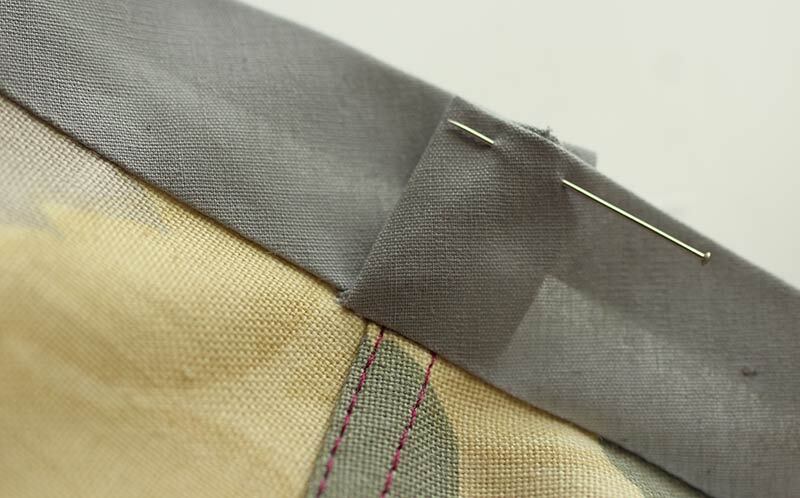
Proper preparation of your fabric is a crucial step before embarking on sewing on the bias. This phase ensures that your cuts are accurate, your fabric behaves predictably, and the final garment drapes beautifully. Meticulous preparation minimizes frustration and maximizes the success of your bias-cut projects.Understanding the grainline is fundamental to working with fabric. The grainline refers to the direction of the threads woven into the fabric.
The lengthwise grain runs parallel to the selvage (the finished edge of the fabric), and the crosswise grain runs perpendicular to it. The bias grain, however, runs at a 45-degree angle to both the lengthwise and crosswise grains. This diagonal orientation is what gives bias-cut fabric its characteristic stretch and drape.
Identifying and Marking the Bias Grain
Accurately identifying and marking the bias grain is paramount for successful bias sewing. This process allows you to precisely cut your fabric, ensuring the intended drape and stretch are achieved. Without clear markings, your bias cuts can be inconsistent, leading to uneven hemlines and a distorted garment.To accurately identify the bias grain, begin by locating the selvages of your fabric.
- Fold the fabric diagonally, bringing one selvage edge to meet the opposite lengthwise grain edge. This creates a sharp fold line that represents the true bias grain.
- Alternatively, you can measure and mark a 45-degree angle from the selvage. Use a ruler and tailor’s chalk or a fabric marker to draw a line along this angle.
- For larger pieces or when precision is critical, you can use a rotary cutter and mat. Align the ruler at a 45-degree angle to the selvage and cut along the marked line.
When marking, it’s helpful to mark multiple points along the length of the fabric to ensure a consistent bias line. This also helps in visualizing the diagonal direction.
Cutting Fabric Precisely Along the Bias Line
Cutting fabric precisely along the marked bias line is essential for achieving the desired drape and fit. A clean, accurate cut ensures that the fabric’s bias stretch is utilized effectively, preventing distortions in the finished garment.For accurate cutting, consider the following techniques:
- Using Sharp Tools: Always use a very sharp pair of fabric scissors or a rotary cutter. A dull blade can snag the fabric and result in a jagged edge, which will affect the drape.
- Stabilizing the Fabric: Bias-cut fabric can be prone to stretching out of shape as you handle it. To minimize this, consider pinning the fabric securely to a cutting mat or a large table before cutting.
- Cutting in One Motion: When using scissors, try to cut in a smooth, continuous motion along the marked line. Avoid making small, jerky cuts, as this can lead to an uneven edge.
- Rotary Cutter and Mat: For very precise cuts, a rotary cutter and self-healing mat are highly recommended. They allow for clean, straight cuts with minimal fabric distortion. Ensure your ruler is placed firmly on the fabric and the rotary cutter glides smoothly along the edge of the ruler.
It is often beneficial to cut multiple bias pieces at once if your pattern requires it. This ensures that all pieces are cut from the same section of the fabric, maintaining consistency.
Pressing Fabric After Cutting on the Bias
Pressing fabric after it has been cut on the bias requires a gentle approach to prevent stretching or distortion. The diagonal grain is more susceptible to manipulation than the straight grain, so careful pressing is key to maintaining the integrity of your cut pieces.Follow these guidelines for effective pressing:
- Use Low to Medium Heat: Start with a lower heat setting on your iron and gradually increase it if necessary, depending on the fabric type. High heat can cause some fabrics to stretch or scorch.
- Press, Don’t Iron: Instead of the typical back-and-forth ironing motion, use a “pressing” technique. Lift the iron and place it down on the fabric, then lift it again. This action prevents the fabric from being dragged and stretched.
- Press Seams with Caution: When pressing seams that have been sewn on the bias, press them flat first before pressing them open or to one side. Always use a pressing cloth for delicate fabrics.
- Support the Fabric: As you press, support the fabric with your free hand, ensuring it doesn’t pull or sag. This is particularly important for larger bias-cut pieces.
Consider using a pressing ham or sleeve board for curved bias-cut areas to help maintain their shape during pressing.
The Importance of Pre-washing Fabric Before Cutting on the Bias
Pre-washing fabric before cutting on the bias is a critical step that significantly impacts the final outcome of your garment. Unwashed fabrics can contain sizing agents, dyes, and finishes that can shrink or bleed when washed later, leading to distorted seams, uneven hemlines, and color inconsistencies.Pre-washing addresses several important aspects:
- Shrinkage Control: Fabrics, especially natural fibers like cotton and linen, will shrink when first washed. By pre-washing, you allow the fabric to shrink to its final size before you cut and sew. This prevents your finished garment from shrinking unexpectedly after you’ve put in all the effort.
- Colorfastness Testing: Pre-washing helps to reveal any excess dye that might bleed. If the water becomes heavily discolored, you know the fabric is not colorfast and may require separate washing or careful handling to avoid staining other parts of the garment or other laundry items.
- Removing Sizing and Finishes: Many fabrics are treated with sizing agents to make them stiffer and easier to handle during manufacturing and retail. These finishes can affect the drape and feel of the fabric. Pre-washing removes these, allowing the fabric to achieve its natural softness and drape, which is particularly important for bias-cut garments where drape is paramount.
- Testing Fabric Behavior: Pre-washing also gives you an opportunity to observe how the fabric behaves when wet. Some fabrics may become more delicate or prone to stretching when wet, providing valuable insight for handling them during the cutting and sewing process.
Always wash your fabric in the same manner you intend to wash the finished garment. For instance, if the garment will be hand-washed, hand-wash the fabric. If it will be machine-washed on a delicate cycle, do the same. This ensures that the fabric’s final state accurately reflects its intended care.
Sewing Techniques for Bias Edges
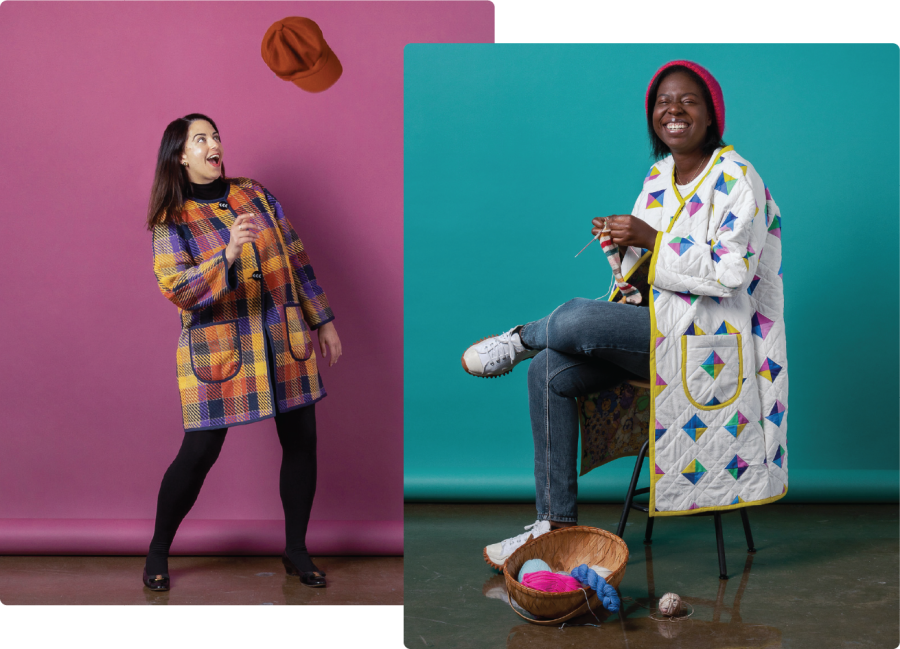
Working with fabric cut on the bias presents unique challenges and opportunities. The inherent stretch of bias-cut fabric requires specific sewing techniques to maintain its drape and prevent distortion. Mastering these methods will allow you to create beautifully finished garments and accessories that showcase the fluid nature of bias.This section will delve into practical techniques for handling bias edges, from elegant hemming to robust seam finishing.
We will explore methods that respect the fabric’s stretch while ensuring a professional and durable result.
Hemming Fabric Cut on the Bias
Hemming bias-cut fabric requires careful attention to prevent stretching and puckering. The goal is to create a hem that lies flat and complements the fabric’s drape without pulling or distorting the edge. Two common and effective methods are the narrow hem and the rolled hem.
Narrow Hem
A narrow hem is an excellent choice for lightweight to medium-weight fabrics cut on the bias. It provides a clean, delicate finish that doesn’t add bulk.
- First, press the raw edge of the fabric under by approximately 1/4 inch (0.6 cm). Ensure the fold is even and follows the grain of the bias.
- Press the folded edge again, this time turning it under another 1/4 inch (0.6 cm) to enclose the raw edge completely. You will now have a double-fold hem.
- Stitch close to the inner folded edge, removing pins as you sew to avoid stretching. Use a fine needle and a slightly shorter stitch length for a neat appearance.
- For added stability and a crisp finish, you can gently press the completed hem.
Rolled Hem
The rolled hem is ideal for very fine or sheer fabrics, such as silk chiffon or organza, where a narrow hem might still appear too bulky. This technique creates a tiny, neat roll along the edge.
- This hem can be achieved using a specialized rolled hem presser foot on your sewing machine. The foot guides the fabric into a small double fold as you sew.
- Alternatively, it can be done by hand. Fold the raw edge under by a scant 1/8 inch (0.3 cm), press, then fold under another scant 1/8 inch (0.3 cm). Stitch very close to the inner fold.
- A serger can also create a beautiful rolled hem, often with a decorative thread for an added touch.
Attaching Bias Tape to Finish Raw Edges
Bias tape is a versatile tool for finishing raw edges, especially curves, on bias-cut fabrics. It provides a clean, professional look and can also serve as a decorative element.
The process involves encasing the raw edge of the fabric within the folded bias tape.
- Prepare the Bias Tape: If using double-fold bias tape, open one of the folds.
- Align and Pin: Align the raw edge of your fabric with the raw edge of the unfolded bias tape, right sides together. Pin securely along the entire edge, easing the fabric to match the curve if necessary.
- Stitch: Sew along the crease of the bias tape, approximately 1/4 inch (0.6 cm) from the edge.
- Trim (if necessary): If the seam allowance is too wide or bulky, trim it down to about 1/8 inch (0.3 cm).
- Fold and Press: Turn the bias tape to the other side of the fabric. Fold the raw edge of the bias tape under by about 1/4 inch (0.6 cm) to create a clean fold. Press the entire bias tape over the raw edge of the fabric, ensuring it lies flat.
- Secure: Pin the folded bias tape in place. You can either hand-stitch the bias tape to the fabric for an invisible finish or machine-stitch close to the folded edge of the bias tape, catching both layers. For a more decorative look, you can topstitch along the edge of the bias tape on the right side of the fabric.
Sewing Curved Seams on the Bias
When sewing curved seams on fabric cut on the bias, preventing stretching and distortion is paramount. The bias grain is more susceptible to stretching than the straight grain, so gentle handling and precise techniques are essential.
- Use Plenty of Pins: Pin generously along the seam line to hold the fabric layers together and prevent shifting.
- Sew Slowly: Maintain a slow and steady sewing speed. This allows you to guide the fabric accurately and react to any potential stretching.
- Avoid Pulling or Stretching: Do not pull or push the fabric through the machine. Let the feed dogs do the work of moving the fabric. Guide it gently with your hands, keeping them slightly behind the presser foot.
- Stabilize with Interfacing: For very delicate or stretchy bias-cut fabrics, consider using a lightweight, fusible or sew-in interfacing along the seam line. This adds stability without significantly altering the fabric’s drape. Cut the interfacing on the straight grain and fuse or stitch it to the wrong side of one of the fabric pieces before sewing the seam.
- Understitch: After sewing a curved seam, understitching is highly recommended. This involves stitching through the seam allowance and the facing (or bias tape) close to the seam line, on the wrong side of the garment. This helps the seam allowance roll to the inside and keeps the seam line crisp.
Interfacing for Bias Cuts
Interfacing plays a crucial role in stabilizing bias-cut fabrics, particularly in areas that require structure or are prone to stretching, such as necklines, collars, cuffs, or even entire garment panels. Choosing the right type of interfacing is key to maintaining the desired drape.
Interfacing can be applied to the wrong side of the fabric to provide support without compromising the fluidity of the bias grain.
- Fusible Interfacing: This type is bonded to the fabric with heat from an iron. For bias cuts, opt for lightweight, stretchable fusible interfacings that will not create a stiff or boardy feel. Ensure the interfacing is cut on the grain that complements the fabric’s bias stretch.
- Sew-in Interfacing: This is stitched to the fabric. It offers more flexibility and is often preferred for very delicate or textured fabrics where fusing might be problematic. When sewing it in, use a fine needle and a slightly longer stitch length to minimize puckering.
- Application: When applying interfacing to bias-cut pieces, it is often beneficial to cut the interfacing on the straight grain, or even on the bias itself if more flexibility is needed. This helps to reinforce the area without restricting the natural drape of the bias. Always test the interfacing on a fabric scrap to ensure compatibility and desired results before applying it to your project.
Comparison of Seam Finishes for Bias Edges
Selecting the appropriate seam finish for bias-cut fabrics ensures both durability and aesthetic appeal. The goal is to create a neat edge that won’t fray excessively and complements the fabric’s inherent drape.
| Seam Finish | Description | Suitability for Bias Edges | Pros | Cons |
|---|---|---|---|---|
| Serged Seam | A professional finish created by a serger, encasing the raw edge with stitches. | Excellent for most fabrics, especially knits and wovens with a tendency to fray. | Durable, prevents fraying, fast to execute. | Can add some bulk, may not be suitable for very fine or delicate fabrics. |
| French Seam | A double-stitched seam where the raw edges are enclosed within the seam. | Ideal for lightweight to medium-weight fabrics, especially sheer or delicate ones where a clean, enclosed finish is desired. | Very neat and professional, completely encloses raw edges, no fraying visible. | Adds a slight bit of bulk, requires more time and precision. |
| Pinked Seam | The raw edges are cut with pinking shears, creating a zig-zag edge that reduces fraying. | Suitable for fabrics that fray moderately and do not require a highly durable finish. | Simple and quick, helps reduce fraying. | Less durable than other finishes, may still fray over time, not suitable for very fine fabrics. |
| Bound Seam | The raw edge is finished with a strip of bias tape or other binding material. | Excellent for curves and edges that will be visible, providing a decorative and durable finish. | Very durable, attractive finish, great for curves. | Can be more time-consuming than other methods, adds some bulk. |
| Clean Finish (Turned and Stitched) | The raw edge is turned under and stitched. | Works well for edges that will not experience significant stress and for fabrics that don’t fray excessively. | Relatively simple, creates a neat edge. | May not be sufficient for heavily fraying fabrics, can be challenging on tight curves. |
Handling Stretch and Distortion on the Bias
Working with fabric cut on the bias presents unique challenges, primarily due to its inherent stretch and tendency to distort. Understanding these characteristics and employing the right techniques will ensure your bias seams lie flat and your finished garment maintains its intended shape. This section focuses on identifying common issues and providing practical solutions for sewing bias edges smoothly.
Common Bias Fabric Issues
When sewing on the bias, fabric exhibits a greater degree of stretch and drape compared to when cut on the grain. This elasticity can lead to several common problems during the sewing process.
- Stretching: The most prevalent issue is unwanted stretching, where the fabric elongates beyond its original dimensions, particularly along the cut edge. This can occur from handling, gravity, or the pressure of the sewing machine.
- Distortion: Bias fabric can easily become distorted, meaning its shape is altered from the intended pattern piece. This can manifest as wavy edges or a general loss of form, making accurate sewing difficult.
- Puckering: As a result of stretching and distortion, seams sewn on the bias can pucker, creating an uneven and unprofessional finish.
- Uneven Seam Lines: The tendency for bias fabric to shift can make it challenging to maintain perfectly aligned seam lines, leading to visible inaccuracies.
Stabilizing Bias Edges
To counteract the tendency of bias fabric to stretch and distort, several methods can be employed to stabilize the edges before and during sewing. These techniques help maintain the fabric’s integrity and ensure accurate construction.
- Using Interfacing: Lightweight, fusible or sew-in interfacing can be applied to bias edges, particularly those that will receive significant stress, such as necklines or armholes. Choose an interfacing that complements the fabric’s weight and drape.
- Staystitching: This is a crucial technique where a row of stitching is placed just inside the seam allowance on bias edges, typically within 1/8 inch of the cut edge. Staystitching helps prevent the bias edge from stretching out of shape before it’s incorporated into a seam. It should be done with a shorter stitch length on your sewing machine.
- Basting: For particularly delicate or stretchy bias fabrics, hand basting the seams before machine sewing can provide extra stability. This allows you to carefully control the fabric and ensure it lies flat before committing to permanent stitching.
- Allowing Fabric to Rest: After cutting bias pieces, allowing them to hang for a period before sewing can help them settle and reduce some of the initial stretching that occurs from the cutting process.
Managing Curves and Preventing Puckering
Sewing curves on the bias requires a delicate touch and specific techniques to avoid puckering and achieve a smooth, professional finish. The inherent stretch of bias fabric means that curves are particularly susceptible to distortion.
- Gentle Handling: Always handle bias cut fabric gently. Avoid pulling or stretching the fabric as you guide it under the presser foot. Let the machine feed the fabric as much as possible.
- Accurate Seam Allowances: Maintain consistent and accurate seam allowances. When sewing curves, it can be helpful to mark your seam line with tailor’s chalk or a fabric pen to ensure you are following it precisely.
- Strategic Clipping: For outward curves, clipping the seam allowance at regular intervals allows the fabric to lie flat. For inward curves, making small notches (or wedges) in the seam allowance helps reduce bulk and prevent puckering.
- Pinning Carefully: Pin generously and perpendicular to the seam line, especially on curves. This helps to keep the layers aligned and prevents them from shifting as you sew.
The Role of the Sewing Machine’s Presser Foot
The presser foot plays a significant role in how bias fabric behaves under the needle. Different presser feet can offer varying degrees of control and support, influencing the outcome of your bias sewing.
- Standard Presser Foot: While a standard presser foot can be used, it’s important to adjust the presser foot pressure if your machine allows. Lowering the pressure can reduce the chance of the foot stretching the fabric as it feeds.
- Walking Foot: A walking foot, also known as an even-feed foot, is highly recommended for sewing bias fabrics, especially those with a lot of stretch. It has a built-in set of feed dogs that work in conjunction with the machine’s lower feed dogs, ensuring both layers of fabric are fed evenly and preventing one layer from stretching more than the other.
- Roller Foot: For very slippery or stretchy bias fabrics, a roller foot can provide excellent grip and smooth feeding, helping to control distortion.
- Edge Stitch Foot: An edge stitch foot can be useful for topstitching bias edges, helping to keep the stitching line consistently close to the edge.
Strategies for Easing Fabric on Bias Curves
Easing refers to the technique of gently gathering or stretching one piece of fabric to fit another, ensuring a smooth, wrinkle-free seam. When sewing bias curves, easing is often necessary to achieve a perfect fit without distortion.
- Gentle Stretching: On the outward curve, the fabric might need a very slight, gentle stretch to fit the inner curve. This should be done with extreme care, using only the natural drape and slight give of the bias fabric.
- Machine Basting: Before sewing the final seam, you can machine baste the curve with a slightly longer stitch length. This allows you to easily adjust the fabric and check for any potential puckering or pulling before committing to the permanent stitch.
- Pinning with Intent: When pinning bias curves, place pins to distribute any slight fullness evenly. You are not gathering, but rather subtly guiding the fabric into place.
- Working with the Fabric’s Nature: Understand that bias fabric has a natural drape. Allow this drape to work for you. Sometimes, a slight curve in the fabric as it feeds under the needle is intentional and helps the seam lie flat.
- Practice on Scraps: Before working on your final garment, practice easing on scraps of the same bias fabric. This will help you develop a feel for how much gentle manipulation the fabric can tolerate without stretching or distorting.
Applications of Bias Sewing in Garment Construction
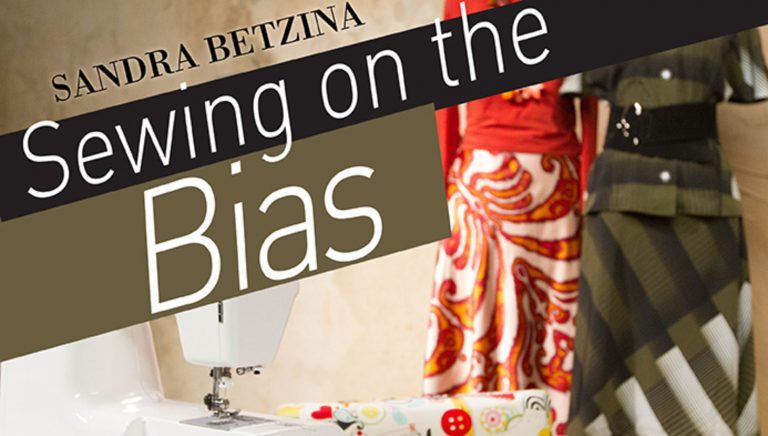
Understanding how to sew on the bias opens up a world of possibilities for creating garments with beautiful drape, flattering silhouettes, and unique decorative elements. The inherent stretch and fluidity of bias-cut fabric allow for designs that move and flow with the body in a way that straight-grain fabric simply cannot achieve. This section will explore the practical applications of bias sewing in garment construction, from foundational pieces to intricate embellishments.The magic of bias lies in its ability to create soft, flowing lines and elegant drapes that enhance the wearer’s form.
By cutting fabric at a 45-degree angle to the selvage, we manipulate its natural stretch, allowing it to yield and curve gracefully. This characteristic is particularly beneficial in garment design, where the goal is often to achieve a sophisticated and flattering aesthetic.
Bias Cuts for Flattering Drapes and Silhouettes
Garments cut on the bias possess a luxurious fluidity that drapes exceptionally well. This characteristic is leveraged to create designs that skim the body, emphasizing curves without being restrictive, and creating elegant folds and cascades of fabric. The gentle stretch of the bias allows the fabric to conform to the body’s natural shape, resulting in a more comfortable and visually appealing fit.
Garment Types Benefiting from Bias Construction
Several garment types are particularly well-suited to bias construction, allowing designers to maximize the fabric’s inherent properties. These include:
- Dresses: Bias-cut dresses are renowned for their elegant drape and ability to create a fluid, body-skimming silhouette. Think of classic slip dresses or flowing evening gowns where the fabric cascades beautifully. The bias allows the dress to hug the hips and then fall gracefully, creating a sophisticated and timeless look.
- Skirts: Bias-cut skirts, such as A-line or pencil skirts, offer a beautiful drape that can be both flattering and comfortable. A bias-cut A-line skirt will flare out more softly than a straight-grain version, while a bias-cut pencil skirt will have a subtle stretch that allows for ease of movement and a smoother fit over the hips.
- Tops and Blouses: While less common for everyday tops, bias cuts can be used for blouses and tops to create a more relaxed, draped effect, particularly in softer fabrics like silk or rayon. This can result in elegant cowl necks or softly gathered sleeves.
- Trousers: While more complex, some trousers, particularly wide-leg or palazzo styles, can benefit from bias cuts to achieve a flowing, ethereal quality.
Decorative Elements Utilizing Bias
Beyond the main construction of a garment, bias is an indispensable tool for creating beautiful and dynamic decorative elements. Its ability to curve and hold shape makes it ideal for adding texture and visual interest.
- Ruffles: Bias-cut strips of fabric are perfect for creating ruffles that have a soft, undulating edge rather than a stiff, flat one. When gathered or pleated, a bias strip will naturally form gentle waves, adding a romantic and voluminous effect to hemlines, cuffs, or necklines.
- Collars: Bias can be used to create curved collars that lie smoothly against the neck, such as Peter Pan collars or more dramatic, flowing styles. The bias allows the collar to curve around the neckline without pulling or puckering.
- Facings and Bindings: While not strictly decorative, bias facings and bindings are essential for finishing curved edges, like necklines and armholes, smoothly and professionally. A bias binding will hug a curve perfectly, preventing the dreaded “pucker” that can occur with straight-grain binding.
- Appliqué: Soft, pliable bias-cut shapes can be used for appliqué, creating elements that have a subtle dimension and a more organic feel than stiffly cut shapes.
Project: A Simple Bias-Bound Handkerchief Hem Skirt
This project is designed to highlight the elegance and ease of working with bias, particularly for finishing curved edges. It’s a beginner-friendly project that showcases the beautiful drape and decorative potential of bias binding.
Project Description
We will create a simple, flowy skirt with a handkerchief hem, where the uneven points of the hem are finished with a contrasting bias binding. This will create a dynamic, asymmetrical hemline that moves beautifully.
Materials Needed
- Lightweight to medium-weight fabric (e.g., rayon challis, silk, cotton lawn) for the skirt body. Choose a fabric with good drape.
- Contrasting bias tape (either pre-made or self-made from a coordinating fabric).
- Matching thread.
- Sewing machine.
- Iron and ironing board.
- Scissors or rotary cutter and mat.
- Pins.
- Measuring tape.
Instructions
- Determine Skirt Dimensions: Measure your waist and decide on the desired length of your skirt. For a handkerchief hem, you’ll want the skirt to be longer in some areas than others. A simple way to achieve this is to cut a large square or rectangle of fabric. The width of the fabric will determine the circumference of the skirt. For example, if you want a skirt with a 30-inch waist and a maximum length of 25 inches, you could cut a fabric piece that is 60 inches wide (to allow for gathering or pleating to fit the waist) and 30 inches long.
Then, you can create the handkerchief effect by cutting diagonal lines from the corners.
- Cut the Skirt Fabric: Cut your main fabric according to your determined dimensions. If you are creating a simple gathered skirt, you might cut a rectangle that is twice your waist measurement in width and your desired maximum length in height. For a handkerchief hem, you can then cut diagonal lines from the corners to create points. Alternatively, you can cut a large square and then cut it in half diagonally to create two triangular skirt panels, which will naturally create a handkerchief hem when sewn together at the side seams.
- Prepare the Hemline: Lay your skirt pieces flat. For the handkerchief hem, you will have points and lower sections. You will be binding all of these edges.
- Apply Bias Binding:
- Open up one fold of your bias tape. Align the raw edge of the bias tape with the raw edge of the skirt hemline. Pin in place, carefully easing the bias tape around curves and points. If you are using pre-made double-fold bias tape, you will typically align the fold edge of the tape with the raw edge of the fabric.
- Sew the bias tape to the skirt hem along the crease line of the bias tape, using a 1/4-inch to 3/8-inch seam allowance.
- Press the bias tape away from the skirt fabric.
- Fold the bias tape over to the wrong side of the skirt, enclosing the raw edge of the hem. Pin it in place.
- Topstitch the bias tape close to the folded edge on the right side of the skirt, catching the bias tape on the underside. This will create a clean, finished edge.
- Sew Side Seams (if applicable): If you have cut your fabric into panels, sew the side seams of the skirt together.
- Finish Waistband: You can finish the waistband with a simple casing for elastic, a drawstring, or by attaching a separate waistband.
The result will be a skirt with a visually interesting and dynamic hemline, showcasing the beautiful way bias binding can finish curves and points.
Tools and Notions for Bias Sewing
Working with fabric cut on the bias presents unique challenges and opportunities. To ensure success and achieve professional results, having the right tools and notions at your disposal is paramount. These aids help manage the fabric’s inherent stretch and drape, making the sewing process smoother and the finished garment more flattering.This section will guide you through the essential equipment that will become your allies when tackling bias sewing projects, from the fundamental tools to specialized notions that offer extra support and precision.
Essential Sewing Tools for Bias Fabric
Several standard sewing tools become particularly indispensable when working with bias-cut fabric due to its tendency to stretch and shift. Having these readily available will significantly improve your control and accuracy.
- Rotary Cutter and Cutting Mat: These are invaluable for precise cutting of bias grainlines. A sharp rotary cutter glides through fabric with minimal distortion, and a self-healing mat provides a stable surface, preventing slippage.
- Sharp Fabric Scissors: For smaller cuts or when a rotary cutter isn’t practical, a very sharp pair of fabric scissors is crucial. Dull blades can snag and stretch the bias threads, leading to uneven edges.
- Fine Sewing Pins: Use plenty of fine, sharp sewing pins to secure bias edges without distorting the fabric. Longer, thinner pins are often preferred as they penetrate the fabric with less resistance.
- Tailor’s Chalk or Water-Soluble Pen: For marking seam lines and darts on bias fabric, use marking tools that create fine lines and are easily removed. This prevents permanent marks that can be more visible on draped fabric.
- Seam Ripper: Mistakes can happen, and with bias fabric, careful unpicking is important to avoid further stretching. A good quality seam ripper is essential for clean corrections.
- Measuring Tape: A flexible measuring tape is vital for accurately measuring curves and bias lengths, ensuring that pattern pieces match correctly.
- Iron and Ironing Board: Pressing is critical when sewing on the bias. A good quality iron and a stable ironing board allow for precise pressing of seams, which helps to set the fabric and reduce distortion.
Sewing Machine Feet for Bias Sewing
Specific sewing machine feet can dramatically simplify the process of sewing on the bias, offering better control and guiding the fabric more effectively.
- Walking Foot: This is perhaps the most beneficial attachment for bias sewing. A walking foot feeds the top layer of fabric simultaneously with the bottom layer, preventing the layers from stretching or shifting independently, which is a common issue with bias cuts.
- Roller Foot: For very slippery or stretchy bias fabrics, a roller foot can be helpful. The rollers help to guide the fabric smoothly under the needle, reducing drag and potential distortion.
- Bias Tape Foot: While primarily used for attaching pre-made bias tape, some bias tape feet can be adapted or are designed to help guide fabric edges for neat finishing, which can be useful for stabilizing bias seams.
- Edge Stitch Foot: This foot has a small guide in the center that helps you sew a consistent distance from an edge. This is excellent for topstitching or edge finishing on bias seams where precision is key.
Needles and Thread for Bias Cuts
The choice of needles and thread plays a significant role in how bias-cut fabric behaves during sewing. Selecting the appropriate types can prevent skipped stitches, puckering, and fabric damage.
- Needles:
- Universal Needles: For most woven fabrics cut on the bias, a good quality universal needle in a size ranging from 70/10 to 80/12 is usually sufficient.
- Microtex/Sharp Needles: For very fine or tightly woven fabrics, a Microtex or sharp needle can provide a cleaner pierce, reducing the chance of snagging or pulling threads.
- Ballpoint/Jersey Needles: If you are working with knit fabrics cut on the bias, which have inherent stretch, a ballpoint or jersey needle is essential to avoid cutting the fibers and causing runs.
- Thread:
- All-Purpose Polyester Thread: This is a versatile and strong option for most bias sewing projects. It has a slight stretch that can accommodate the fabric’s movement.
- Silk Thread: For delicate fabrics like silk charmeuse cut on the bias, a fine silk thread can be an excellent choice as it blends well and has a beautiful sheen.
- Gutermann Gutermann Mara 70: This is a high-quality, fine polyester thread often recommended for delicate fabrics and bias cuts, providing strength without bulk.
Stabilizers and Interfacings for Bias Fabric
When working with bias-cut fabric, especially in areas that require more structure or to prevent stretching, stabilizers and interfacings are indispensable. They provide support and help maintain the intended shape.
- Lightweight Fusible Interfacing: For stabilizing necklines, armholes, or curved seams on bias-cut garments, a lightweight fusible interfacing can be applied to the wrong side of the fabric. It adds stability without significant bulk, helping to prevent stretching and distortion.
- Stay Tape: This is a non-woven, often iron-on tape used to stabilize curved seams that are prone to stretching, such as necklines or shoulder seams on bias-cut dresses. It is applied along the seam allowance.
- Tear-Away Stabilizer: While more common in machine embroidery, a tear-away stabilizer can be used temporarily underneath bias seams that are extremely prone to stretching. It is sewn with the fabric and then carefully torn away afterward. Use with caution on delicate fabrics.
- Grosgrain Ribbon or Twill Tape: For reinforcing areas like shoulder seams or waistbands on bias-cut garments, a thin strip of grosgrain ribbon or twill tape can be sewn into the seam allowance. This provides excellent strength and prevents stretching in high-stress areas.
- Water-Soluble Stabilizer: Similar to tear-away, this stabilizer dissolves in water. It can be useful for intricate bias details or areas where you need temporary support and easy removal without manual tearing.
Last Recap
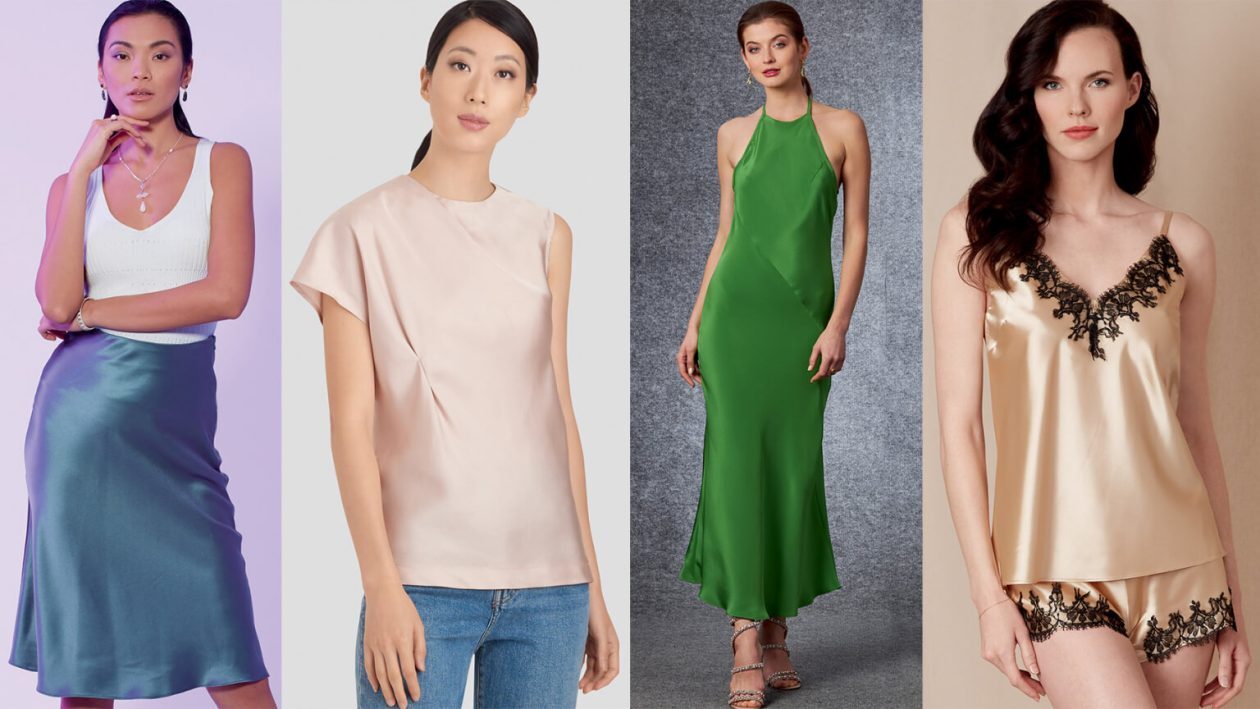
In conclusion, mastering the techniques of sewing on a fabric’s bias opens up a world of creative possibilities in garment construction. By understanding the nuances of fabric grain, embracing precise preparation, and employing specialized sewing methods, you can achieve professional-level results, creating garments that drape beautifully and possess an inherent elegance. Whether you are designing flowing skirts, intricate collars, or decorative ruffles, the skillful application of bias sewing will undoubtedly enhance the aesthetic appeal and wearability of your creations.