Embarking on the journey of sewing your own pajama pants from a pattern is a rewarding endeavor that combines creativity with practical skill. This comprehensive guide will walk you through every essential step, transforming a flat piece of fabric into comfortable and stylish sleepwear. Whether you are a beginner looking to master fundamental sewing techniques or an experienced crafter seeking to expand your repertoire, understanding the nuances of pattern interpretation, fabric selection, and precise construction is key to achieving professional-looking results.
We will explore the intricacies of pajama pant patterns, from deciphering their various components to selecting the perfect size for a comfortable fit. Essential sewing supplies, fabric choices, and the proper tools will be detailed to ensure you have everything needed for a smooth sewing experience. Furthermore, we will cover the crucial preparation stages, including fabric pre-washing and accurate pattern layout, before diving into the step-by-step construction process, from assembling the main seams to finishing the waistband and hems.
Understanding Pajama Pant Patterns
Navigating the world of sewing patterns can feel a bit daunting at first, but understanding the components of a pajama pant pattern is the first step to a successful and comfortable finished product. These patterns are designed to guide you through the process, from cutting your fabric to the final stitches, ensuring your handmade pajamas fit and feel just right.
We will explore the various types of patterns available, the typical pieces you’ll find, how to choose the correct size, and how to decipher the essential markings.Sewing patterns are essentially blueprints for your garment. For pajama pants, they are meticulously drafted to account for ease of movement, comfort, and the specific style of the pants. Whether you’re a beginner or an experienced sewist, taking the time to thoroughly understand your chosen pattern will prevent common mistakes and lead to a more professional-looking outcome.
Types of Pajama Pant Patterns
Pajama pant patterns come in a variety of styles, each offering a different aesthetic and level of comfort. Understanding these variations will help you select a pattern that aligns with your personal preferences and sewing skill level.
- Classic Pajama Pants: These are typically loose-fitting with a straight leg and an elastic waistband. They are a popular choice for their timeless comfort and ease of sewing, making them ideal for beginners.
- Lounge Pants: Similar to classic pajamas but often with a slightly more modern cut, lounge pants can feature wider legs, cuffed ankles, or drawstring waistbands. They are designed for relaxation and casual wear around the house.
- Shorts Pajamas: These patterns are for pajama shorts, which can range from very short to mid-thigh length. They often feature an elastic or drawstring waist and are perfect for warmer weather.
- Fitted Pajama Pants: For those who prefer a more tailored look, fitted pajama patterns offer a closer silhouette. These might include darts for shaping and a zipper closure, requiring a bit more precision in sewing.
Common Pattern Pieces for Pajama Pants
A standard pajama pant pattern will include several essential pieces that, when assembled, form the complete garment. Familiarizing yourself with these pieces before you begin cutting your fabric is crucial for efficient and accurate sewing.The pattern envelope will typically contain instructions on how to lay out these pieces on your fabric, along with cutting lines and grainlines. Each piece is designed to fit together in a specific way, so understanding their individual purpose is key.
- Front Leg: This piece forms the front portion of one pant leg. It usually includes a straight grainline indicating the direction to align it with the fabric’s lengthwise grain.
- Back Leg: This piece forms the back portion of one pant leg. It often has a slightly different shape than the front leg to accommodate the curve of the body.
- Waistband: This piece is cut separately and is typically attached to the top edge of the pant legs. It can be a simple elastic casing or a more structured waistband with a button or drawstring closure.
- Pockets: If your pattern includes pockets, there will be separate pattern pieces for the pocket bags and possibly pocket facings or welts.
- Cuffs: Some pajama pant styles include cuffs at the hem of the legs. These are separate pieces that are sewn to the bottom of the pant legs.
Selecting the Right Pajama Pant Pattern Size
Choosing the correct pattern size is paramount to achieving a well-fitting garment. Pattern sizing is not always the same as ready-to-wear clothing sizes, so it’s essential to take accurate body measurements and compare them to the pattern’s size chart.It is advisable to measure yourself in your undergarments for the most accurate results. Use a flexible measuring tape and ensure it is held parallel to the floor.
If you are between sizes, it is often recommended to size up, as it is easier to take in fabric than to add it.
| Body Measurement | Pattern Size (Example) |
|---|---|
| Waist Circumference | 28-30 inches (Size M) |
| Hip Circumference | 38-40 inches (Size M) |
| Inseam Length | 30 inches (Size M) |
The table above provides an illustrative example of how body measurements correspond to pattern sizes. Always refer to the specific size chart provided with your chosen pattern, as these can vary between manufacturers.
Interpreting Pattern Markings and Symbols
Sewing patterns are replete with markings and symbols that convey vital information for cutting and sewing. Understanding these elements is akin to learning a new language, one that will guide you accurately through the construction process.These markings are strategically placed on the pattern pieces to ensure precision. Familiarizing yourself with their meanings will prevent errors and lead to a more professional finish.
- Grainline: A long arrow, often with shorter lines at each end, indicating the direction to align the pattern piece with the lengthwise grain of the fabric. This is crucial for the fabric to hang correctly.
- Cutting Lines: These are the solid lines on the pattern piece that you will cut along. There may be different cutting lines for different sizes.
- Seam Lines: These are dashed or dotted lines that indicate where to sew the fabric pieces together. The distance between the seam line and the cutting line is the seam allowance.
- Notches: Small triangles or diamond shapes that are marked on the edges of pattern pieces. These are used to match corresponding pieces, ensuring they are aligned correctly during sewing. For instance, a notch on the front pant leg should match a notch on the front waistband piece.
- Dots and Squares: These are used as matching points for specific areas, such as the placement of pockets or the joining of darts.
- Fold Line: A solid line with arrows pointing outwards, indicating that the pattern piece should be placed on a fold of the fabric.
- Buttonholes and Button Placement: Symbols indicating the location and direction of buttonholes and where buttons should be sewn.
- Pleat and Dart Markings: Lines and symbols indicating where to fold and stitch pleats or darts for shaping.
The grainline ensures that your garment drapes and moves with your body, preventing twisting and ensuring a professional finish.
Essential Sewing Supplies and Tools
![Easy DIY Pajama Pants [No Pattern Needed] – Mary Martha Mama](https://solusikeren.web.id/wp-content/uploads/2025/09/3ab08850c86fed323ea0f6b9ec212cb2.jpg "Easy DIY Pajama Pants [No Pattern Needed] – Mary Martha Mama")
To successfully construct your pajama pants from a pattern, having the right sewing supplies and tools is paramount. These items not only make the process more efficient but also contribute to a professional and comfortable finished product. This section will guide you through the essential tools, fabric choices, and notions you’ll need.
Sewing Tools and Notions
A well-equipped sewing kit is the foundation of any successful sewing project. For pajama pants, the following tools and notions are indispensable for accurate cutting, precise stitching, and a neat finish.
- Sewing Machine: A functional sewing machine is crucial for creating strong and durable seams. Ensure it is in good working order and you are familiar with its basic operations.
- Fabric Scissors: Invest in a good quality pair of fabric scissors dedicated solely to cutting fabric. This will ensure clean, crisp cuts that are essential for accurate pattern pieces.
- Paper Scissors: Use a separate pair of scissors for cutting paper patterns to keep your fabric scissors sharp.
- Pins: A box of straight pins is needed to hold pattern pieces to fabric and to secure fabric layers together while sewing.
- Seam Ripper: Mistakes happen, and a seam ripper is your best friend for carefully removing stitches without damaging the fabric.
- Measuring Tape: A flexible measuring tape is essential for taking body measurements and for measuring fabric.
- Iron and Ironing Board: Pressing seams as you sew is a critical step for achieving a professional look and ensuring your garment lies flat.
- Thread Snips or Small Scissors: Useful for trimming threads close to the fabric after sewing.
- Marking Tools: Depending on your fabric, you might use chalk, tailor’s chalk, a washable fabric marker, or a pencil to transfer pattern markings onto the fabric.
- Hand Sewing Needles: While a sewing machine does the bulk of the work, hand sewing needles are useful for finishing touches, like tacking down waistbands or making minor adjustments.
Fabric Selection for Pajama Pants
The choice of fabric significantly impacts the comfort, drape, and feel of your pajama pants. For sleepwear, breathability, softness, and ease of care are primary considerations.
- Cotton: Cotton is a highly recommended fabric for pajama pants due to its natural breathability, softness, and absorbency. It’s also hypoallergenic and easy to care for. Varieties like quilting cotton offer a stable weave, while flannel cotton provides warmth and a cozy feel, making it ideal for cooler climates.
- Rayon/Viscose: These semi-synthetic fibers, derived from wood pulp, offer a silky smooth feel and excellent drape. They are breathable and can feel cool against the skin, making them a good choice for warmer weather or for those who prefer a more luxurious feel.
- Linen: Known for its exceptional breathability and durability, linen is a fantastic choice for summer pajamas. It has a slightly textured feel and a beautiful drape, though it can wrinkle easily.
- Silk: For a truly luxurious experience, silk is unparalleled. It’s incredibly soft, smooth, and has a beautiful sheen. However, silk can be more challenging to sew and requires delicate care.
- Blends: Cotton-polyester or cotton-spandex blends can offer the benefits of cotton with added durability, wrinkle resistance, or stretch, depending on the blend ratio.
Thread and Needle Compatibility
Using the correct thread and needle is crucial for achieving strong, neat seams and preventing fabric damage. The type of fabric you choose will dictate the best options.
Thread:
- All-Purpose Polyester Thread: This is the most common and versatile thread, suitable for most fabrics, including cotton, rayon, and blends. It is strong, durable, and comes in a vast array of colors.
- Cotton Thread: A good choice for 100% cotton fabrics, as it shares similar properties and can blend in seamlessly. It is generally not as strong as polyester.
- Silk Thread: Used for sewing silk or delicate fabrics, silk thread is fine and strong.
- Specialty Threads: For decorative purposes or specific fabric types, other threads like serger thread (for overlocking) or stretch thread (for knits) may be used.
Needles:
- Universal Needles: These are the most common type and are suitable for a wide range of fabrics, from lightweight cottons to medium-weight blends. They are a good starting point for most pajama pant projects.
- Sharps Needles: These have a sharper point and are excellent for woven fabrics like cotton, linen, and silk, allowing for precise stitching.
- Ballpoint Needles: These needles have a rounded tip that helps to push the fabric fibers apart rather than cutting them. They are essential for sewing knit fabrics, such as jersey or interlock, to prevent runs and skipped stitches.
- Microtex/Sharp Needles: Ideal for very fine, tightly woven fabrics like silk or microfiber, as their extremely sharp point penetrates the fabric cleanly.
When selecting a needle size, a general rule of thumb is to use finer needles for finer fabrics and coarser needles for heavier fabrics. For most pajama pants made from cotton or rayon, a Universal needle in sizes 70/10 to 80/12 is typically appropriate.
Seam Finishes for Comfort and Durability
The way you finish your seams significantly impacts the longevity and comfort of your pajama pants. Properly finished seams prevent fraying and create a smooth interior, preventing irritation against the skin.
- French Seams: This is an excellent choice for lightweight to medium-weight fabrics, especially those prone to fraying like rayon or some cottons. A French seam encloses the raw edges of the fabric within the seam itself, creating a clean and durable finish on both the inside and outside of the garment. It involves sewing the seam twice, with the wrong sides of the fabric together for the first pass, trimming, and then turning and sewing again with the right sides together.
- Serged Seams: If you have a serger (overlocker), this is a quick and effective way to finish seams. A serger trims the raw edge and stitches it with a three or four-thread stitch simultaneously, preventing fraying and creating a neat, professional edge. It’s suitable for a wide range of fabrics.
- Zigzag Stitch: For those without a serger, a zigzag stitch on a conventional sewing machine is a very effective alternative. Sew a narrow to medium-width zigzag stitch along the raw edge of each seam allowance. This stitch encases the raw edge and prevents it from unraveling. For added durability, you can sew the seam allowance flat first and then zigzag the raw edge.
- Pinking Shears: While not as durable as other methods, pinking shears can be used on fabrics that do not fray excessively, such as some knits or stable wovens. They create a zigzag edge that helps to reduce fraying, but it’s a less robust finish.
For pajama pants, comfort is key, so ensuring your seam finishes are flat and smooth against the skin is paramount. French seams and a well-executed zigzag stitch are particularly good for this.
Preparing the Pattern and Fabric
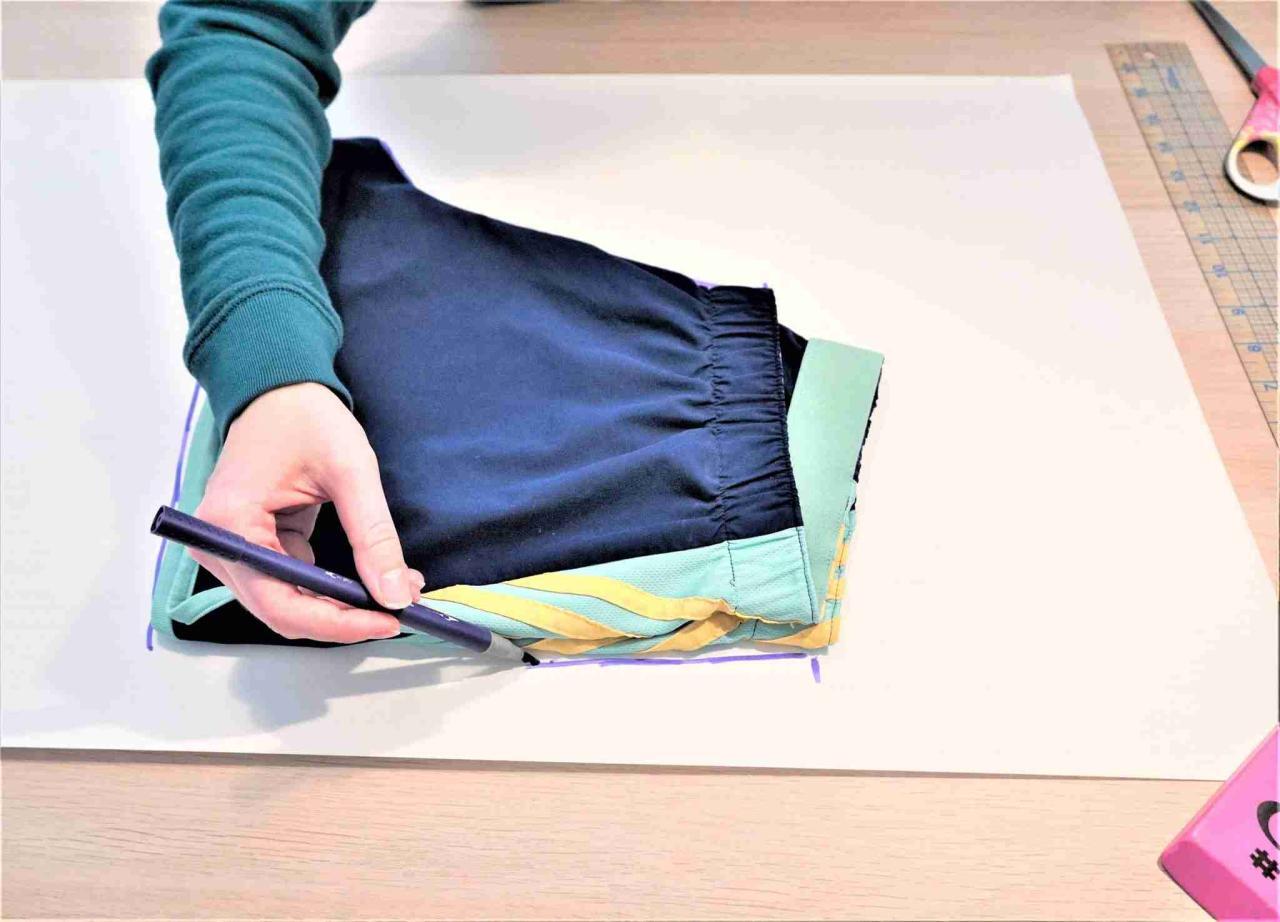
Before you can begin the exciting process of sewing your pajama pants, it’s crucial to properly prepare your pattern and fabric. This stage sets the foundation for a successful and well-fitting garment. Taking the time to accurately prepare these elements will prevent common sewing frustrations and ensure your finished pajama pants are comfortable and durable.This section will guide you through the essential steps of preparing your pattern pieces and fabric, ensuring precision and efficiency in your sewing project.
Pre-washing Fabric
Pre-washing your fabric is a non-negotiable step in garment sewing, especially for items like pajama pants that will be washed frequently. This process simulates the first wash the garment will experience, preventing issues like shrinkage or color bleeding after you’ve already cut and sewn your pieces. Different fabric types require different washing and drying methods, so it’s important to follow the manufacturer’s recommendations or general guidelines for your chosen material.The importance of pre-washing can be understood through several key points:
- Shrinkage Prevention: Many fabrics, particularly natural fibers like cotton and linen, will shrink when washed and dried. Pre-washing allows this shrinkage to occur before cutting, so your pattern pieces remain true to size and your finished garment fits as intended.
- Color Fastness: Dyes in fabric can sometimes bleed, especially during the first few washes. Pre-washing helps to set the dyes and remove any excess dye, preventing it from staining other parts of the garment or other items in the wash.
- Removing Manufacturing Residues: Fabrics are often treated with chemicals during the manufacturing process. Pre-washing helps to remove these residues, making the fabric softer and safer for skin contact, which is particularly important for sleepwear.
- Ensuring Consistent Texture: Some fabrics may change in texture after washing, becoming softer or developing a slightly different drape. Pre-washing allows you to experience this change beforehand, so you can adjust your expectations and sewing techniques accordingly.
Laying Out and Cutting Fabric
Accurate fabric layout and cutting are paramount for ensuring your pajama pants fit correctly and that all pattern pieces align as they should. The grainline marked on your pattern pieces must be parallel to the selvage edge of the fabric for the garment to hang and move properly. Incorrectly laid out fabric can lead to twisting, pulling, or an overall ill-fitting garment.The process of laying out and cutting fabric involves several critical steps:
- Iron Your Fabric: Before laying out your pattern, ensure your fabric is smooth and free of wrinkles. Use an iron set to the appropriate temperature for your fabric type.
- Fold Fabric According to Pattern Instructions: Most patterns will specify how to fold your fabric – either on the fold (meaning you only cut one edge of the pattern piece, and the fold of the fabric creates the other edge) or with the fabric flat. Pay close attention to these instructions. If folding, ensure the selvages are perfectly aligned.
- Place Pattern Pieces: Carefully arrange the pattern pieces on the fabric according to the layout diagram provided in your pattern instructions. Pay close attention to the grainline arrows on the pattern pieces. These arrows must be parallel to the selvage edge of the fabric. For pieces that require two, ensure you have enough space or that the diagram indicates cutting on a fold.
- Pin Pattern Pieces: Once you are satisfied with the placement, securely pin the pattern pieces to the fabric. Use plenty of pins to prevent shifting during cutting. Place pins perpendicular to the cutting line for easier removal.
- Cut Fabric: Using sharp fabric shears or a rotary cutter and mat, carefully cut along the cutting lines of each pattern piece. Take your time and make smooth, continuous cuts. If cutting on a fold, cut only the fabric edge, not the folded edge.
Transferring Pattern Markings
Pattern markings are vital instructions from the designer that guide you through the sewing process. These include notches, dots, squares, and fold lines, which are essential for accurately assembling the garment. Failing to transfer these markings correctly can lead to misaligned seams, incorrectly placed pockets, or improperly set sleeves, ultimately affecting the fit and appearance of your pajama pants.There are several reliable methods for transferring pattern markings to your fabric:
- Tailor’s Chalk or Disappearing Ink Pens: These are common tools for marking directly onto the fabric. Tailor’s chalk comes in various colors and can be brushed away or washed out. Disappearing ink pens mark with a temporary ink that fades over a specific period or can be removed with water. Always test these on a fabric scrap first to ensure they are suitable for your material and will not leave permanent marks.
- Tracing Wheel and Paper: This method involves using a tracing wheel (a small wheel with sharp teeth) and tracing paper. You place the tracing paper between the pattern and the fabric, then run the tracing wheel over the pattern markings. The wheel perforates the tracing paper and transfers the marking onto the fabric below. This is a very accurate method, especially for fine markings.
- Notching and Clipping: For notches, which are small triangular marks that help align seams, you can often make small snips into the seam allowance from the raw edge of the fabric. Ensure these snips are within the seam allowance and do not cut into the stitching line.
- Thread Tracing (Basting Stitches): For more permanent or detailed markings, you can use contrasting thread to create basting stitches that replicate the pattern markings. This method is particularly useful for markings that are not on the edge of the fabric, such as pocket placement lines.
Organizing Cut Fabric Pieces
After meticulously cutting your fabric, it’s essential to keep your pieces organized. This prevents confusion, ensures you don’t misplace any components, and streamlines the subsequent sewing steps. A well-organized workspace makes the entire process more enjoyable and less prone to errors.To maintain order and efficiency, consider the following organizational strategies:
- Keep Pieces Pinned: If you have the space, leaving the pattern pieces pinned to their corresponding fabric pieces can be a helpful visual reminder of what each piece is and its orientation.
- Stacking and Labeling: Carefully stack the cut fabric pieces in the order they will be used, or group them by garment section (e.g., front leg, back leg, waistband). You can use small sticky notes or clips to label each stack.
- Placing in Envelopes or Bags: For more complex projects or if you need to step away for a while, consider placing each set of cut pieces into a separate envelope or resealable bag. This protects the fabric and keeps everything together.
- Referencing the Pattern Envelope: The pattern envelope usually has a diagram showing how the pieces fit together. Keep this handy as a visual guide to ensure you have all necessary components and understand their relationships.
Step-by-Step Construction of Pajama Pants
Now that you have your pattern pieces prepared and your fabric ready, it’s time to bring your pajama pants to life through construction. This section will guide you through each essential step, from assembling the basic pant shape to adding those final finishing touches. We’ll cover sewing the seams, creating a comfortable waistband, hemming the legs, and even incorporating pockets for added functionality.The construction of your pajama pants involves a series of precise sewing steps.
Following these instructions carefully will ensure your finished garment is comfortable, durable, and looks professionally made. We will begin by creating the fundamental structure of the pants and then proceed to more detailed elements.
Assembling the Basic Pant Structure
The initial phase of constructing your pajama pants focuses on joining the main leg pieces to form the basic shape of the garment. This involves sewing the crotch seams, which are crucial for the fit and comfort of the pants.To begin, lay out your front and back pant pieces right sides together. Align the curved edges of the crotch seam on both the front and back pieces.
Pin these edges securely in place, ensuring that the raw edges are even.
You will then sew along this pinned crotch seam. For added durability, especially in areas that experience more stress, it is recommended to sew this seam twice. A standard stitch length of 2.5mm is generally suitable. After sewing, press the seam allowance open or to one side, depending on your preference and fabric type. This helps to reduce bulk and create a smoother finish.
Sewing the Inseam and Outseam
With the crotch seam complete, the next steps involve joining the remaining edges of the pant legs to form the inseam and outseam. This process creates the full length of each pant leg and connects them together.First, take one pant leg and fold it in half, right sides together, aligning the raw edges of the inseam. Pin this seam securely.
Sew along the pinned edge, creating the inseam of the pant leg. Repeat this process for the other pant leg.Next, you will join the two pant legs together. Lay one pant leg flat. Take the other pant leg and insert it inside the first pant leg, so that the right sides of both pant legs are facing each other. Align the raw edges of the remaining crotch seam and the inseams you just created.
Pin these edges together, ensuring that the seams of each leg meet precisely at the crotch.
Sew along this entire pinned edge, which encompasses the remainder of the crotch seam and the outseams of both legs. This single seam effectively joins the two pant legs and completes the basic structure of your pajama pants. As with the crotch seam, consider a double stitch for reinforcement. Press the seam allowances open.
Creating and Attaching a Waistband
A well-constructed waistband is essential for the comfort and proper fit of your pajama pants. There are several methods for creating a waistband, with the most common being a casing for elastic.To create an elastic casing, fold the top edge of the pant waist down towards the wrong side of the fabric by your desired casing width (typically 1 to 1.5 inches).
Press this fold firmly. Then, fold it down again by the same amount, encasing the raw edge of the fabric within the fold. This creates a channel for the elastic. Pin this folded edge in place.
Sew along the lower folded edge of the casing, close to the raw edge, leaving a small opening of about 1 to 2 inches. This opening will be used to insert the elastic. For a professional finish, you can sew a second line of stitching about 1/4 inch above the first line, reinforcing the casing.
Once the casing is sewn, you will need to cut a piece of elastic. The length of the elastic should be determined by measuring around your waist and subtracting about 2-3 inches for a snug but comfortable fit. Thread the elastic through the opening in the waistband casing using a safety pin or a bodkin. Overlap the ends of the elastic by about 1 inch and securely sew them together with a strong stitch, such as a zigzag stitch.
Finally, close the opening in the waistband casing by sewing the fabric edges together.
Hemming the Pant Legs
Hemming the pant legs provides a clean, finished edge and prevents the fabric from fraying. A double-fold hem is a common and durable method for achieving this.First, try on your pajama pants to determine the desired length. Mark the hemline with chalk or pins. Fold the raw edge of the pant leg up towards the wrong side of the fabric by about 1/2 inch.
Press this fold firmly. Then, fold the edge up again by about 1 inch, encasing the raw edge within the fold. Pin this double-folded hem in place all the way around the leg opening.
Sew along the upper folded edge of the hem, close to the folded edge. Use a stitch length appropriate for your fabric. For a neat finish, ensure your stitching is straight and consistent. You can also opt for a blind hem stitch for a virtually invisible hemline.
Adding Pockets
Many pajama pants patterns include pockets for added convenience. The placement and style of pockets can vary, but the general process involves preparing the pocket pieces and then attaching them to the pant fronts.If your pattern includes patch pockets, you will typically need to fold and press the top edge of each pocket piece to create a finished opening. Then, fold and press the remaining three raw edges under by your seam allowance.
Pin the pocket in its designated position on the pant front, ensuring it is centered and straight.
Sew around the three folded edges of the pocket, close to the edge, to secure it to the pant front. For a more secure pocket, you can reinforce the top corners with a small bar tack stitch. If your pattern has in-seam pockets, these are usually constructed as part of the side seams of the pants, requiring you to sew the pocket bags to the pant fronts and then join the side seams.
Always refer to your specific pattern instructions for the most accurate guidance on pocket placement and construction.
Advanced Techniques and Customizations
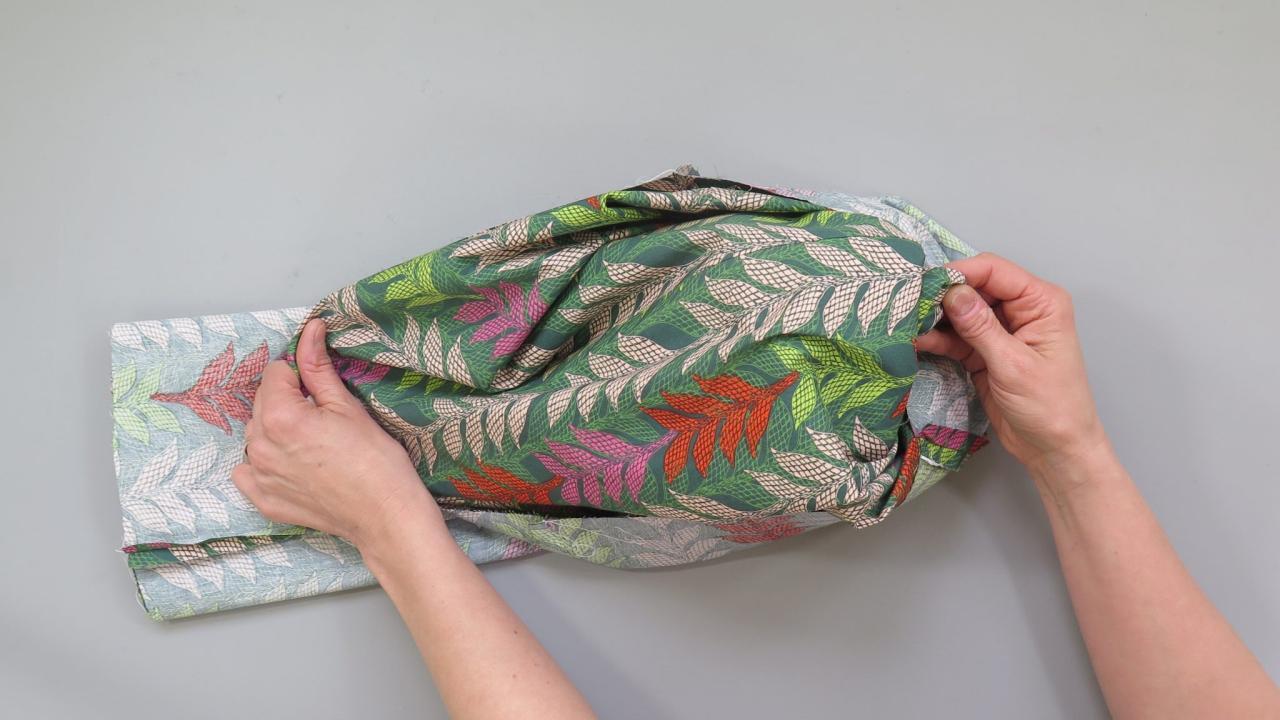
Once you’ve mastered the basic construction of your pajama pants, you’ll find that the possibilities for personalization are vast. This section will guide you through refining the fit, adding decorative elements, and exploring different closure options to create truly unique and comfortable sleepwear. These techniques will elevate your handmade pajama pants from simple garments to cherished pieces.
Pattern Piece Adjustments for a Perfect Fit
Achieving a comfortable and flattering fit is paramount for pajama pants. Minor adjustments to the pattern pieces before cutting can make a significant difference. It’s often beneficial to make a muslin or test garment from inexpensive fabric to check the fit before cutting into your final fabric.
Length Adjustments
The length of pajama pants can be adjusted at the hemline or by adding or removing fabric from the crotch seam.
- Hemline Adjustment: To shorten the pants, simply fold up the hem allowance to the desired length and press before cutting. To lengthen, you may need to add to the hem allowance if there is sufficient fabric.
- Rise Adjustment: For significant length changes or to adjust the rise (the distance from the crotch seam to the waistband), you can add or subtract from the crotch seam. For a higher rise, add length to the front and back crotch seams. For a lower rise, shorten these seams. Be sure to maintain the curve of the crotch seam.
Waist and Hip Adjustments
If your measurements differ significantly from the pattern’s suggested sizes at the waist or hips, you can make adjustments.
- Fullness Adjustment: To add or remove fullness in the hips or thighs, you can slash and spread or overlap the pattern pieces vertically. For example, to add fullness to the thigh, make a vertical cut from the hem up towards the crotch, spread the cut open, and tape it in place.
- Waistband Adjustment: The waistband can be adjusted by shortening or lengthening the elastic casing or by altering the waistband piece itself if it’s a separate pattern piece.
Creative Embellishment Ideas
Personalizing your pajama pants with embellishments can transform them into stylish loungewear. Consider these creative approaches to add flair and personality.
- Appliqué: Cut out shapes from contrasting fabrics (e.g., stars, moons, animals) and appliqué them onto the pant legs or pockets. Use a satin stitch or a zigzag stitch to secure the edges.
- Embroidery: Add embroidered details, such as monograms, small motifs, or decorative stitches, along the hem, side seams, or pockets.
- Lace or Ribbon Trim: Sew lace or ribbon along the hemline, down the side seams, or around pockets for a touch of elegance. Ensure the trim is securely attached and doesn’t cause irritation when worn.
- Fabric Paint or Stencils: Use fabric paints to create custom designs or use stencils for a crisp, graphic look. Allow the paint to dry completely and heat-set according to the manufacturer’s instructions.
Incorporating Different Closure Types
While an elastic waistband is common for pajama pants, exploring other closure methods can enhance both style and functionality.
Drawstring Waistband
A drawstring offers adjustable comfort and a classic look.
- Prepare the waistband casing as usual.
- Instead of inserting elastic, create a channel for a drawstring. This can be done by folding the top edge of the waistband down twice to create a tunnel, leaving an opening at the center front or side seam to insert the drawstring.
- Thread a cord, ribbon, or fabric strip through the casing using a safety pin or bodkin.
- Tie the ends of the drawstring into a bow or knot.
Elastic Variations
Beyond a single elastic band, you can incorporate different elastic styles for varied effects.
- Wide Elastic Waistband: Using a wider elastic (e.g., 1.5 to 2 inches) can provide a more secure and comfortable fit, especially for heavier fabrics. This is often inserted into a wider casing.
- Fold-Over Elastic: This type of elastic has a finished edge and is designed to be folded over the raw edge of the fabric and stitched in place. It creates a smooth, flat waistband.
- Shirring: Shirring uses elastic thread in the bobbin to create a gathered, stretchy waistband. This technique requires careful tension adjustment on your sewing machine.
Sewing Pajama Pants with Contrasting Fabrics or Trims
Combining different fabrics or trims adds visual interest and allows for creative expression. A well-executed contrast can make your pajama pants truly stand out.
Design Plan for Contrasting Fabrics
When planning a design with contrasting fabrics, consider how the colors, textures, and patterns will work together.
- Color Blocking: Use contrasting colors for different sections of the pants, such as a solid color for the main body and a different color for the pockets or cuffs.
- Pattern Mixing: Pair a subtle pattern on the main fabric with a bolder pattern on accents like the waistband or cuffs. Ensure the scales of the patterns are complementary.
- Texture Contrast: Combine a smooth fabric with a textured one, such as a soft flannel with a silky satin trim.
Incorporating Contrasting Trims
Trims offer a simpler way to introduce contrast and can be applied strategically.
- Hem Trims: Add a band of contrasting fabric or a decorative trim to the hem of the pant legs.
- Pocket Accents: Use a contrasting fabric for the pocket lining or to create a decorative welt on the pocket opening.
- Side Seam Details: Insert a strip of contrasting fabric or a decorative ribbon along the side seams.
- Waistband Banding: Create a wider waistband using a contrasting fabric for a bold statement.
When sewing with contrasting fabrics or trims, pay close attention to seam finishes and pressing to ensure a professional and durable result. Consider using French seams or flat-felled seams for a clean finish on the inside, especially if the contrasting fabric is delicate or prone to fraying.
Troubleshooting Common Sewing Issues
Even with careful preparation, sewing projects can sometimes present unexpected challenges. Understanding how to identify and resolve common issues will not only save you time and frustration but also lead to a more polished and professional-looking final product. This section addresses some of the most frequent problems encountered when sewing pajama pants and provides practical solutions.
Fabric Bunching or Puckering During Sewing
Fabric bunching or puckering is a common frustration that can make seams look messy and unprofessional. This issue typically arises from a tension imbalance between the upper thread and the bobbin thread, or from using the wrong needle or thread for the fabric.To address fabric bunching, first ensure your sewing machine’s upper thread tension is correctly set. Consult your machine’s manual for specific instructions on adjusting tension.
Often, a slightly looser upper tension or a tighter bobbin tension can resolve puckering. Additionally, using the correct needle size and type for your fabric is crucial. A universal needle is suitable for most fabrics, but for delicate materials like silk or knits, a sharp or ballpoint needle, respectively, is recommended. Ensure your thread is of good quality and appropriate for your fabric.
Uneven Seams or Skipped Stitches
Uneven seams or skipped stitches can significantly detract from the appearance and durability of your pajama pants. This often stems from issues with the sewing machine’s stitch formation, needle, or thread.To fix uneven seams, re-thread both the upper thread and the bobbin, ensuring the thread is properly seated in all guides and tension discs. A common cause of skipped stitches is a bent or dull needle.
Replace the needle with a new, sharp one of the appropriate size for your fabric. If the problem persists, check that the bobbin is inserted correctly and that the bobbin case is clean and free of lint. For consistent stitch length, ensure you are guiding the fabric evenly and not pulling or pushing it through the machine.
Fabric Fraying and Prevention
Fabric fraying occurs when the cut edges of fabric unravel, creating loose threads. This can happen during cutting, handling, or sewing, and can lead to a less tidy finish.To prevent fabric fraying, the most effective method is to properly finish the seam allowances. Several techniques can be employed:
- Serging or Overlocking: Using a serger or the overlock stitch on your sewing machine will create a neat, professional edge that encloses the raw fibers.
- Zigzag Stitch: A close zigzag stitch along the raw edge of the seam allowance can prevent fraying. Ensure the stitch width is wide enough to catch the edge of the fabric.
- Pinked Edges: For fabrics that fray minimally, using pinking shears to cut the seam allowance edges can offer a decorative and functional solution.
- French Seams: This technique encloses the raw edges within the seam itself, creating a very clean and durable finish, especially suitable for lightweight fabrics.
When cutting your pattern pieces, always use sharp fabric scissors or a rotary cutter to achieve clean, precise edges that are less prone to fraying.
Last Word
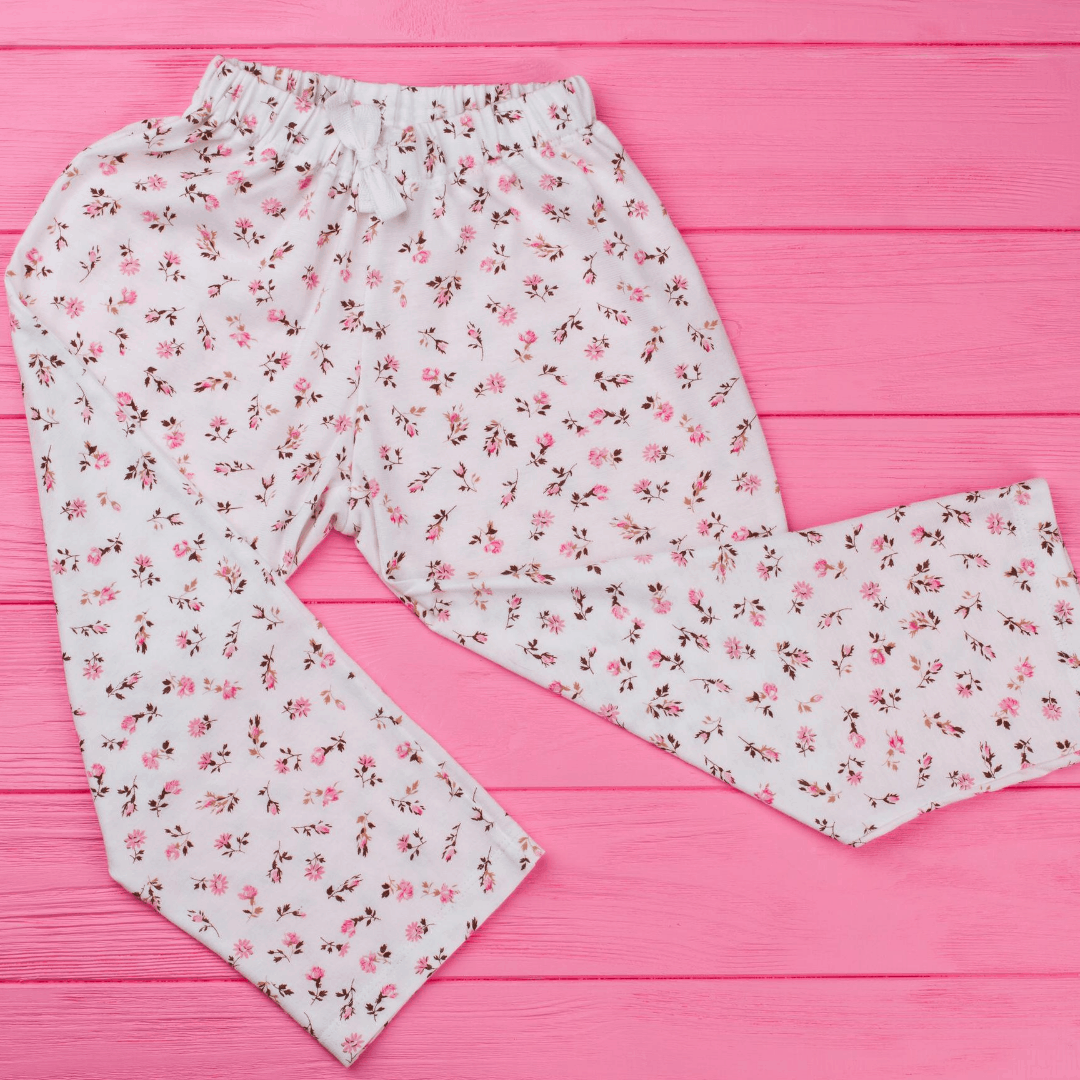
Successfully sewing pajama pants from a pattern is an achievable and enjoyable project that offers a wonderful sense of accomplishment. By following the Artikeld steps, from understanding pattern markings to troubleshooting common issues, you will gain the confidence and skills to create perfectly fitting and beautifully finished pajama pants. This process not only equips you with a valuable sewing skill but also allows for endless customization, enabling you to craft unique loungewear that truly reflects your personal style.
We encourage you to embrace the creativity and precision involved, and enjoy the comfort and satisfaction of wearing your handmade creations.