Embarking on a sewing journey begins with a fundamental skill: mastering how to thread your sewing machine. This comprehensive guide will walk you through each essential step, transforming what might seem daunting into a straightforward and rewarding process. We’ll explore the intricacies of your machine’s components and the precise path the thread must take, ensuring you’re well-prepared for successful stitching.
Understanding the mechanics of your sewing machine is the first crucial step. From identifying the needle, upper thread, and bobbin to recognizing the function of tension discs, each element plays a vital role. We will clarify the general thread path and briefly touch upon variations across common sewing machine types, setting a solid foundation before we delve into the practical aspects of threading.
Understanding the Sewing Machine Basics
Before embarking on the journey of threading a sewing machine, a foundational understanding of its key components is essential. Familiarizing yourself with these parts will make the threading process intuitive and less prone to errors, ensuring a smoother sewing experience. This section will guide you through the primary elements that interact with the thread.Sewing machines, while varying in complexity and features, share fundamental components that are critical for their operation.
The efficient passage of thread through these parts dictates the quality of your stitches. Let’s delve into the roles of the needle, upper thread, bobbin, and tension discs, and trace the typical path the thread takes.
Primary Sewing Machine Components for Threading
The effective threading of a sewing machine relies on understanding how several key parts work in concert. Each component plays a specific role in guiding and controlling the thread to create a stitch.
- Needle: This is the sharp, pointed metal shaft that pierces the fabric. It carries the upper thread down through the fabric to interlock with the bobbin thread. Needles come in various sizes and types for different fabrics and threads.
- Upper Thread Spool Pin: This is where the spool of thread is placed. It is typically located at the top or back of the machine.
- Thread Guides: These are small hooks, loops, or slots strategically placed along the path of the upper thread. They help to direct the thread smoothly from the spool to the needle, ensuring it doesn’t snag or tangle.
- Tension Discs: These are two metal discs positioned close together, usually with a lever or knob to adjust the pressure between them. As the thread passes through these discs, the tension is regulated, which is crucial for balanced stitches.
- Take-up Lever: This arm moves up and down, guiding the upper thread and ensuring it is properly fed into the stitch. It plays a vital role in creating consistent stitch formation.
- Bobbin: A small spool that holds the lower thread. It is housed in a bobbin case, typically located underneath the needle plate.
- Bobbin Case/Winder: The bobbin case holds the bobbin in place, and the bobbin winder is used to fill the bobbin with thread from the spool.
- Needle Plate (Throat Plate): The metal plate beneath the needle. It has a small opening for the needle to pass through and often contains guidelines for seam allowances.
Function of Key Threading Components
Each component involved in threading has a specific purpose that contributes to the formation of a strong and even stitch. Understanding these functions helps in troubleshooting and achieving optimal sewing results.The needle’s primary function is to create a passage for the thread. The upper thread, originating from the spool, is meticulously guided through a series of mechanisms designed to control its tension and delivery.
The bobbin, carrying the lower thread, is equally critical, as it works in tandem with the upper thread to form the stitch. The tension discs are paramount in regulating the tightness of the upper thread, ensuring it complements the bobbin thread without being too loose or too tight.
The General Thread Path
The path the thread takes from the spool to the needle is a carefully orchestrated sequence. While specific machines may have minor variations, the general route is consistent across most models.The upper thread begins at the spool, which is placed on the spool pin. From there, it is guided through a series of thread guides, often including a small hook or loop near the top of the machine.
Next, it passes through the tension discs, where its tightness is adjusted. Following the tension discs, the thread is typically threaded through the take-up lever, which moves up and down as the machine operates. It then proceeds through more thread guides, often a wire loop or eyelet, before finally being threaded through the eye of the needle from front to back or side to side, depending on the needle’s orientation.
The bobbin, wound with thread, is inserted into its case, and this assembly is placed into the bobbin compartment. The bobbin thread is then brought up to meet the upper thread.
Common Sewing Machine Types and Threading Variations
While the fundamental principles of threading remain consistent, different types of sewing machines may present slight variations in their threading paths or the location of certain components. Awareness of these differences can prevent confusion.
- Mechanical Sewing Machines: These are the most common and often the simplest to thread. They typically have clearly marked thread guides and a straightforward path.
- Electronic Sewing Machines: Similar to mechanical machines, but may have additional digital displays or automated features that don’t significantly alter the basic threading path.
- Sergers (Overlock Machines): These machines are significantly different as they use multiple threads (usually 3-5) to create an overlock stitch, which trims and finishes the fabric edge simultaneously. Threading a serger is considerably more complex, involving many more thread guides, spools, and differential feed adjustments. The thread path is much longer and requires careful attention to each thread’s route.
- Embroidery Machines: While primarily designed for decorative stitching, their basic threading mechanism for creating a stitch is similar to standard sewing machines, though they may have specific guides for embroidery threads which can be thicker or have a different sheen.
For example, a mechanical machine might have a simple numbered diagram on its exterior showing the thread path, whereas a serger will have a more intricate diagram with multiple colored thread lines to follow. Always refer to your machine’s manual for the most accurate threading instructions specific to your model.
Preparing for Threading
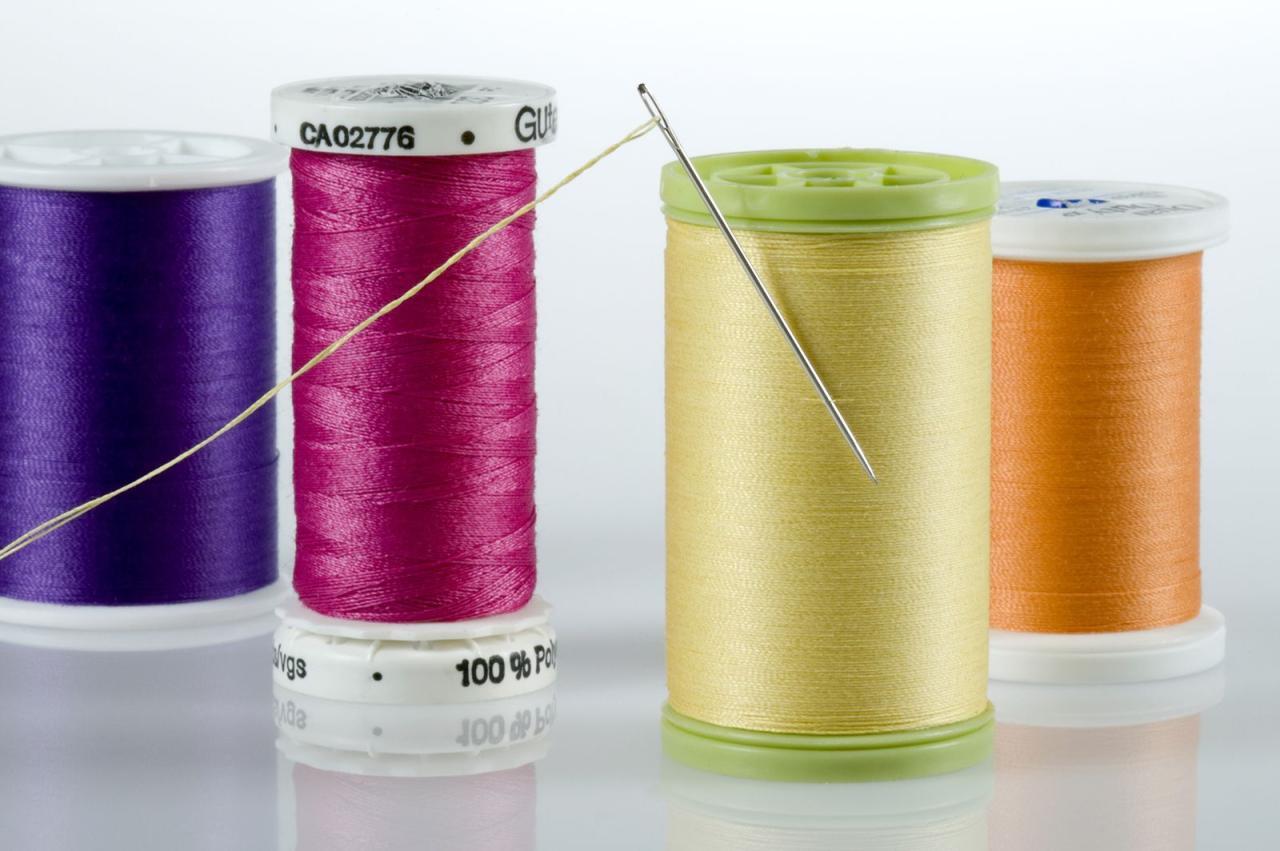
Before you begin the process of threading your sewing machine, a few preparatory steps will ensure a smooth and successful experience. Taking a moment to gather your materials and understand the machine’s current state will prevent frustration and potential errors. This section Artikels the essential actions to undertake to set yourself up for effective threading.
Essential Pre-Threading Steps
Proper preparation is key to accurate and efficient sewing machine threading. These initial actions ensure that your machine is ready to accept the thread and that you have everything you need at hand.
Checklist of Necessary Items
Having all your required items organized before you start threading will streamline the process. This checklist includes the fundamental tools and resources that every sewer should have readily available.
- Sewing Machine Manual: This is your primary reference guide, containing specific instructions tailored to your model.
- Thread: Ensure you have the correct type and color of thread for your project.
- Scissors or Thread Snips: A sharp pair is essential for cutting the thread cleanly.
- Machine Needles: While not directly used for threading, having a spare needle can be helpful if you encounter issues.
Spool of Thread Placement
The orientation of the spool of thread on your sewing machine’s spool pin is crucial for proper tension and smooth feeding. Incorrect placement can lead to tangles and uneven stitches.
Most sewing machines have a vertical spool pin. The spool of thread should be placed on this pin with the thread unwinding from the top or the side, depending on your machine’s design and the thread’s cone shape. Consult your manual for the recommended orientation, as some threads unwind better from one direction than another.
Importance of Raising the Presser Foot
The presser foot plays a vital role in guiding the fabric as you sew. Its position during threading significantly impacts how the thread moves through the machine’s tension discs and guides.
It is imperative to raise the presser foot before threading your sewing machine. When the presser foot is in the lowered position, the tension discs are engaged, gripping the thread tightly. This makes it difficult, if not impossible, for the thread to pass correctly through the tension mechanism. Raising the presser foot opens these discs, allowing the thread to be easily guided through the appropriate path, ensuring proper tension control from the outset.
Raising the presser foot before threading allows the tension discs to open, facilitating the smooth passage of thread through the machine.
Threading the Upper Thread System
Now that you have a foundational understanding of your sewing machine and have prepared it for threading, we will focus on the crucial step of threading the upper thread system. This process ensures that the thread is correctly guided through the machine to create stitches. Proper threading is essential for smooth sewing and preventing common issues like skipped stitches or thread breakage.The upper thread system guides the thread from the spool, through various tension and guide points, and down to the needle.
Each component plays a specific role in delivering the thread evenly and with the appropriate tension. Following these steps meticulously will set you up for successful stitching.
Guiding the Thread Through the Upper Path
The journey of the upper thread begins at the spool pin and continues through a series of guides and tension mechanisms. It is vital to follow the designated path precisely as indicated by your sewing machine’s manual, often marked with numbers or arrows on the machine itself.Here are the typical steps for guiding the thread through the upper path:
- Place the spool of thread onto the spool pin. Ensure it is seated securely and unwinds smoothly.
- Guide the thread through the first thread guide, usually located near the spool pin.
- Follow the path to the thread stand or take-up arm thread guide, if applicable to your machine.
- Direct the thread down towards the tension discs.
- Pass the thread through the tension discs, ensuring it is firmly seated between them. This is a critical step for controlling stitch tension.
- Continue guiding the thread through any additional guides or levers as indicated by your machine’s markings.
- Thread the thread through the thread take-up lever. This lever moves up and down, feeding the thread to the needle.
- Finally, guide the thread down through the remaining guides towards the needle clamp and then through the eye of the needle.
Engaging the Tension Discs
The tension discs are responsible for applying the correct amount of resistance to the thread, which directly impacts the balance and appearance of your stitches. If the thread is not properly seated between the discs, the tension will be too loose or too tight.To ensure correct engagement with the tension discs:
- Locate the tension dial, typically found on the front or top of the machine.
- Before threading, turn the dial to a lower number, usually around 0-2, to release the pressure on the discs. This makes it easier to slide the thread between them.
- Gently pull the thread from the spool and guide it down into the slot between the tension discs. You should feel a slight resistance as it passes through.
- Lift the presser foot. This action opens the tension discs, creating a wider gap for the thread to enter.
- With the presser foot up, ensure the thread is fully seated in the groove of the upper disc and rests against the lower disc.
- Once the thread is correctly positioned, turn the tension dial back up to the desired setting for your fabric. For general sewing on cotton, a setting between 3 and 5 is often a good starting point.
The correct seating of the thread between the tension discs is paramount for balanced stitches. If the thread is not fully engaged, the tension will be compromised, leading to uneven or weak seams.
Threading the Take-Up Lever
The take-up lever is a crucial component that moves vertically, drawing thread from the spool and feeding it to the needle. It plays a vital role in the formation of each stitch.To properly thread the take-up lever:
- Ensure the take-up lever is in its highest position. This is often achieved by turning the handwheel towards you until the lever reaches its peak.
- Guide the thread from the tension discs towards the take-up lever.
- Pass the thread through the eyelet or hook on the take-up lever. Make sure the thread goes through the lever from front to back or as indicated by your machine’s diagram.
- After passing through the take-up lever, continue guiding the thread downwards towards the needle.
Ensuring Proper Seating in All Guides
It is essential that the thread is correctly seated in every guide and path it encounters. A single misplaced thread can disrupt the entire sewing process, leading to various stitch problems.Follow these tips to ensure the thread is properly seated:
- Always refer to the numbered diagram on your sewing machine or in its manual. These markings are designed to guide you through the precise path.
- When threading, hold the end of the thread taut to prevent it from snagging or skipping a guide.
- Visually inspect each guide after passing the thread through it. Look for the thread to be lying flat and securely within the designated channel or hook.
- Gently tug on the thread at various points to confirm it is moving freely and is engaged with the tension discs and take-up lever.
- If you are unsure about a specific guide, consult your sewing machine’s manual for detailed illustrations and explanations.
Preparing and Inserting the Bobbin
The bobbin is a crucial component of your sewing machine, responsible for providing the lower thread that interlocks with the upper thread to create a stitch. Properly preparing and inserting the bobbin ensures consistent stitch formation and prevents common sewing issues. This section will guide you through winding a bobbin, inserting it correctly, and confirming its secure placement.Winding a bobbin is a straightforward process that requires attention to a few key details to ensure the thread is evenly and securely wound.
An improperly wound bobbin can lead to skipped stitches, thread breakage, and uneven tension. Following these steps will help you achieve a perfectly wound bobbin every time.
Winding the Bobbin
The process of winding a bobbin involves securing the thread and guiding it onto the bobbin core evenly. Most sewing machines have a dedicated bobbin winder assembly that facilitates this.
- Attach the Bobbin: Place the empty bobbin onto the bobbin winder spindle. It should fit snugly.
- Thread the Winder: Drape the thread from your spool pin, through the upper thread guides, and then down to the bobbin winder. Many machines have a specific thread guide for the bobbin winder; consult your machine’s manual if unsure.
- Start Winding: Pass the thread through one of the small holes in the bobbin. Then, hold the tail end of the thread firmly and manually turn the bobbin a few times to secure the starting point.
- Engage the Winder: Most machines have a lever or mechanism to engage the bobbin winder. Push this lever to start the winding process. The upper thread tension should be disengaged or bypassed for bobbin winding.
- Guide the Thread: As the bobbin winds, gently guide the thread back and forth across the bobbin to ensure an even wind. Some machines have an automatic thread guide that moves; for others, you may need to assist.
- Stop Winding: Continue winding until the bobbin is nearly full. Overfilling can cause thread to snag or unwind improperly. Most machines will automatically disengage the winder when the bobbin is full, or you can manually stop it.
- End Winding: Cut the thread coming from the spool. Remove the wound bobbin from the spindle.
Inserting the Bobbin
Once your bobbin is wound, the next step is to correctly insert it into the bobbin case or shuttle. This process varies slightly depending on whether your machine has a front-loading or top-loading bobbin system.
Front-Loading Bobbin System
In a front-loading system, the bobbin is housed in a removable bobbin case located at the front of the machine, typically below the needle plate.
- Remove the Bobbin Case: Gently pull the bobbin case out of its housing.
- Insert the Bobbin: Place the wound bobbin into the bobbin case.
- Thread the Bobbin Case: Following the groove in the bobbin case, pull the thread up and through the small slit or opening. This slit is crucial for releasing the correct amount of thread.
- Return the Bobbin Case: Carefully reinsert the bobbin case, ensuring it clicks or sits securely into its housing.
Top-Loading (Drop-In) Bobbin System
Top-loading systems have a bobbin that drops directly into a compartment under the needle plate, and the bobbin case is built-in.
- Remove the Needle Plate: Lift off the needle plate or presser foot, if necessary, to access the bobbin compartment.
- Insert the Bobbin: Place the wound bobbin into the bobbin compartment.
- Thread the Bobbin Compartment: Locate the thread guide slot on the bobbin compartment. Pull the thread through this slot. The thread should unwind in a specific direction to engage the tension mechanism correctly.
Bobbin Thread Direction
The direction in which the bobbin thread unwinds is critical for proper stitch formation. Incorrect unwinding can lead to tension issues and skipped stitches.
For most sewing machines, the bobbin thread should unwind in a counter-clockwise direction when inserting into a top-loading system, and typically in a clockwise direction when inserting into a front-loading bobbin case. Always refer to your sewing machine’s manual for the specific direction.
This direction ensures that the thread smoothly feeds from the bobbin and interacts correctly with the upper thread and the machine’s tension discs.
Ensuring Secure Bobbin Placement
A securely placed bobbin is essential for the machine to function correctly. If the bobbin is loose or improperly seated, it can cause a multitude of sewing problems.
- Visual Inspection: After inserting the bobbin, visually confirm that it is seated correctly within its compartment or case.
- Gentle Tug: For top-loading systems, gently tug on the bobbin thread. It should move smoothly without excessive resistance or looseness. For front-loading systems, ensure the bobbin case is fully seated and the thread is correctly routed through the tension slot.
- Check for Movement: The bobbin should spin freely when the thread is pulled, but not so freely that it unwinds uncontrollably.
- Consult Manual: If you are unsure about the correct placement for your specific machine, consult your sewing machine’s user manual. It will provide detailed diagrams and instructions.
Bringing Up the Bobbin Thread
Now that the upper thread is correctly threaded and the bobbin is in place, the next crucial step is to bring the bobbin thread up to meet the upper thread. This action is essential for creating stitches, as it allows the needle to catch the bobbin thread and form a loop. Successfully completing this step ensures your sewing machine is ready for actual stitching.This process involves a specific interaction between the needle’s movement and the bobbin mechanism.
When the needle moves down and then up, it pulls a loop of the bobbin thread with it, making it accessible for you to grasp.
The Technique for Pulling the Bobbin Thread Up
To bring the bobbin thread up, you will use the handwheel of your sewing machine. The handwheel controls the needle’s movement manually.
- Ensure the presser foot is lowered. This is vital for the machine to feed fabric properly and for the bobbin thread to be caught.
- Grasp the end of the upper thread firmly with your left hand.
- Slowly turn the handwheel towards you (usually counter-clockwise) with your right hand. This action will cause the needle to descend into the needle plate and then ascend.
- As the needle rises, it will snag the loop of the bobbin thread. Continue turning the handwheel until the needle has moved up sufficiently to bring a loop of the bobbin thread to the top of the needle plate.
- Once a loop is visible, use your fingers or a seam ripper to gently pull the bobbin thread loop completely through the small opening in the needle plate.
- You should now have both the upper thread and the bobbin thread extending from the needle plate.
Creating a Loop for the Needle to Catch
The sewing machine is designed to create this loop automatically. As the needle descends into the fabric, it carries the upper thread with it. When the needle reaches its lowest point and begins to ascend, the eye of the needle is slightly behind the point where the bobbin thread is being pulled. This slight delay, combined with the hook mechanism that interacts with the bobbin, creates a small loop in the upper thread that encircles the bobbin thread.
As the needle continues to rise, this loop is then pulled upwards.
Action of the Sewing Machine in Bringing Up the Bobbin Thread
The sewing machine’s internal mechanism is responsible for this action. The rotating hook assembly, which surrounds the bobbin case, plays a key role. As the needle descends, the hook assembly waits for the needle to reach its lowest point and then begins to rotate. As the needle starts to ascend, the hook catches the loop of the upper thread that has formed around the bobbin case.
The hook continues to rotate, pulling the loop of the upper thread over the bobbin case and then releasing it. This action effectively “captures” the bobbin thread within the loop of the upper thread, allowing it to be pulled to the surface.
Common Issues and Resolutions When Bringing Up the Bobbin Thread
Several common issues can arise during this step. Understanding these problems and their solutions will save you time and frustration.
Issue: Bobbin thread does not come up at all.
- Cause: The upper thread is not properly threaded through the tension discs, or the bobbin is not inserted correctly.
- Resolution: Re-thread the upper thread, ensuring it passes through all guides and tension discs. Double-check that the bobbin is seated correctly in its case and that the thread is feeding smoothly.
Issue: Only a small loop of bobbin thread comes up, but it breaks or pulls back down.
- Cause: The handwheel was not turned slowly enough, or the presser foot was not lowered.
- Resolution: Ensure you are turning the handwheel slowly and steadily. Always confirm the presser foot is down before attempting to bring up the bobbin thread.
Issue: The needle thread breaks when trying to pull up the bobbin thread.
- Cause: The upper thread is caught on something, or the needle is bent or dull.
- Resolution: Check for any snags in the upper thread path. Inspect the needle for damage and replace it if it is bent or blunt.
Issue: The bobbin thread comes up, but it is tangled.
- Cause: The bobbin thread is wound unevenly on the bobbin, or the bobbin case has lint or debris.
- Resolution: Ensure the bobbin is wound neatly and evenly. Clean the bobbin case area of any lint or stray threads.
Initial Stitch Test
Once your sewing machine is successfully threaded with both the upper thread and the bobbin thread, it’s crucial to perform an initial stitch test. This step is fundamental to ensuring your machine is set up correctly and will produce clean, even stitches without issues. A test stitch allows you to visually inspect the quality of your stitching and identify any potential problems with thread tension or threading accuracy before you begin your actual sewing project.This test is a simple yet effective way to confirm that all components are working in harmony.
By observing the stitches on both the top and the underside of a scrap piece of fabric, you can gain valuable insights into the machine’s performance. It’s an opportunity to fine-tune settings and address minor adjustments proactively, saving you time and frustration down the line.
Procedure for Performing a Test Stitch
To conduct a thorough initial stitch test, follow these steps systematically. This organized approach ensures that you cover all essential aspects of checking your machine’s threading and tension.
- Select a scrap piece of fabric that is similar in type and weight to the fabric you intend to use for your project. This will provide the most accurate representation of how your machine will perform.
- Place the fabric under the presser foot, aligning the edge with the seam guide markings on your machine’s needle plate.
- Lower the presser foot to secure the fabric.
- Manually turn the handwheel towards you a few times to ensure the needle is entering the fabric smoothly and that there are no immediate snags or resistance.
- Begin sewing a short seam, approximately 3-4 inches long, at a moderate speed. Avoid sewing too quickly, especially during this initial test, to allow for careful observation.
- Stop sewing and raise the presser foot.
- Carefully remove the fabric scrap from the machine.
Observations During the Test Stitch
The success of your test stitch lies in what you observe on the fabric. By paying close attention to the appearance of the stitches on both sides, you can determine if the threading and tension are correctly set.
Examine the fabric scrap closely. On the top side of the fabric, you should see neat, consistent stitches with no looping or puckering. The thread should lie flat and evenly. On the underside of the fabric, the bobbin thread should appear as a series of small, straight stitches that are nearly invisible, with minimal or no visible upper thread showing through.
The goal is for the upper and bobbin threads to interlock precisely between the two layers of fabric, creating a balanced stitch.
Signs of Incorrect Thread Tension
When the test stitch reveals imperfections, it is often an indication of incorrect thread tension. Understanding these signs is key to diagnosing and resolving the issue.
- Upper Thread Too Loose: If the upper thread appears loose on the underside of the fabric, forming loops or ‘bird’s nests,’ this signifies that the upper thread tension is too weak. The bobbin thread is pulling the upper thread down.
- Bobbin Thread Too Loose: Conversely, if you see the bobbin thread forming loops or a messy tangle on the top side of the fabric, it suggests that the bobbin thread tension is too weak, or the upper thread tension is too tight. The upper thread is not able to pull the bobbin thread up properly.
- Fabric Puckering: If the fabric appears to be gathering or puckering along the stitch line on either the top or bottom, it can indicate that the tension is too tight on one of the threads, pulling the fabric unevenly.
- Skipped Stitches: While not solely a tension issue, skipped stitches can sometimes be related to tension problems, or more commonly, incorrect threading or a damaged needle.
Methods for Adjusting Thread Tension
If your initial stitch test reveals any of the aforementioned tension issues, you can make adjustments to achieve balanced stitches. Most sewing machines have adjustable tension dials for both the upper thread and the bobbin.
The upper thread tension is typically adjusted using a numbered dial located near the needle. Lower numbers usually indicate looser tension, and higher numbers indicate tighter tension. For the bobbin thread tension, there is usually a small screw on the bobbin case or bobbin housing. Turning this screw clockwise typically tightens the tension, and counter-clockwise loosens it. It is important to make small adjustments and re-test after each change.
When adjusting thread tension, always make incremental changes. A single click or a quarter turn can make a significant difference. It is better to adjust gradually than to over-tighten or over-loosen, which can lead to new problems.
If the upper thread is too loose, increase the upper thread tension by turning the dial to a higher number. If the upper thread is too tight (causing puckering or the bobbin thread to show on top), decrease the upper thread tension by turning the dial to a lower number. If the bobbin thread is too loose (looping on top), you may need to slightly tighten the bobbin tension screw.
If the bobbin thread is too tight (causing the upper thread to break or the fabric to pucker with the bobbin thread showing underneath), you may need to slightly loosen the bobbin tension screw.
Troubleshooting Common Threading Problems
Even with the most careful attention, occasional issues can arise when threading a sewing machine. Understanding these common problems and their solutions will help you get back to stitching smoothly and efficiently. This section will guide you through identifying and resolving frequent threading challenges.Addressing these issues promptly will prevent frustration and ensure your sewing projects proceed without unnecessary delays. By familiarizing yourself with these troubleshooting tips, you’ll become more confident in your ability to manage your sewing machine.
Needle Breakage During Threading or Stitching
A broken needle can be a startling occurrence. It often indicates an underlying problem with how the needle is positioned, the type of needle used, or the tension of the fabric and thread.Several factors can contribute to a needle breaking:
- Improper Needle Insertion: If the needle is not fully inserted into the needle clamp or is inserted incorrectly (e.g., flat side facing the wrong direction), it can cause instability and lead to breakage, especially when encountering resistance.
- Bent or Damaged Needle: A needle that has been previously bent, even slightly, is significantly weaker and more prone to snapping. This can happen if the machine was forced through thick fabric or if the needle hit an obstruction.
- Incorrect Needle Type for Fabric: Using a needle that is too fine or not designed for the fabric type can cause it to bend and break. For instance, a fine universal needle might break when attempting to sew through heavy denim, whereas a denim or leather needle would be more appropriate.
- Machine Tension Issues: Extreme thread tension, either too tight or too loose, can put undue stress on the needle, increasing the risk of breakage.
- Hitting Pins or Obstructions: If the needle strikes a sewing pin, a seam ripper, or any other hard object within the fabric, it will likely break. Always remove pins before sewing over them.
- Misaligned Needle Bar: In rare cases, the needle bar itself might be slightly bent or misaligned, causing the needle to hit the presser foot or throat plate, leading to breakage. This usually requires professional servicing.
Skipped Stitches Related to Threading Errors
Skipped stitches, where the needle goes through the fabric but no thread loop is formed, are a common frustration directly linked to threading issues. Correcting the threading sequence is usually the solution.To address skipped stitches caused by threading errors:
- Re-thread the Upper Thread: This is the most frequent culprit. Ensure the presser foot is lifted when threading the upper thread, as this opens the tension discs, allowing the thread to seat correctly. Re-thread the machine slowly, making sure the thread passes through all guides and the tension discs.
- Verify Bobbin Insertion: Double-check that the bobbin is inserted correctly and that the bobbin thread is properly seated in its tension mechanism. If the bobbin is inserted backward or the thread isn’t engaged, it will cause skipped stitches.
- Check Needle Installation: Ensure the needle is inserted all the way up into the needle clamp and that the flat side of the needle (if applicable) is facing the correct direction as per your machine’s manual. A needle that is not fully seated can cause skipped stitches.
- Thread the Needle Correctly: Make sure the thread is going through the eye of the needle from front to back (or as specified by your machine manual). Some machines have specific orientations.
- Inspect the Needle: A bent or dull needle can cause skipped stitches. Replace the needle with a new, sharp one, ensuring it’s the correct type for your fabric.
Thread Bunching or Tangling Under the Fabric
When thread bunches up or tangles beneath the fabric, it’s often referred to as “bird’s nesting.” This typically indicates an imbalance in thread tension between the upper thread and the bobbin thread, or issues with the upper thread path.To resolve thread bunching or tangling:
- Check Upper Thread Tension: The upper thread tension is often too loose, allowing it to loop excessively. Tighten the upper thread tension incrementally until the loops disappear and stitches are balanced on both sides of the fabric.
- Ensure Proper Bobbin Winding: A poorly wound bobbin, with uneven tension or loose wraps, can cause tangling. Rewind the bobbin, ensuring the thread is wound smoothly and evenly.
- Verify Bobbin Case and Thread Path: Make sure the bobbin is correctly placed in the bobbin case and that the thread is running smoothly through the bobbin case tension. If you have a removable bobbin case, ensure it’s clean and free of lint.
- Re-thread the Upper Thread System: As with skipped stitches, re-threading the upper thread is crucial. Ensure the thread is properly seated between the tension discs, especially when the presser foot is down.
- Clean Lint from the Bobbin Area: Lint buildup in the bobbin area and around the feed dogs can obstruct thread movement and cause tangling. Clean this area regularly with a small brush.
Machine Not Picking Up the Bobbin Thread
If your sewing machine fails to pick up the bobbin thread, it means the upper thread is not forming a loop around the bobbin thread to create a stitch. This is a fundamental threading problem that needs immediate attention.To troubleshoot a machine not picking up the bobbin thread:
- Re-thread the Upper Thread: This is the most common fix. Ensure the presser foot is UP when threading the upper thread. This is critical as it opens the tension discs. If the presser foot is down, the thread will not engage the tension discs properly, and the machine will not pick up the bobbin thread.
- Verify Bobbin Insertion and Threading: Ensure the bobbin is inserted in the correct direction and that the bobbin thread is properly seated in the tension spring of the bobbin case. Some machines have a specific notch or guide for the bobbin thread.
- Check Needle Installation: Confirm the needle is fully inserted and correctly oriented. A needle that is too short or inserted incorrectly will not be able to catch the bobbin thread.
- Inspect the Needle Plate and Bobbin Area: Remove the needle plate and bobbin case to check for any lint, debris, or thread fragments that might be obstructing the bobbin hook or feed dogs. Clean thoroughly.
- Ensure the Upper Thread is Under the Presser Foot: Before starting to sew, the upper thread should be guided under the presser foot and to the back of the machine. If it’s caught on something or routed incorrectly, it won’t form a stitch.
- Lower the Presser Foot: Always ensure the presser foot is lowered before you begin sewing. The presser foot holds the fabric in place and helps guide the thread properly.
Visualizing the Threading Process
Understanding the physical journey of the thread through your sewing machine is key to successful stitching. This section will provide a clear, descriptive representation of this process, highlighting the crucial interaction between the upper and lower threads and the role of the machine’s internal mechanisms. By visualizing these steps, you can better troubleshoot issues and achieve consistent stitch quality.This visualization will guide you through the thread’s path, from the moment it leaves the spool until it forms a stitch.
We will break down the journey, emphasizing how each component of the sewing machine contributes to the final, balanced stitch.
The Thread’s Journey: From Spool to Needle Eye
The upper thread begins its journey at the spool pin, where it is held securely. From there, it is guided through a series of tension discs, which regulate how tightly the thread is pulled. Following the tension discs, the thread passes through a pre-tension guide and then often engages with a thread take-up lever. This lever, which moves up and down with the needle, plays a vital role in feeding the thread and maintaining proper tension.
The thread then proceeds through various thread guides, strategically placed along the machine’s arm and head, ensuring it remains straight and untangled. Finally, the thread reaches the needle, where it must be carefully passed through the eye. Each of these guides and mechanisms is designed to direct the thread smoothly and consistently towards the needle.
Capturing the Bobbin Thread
The magic of a stitch lies in the coordinated dance between the upper and lower threads. When the needle plunges down, it carries the upper thread with it. As the needle begins to ascend, the bobbin thread, housed in the bobbin case, is met by the upper thread. The hook mechanism beneath the needle plate rotates and catches the loop of the upper thread.
This loop then slides over the bobbin case, effectively enclosing the bobbin thread. This action is what forms the interlocking stitch on the underside of your fabric. The precise timing of the hook’s rotation and the needle’s movement is critical for this capture to occur correctly.
The Take-Up Lever’s Role in Tension
The take-up lever is a critical component in managing thread tension and ensuring a smooth stitching process. As the needle moves up and down, the take-up lever reciprocates, pulling the upper thread taut and feeding it through the stitch formation. When the take-up lever is at its highest point, it draws the thread upwards, creating slack that allows the needle to pass through the fabric and the hook to capture the thread loop.
Conversely, as the lever descends, it tightens the thread, completing the stitch.
The take-up lever’s consistent movement is essential for maintaining balanced tension between the upper and lower threads, preventing skipped stitches or puckering.
The Ideal Thread Path for Optimal Stitching
An ideal thread path ensures that the thread moves freely and evenly through all the designated guides, tension discs, and levers. Deviations from this path can lead to uneven stitches, thread breakage, or damage to the machine. The thread should follow a direct and unobstructed route, with no kinks, twists, or excessive friction. This smooth flow allows the tension mechanisms to work effectively, resulting in a balanced and secure stitch on both sides of the fabric.Here are the key points of the ideal thread path:
- Starts at the spool, ensuring the spool rotates freely.
- Passes through the tension discs, engaging with them to apply the correct pressure.
- Follows the path dictated by the thread guides, maintaining a straight line.
- Engages with the take-up lever at its designated point.
- Is guided smoothly into the needle eye from front to back (or as per machine instructions).
Epilogue
Successfully threading your sewing machine is a pivotal moment, unlocking a world of creative possibilities. By following these detailed steps, from preparing your materials to conducting an initial stitch test and troubleshooting common issues, you’ve gained the confidence to tackle any sewing project. Remember, practice makes perfect, and with each successful threading, your sewing skills will continue to flourish.